
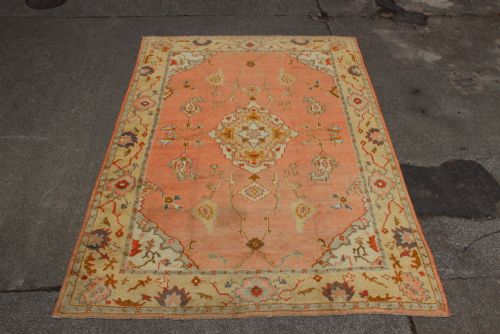
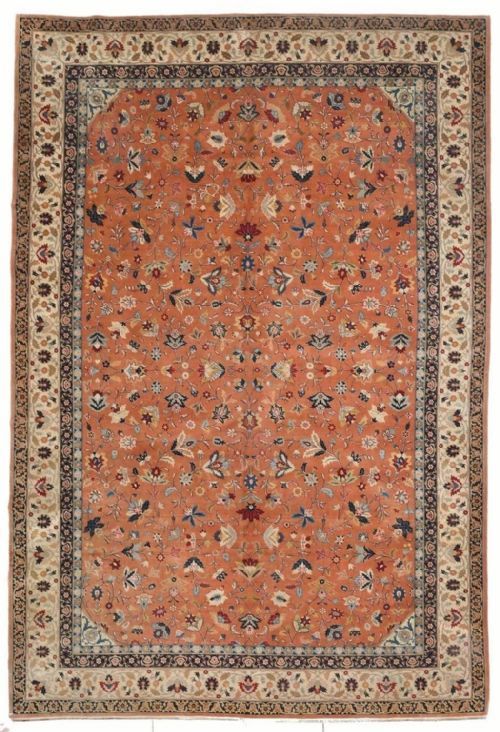
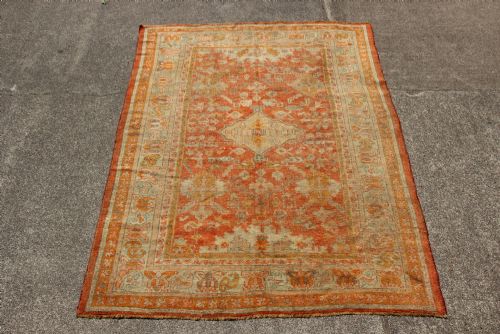


Antique Orange Carpet
An antique orange carpet brings warmth and deep terracotta tones to a room through centuries of weaving traditions from Persia, Turkey, and Central Asia.
Antique Orange Carpet
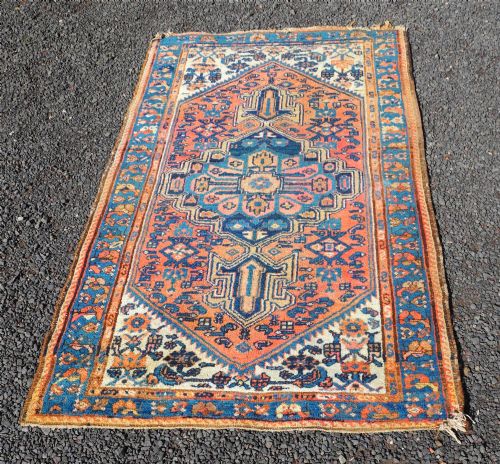
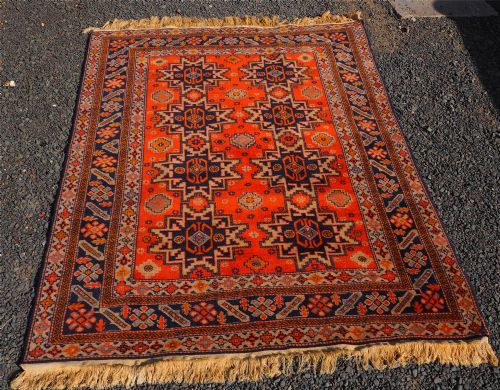
When searching for an antique orange carpet, buyers encounter a rich array of tribal and city-woven floor coverings spanning the late nineteenth and early twentieth centuries. These pieces display earthy terracotta, faded rust, and mellow warm hues across diverse regional styles.
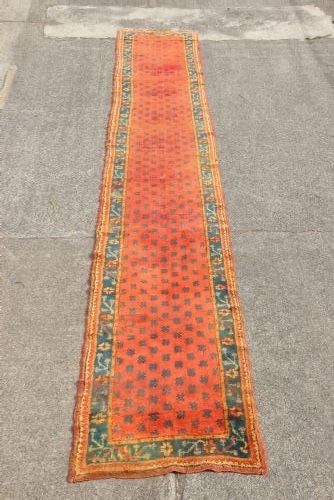
The inventory on this page draws heavily from Persian centres like Tabriz, Hamadan, Heriz, and Mahal, alongside Anatolian Oushak and Turkish village weaves. Long narrow runners and large square formats both appear, reflecting the practical needs of nineteenth and early twentieth-century interiors.
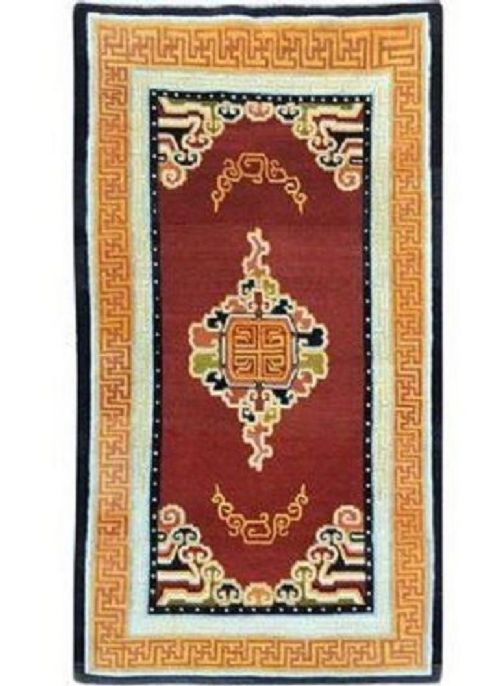
Tribal pieces from Afghan, Baluch, and Qashqai makers introduce distinctive geometric medallions and smaller formats well suited to specific architectural spaces. Tibetan and Caucasian examples further broaden the stylistic range available to collectors seeking warmth on the floor.
Materials and construction methods
Natural dye traditions dictate the palette, producing the terracotta, rust, and orange tones that soften gracefully over decades of light and wear. Weavers utilised upright looms, employing symmetrical or asymmetrical knots depending on regional provenance.
Some Baluch prayer rugs include intentionally misplaced geometric motifs to ward off evil spirits and honour weaver humility.
Distinctions in quality and finish
Knot density and structural integrity separate fine city carpets from robust tribal village rugs. Finer workshops in Tabriz or Oushak display precise curvilinear drafting and consistent pile depth.
The balance of the natural dyes and the preservation of original edge bindings and selvedges determine the desirability of a piece. Even wear across the wool pile without structural compromise indicates a healthier survival through the decades.
The Antique Orange Carpet Glossary
- Oushak
- A Turkish carpet style originating from the town of Ushak, known for large-scale floral motifs and soft, mellow colour palettes. These grand pieces frequently anchor spacious drawing rooms.
- Kilim
- A flat-woven carpet or rug produced without a pile by tightly interweaving warp and weft strands. They offer crisp geometric designs and a lighter weight underfoot.
- Prayer rug
- A small rug featuring a mihrab or arch design indicating the direction of Mecca, traditionally used for daily Islamic prayers. Collectors prize them for their intimate scale and symbolic iconography.
- Runner
- A long, narrow carpet format specifically designed for hallways, staircases, and corridors. They direct traffic flow while introducing colour and pattern to transitional spaces.
- Selvedge
- The reinforced side edges of a carpet formed by wrapping the weft threads over the outer warps. Original selvedges protect the structure from fraying.
Antique Orange Carpet: Frequently Asked Questions
How do I clean an antique carpet?
Professional specialist cleaning is essential for antique wool and silk carpets to protect fragile natural dyes and historical foundations.
Regular gentle surface vacuuming without a beater bar prevents dust accumulation between washes.
Can I place these rugs in high traffic areas?
Robust wool tribal rugs and heavier village runners handle moderate hallway or living room traffic very well.
Finer silk pieces or fragile nineteenth-century examples require placement in quieter drawing rooms or bedrooms to preserve their condition.
How do I identify a tribal rug from a city rug?
Tribal rugs typically display geometric motifs, informal layouts, and thicker, coarser wool woven by nomadic or village groups.
City carpets show refined curvilinear floral patterns, precise symmetry, and higher knot densities.
What underlay should I use?
A breathable, high-friction mesh underlay prevents slipping and cushions the foundation fibres against hard flooring.
Avoid rubber-backed products that trap moisture and damage delicate antique cotton or wool warps over time.