


Antique Small Carpet
An antique small carpet brings rich tribal patterns and saturated colours to compact rooms, offering portable textile art that grounds a living space.
Antique Small Carpet
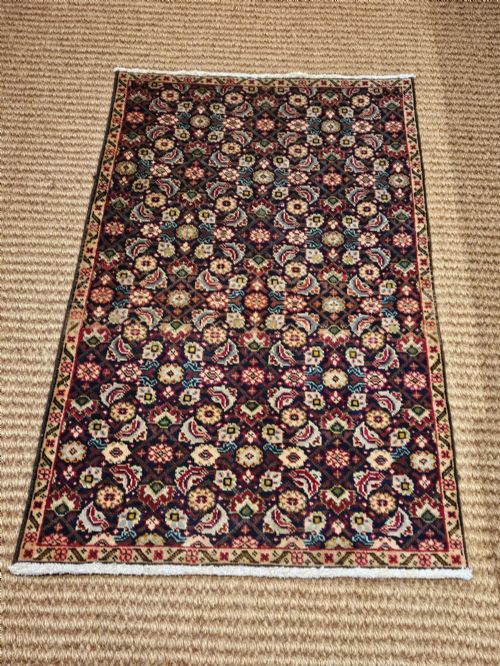
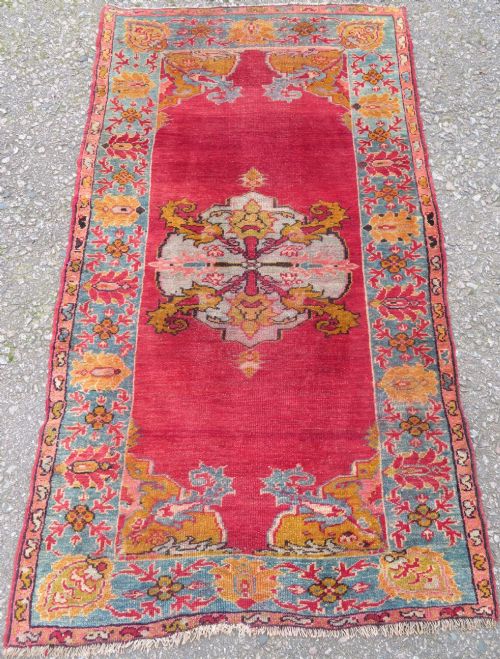
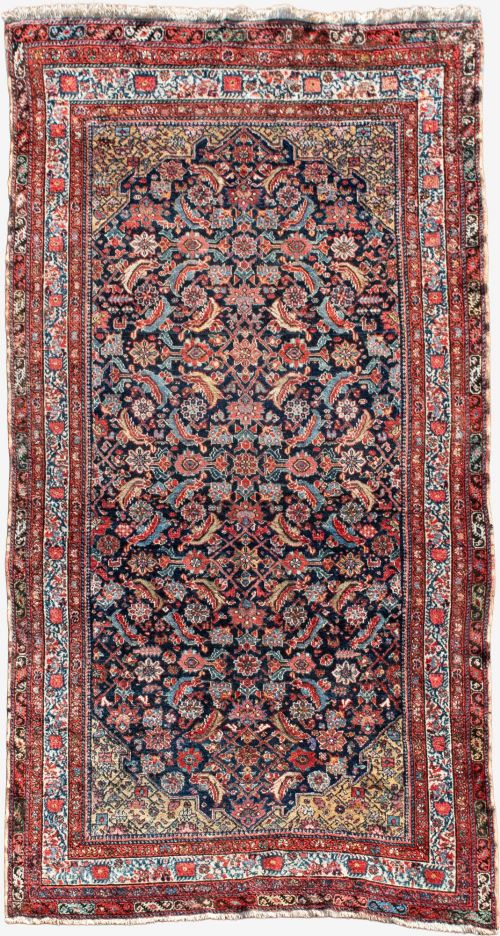
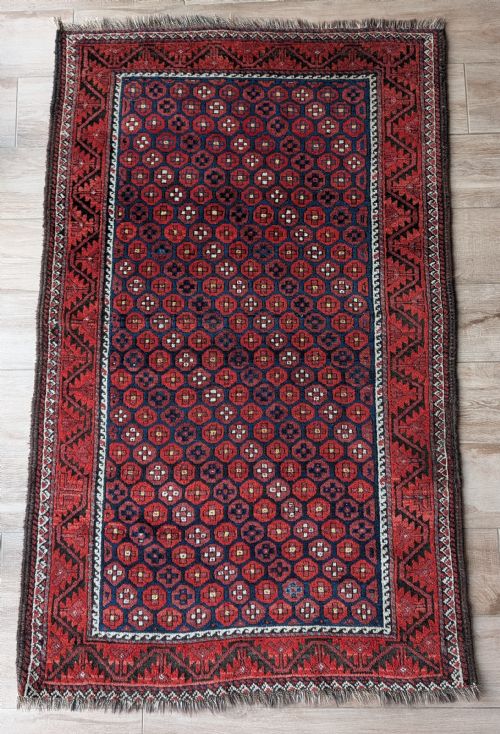
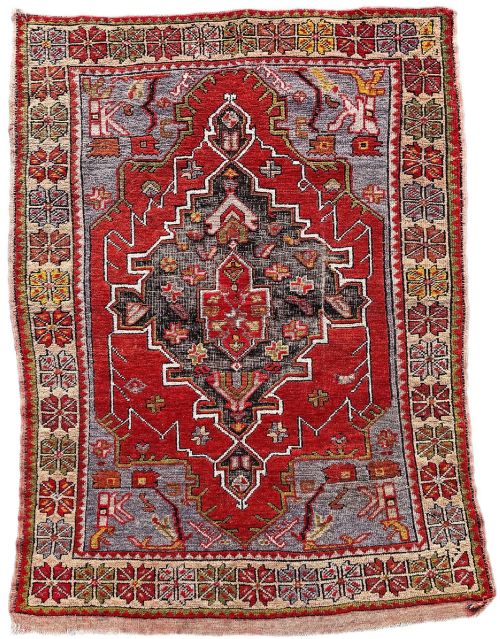
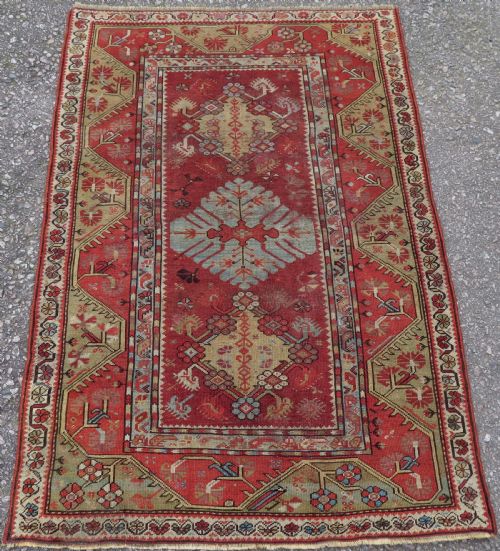
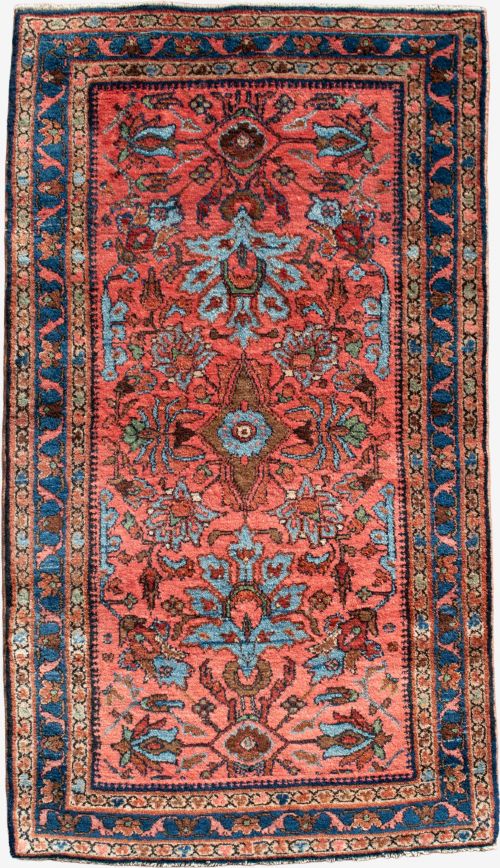
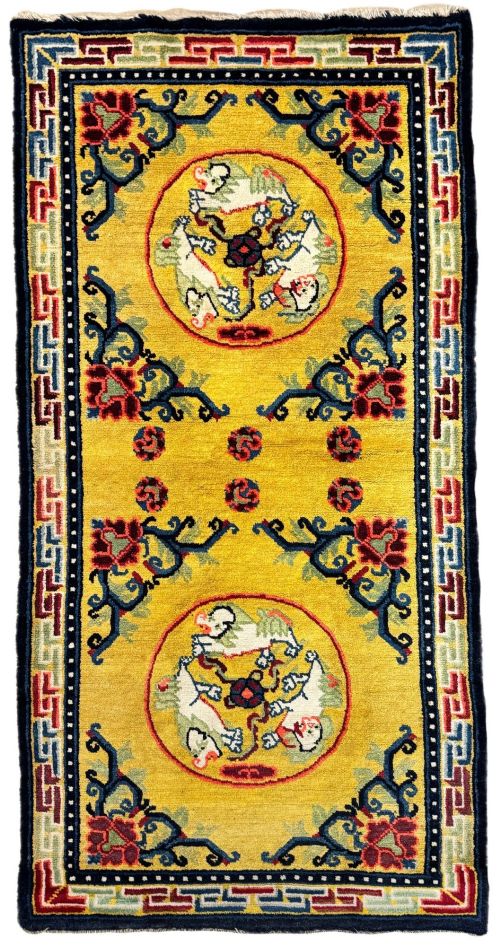
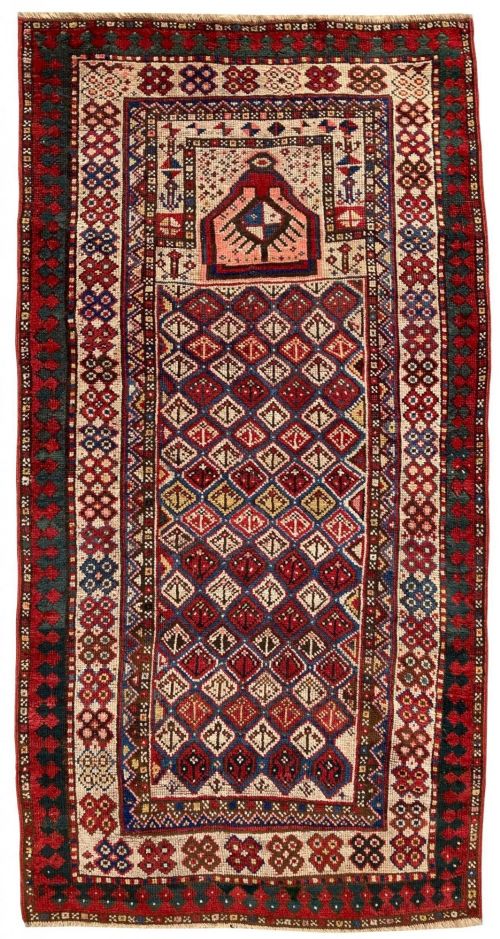
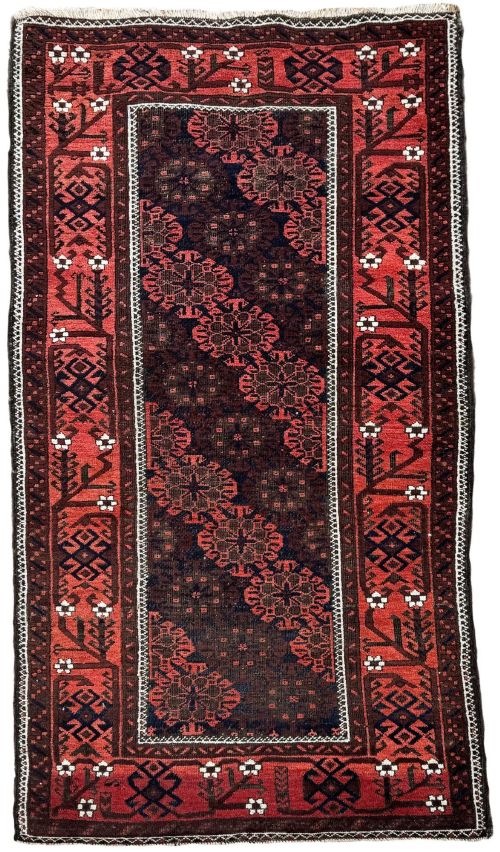
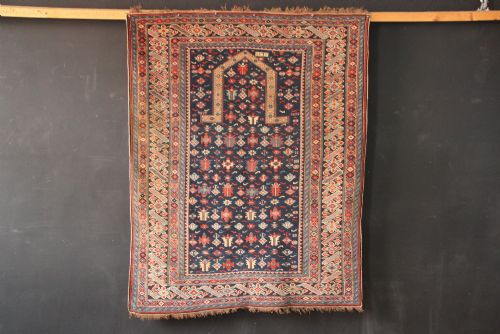
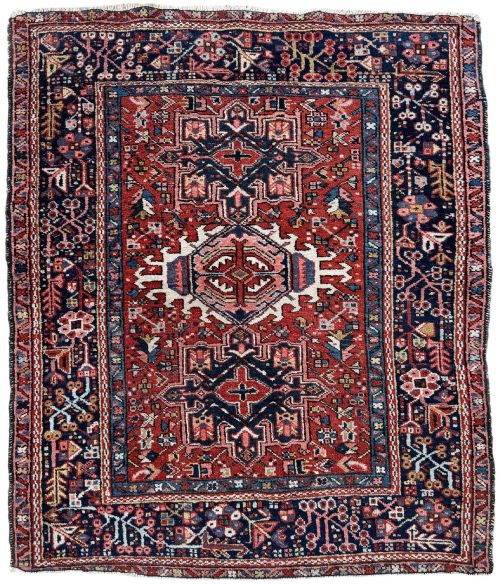
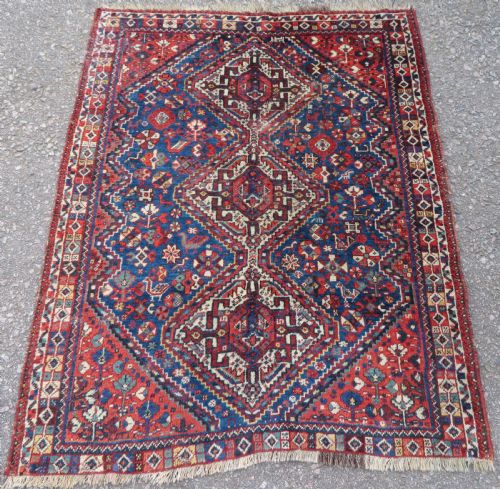
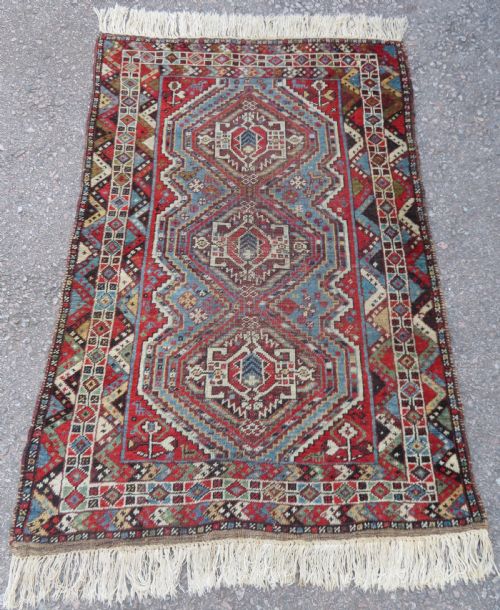
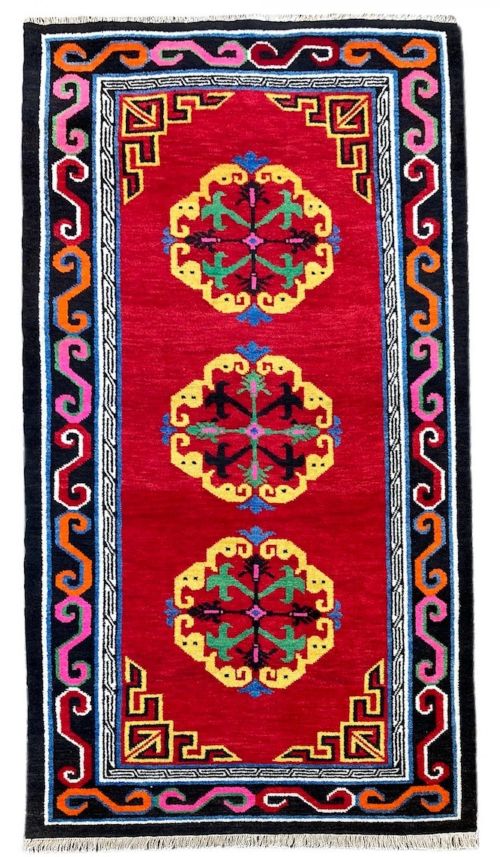
When you search for an antique small carpet, you encounter woven floor coverings and mats originating from Persian, Caucasian, Turkish, and Tibetan weaving traditions. These pieces span the nineteenth and early twentieth centuries, encompassing formats from small prayer rugs to square carpets and tribal bags.
The selections on this page demonstrate varied regional identities, including Heriz, Bidjar, Khamseh, and Belouch styles. Such floor coverings suit smaller residential spaces, hallways, and studies where standard room-sized carpets overwhelm the floor plan.
Makers ranged from nomadic tribal weavers working on portable vertical looms to village workshops producing geometric and floral designs. Their output prioritises utility and durability alongside traditional local symbolism.
How they were made
Weavers constructed these textiles primarily using wool for the pile and foundation, supplemented by cotton for warps and wefts in specific regional traditions. Hand-spun wool yarns provide resilience and a tactile finish, while Tibetan wool appears in Himalayan pieces.
Natural dyes sourced from plants and minerals give these floor coverings their characteristic palette, developing subtle shifts in tone known as abrash over decades of light exposure and use. Artisans knotted the pile by hand onto warp threads before securing the ends with flatweave borders and fringes.
Antique Small Carpet Retail Price Guide 2026
Typical asking prices for small carpet among the pieces listed under this phrase on Sellingantiques today, from the lower quarter to the upper quarter. They describe what is for sale here now, not the wider market.
Several nomadic weavings include rogue stray animal hairs tucked invisibly into the wool pile by weavers working in open tents.
What varies in quality
Knot density and structural tightness dictate the longevity and definition of the design across these textiles. Tighter packing of the foundation creates a firmer handle that withstands foot traffic.
The purity and depth of the natural dyes influence visual coherence, as well-balanced palettes maintain harmony as the materials age. Precision in executing tribal motifs reflects the weaver's skill and adherence to traditional workshop standards.
The Antique Small Carpet Glossary
- Pile
- The vertical or diagonal cut yarn surface of a rug that forms the soft nap. This layer absorbs foot traffic and protects the structural foundation underneath.
- Warp
- The stationary lengthwise threads stretched on a loom that hold the tension of the weave. Weavers tie knots around these parallel foundation strands.
- Weft
- The horizontal threads passed across the warp strands after every row of knots to bind the structure firmly together. These threads often show at the reverse of the textile.
- Prayer rug
- A small format textile featuring a distinct mihrab or arch design indicating the direction of prayer. Historically used for personal devotion in domestic spaces.
- Abrash
- Variations of colour within a single field of dye caused by batches of yarn dyed at different times. This tonal shift is characteristic of natural dyeing methods.
Antique Small Carpet: Frequently Asked Questions
Where should I place a small carpet?
These compact floor coverings fit naturally in entryways, beside beds, or beneath small reading tables where they add warmth without dominating the room.
They also function well as wall hangings to protect delicate wool and cotton structures from direct pressure while displaying tribal designs.
How do I clean an antique rug?
Regular gentle vacuuming without a rotating brush roll removes surface dust and grit from the wool pile. Professional textile conservation cleaning is recommended for deep washing to preserve natural dyes.
Avoid harsh chemical detergents and excessive moisture, which weaken hand-spun wool and cotton foundations.
How do I identify a tribal design?
Tribal designs typically feature geometric medallions, hooked polygons, and stylised animal or plant motifs rooted in specific regional weaving groups. These patterns are passed down through generations rather than copied from printed cartoons.
Asymmetrical structures and variations in knotting often point to nomadic production on portable looms.
What causes colour variation in wool?
Natural dyes react to botanical sourcing variations, mineral content in water, and the length of time yarn batches spend in dye vats. These factors create organic tonal shifts across the surface.
Exposure to sunlight over decades mellows primary shades into softer secondary tones, enhancing the visual texture of the textile.