





Vintage Baluchi Carpet
These vintage baluchi carpet examples are enduring tribal weaves shaped by nomadic hands, bringing rich geometric patterns and deep saturated wool to modern floors.
Vintage Baluchi Carpet
A vintage baluchi carpet represents the rich weaving heritage of nomadic and village artisans, spanning Persian tribal, Baluch tribal, and Afghan tribal traditions. When you search for this phrase, you encounter authentic rugs, prayer rugs, area rugs, and flatweave sofh eh eating cloths originating from regions such as Khorasan and Ferdows Province.
The pieces available here bridge the late nineteenth century and the early decades of the twentieth century, with dates clustering around nineteen hundred. They take the form of portable floor coverings and utilitarian textiles rather than grand salon carpets, designed for the practical demands of nomadic life.
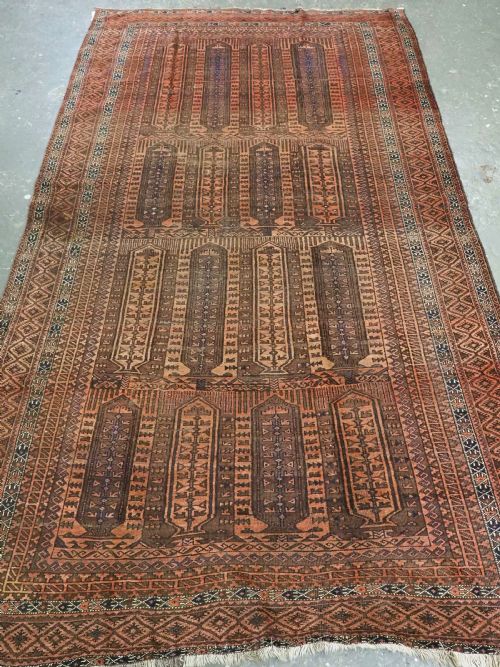
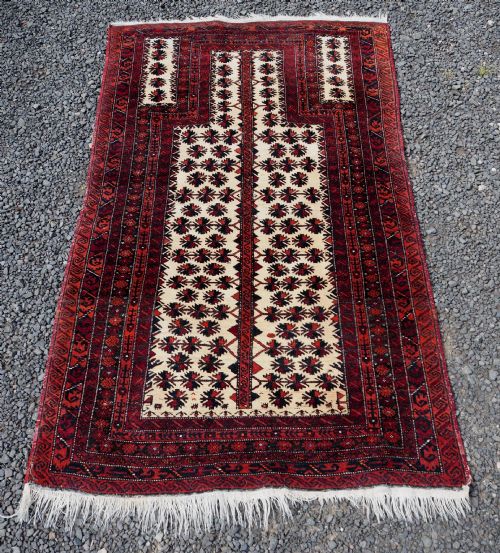
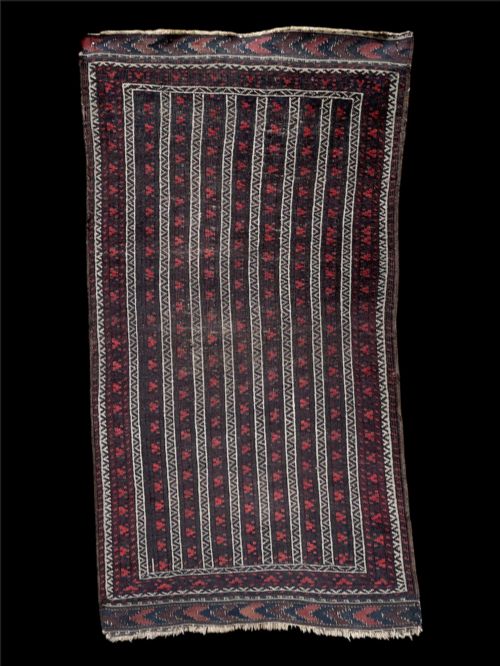
You are most likely to meet modest room-sized or smaller formats, including specific prayer rugs featuring niche designs and eating cloths woven for daily use. Their aesthetic relies on repeat geometric motifs, small octagons, and the kalam donneh design executed within regional tribal traditions.
How they were made
These textiles are hand-woven from wool using traditional manual techniques passed down through generations of tribal makers. The reliance on hand spinning and weaving gives each piece its distinctive tactile quality and structural integrity.
Makers utilised natural dyes to colour the wool, yielding the deep and unusual hues characteristic of these regional carpets. This traditional dyeing process creates subtle variations in tone across the surface of the weave as the material ages.
Vintage Baluchi Carpet Retail Price Guide 2026
Typical asking prices for vintage baluchi carpet among the pieces listed under this phrase on Sellingantiques today, from the lower quarter to the upper quarter. They describe what is for sale here now, not the wider market.
Listings span the years from eighteen seventy to nineteen thirty, showcasing wool construction and natural dyes.
What varies in quality
Quality in these rugs lies in the precision of the hand-weaving and the depth of the natural dyes employed by the maker. Tighter knots and well-resolved geometric patterns distinguish the more accomplished village and tribal work from standard utilitarian pieces.
The visual strength of a piece depends on the clarity of unusual design elements like repeat small octagons or kalam donneh motifs. Balance in the composition and the preservation of the original wool pile determine the standing of an individual carpet.
The Vintage Baluchi Carpet Glossary
- Sofh eh
- A traditional eating cloth woven by nomadic groups for domestic use. These textiles often feature flatweave construction and distinctive tribal patterning.
- Kalam donneh
- A traditional ornamental motif resembling a pine cone or almond shape. It appears frequently in classical oriental carpets and regional tribal weaves.
- Prayer rug
- A small devotional carpet featuring a mihrab or niche design at one end. Nomadic weavers produced these specifically for daily personal worship.
- Flatweave
- A textile produced without a raised pile by interlacing warp and weft threads directly. This technique creates lighter, flexible floor coverings and utility cloths.
Vintage Baluchi Carpet: Frequently Asked Questions
Where did these carpets originate?
These pieces originate from tribal and village weavers across the borderlands of Persia, Afghanistan, and Khorasan. Makers worked within distinct regional traditions rather than urban workshops.
Nomadic groups moved across these territories, carrying their traditional patterns and weaving techniques with them. This movement explains the shared stylistic elements found across Afghan and Persian tribal pieces.
How were prayer rugs used?
Prayer rugs were personal devotional items utilised by individuals for daily ritual prostrations. The pointed arch or niche design directed the user towards Mecca during prayer.
Because of their sacred function, these rugs were treated with care and kept cleaner than general utility floor coverings. They often display finer knotting and more deliberate design execution.
What are eating cloths?
Eating cloths, or sofreh, served as clean surfaces spread upon the ground for family meals in nomadic households. They protected food from dirt and gathered crumbs during dining.
These textiles were flatwoven for durability and ease of folding during camp relocation. Their patterns often incorporated protective symbols and practical geometric borders.
How do I care for wool rugs?
Wool carpets require gentle vacuuming without a rotating brush to protect the delicate hand-woven pile. Keeping them out of direct sunlight prevents the natural dyes from fading over time.
Professional cleaning suited for antique textiles preserves the integrity of the natural wool fibres. Allowing air circulation beneath the rug prevents moisture accumulation.