







Traditional Baluch Rug
These traditional baluch rug pieces bring centuries of nomadic craftsmanship and rich tribal motifs directly into contemporary living spaces.
Traditional Baluch Rug
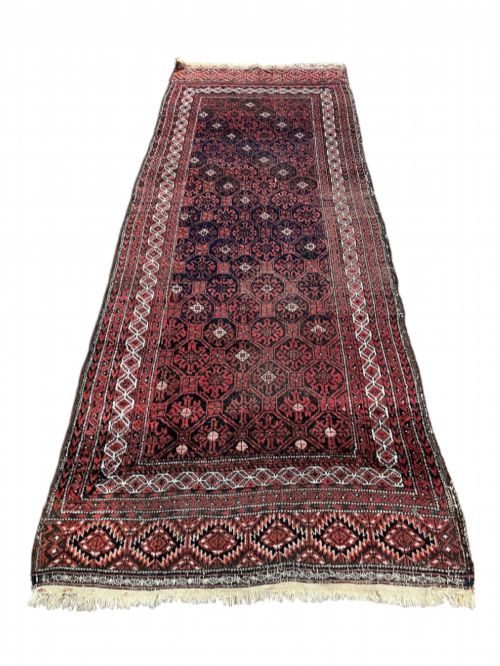
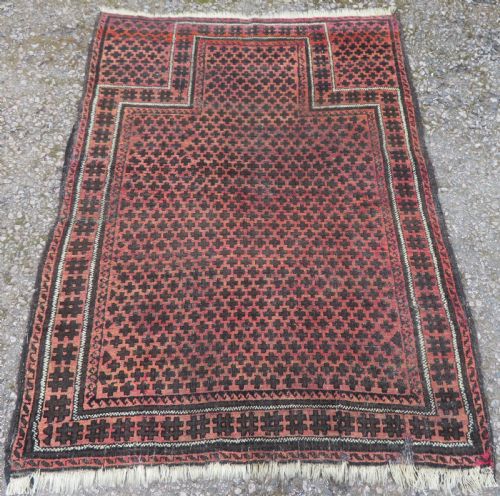
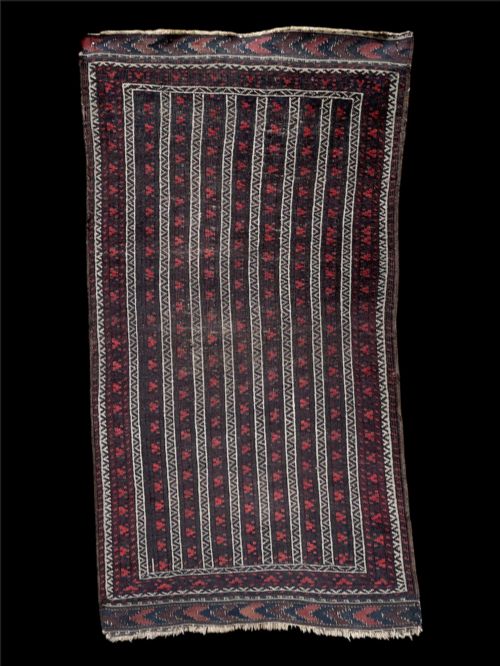
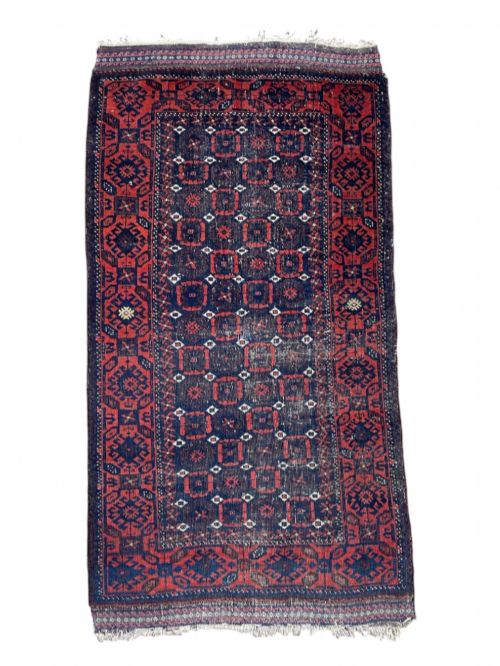
When searching for a traditional baluch rug, collectors encounter tribal floor coverings, prayer rugs, runners, and storage bags originating from nomadic and village weavers across Afghanistan, Persia, and Khorassan. These textile works span from the nineteenth century into the early decades of the twentieth century, reflecting distinct regional patterns and village aesthetics.
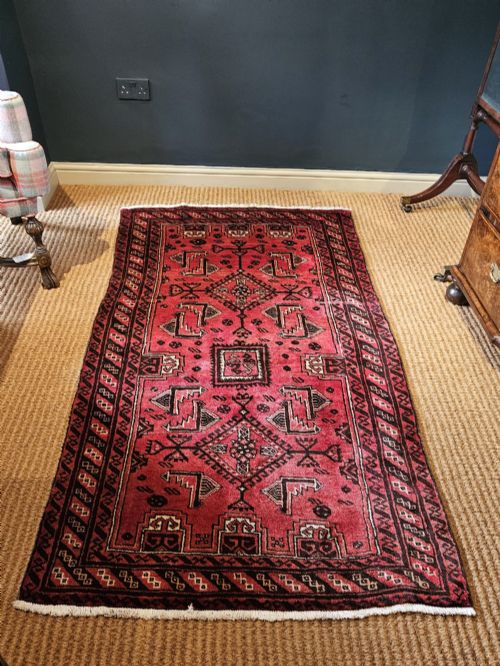
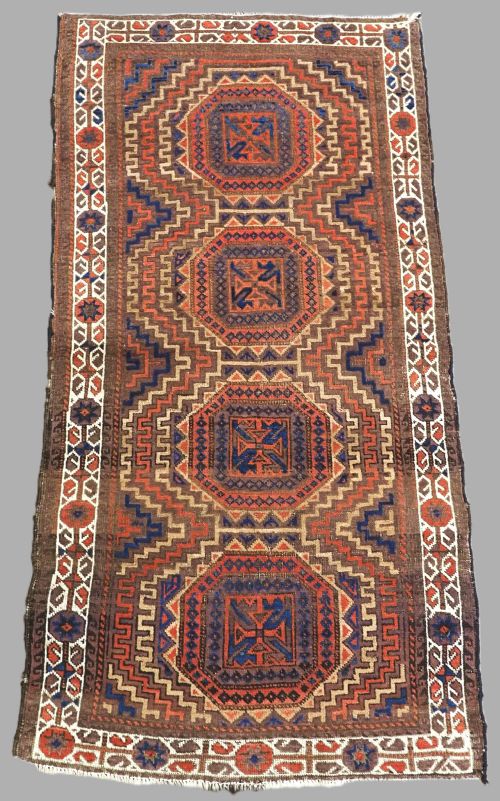
The most common examples on this page are compact area rugs and prayer formats featuring recurring motifs such as guls, mina khani variants, and kalam donneh designs. Woven by groups including the Salar Khani, Timuri, and Chakhansur, these floor coverings serve as functional tribal art with deep cultural roots.
Materials and construction methods
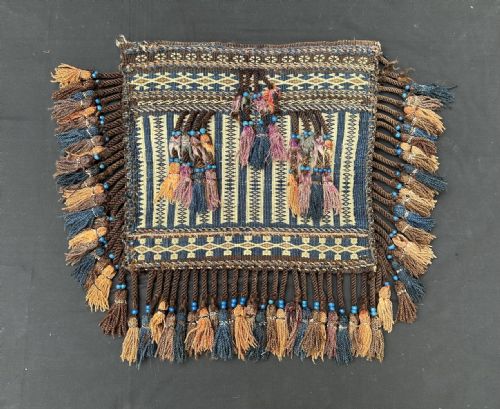
Makers constructed each traditional baluch rug primarily using hand-spun wool, often incorporating cotton foundations and occasional details in camel wool, goat hair, or glass beads for textural contrast. Weavers relied on natural dyes to achieve deep, saturated tones that mature gracefully over decades of use.
Tribal artisans utilised traditional knotting and flatweaving techniques to produce durable carpets, kilims, and cushions, occasionally integrating structural elements woven in separate parts. The resulting fabric combines resilience with the distinct tactile qualities characteristic of nomadic textile production.
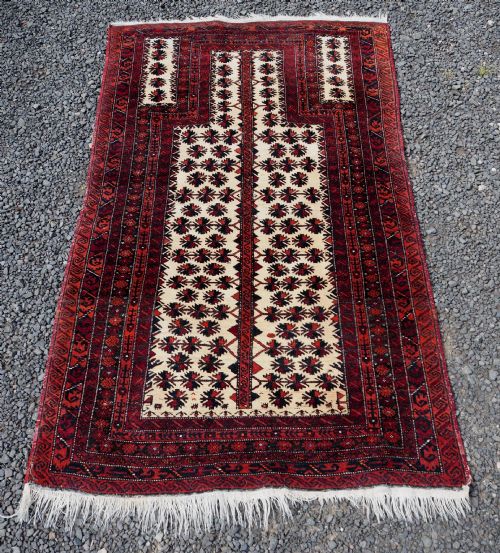
Certain prayer formats include tiny glass beads woven directly into the wool, catching the flickering light of a nomadic hearth.
Defining factors of quality
Quality in a traditional baluch rug is determined by the fineness of the weave, the clarity and complexity of the tribal iconography, and the integrity of the foundation. Pieces featuring well-defined motifs like large guls or intricate double mihrab arches demonstrate superior technical execution by the weaver.
The vibrancy and depth of the natural dyes significantly elevate an example, as does the condition of the edges and pile. Superior specimens maintain structural stability while displaying the rich patination expected of authentic nineteenth and early twentieth-century tribal textiles.
The Traditional Baluch Rug Glossary
- Gul
- A repeating medallion motif often found in tribal carpets. This octagonal design serves as a primary decorative element across various regional weaving traditions.
- Mihrab
- A niche design symbolising a prayer arch, commonly featured in rugs dedicated to prayer. It typically points toward Mecca during religious observance.
- Kalam Donneh
- A motif resembling a paisley or pencil box shape. Artisans frequently repeat this curved pattern across the field of nomadic carpets.
- Sofreh
- A type of spread or cloth used for dining or food preparation. These flatwoven or piled textiles carry significant functional and cultural importance within tribal households.
- Kilim
- A flatwoven textile produced without a pile. These pieces rely on interlocking weft threads to create sharp geometric patterns.
Traditional Baluch Rug: Frequently Asked Questions
How were traditional baluch rug pieces originally used?
Nomadic and village communities utilised these textiles as floor coverings, sleeping mats, and dedicated prayer spaces within tents or dwellings. Certain variations functioned specifically as transport bags or dining spreads for daily domestic life.
Over time, these utility objects became cherished decorative items, prized for their portability and rich integration of tribal symbolism.
How do I care for a traditional baluch rug?
Protect the textile by vacuuming gently without a rotating brush roll to prevent fibre damage. Professional cleaning tailored to antique wool ensures the natural dyes remain stable.
Positioning the piece away from direct sunlight preserves the saturated tones achieved through historic dyeing techniques.
How can I identify regional styles?
Regional attribution relies on examining specific design vocabularies, such as the prominent shoulder boxes of Salar Khani pieces or the distinct prayer arches of Afghan workshops. Colour palettes and structural quirks further help distinguish between Khorassan, Sistan, and Western Afghan origins.
Comparing motif repetitions against documented tribal portfolios clarifies the likely geographic source of the weaving.
What period do these rugs date from?
The pieces available span from the nineteenth century through the early decades of the twentieth century. Dating relies on stylistic analysis, material composition, and structural wear patterns observed in historical examples.
Earlier nineteenth-century works typically display softer wool patination and organic dye variations characteristic of pre-synthetic production.