
Small Wool Area Rug
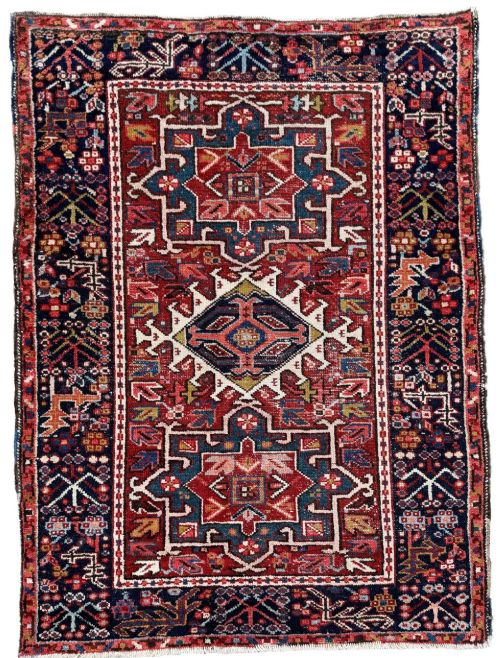
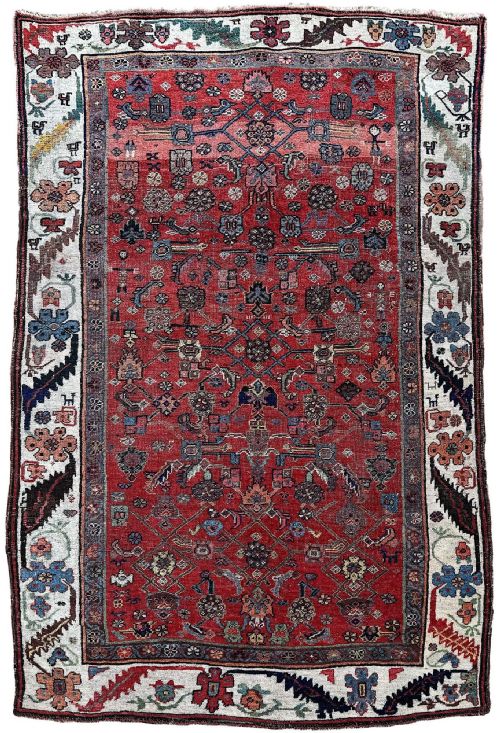
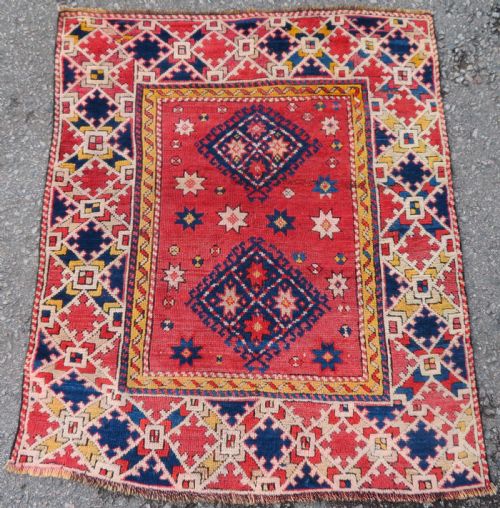
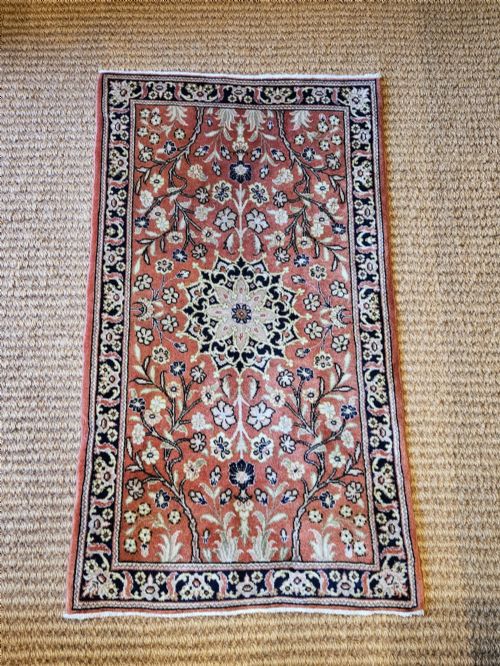
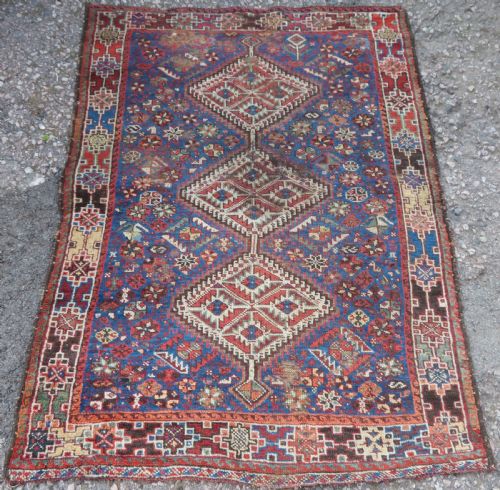
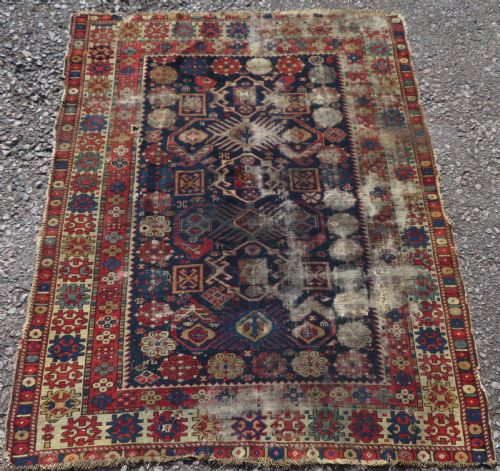
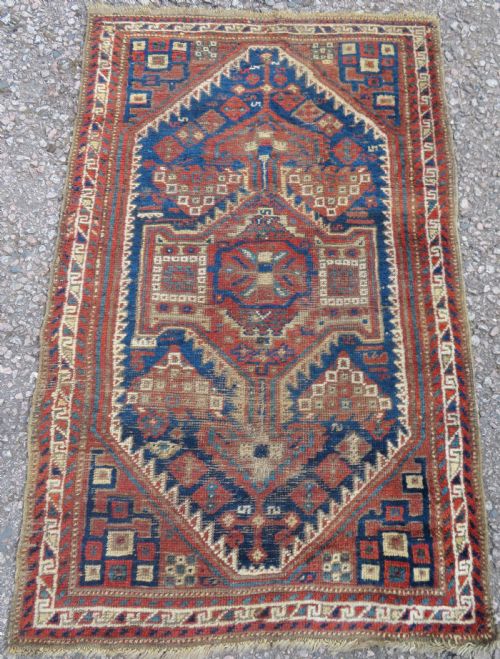
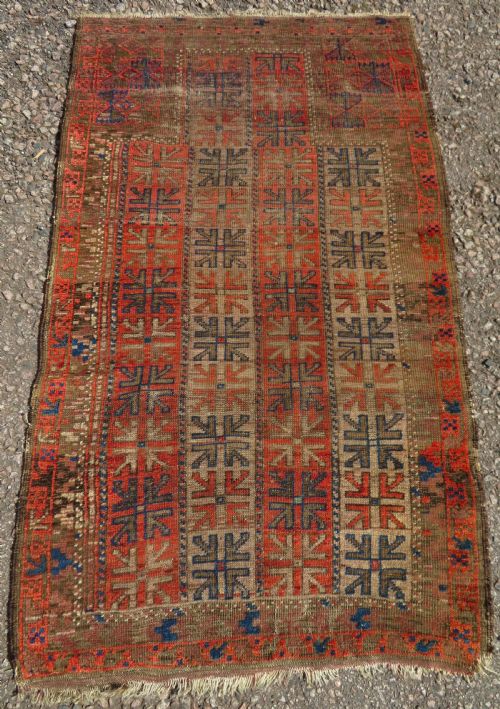
These small wool area rug examples are handwoven tribal and village floor coverings that bring warmth and genuine historical texture to compact spaces.
Small Wool Area Rug
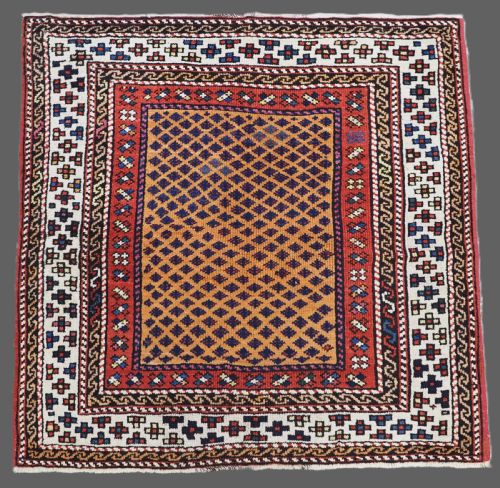
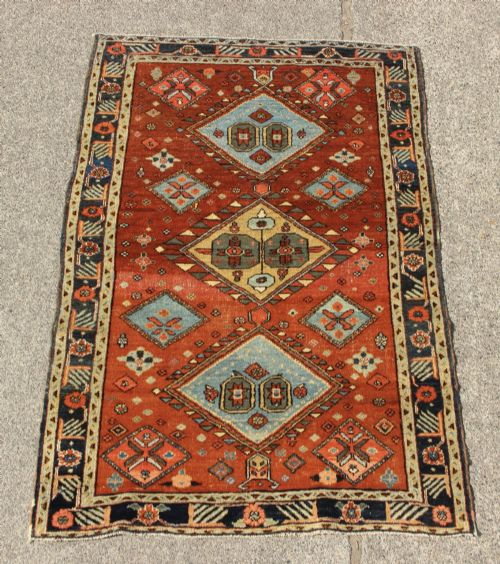
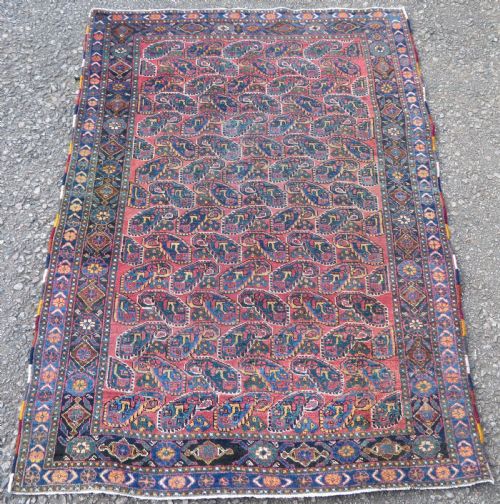
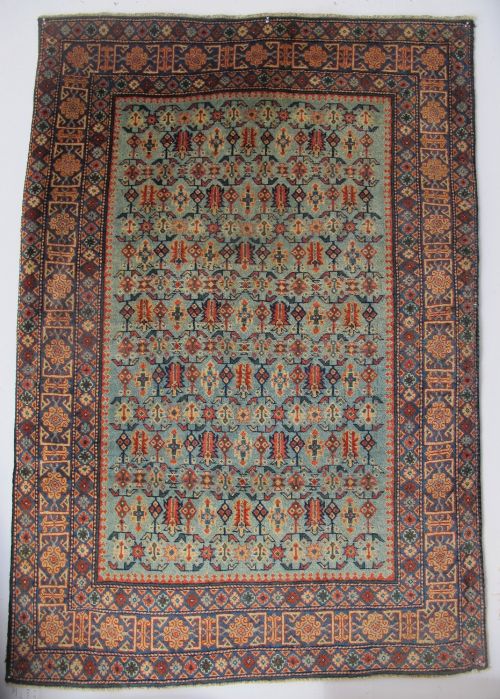
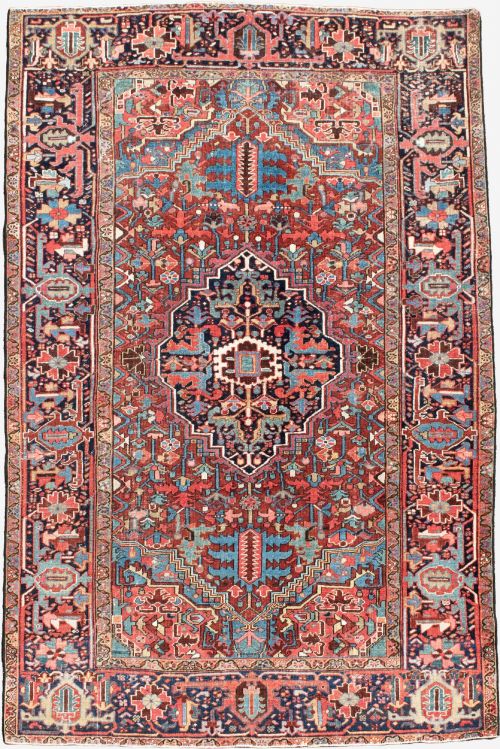
A small wool area rug brings compact floor coverings into domestic spaces, drawing from traditions across Persia, Turkey, the Caucasus, Central Asia, and Tibet. These woven pieces include hearth-sized items, square formats, and prayer rugs produced across the nineteenth and early twentieth centuries.
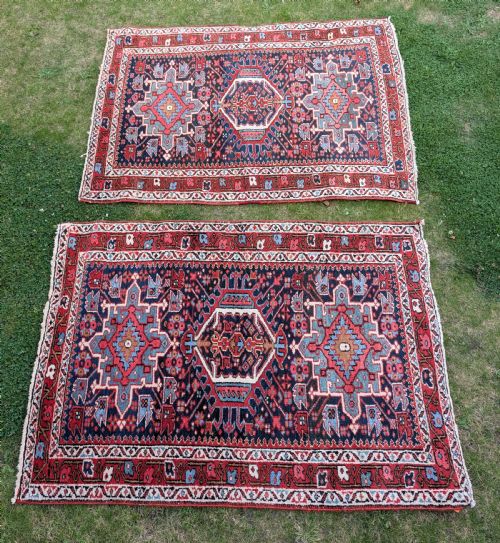
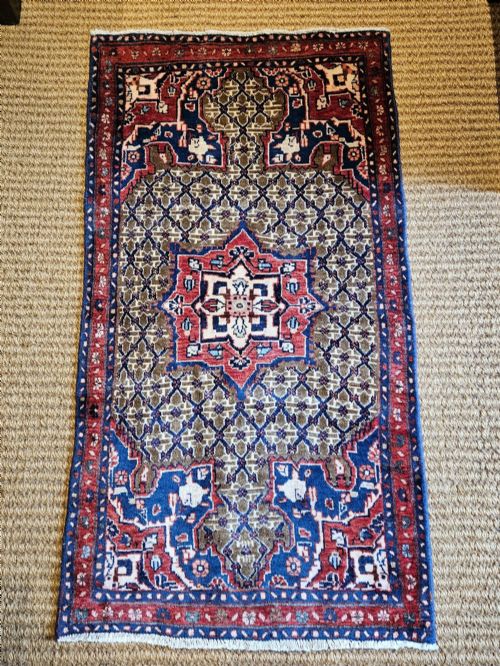
Village and tribal workshops produced these textiles using durable methods suited to daily floor use. Buyers encounter regional designs such as Heriz, Bidjar, Karaja, Baluch, and Turkmen pieces, reflecting the specific weaving heritage of their makers.
Formats span from small hearth rugs to narrow runners and tent door hangings, offering versatile proportions for hallways, studies, and smaller rooms. The inventory ranges from simple nomadic work to finer city-influenced village production.
Materials and Construction
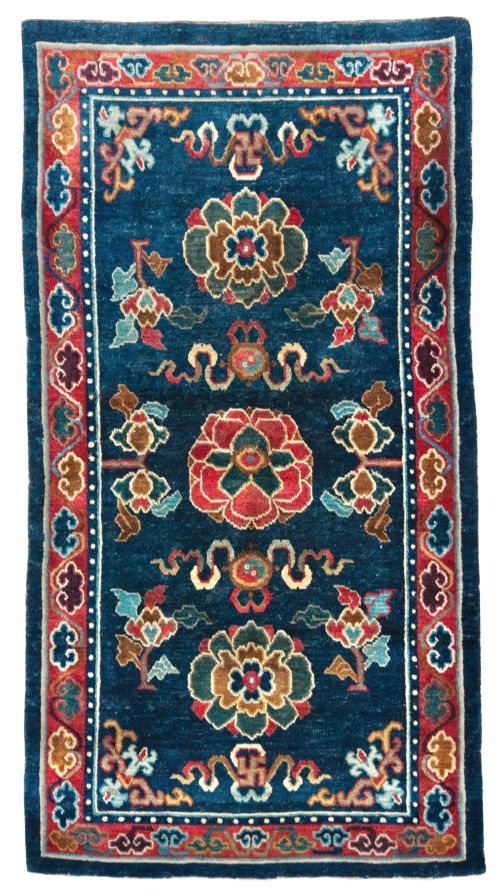
Wool serves as the primary material for the pile and foundation elements, frequently supported by cotton warps and wefts in regional village workshops. Tibetan items utilise specialised regional wool, while others incorporate natural dyes to achieve deep and enduring colour palettes.
Weavers knotted the pile by hand onto stretched foundations, employing symmetrical or asymmetrical knotting techniques depending on the weaving centre. Edge finishes and fringes were secured by hand to prevent fraying during long periods of floor use.
Small Wool Area Rug Retail Price Guide 2026
Typical asking prices for small wool area rug among the pieces listed under this phrase on Sellingantiques today, from the lower quarter to the upper quarter. They describe what is for sale here now, not the wider market.
Some antique Baluch prayer rugs include intentionally woven minor asymmetries, traditionally left by weavers to ward off evil spirits.
Factors of Quality
Quality rests on the density of the knotting, the resilience of the wool, and the clarity of the design structure. Finer village pieces maintain precise geometric control, whereas tribal items display expressive irregularities in drawing.
The depth and integrity of the dye work distinguish superior examples, particularly where natural colour variations provide rich surface movement. Surviving pile height and the condition of original side cordings further separate exceptional survivals from heavily worn textiles.
The Small Wool Area Rug Glossary
- Prayer rug
- A small format textile featuring a mihrab or arch design at one end, traditionally used for individual daily prayers. These pieces often display specific regional iconography associated with nomadic and village weavers.
- Khaden
- A Tibetan sleeping or sitting rug, usually narrower in proportion, made for domestic use in high-altitude regions. They often feature simple medallion layouts or symbolic Buddhist motifs.
- Chuval
- A large storage bag face produced by Turkmen nomadic tribes, featuring repeated guls or medallion motifs. These items were repurposed as floor rugs or wall hangings by collectors.
- Warp
- The vertical threads stretched tightly on the loom before knotting begins, forming the foundational skeleton of the rug. Cotton and wool are the typical fibres used for this structural element.
- Weft
- The horizontal threads passed across the warp threads between rows of knots to bind the structure together. Multiple passes of weft help determine the handle and flexibility of the finished weave.
Small Wool Area Rug: Frequently Asked Questions
Where should I place a small wool area rug?
These compact floor coverings suit low-traffic areas such as bedside positions, studies, or hearth surrounds where a full-sized carpet is unnecessary.
Their varied dimensions also allow them to function as wall hangings or decorative accents in narrow hallways.
How do I care for antique wool rugs?
Gentle, regular vacuuming without a rotating brush roll prevents dust accumulation in the wool pile. Professional cleaning suited to antique textiles should be used periodically.
Avoid excessive moisture and direct, continuous sunlight to protect the natural dyes and fibres.
What is the difference between tribal and village rugs?
Tribal rugs were woven by nomadic or semi-nomadic groups from memory, resulting in spontaneous designs and asymmetrical details. Village rugs typically reflect settled community traditions with slightly more structured geometric layouts.
Both categories rely on local materials and traditional dyeing methods.
How can I identify the age of these rugs?
Age is assessed through dye analysis, structural characteristics, wool quality, and regional design evolution. Pieces dating from the nineteenth and early twentieth centuries show distinct hand-spun textures and natural colour variations.
Wear patterns and selvage construction also provide clues to historical manufacture.