


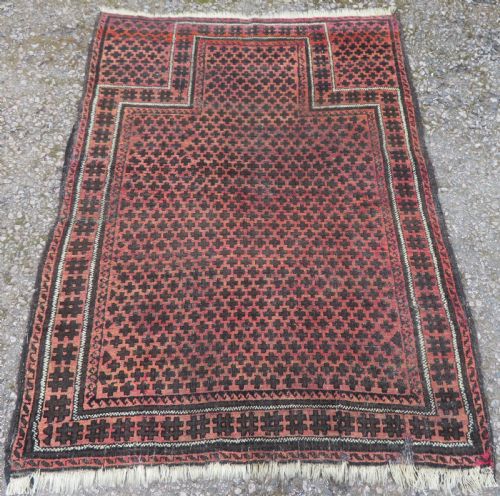

Tribal Prayer Rug
A tribal prayer rug brings centuries of nomadic and village weaving traditions into a modern interior through distinctive arched mihrab designs.
Tribal Prayer Rug
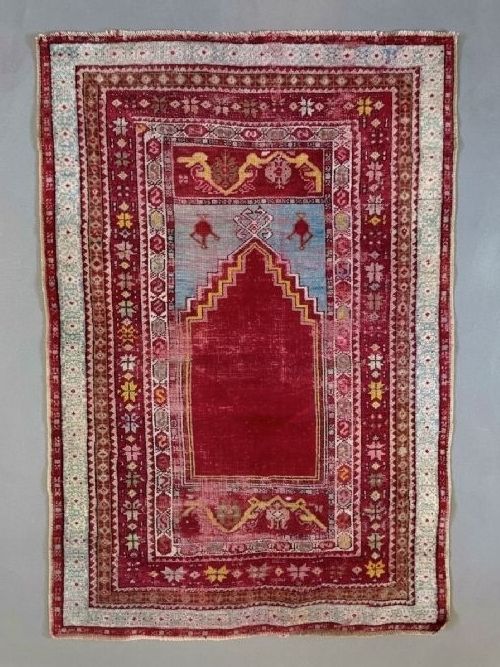
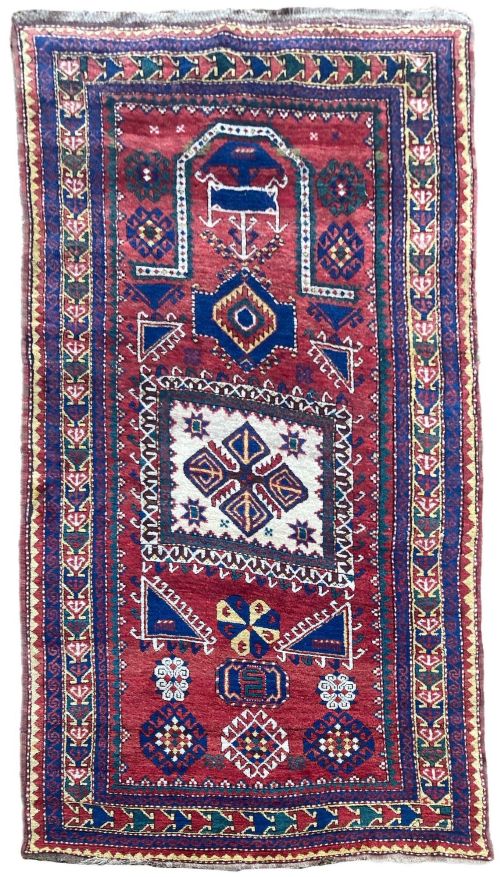
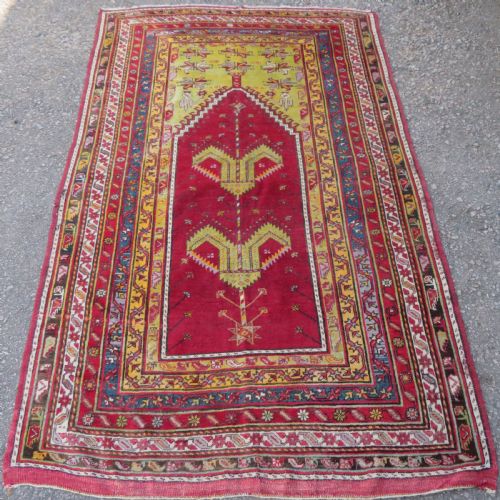
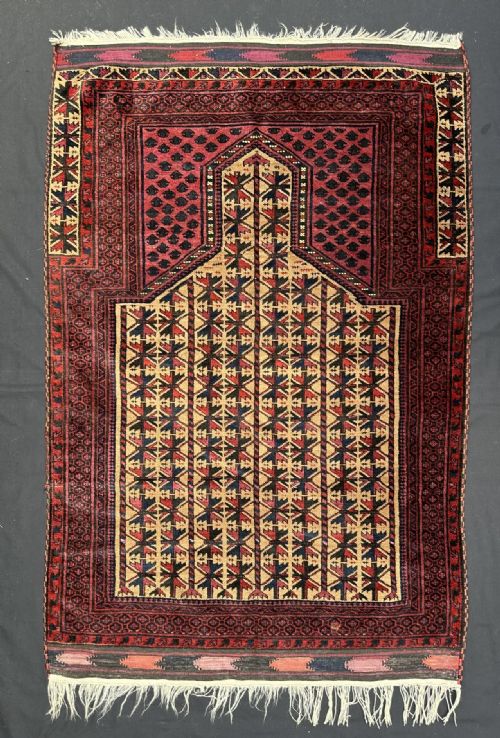
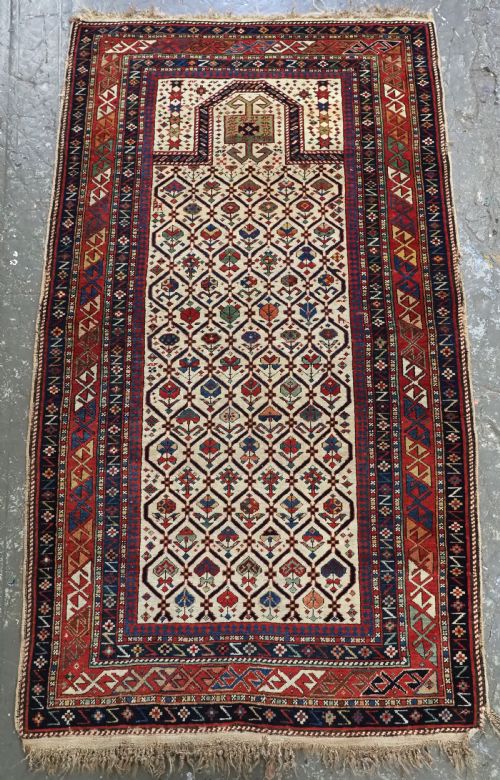
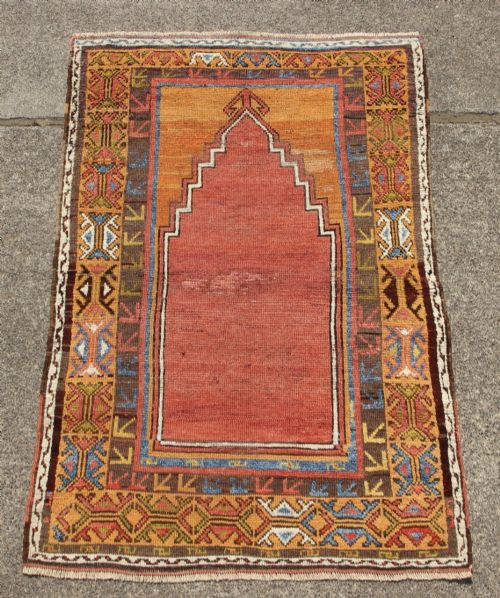
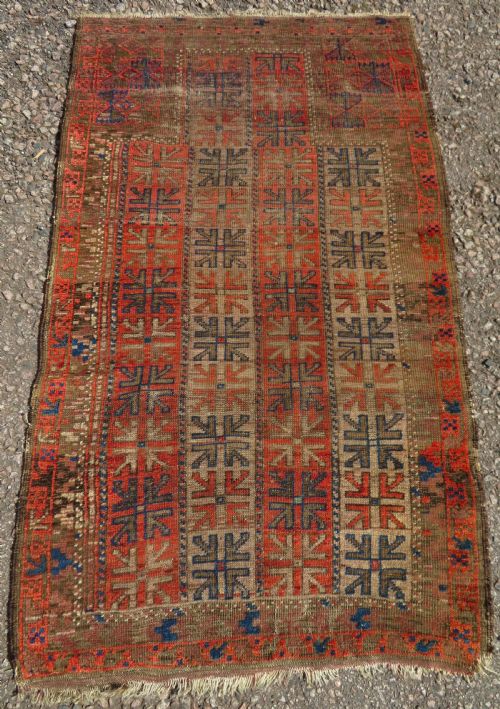
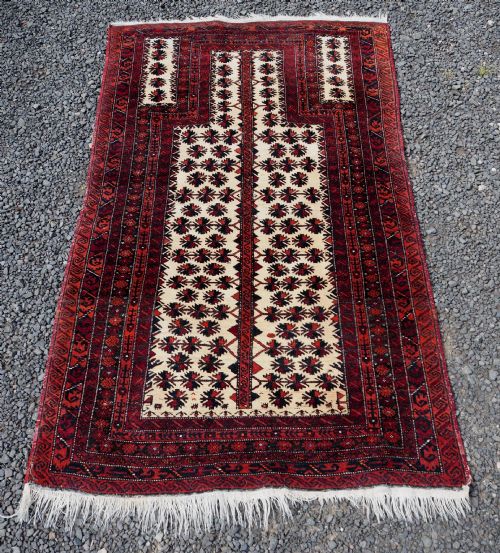
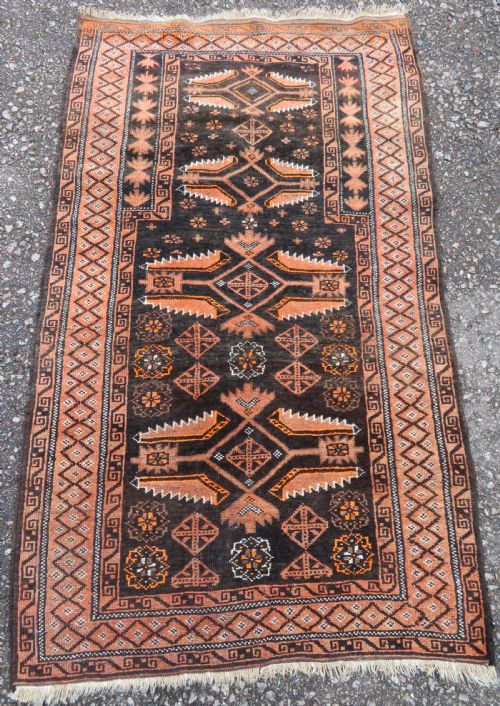
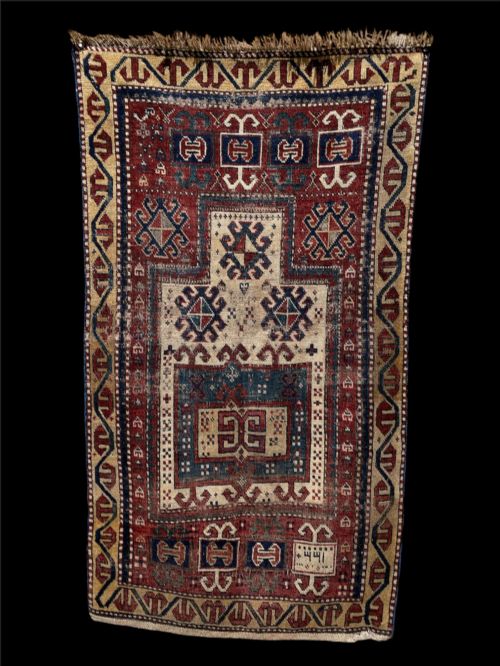
A tribal prayer rug is a portable textile woven by nomadic or village communities, traditionally used for daily devotions and distinguished by a defined architectural arch known as a mihrab. These textiles span origins from Anatolia, the Caucasus, Persia, and Afghanistan, reflecting distinct regional weaving traditions.
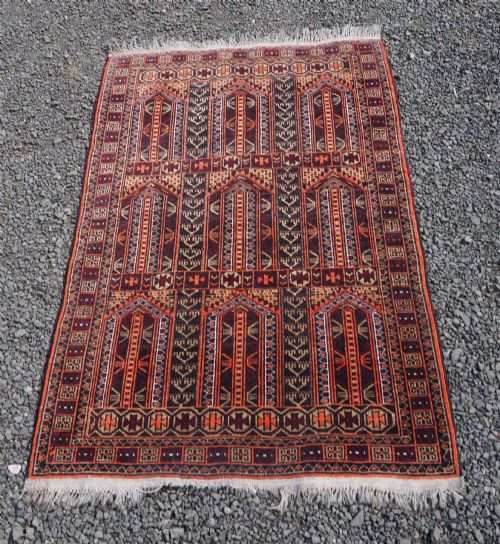
The pieces on this page are predominantly antique works originating from the nineteenth and early twentieth centuries. Buyers encounter formats ranging from single mihrab compositions to double mihrab and lantern designs.
Village and tribal workshops produced these floor coverings using localized wools and traditional dyeing methods. Each region developed specific geometric or floral lattice motifs that identify its geographical source.
How they were made
Weavers constructed these rugs using hand-spun wool, cotton foundations, and occasionally camel wool or goat hair for durability. Natural dyes provided the deep reds, blues, and ivory grounds characteristic of older examples.
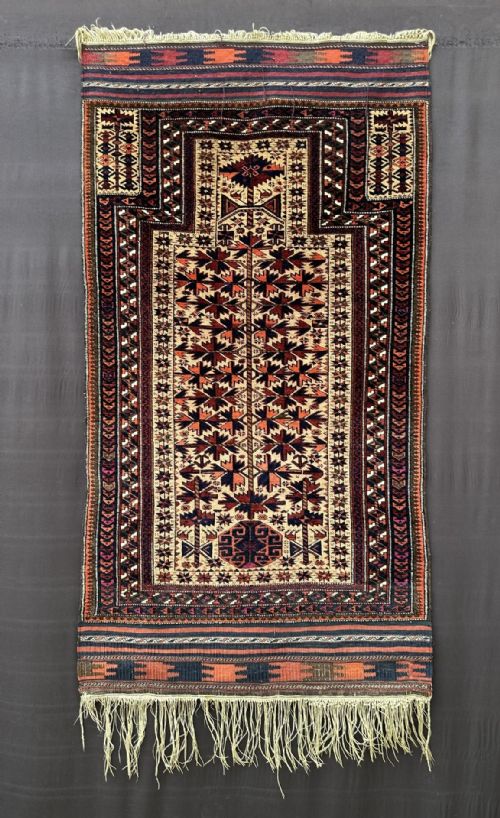
Nomadic and village artisans knotted the pile by hand onto warp and weft threads, finishing the ends with flatweave kilim borders or braided fringes. Mixed technique constructions appear in specific regional subsets.
The combination of locally sourced animal fibres and botanical or mineral colourants accounts for the tactile depth and resilience seen in these antique textiles.
The listings on this page span diverse regions, incorporating Persian tribal, Caucasian, and Anatolian styles alongside Afghan village weavings.
What varies in quality
Quality in a tribal prayer rug rests on the fineness of the knotting, the saturation and clarity of the natural dyes, and the integrity of the wool foundation. Tightly packed piles and balanced proportions distinguish superior weaving from more rustic village output.
The sophistication of the design layout, such as a well-drawn mihrab and intricate border geometries, separates standard examples from exceptional collectors pieces. Original side cordings and complete kilim ends also elevate an example's standing.
Pointers to desirability include uncommon formats, such as double mihrabs or scarce blue and ivory grounds, which demonstrate greater artistic ambition by the weaver.
The Tribal Prayer Rug Glossary
- Mihrab
- The arched niche at one end of a prayer rug that mimics the direction of Mecca. This architectural feature defines the primary devotional focus of the textile.
- Kilim
- A flatwoven textile technique often utilised for the protective end finishes of a pile rug. It prevents the knotted field from unravelling.
- Warp
- The vertical foundation threads stretched tightly on a loom before knotting begins. Wool or cotton strings form this structural grid.
- Weft
- The horizontal threads passed alternately over and under warp threads to secure the knots in place. They determine the firmness of the rug's body.
- Natural Dyes
- Colourants derived from plants, insects, and minerals prior to the invention of synthetic alternatives. They age with a characteristic patina.
Tribal Prayer Rug: Frequently Asked Questions
What is a tribal prayer rug used for?
Historically, a tribal prayer rug served as a clean, portable surface for daily Islamic prayers, with the pointed mihrab indicating the direction of Mecca. Nomadic families also utilised them as personal devotional objects during travels.
Today, collectors and interior designers place them on floors or hang them on walls as decorative textile art, enjoying the rich iconography and historical depth they bring to a room.
How do I identify where a prayer rug was made?
Region of origin is identified through specific combinations of motifs, knotting structures, and colour palettes. For instance, Caucasian pieces often feature bold geometric lattices, while Anatolian examples from regions like Konya or Kirsehir display distinctive floral or architectural mihrab forms.
Border designs and the choice of foundation materials, such as goat hair or hand-spun wool, further assist in separating Afghan and Persian tribal weaving traditions.
How do I live with an antique rug?
Living with these textiles involves placing them in areas with moderate foot traffic to preserve the hand-spun wool pile. Using a quality rug underlay prevents slipping and reduces friction between the foundation and the floor.
Rotating the rug periodically ensures even exposure to light and wear, maintaining the balance of natural dyes and structural integrity over time.