
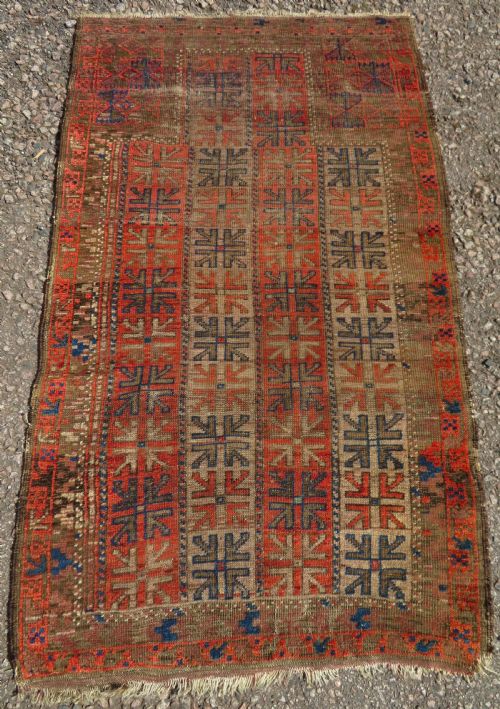
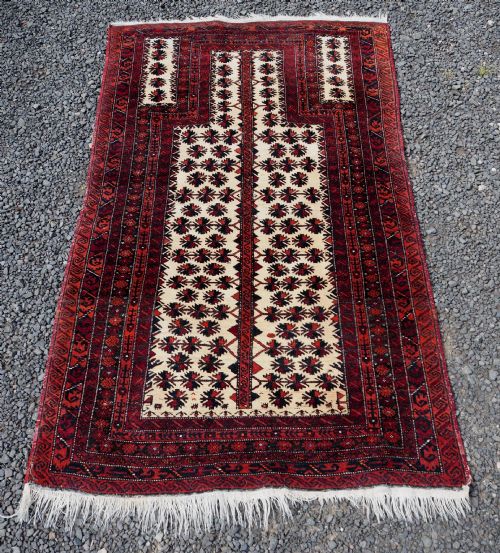
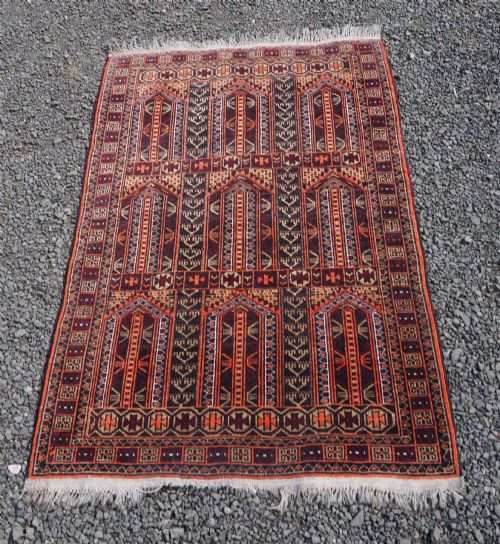
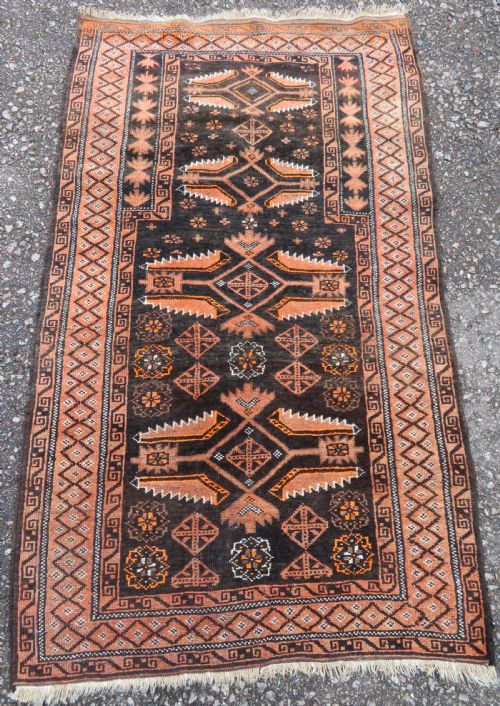
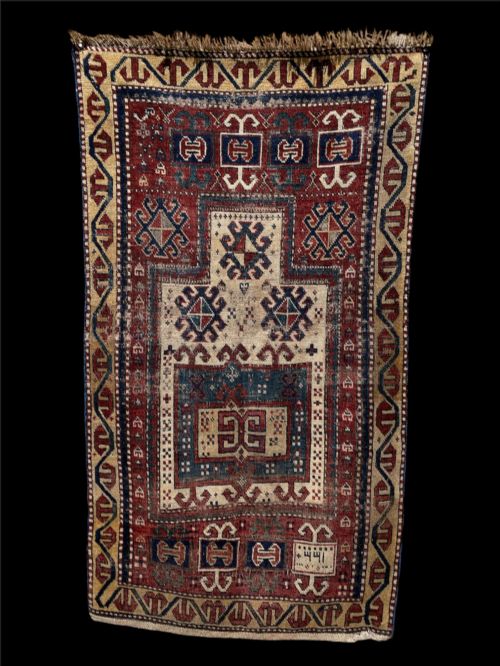
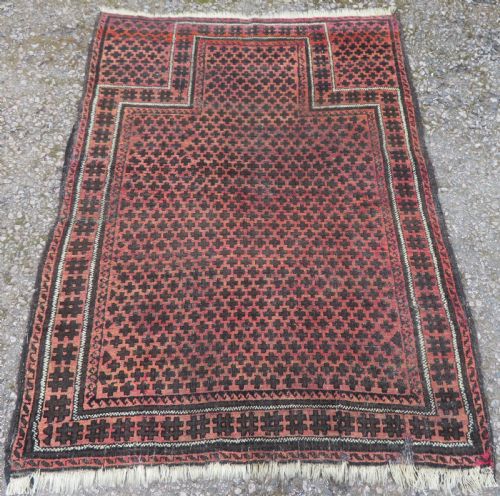


Vintage Prayer Mat
A vintage prayer mat brings centuries of weaving tradition into a room, offering portable art shaped by regional symbolism and daily devotion.
Vintage Prayer Mat
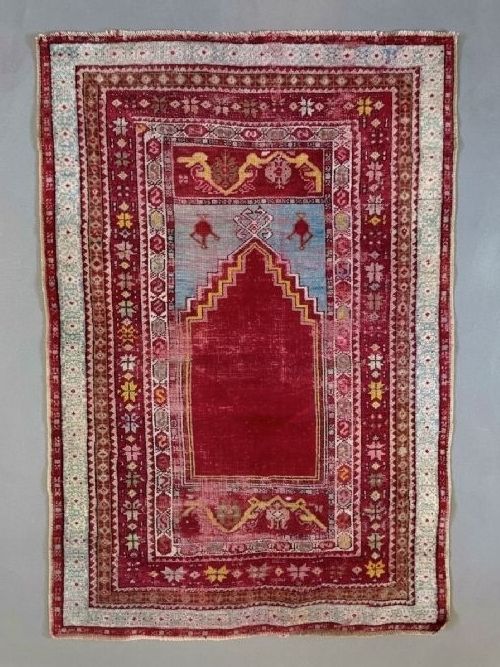
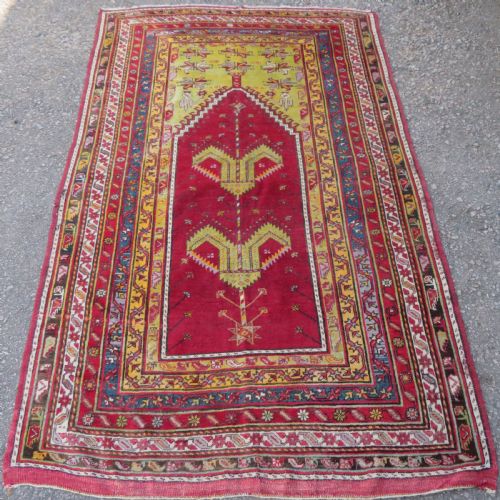
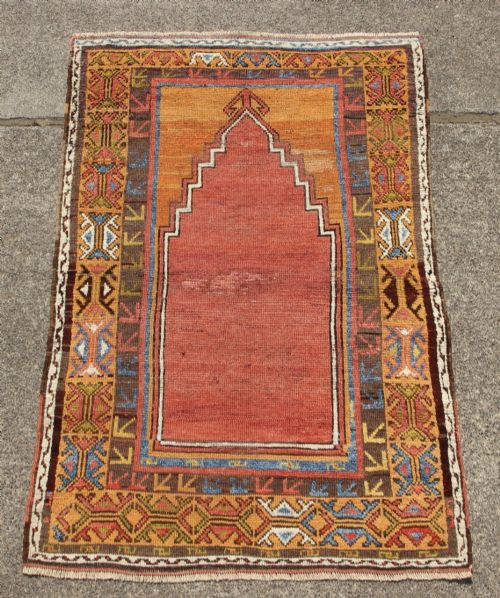
A vintage prayer mat is a portable textile designed for personal worship, identifiable by its distinct architectural niche or mihrab motif that points toward Mecca. These pieces range from tribal village floor coverings to finely worked town pieces created across Anatolia, the Caucasus, and Persia.
Buyers browsing this selection encounter examples originating from nineteenth-century looms up to the early decades of the twentieth century. The formats include classic village weaves from Afghan, Baluch, and Caucasian makers alongside intricate Turkish workshops.
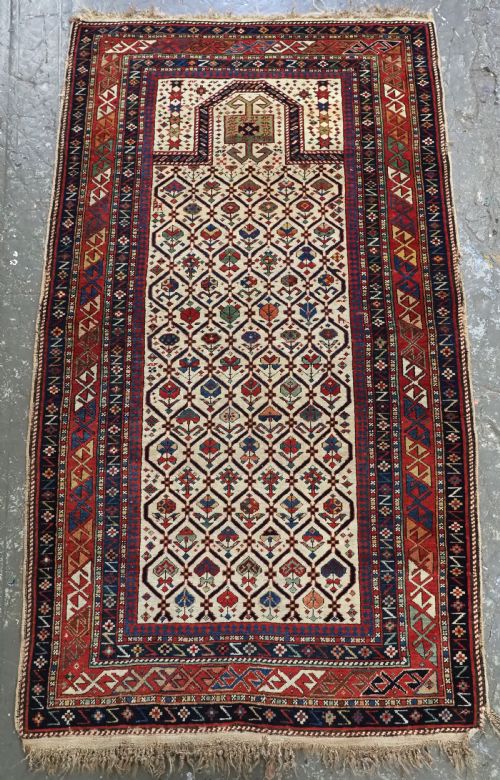
Regional weaving centres dictate the primary structures, resulting in pieces that vary from thick, wool-heavy tribal formats to delicate silk embroidery on cotton grounds. Each surviving rug carries the geometric patterns or floral lattices specific to its cultural origin.
How they were made
Makers constructed these textiles predominantly using hand-spun wool and cotton foundations, often incorporating camel wool for warmth and resilience. Natural dyes provided the deep reds, blues, and ivory grounds that define the palette of older regional weaving.
Certain specialised pieces utilise fine silk threads stitched onto cotton supports, particularly in needlework formats like Suzanis configured in prayer layouts. Weavers tied dense knots or worked flatweave kilim ends to secure the borders against fraying during daily use.
What varies in quality
Quality rests upon the precision of the knotting, the saturation and permanence of natural dye stuffs, and the integrity of the foundational warps and wefts. Tightly packed wool yields a resilient pile that maintains structural definition over generations.
Artistic execution distinguishes standard village production from master workshops, visible in the symmetry of the mihrab design and the balance of secondary borders. The survival of original kilim ends and untouched side selvages indicates superior preservation by previous custodians.
The Vintage Prayer Mat Glossary
- Mihrab
- The arched niche depicted on a prayer mat, designed to be pointed toward Mecca during daily devotions. Its shape often reveals the specific Anatolian or Caucasian district where the weaver lived.
- Knot density
- The number of knots tied per square inch of pile, which dictates both the fineness of the rendered design and the overall durability of the textile.
- Selvage
- The reinforced edges running parallel to the length of the rug, finished to prevent the side cords from unraveling. Original selvages preserve the authentic width set by the weaver.
- Natural dye
- Colour derived from plant, insect, or mineral sources rather than synthetic chemical agents. These dyes yield rich, complex tones that mellow gracefully with age.
- Suzani
- A decorative embroidered textile created with silk thread on a cotton or linen ground, occasionally worked in a devotional format. Originating from Central Asian workshops, they showcase intricate needlework.
Vintage Prayer Mat: Frequently Asked Questions
How do I identify a prayer mat?
The defining feature is the pointed arch or mihrab at one end, which mimics the prayer niche found in a mosque. This focal point directs the eye toward the upper portion of the textile.
Secondary motifs often include rows of floral lattices, lamps, or symbolic combs that reinforce the sacred purpose of the floor covering.
Where were these rugs made?
Production centres span across Anatolia, the Caucasus, Persia, and Afghanistan, with distinct tribal groups and towns developing recognizable regional motifs. Anatolian and Caucasian examples frequently utilise bold geometric patterns.
Persian and Central Asian versions tend toward finer floral arrangements or specialised needlework formats like Suzanis on cotton grounds.
How should I care for a vintage mat?
Gentle, regular vacuuming without a rotating brush prevents dust accumulation within the wool pile. Keeping the textile away from direct, harsh sunlight protects natural dyes from fading.
Professional specialist cleaning is recommended for older wool and silk pieces to maintain the integrity of the natural fibres.