
Terracotta Tribal Area Rug
These terracotta tribal area rug examples bring earthy warmth and rich village weaving traditions into modern interiors.
Terracotta Tribal Area Rug
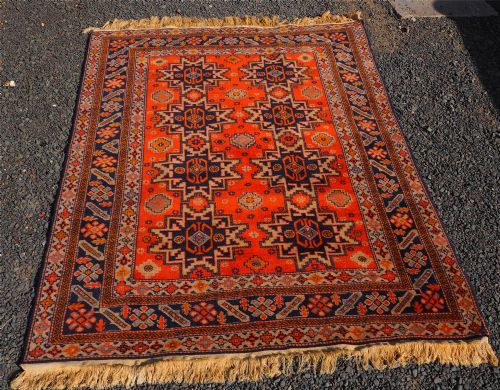
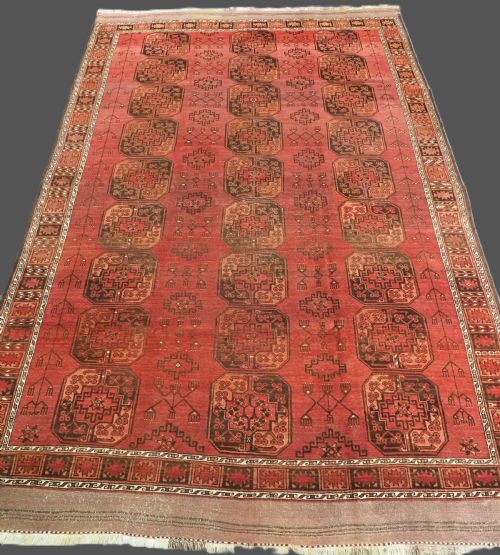
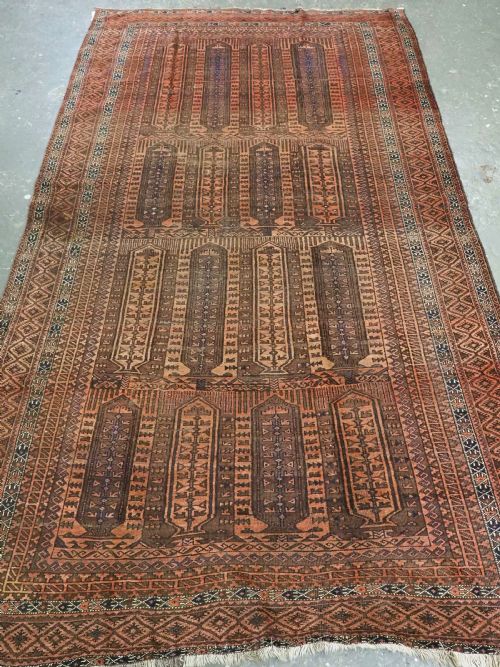
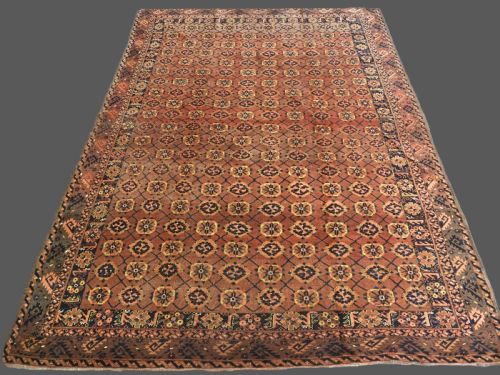
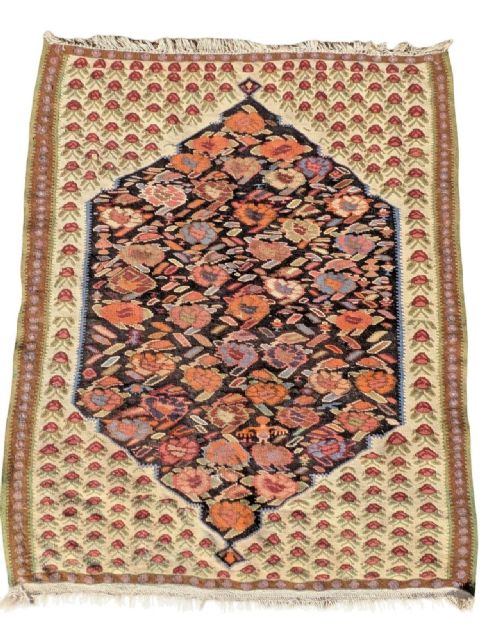
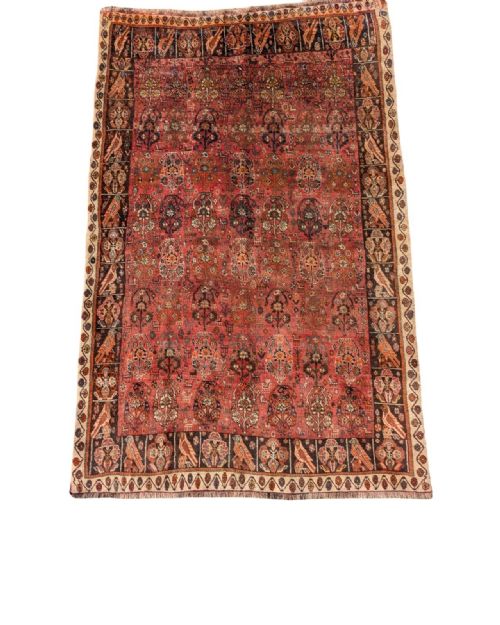
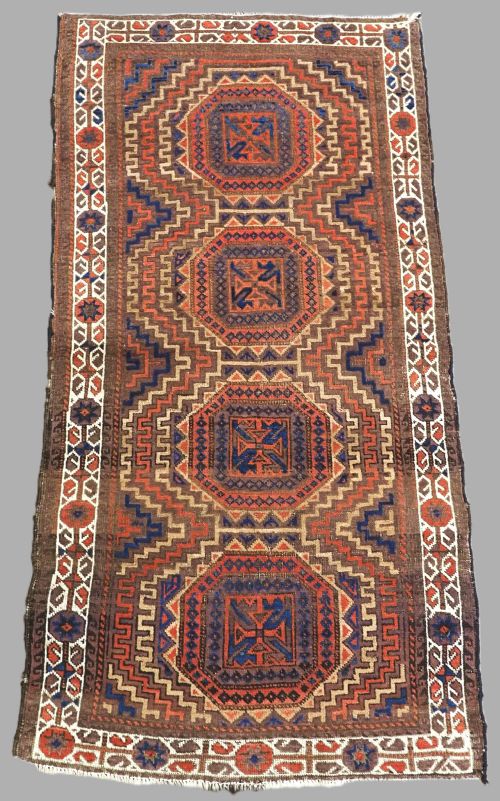
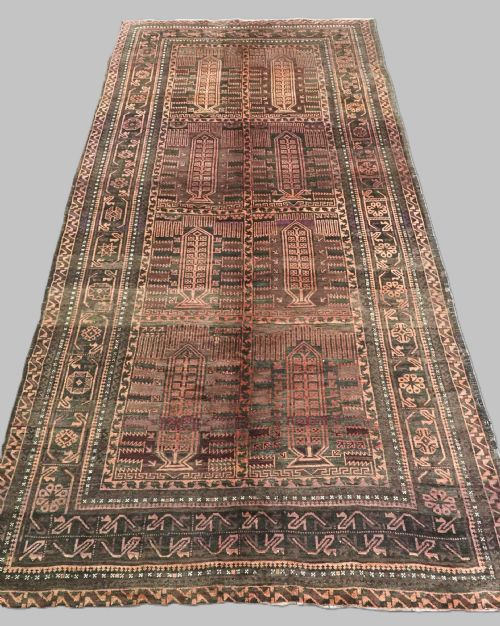
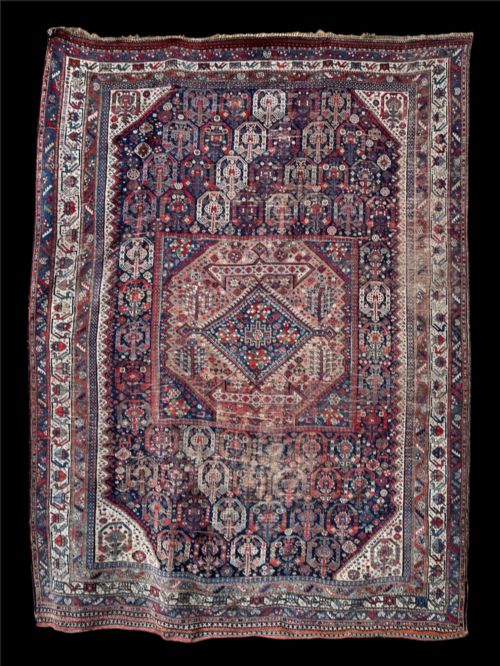
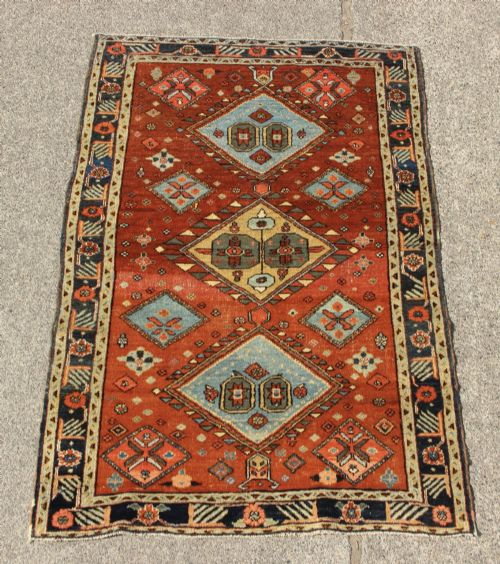
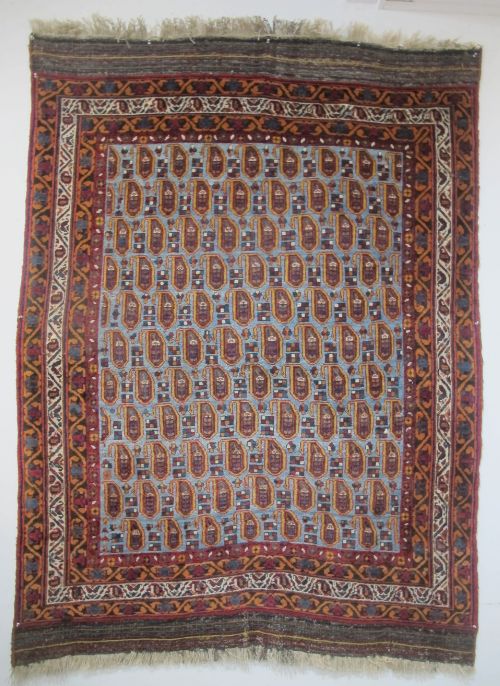
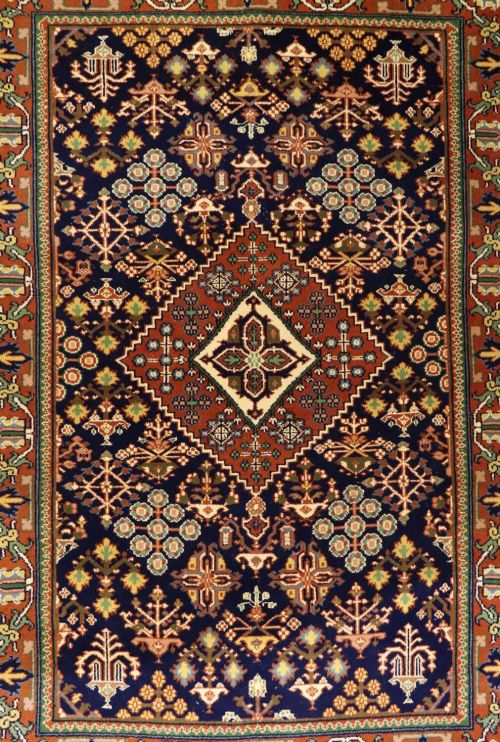
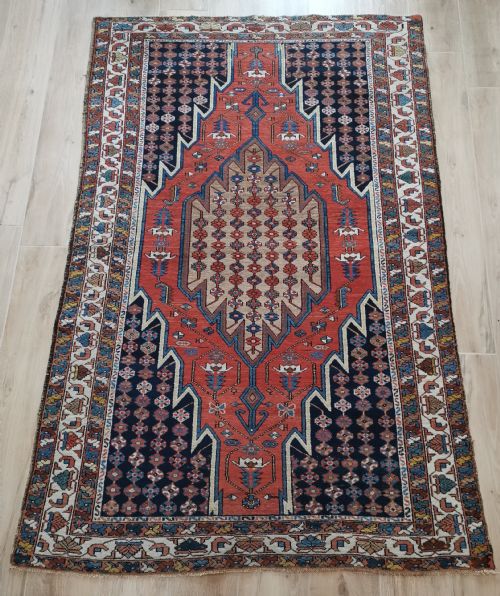
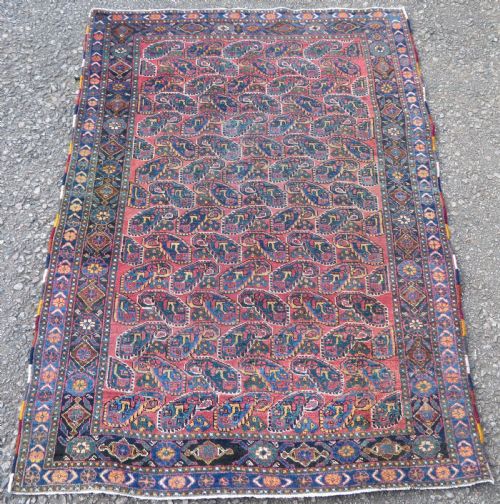
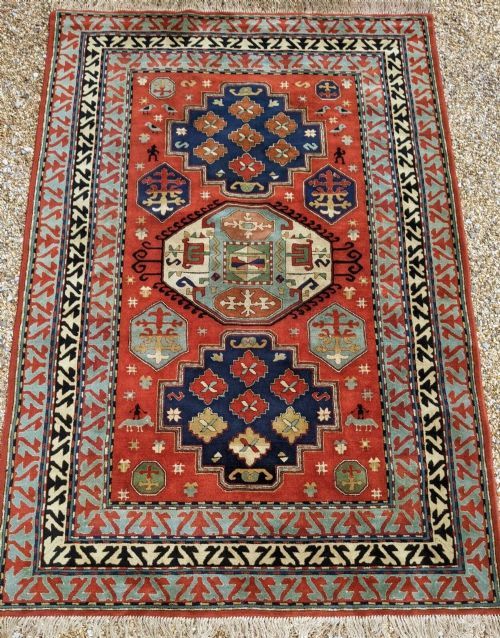
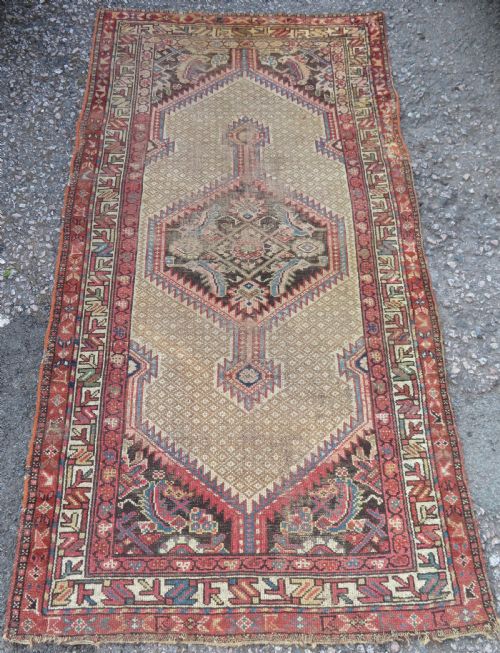
When you search for a terracotta tribal area rug, you encounter hand-knotted village and nomadic textiles from regions including Persia, the Caucasus, and Afghanistan. These floor coverings display bold geometric medallions, repetitive boteh motifs, and distinctive guls woven by generational artisans.
The pieces available span from the late nineteenth century through to the early decades of the twentieth century. They encompass smaller accent formats, larger main carpets, and specialised prayer rugs designed for domestic spaces and tribal use.
Materials and construction
Weavers utilised durable sheep wool for the pile, often combined with cotton foundations for stability and longevity. Certain nomadic pieces also incorporate camel hair within the pile or borders for natural colour variation.
Artisans achieved the characteristic palette using natural dyes derived from local plants and minerals, resulting in rich terracotta and earthy tones that age gracefully.
Terracotta Tribal Area Rug Retail Price Guide 2026
Typical asking prices for terracotta tribal area rug among the pieces listed under this phrase on Sellingantiques today, from the lower quarter to the upper quarter. They describe what is for sale here now, not the wider market.
Nomadic weavers sometimes intentionally introduced small asymmetrical errors into geometric borders to ward off the evil eye.
Judging the weave and wool
Quality rests upon the tightness of the knotting and the fineness of the wool used in the pile. A denser knot count allows for sharper definition in geometric patterns and better structural endurance under foot.
The depth and clarity of the natural dyes also separate standard village weaving from superior workshop production. Master dyers created terracotta shades with subtle tonal shifts that develop a richer patina over decades of wear.
The Terracotta Tribal Area Rug Glossary
- Gul
- A repeating octagonal medallion motif frequently found in Turkmen and Baluch tribal carpets. It often denotes specific tribal lineages and family clans.
- Boteh
- A stylized floral or almond-shaped motif representing a sprouting seed or cypress tree. This ancient design appears across Persian and Caucasian weaving traditions.
- Kilim
- A flat-woven carpet produced without a pile by tightly interweaving warp and weft strands. These pieces offer lighter weights and sharp geometric graphics.
- Kapunuk
- An ornamental tent-door hanging produced by Turkmen tribes. These specialised textiles framed the entrances of nomadic dwellings.
- Warp
- The vertical foundation threads stretched tightly on the loom before knotting begins. Cotton and wool form these structural pillars of the carpet.
Terracotta Tribal Area Rug: Frequently Asked Questions
How do I identify a tribal rug?
Tribal rugs typically feature geometric patterns, stylized animal motifs, and spontaneous colour changes woven by nomadic or village communities rather than urban workshops.
These pieces often display slight asymmetries in design and border alignment, reflecting the individual weaver's hand rather than a strict commercial cartoon.
What is a prayer rug?
A prayer rug is a smaller format textile featuring a distinct mihrab or arched design at one end. Weavers designed these pieces to indicate the direction of prayer in domestic settings.
They often served personal or devotional functions and display intimate craftsmanship in their detailed borders and central fields.
Are these rugs durable for daily use?
Hand-knotted wool and cotton construction provides exceptional resilience for everyday foot traffic in living rooms and hallways. Natural lanolin present in vintage wool naturally resists dirt and wear.
Using a quality underlay protects the foundation threads and prevents slipping on hard flooring surfaces.
How should I clean my antique rug?
Gentle surface vacuuming without a beater bar removes loose grit and dust from the wool pile. Professional specialist cleaning remains essential for deep washing to protect natural dyes.
Avoiding harsh chemical detergents preserves the integrity of the antique wool and prevents dye bleeding.