




Antique Oriental Floor Carpet
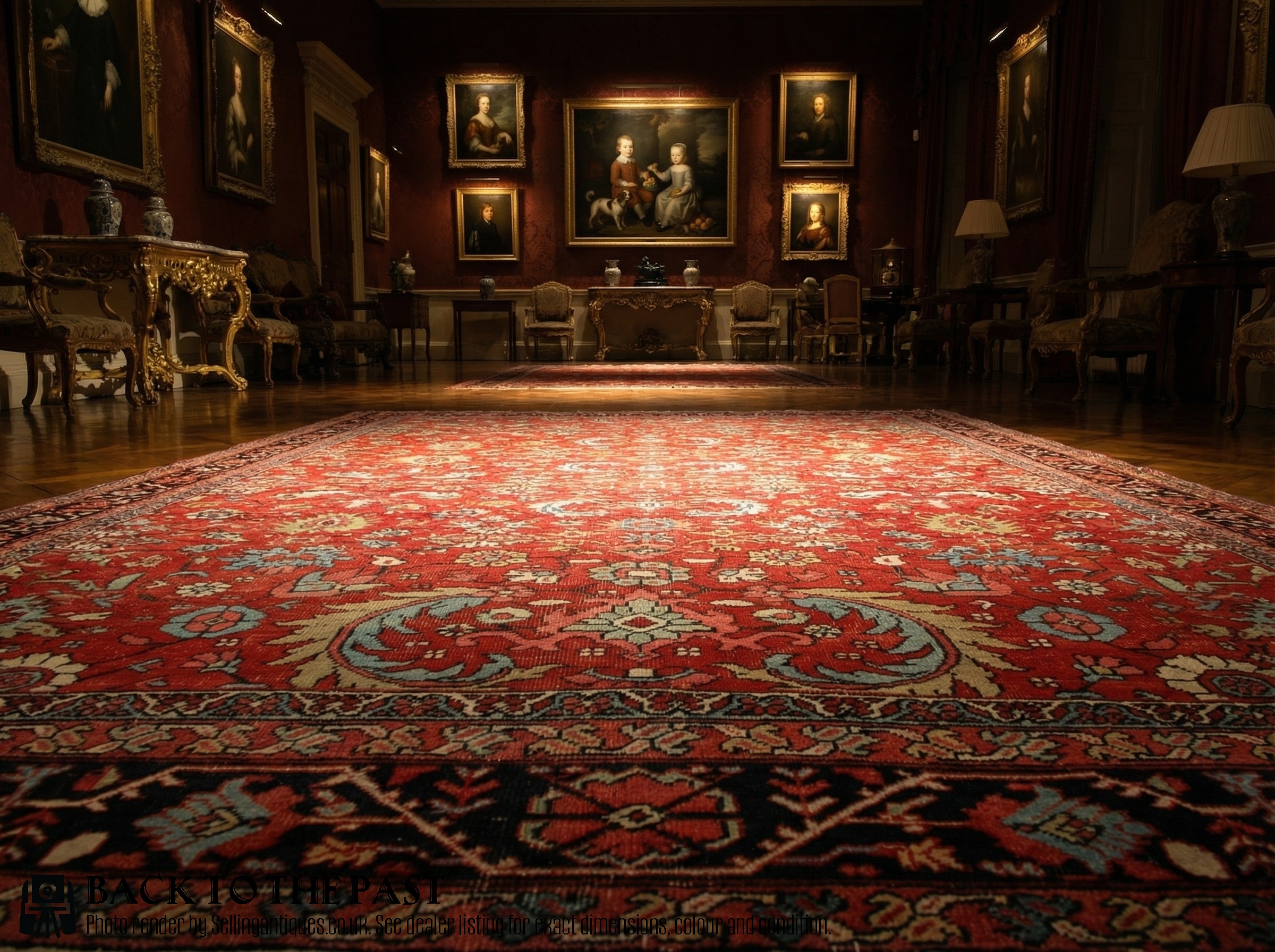
An antique oriental floor carpet brings history into a room through rich wool, cotton and silk weaves crafted across Persia, India and Turkey.
Antique Oriental Floor Carpet
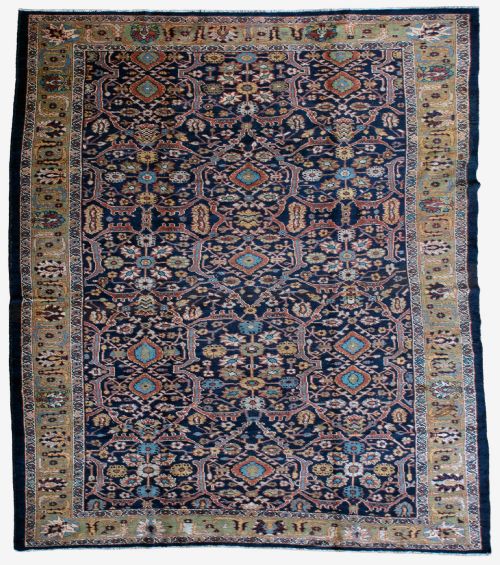
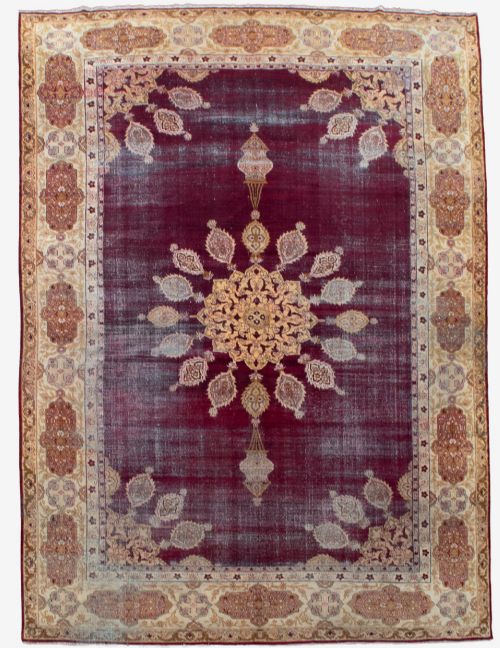
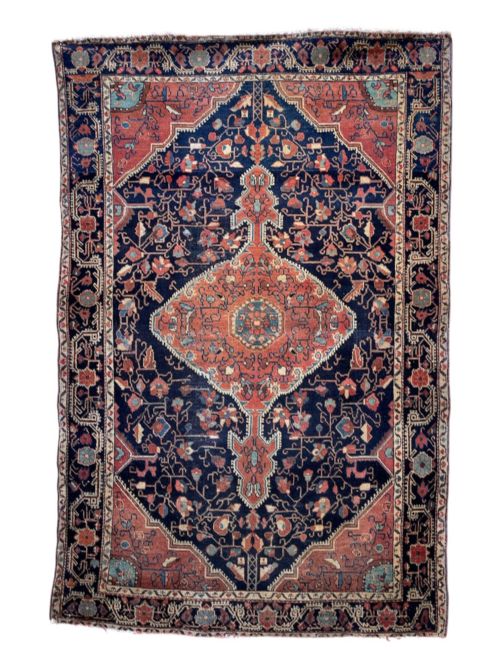
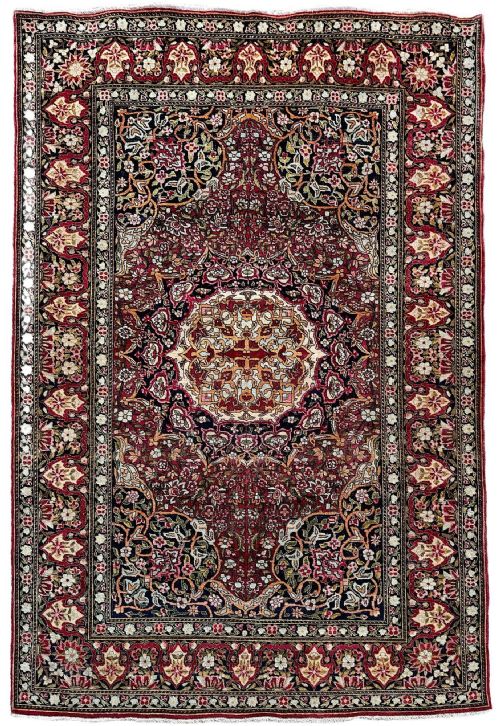
When you search for an antique oriental floor carpet, you are looking at woven textiles produced across Persia, India and Turkey during the nineteenth and early twentieth centuries. These floor coverings served functional purposes in homes and palaces alike, displaying traditional motifs and tribal patterns that have survived for generations.
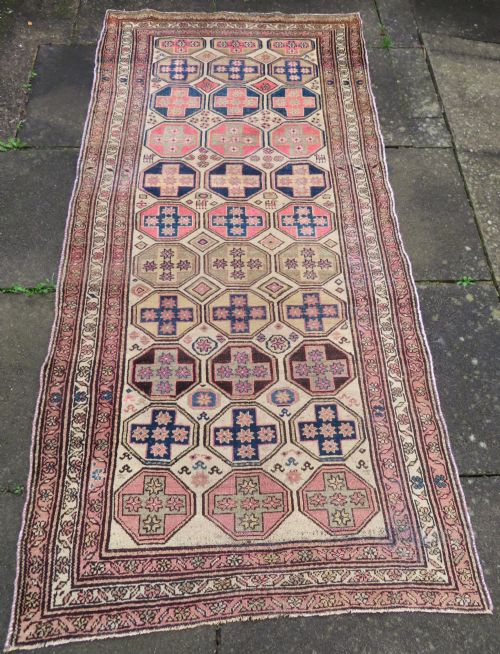
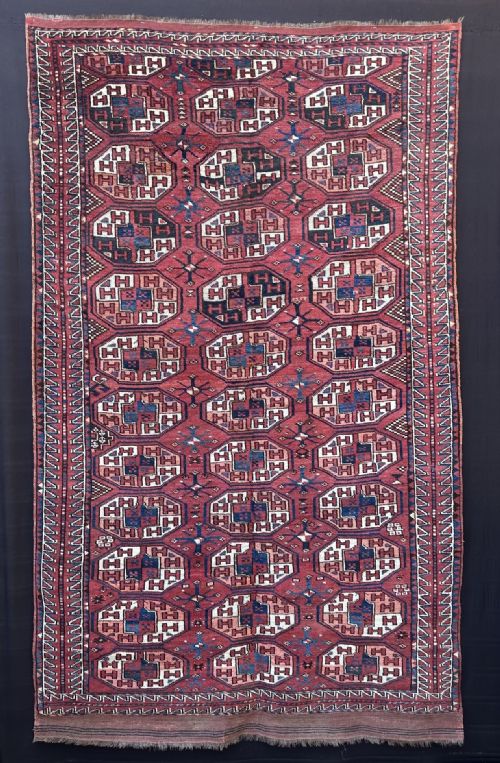
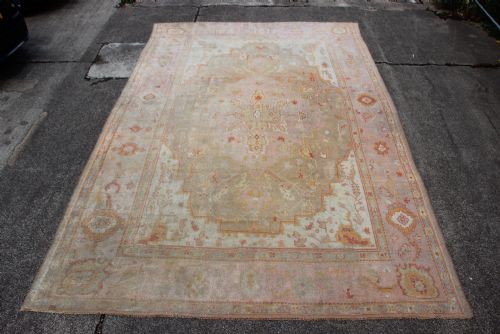
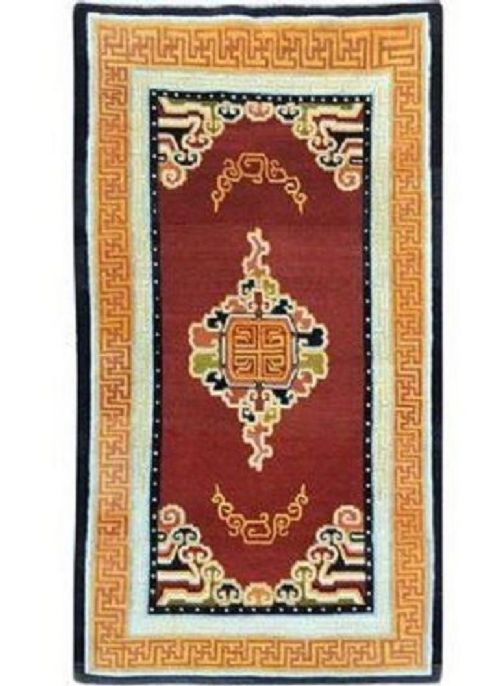
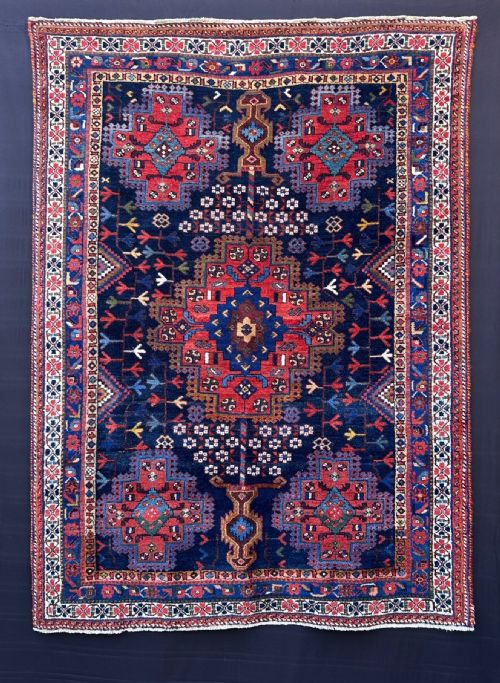
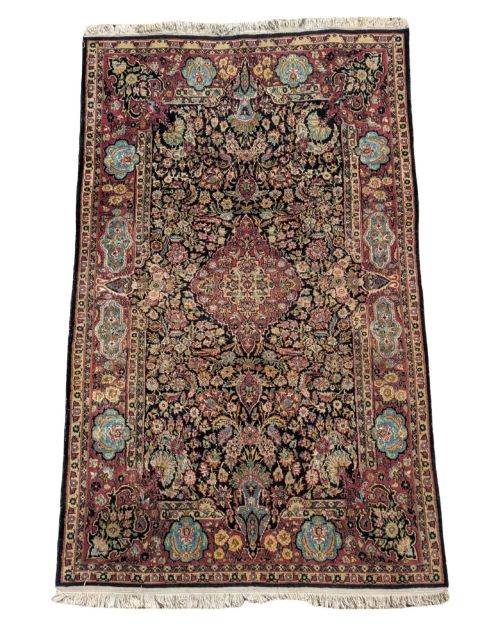
The pieces you are most likely to meet on this page include room-sized carpets from Heriz and Serapi alongside smaller tribal rugs originating from weavers in regions such as Qashqai, Khamseh and Baluch. Gallery carpets and village rugs also appear frequently among these listings.
Dating across the selection spans from the nineteenth century up to the nineteen-thirties, encompassing both grand workshop productions and nomadic tribal work. Materials vary between wool, cotton and silk, reflecting the distinct regional traditions of their makers.
Materials and construction
Weavers constructed these carpets predominantly using wool, cotton and silk fibres, spun by hand and dyed to create lasting colour palettes. Cotton frequently formed the sturdy foundation threads of warp and weft, while wool and silk provided the plush pile surface.
Knotting techniques varied by region and workshop, allowing makers to produce both fine city carpets with dense piles and coarser tribal rugs with robust structures. These traditional methods ensured the textiles could withstand decades of heavy floor use.
Antique Oriental Floor Carpet Retail Price Guide 2026
Typical asking prices for oriental floor carpet among the pieces listed under this phrase on Sellingantiques today, from the lower quarter to the upper quarter. They describe what is for sale here now, not the wider market.
Current listings feature nineteenth and early twentieth-century pieces spanning the nineteenth century, 1880, 1890, 1900, 1920 and 1930.
Judgements of quality
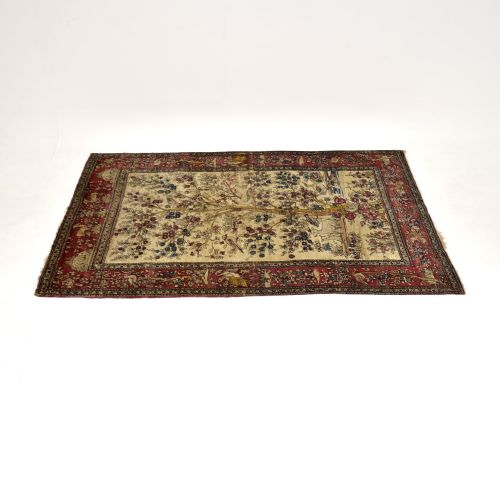
Quality in these carpets rests upon the finesse of the weave, the integrity of the materials and the precision of the design execution. City workshops in locations like Bidjar and Agra often achieved a tighter knot count and more symmetrical floral layouts than smaller village productions.
The depth and harmony of the dyes also distinguish finer examples, as natural colour sources yielded rich, varied tones that aged gracefully. Tribal pieces from Qashqai or Baluch makers derive their appeal from expressive local geometry and spontaneous design variations rather than strict symmetry.
Mahdad Khani Baluch
The Antique Oriental Floor Carpet Glossary
- Warp
- The vertical threads stretched tightly on the loom that form the structural foundation of the carpet. Fringe ends typically reveal these foundational threads.
- Weft
- The horizontal threads passed across the warp strands to hold the knots in place. Together, warp and weft create the grid of the textile.
- Pile
- The cut ends of yarn that stand upright from the foundation to form the usable surface of the carpet. Pile height varies depending on whether the piece is a fine city carpet or a thick tribal rug.
- Medallion
- A prominent central ornamental design motif found on many Persian and oriental carpets. It often anchors the geometric or floral composition of the field.
- Serapi
- A specific style of Heriz carpet known for large-scale geometric medallions and balanced, spacious layouts. These nineteenth-century pieces are prized for their monumental design sensibility.
Antique Oriental Floor Carpet: Frequently Asked Questions
How do I care for an antique oriental floor carpet?
Protect your carpet by placing it in low-traffic areas away from direct sunlight to preserve the natural dyes in the wool and silk fibres. Regular gentle vacuuming without a rotating brush roll prevents dust accumulation in the pile.
Rotate the carpet periodically to ensure even wear across the surface. Professional cleaning tailored to antique textiles should be employed when deep maintenance is required.
Can these carpets handle daily foot traffic?
Traditional construction using sturdy wool and cotton materials makes these textiles resilient enough for daily use in living spaces. Placing a quality underlay beneath the carpet prevents slipping and cushions the fibres against hard floors.
Heavier traffic areas suit dense workshop carpets from regions like Bidjar or Heriz, which were built specifically for durability. Lighter silk or fine nomadic pieces benefit from more protected placement.
How do I tell tribal rugs from city carpets?
Tribal rugs created by nomadic groups like the Qashqai or Baluch typically feature asymmetrical, memory-driven geometric patterns and vibrant local motifs. Their structures tend to be more rustic and direct.
City carpets from centres such as Agra, Qum or Serapi display formal, highly planned floral compositions with consistent knotting and refined curves. These workshop pieces reflect urban artistic traditions rather than tribal folklore.
What periods do these carpets cover?
The listings span from the nineteenth century through the early decades of the twentieth century, including pieces dated around eighteen-eighty, eighteen-ninety and nineteen-thirty. This range captures the shift from nineteenth-century traditional weaving to early twentieth-century production.
Dating relies on stylistic analysis, material characteristics and regional weaving history rather than precise documentation. Each era displays distinct shifts in colour preference and structural fineness.