





Blue Wool Hallway Runner
A blue wool hallway runner brings hand-knotted tribal pattern and enduring floor warmth to a narrow passage.
Blue Wool Hallway Runner
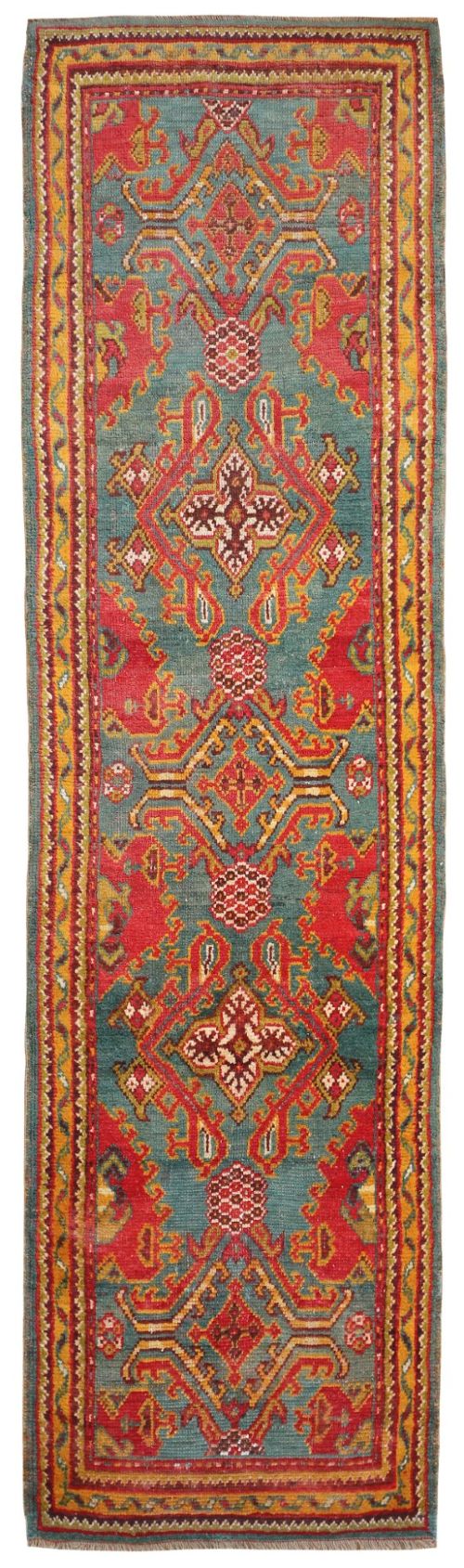
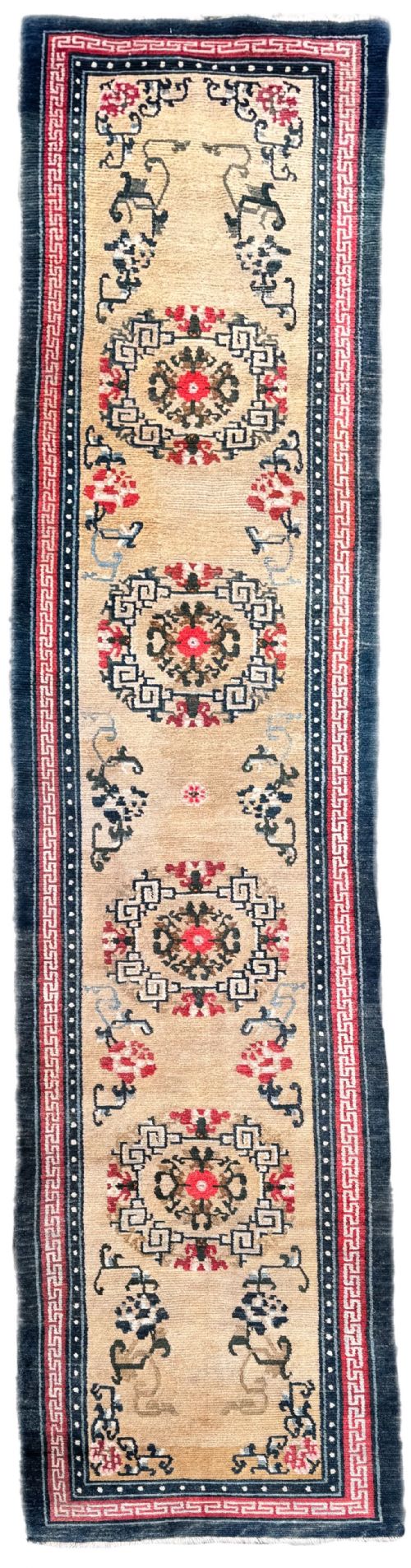
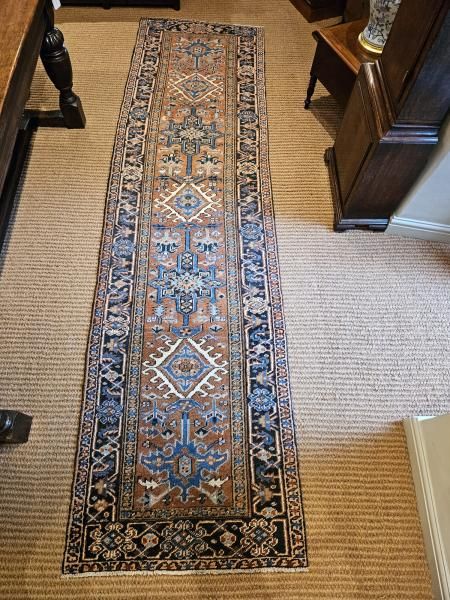
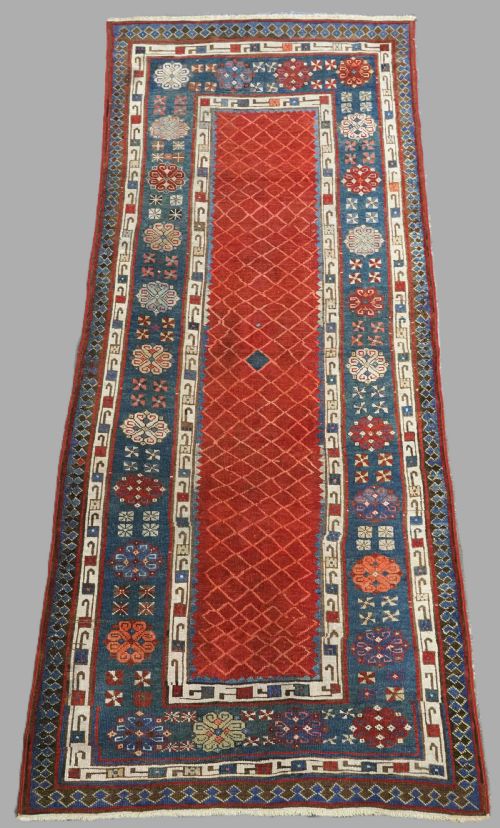
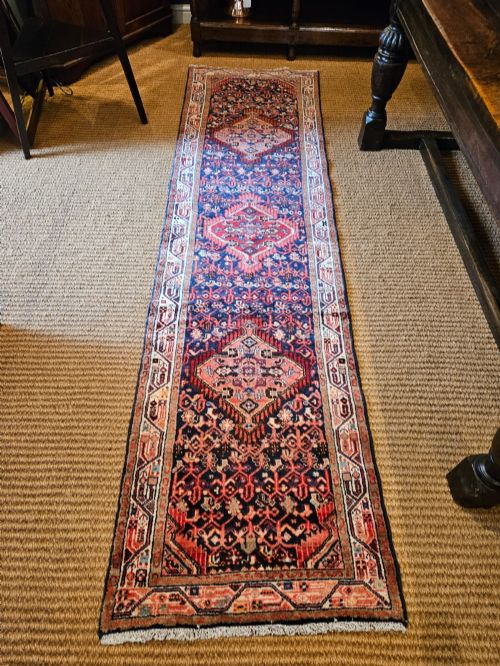
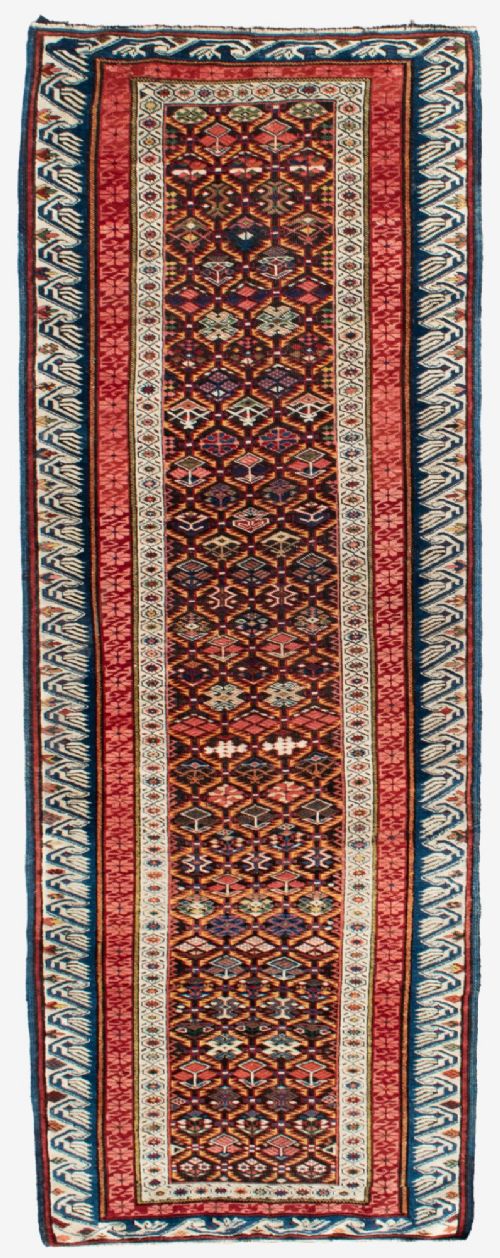
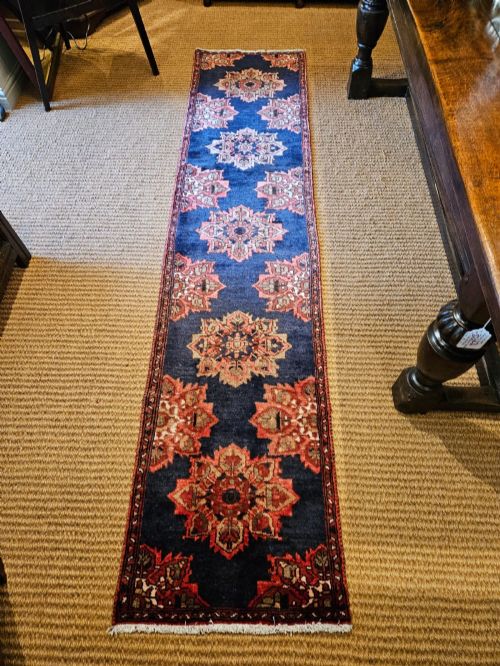
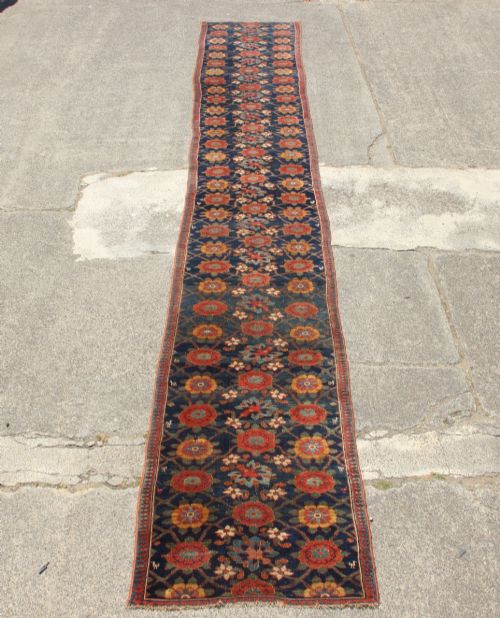
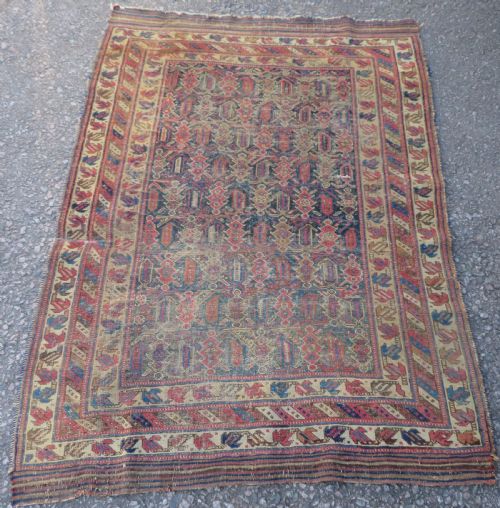
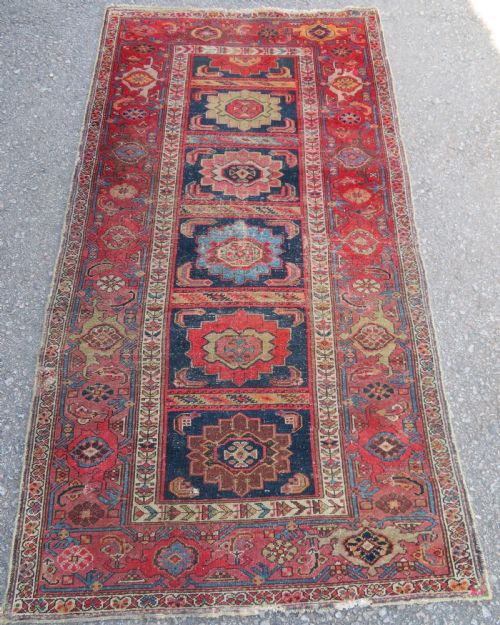
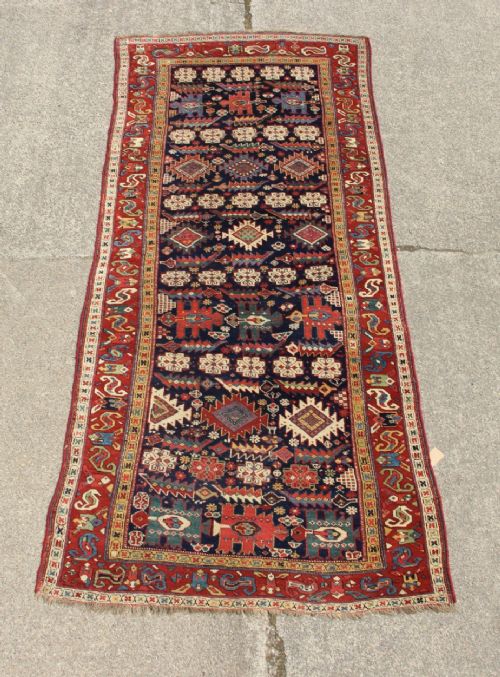
A blue wool hallway runner provides a durable and decorative floor covering tailored for narrow domestic spaces and long corridors. When searching for a blue wool hallway runner, buyers encounter antique tribal pieces originating from Kurdish, Persian, and Caucasian weaving traditions. These textiles span the nineteenth and early twentieth centuries, offering traditional Persian aesthetics alongside tribal designs.
The selections available here include long narrow runners, pairs of matching runners, and complex garden design formats. You will most frequently meet Kurdish and Veramin types featuring stylised botanical motifs such as the Mina Khani pattern. Lengths vary significantly, stretching from standard hallway proportions to exceptional six-metre formats woven with wool pile on cotton foundations.
Materials and construction
These floor coverings utilise natural wool for the hand-knotted pile, providing resilience and a dense texture beneath the foot. The underlying structural foundation relies on cotton warp and weft threads, supporting the dense knotting typical of tribal workshops.
Weavers employed traditional natural and early synthetic dyes to achieve deep blue colourways, which form the primary field or border tones. The knotting technique secures the wool pile firmly to the cotton grid, ensuring the runner withstands heavy foot traffic in domestic corridors.
Blue Wool Hallway Runner Retail Price Guide 2026
Typical asking prices for blue wool hallway runner among the pieces listed under this phrase on Sellingantiques today, from the lower quarter to the upper quarter. They describe what is for sale here now, not the wider market.
One exceptionally long runner stretches past twelve metres, requiring a very committed hallway indeed.
Assessing quality and craftsmanship
Quality in these woven runners is determined by the precision of the knot density and the crispness of the tribal motifs. Finer examples display intricate Mina Khani patterns and balanced garden layouts executed with disciplined symmetry.
The depth and saturation of the blue dye further separate standard examples from superior pieces, alongside the structural integrity of the cotton foundation and wool pile. Longer formats maintaining straight edges and uniform width across several metres demonstrate superior initial weaving skill.
The Blue Wool Hallway Runner Glossary
- Runner
- A long, narrow carpet designed specifically for corridors, hallways, and stairs. These pieces balance architectural length with manageable width.
- Pile
- The upright yarn loop or cut fibre that forms the soft surface of a rug. In these pieces, the pile is woven from durable wool.
- Mina Khani
- A traditional repeating geometric floral pattern featuring stylised blossoms connected by a lattice network. This motif appears frequently in Kurdish and Persian weaving.
- Warp
- The vertical foundation threads stretched tightly on the loom before knotting begins. Cotton warps provide stability to the finished textile.
Blue Wool Hallway Runner: Frequently Asked Questions
How do I choose the right length for my hallway?
Measure your corridor length while leaving an equal margin of exposed wooden floor or stone visible at both ends. Consider whether you need a single continuous long piece or a matching pair.
Verify the maximum width your doors require to swing freely over the wool pile without catching. Narrow formats are particularly suited to confined landings and tight passages.
Where were these tribal runners made?
These textiles originate from weaving communities across Kurdish regions, Persia, and the Caucasus during the nineteenth and early twentieth centuries. Tribal weavers produced them in nomadic or village workshops for domestic utility and trade.
Design vocabulary often reflects the specific heritage of the weavers, incorporating regional geometric symbols and botanical interpretations into the blue field.
How do I care for an antique wool runner?
Vacuum the rug gently using suction only, avoiding rotating brush bars that can pull at the wool pile. Professional cleaning is recommended for antique textiles to protect natural dye stability.
Position a suitable underlay beneath the runner to prevent slippage on hard flooring and reduce friction between the cotton foundation and the floor.