

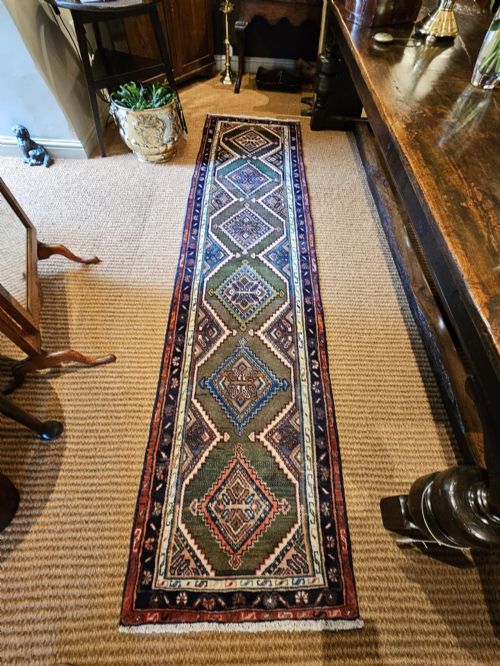


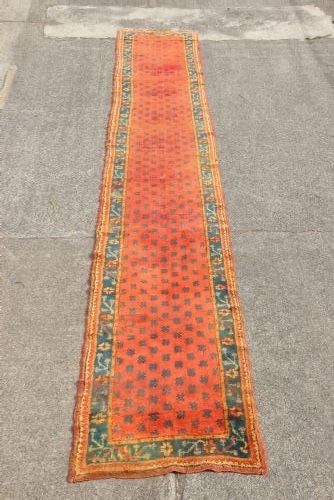

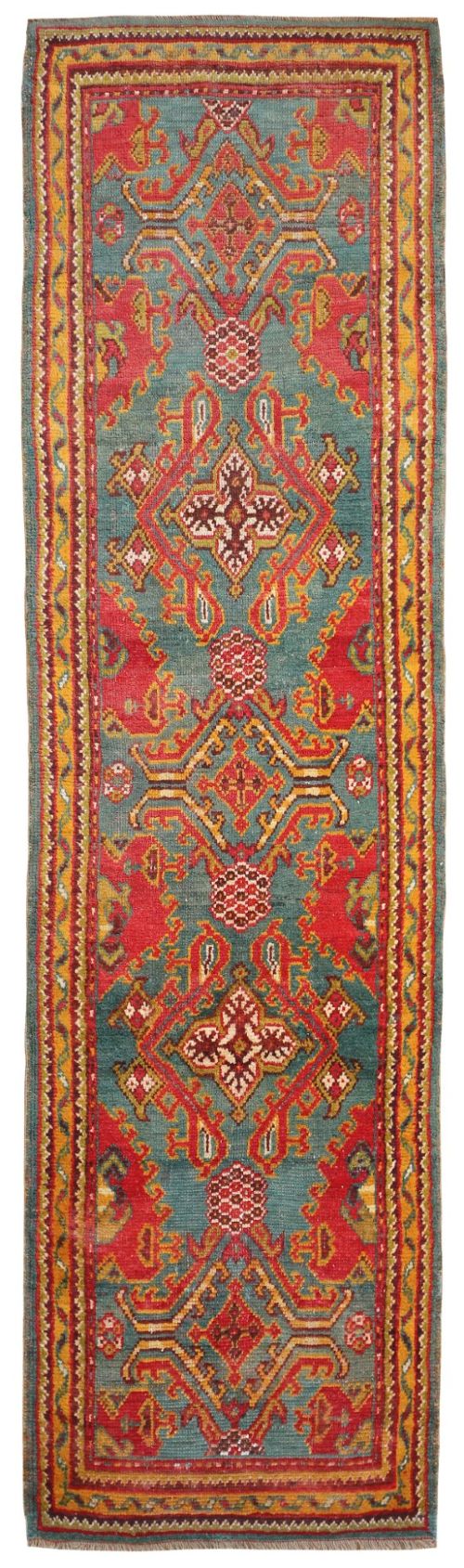
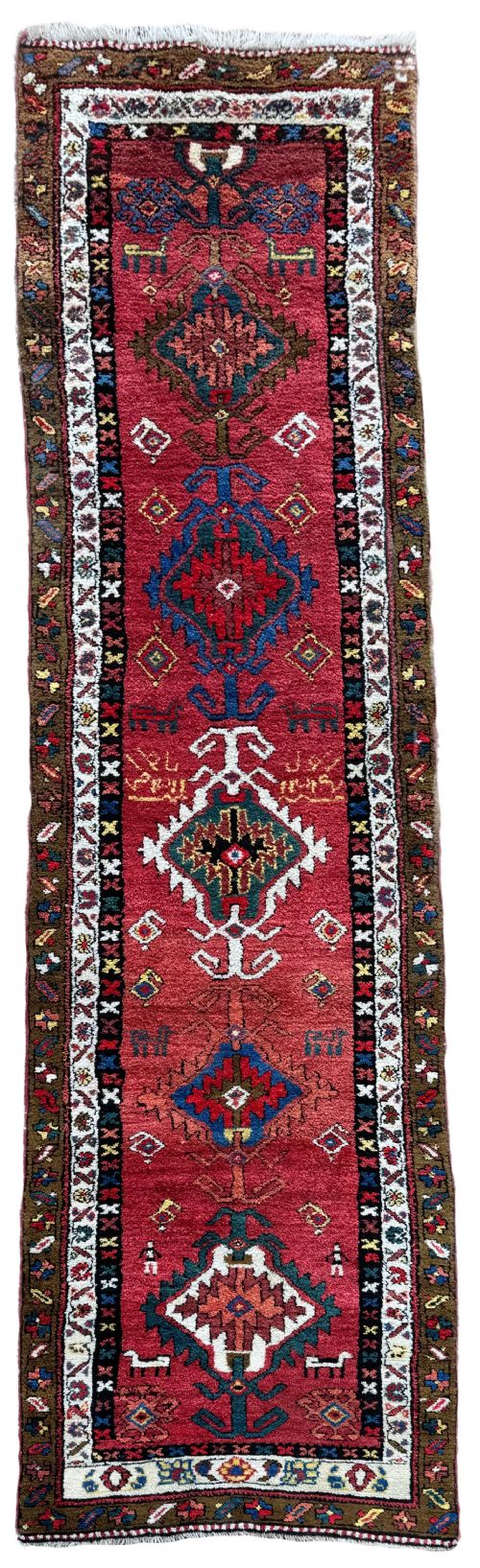

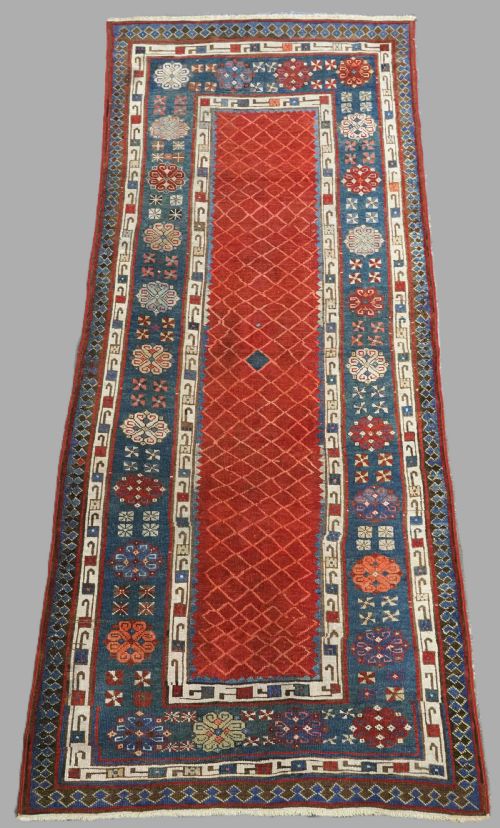

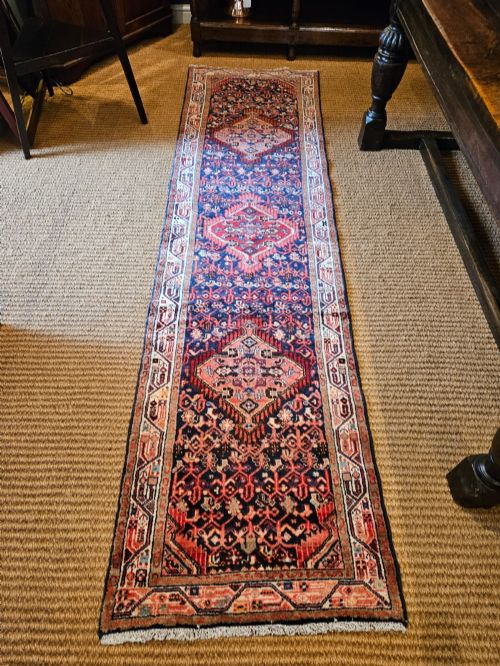
Vintage Hallway Carpet
These vintage hallway carpet runners bring enduring tribal warmth and distinct geometry to narrow spaces.

Vintage Hallway Carpet
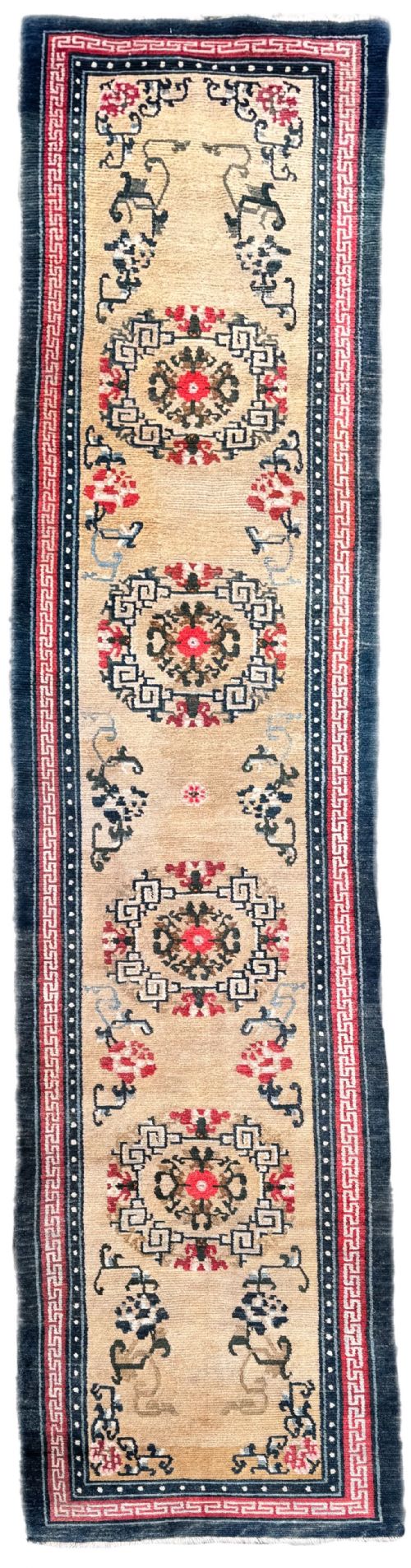
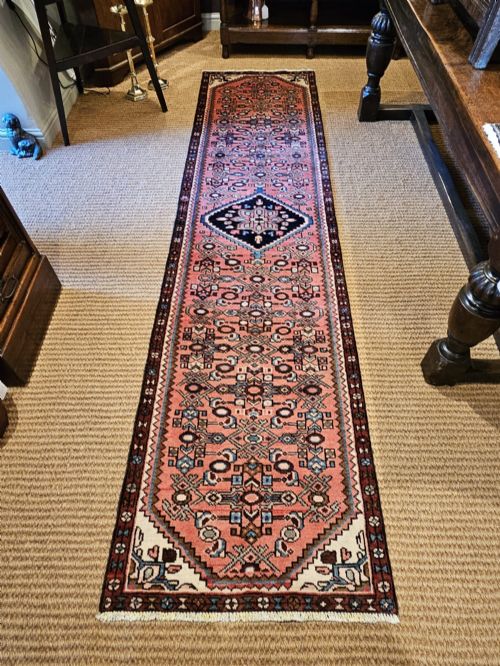
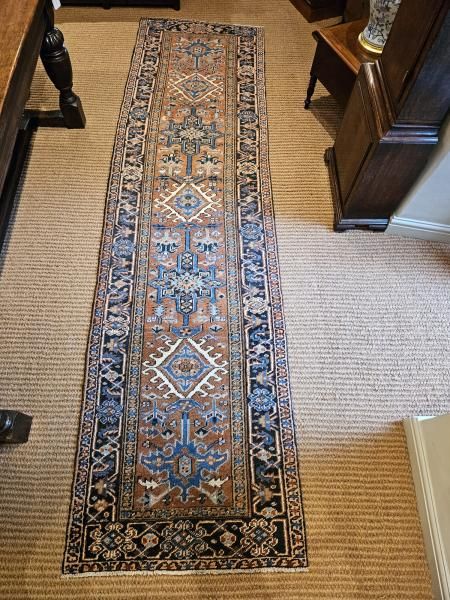
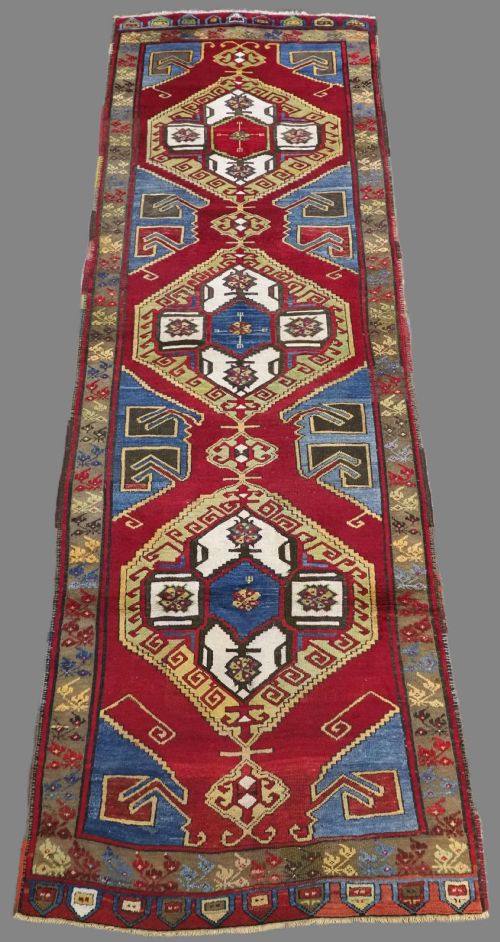
A vintage hallway carpet typically takes the form of a long runner, designed specifically to traverse corridors and narrow passages with durable textile artistry. These pieces span production dates from the late nineteenth century through to the 1920s, capturing diverse regional weaving traditions.
The selections available here showcase distinct tribal and traditional Persian, Anatolian, and Caucasian origins. Shoppers will frequently encounter narrow formats such as Hamadan, Heriz, Karaja, Shirvan, and Kurdish examples.
Forms range from intact long runners exceeding four metres to fascinating historical fragments. Each item serves practical domestic circulation while displaying authentic period craftsmanship.
How they were made
Weavers constructed these vintage hallway carpet examples primarily using traditional wool and cotton materials. Wool pile provides the necessary resilience for high-traffic corridors, whilst cotton often forms the stable foundational warp and weft structure.
Generation-old regional techniques dictated the distinct knotting patterns and geometric motifs seen across Persian and Caucasian workshops. Artisans utilised durable natural materials to ensure these narrow floor coverings endured decades of heavy domestic use.
Vintage Hallway Carpet Retail Price Guide 2026
Typical asking prices for vintage hallway carpet among the pieces listed under this phrase on Sellingantiques today, from the lower quarter to the upper quarter. They describe what is for sale here now, not the wider market.
What varies in quality
Quality in a vintage hallway carpet rests upon the integrity of the weave, the density of the wool, and the preservation of the original format. Intact long runners demonstrate superior structural survival compared to fragments like the Caucasian Shirvan piece.
Refinement in design execution separates standard utility pieces from exceptional village productions such as Heriz or Karaja runners. The clarity of geometric tribal motifs and the balanced proportion of narrow dimensions dictate overall aesthetic distinction.
The Vintage Hallway Carpet Glossary
- Runner
- A long, narrow carpet format specifically proportioned for corridors, hallways, and passages.
- Fragment
- A surviving portion of an older textile where sections have worn away or been deliberately separated over time.
- Heriz
- A Persian style known for bold geometric medallions and robust village craftsmanship.
- Karaja
- A regional village weaving tradition characterised by distinct geometric patterning and balanced colour palettes.
- Hamadan
- A prolific Persian production centre encompassing numerous surrounding villages that created durable utility rugs.
Vintage Hallway Carpet: Frequently Asked Questions
Where should I place a runner?
These narrow textiles suit hallways, corridors, and galleys where floor protection and visual warmth are necessary.
Their elongated proportions bridge rooms whilst adding distinct character to transit spaces.
How do I measure for a hallway?
Measure the clear floor space of your corridor, leaving an even border of exposed wood or tile on all sides.
Account for door clearances so the textile does not obstruct the swing of interior doors.
What materials make these rugs?
Traditional examples rely on durable wool pile knotted onto sturdy cotton foundations.
This combination provides both underfoot comfort and long-term resilience against heavy foot traffic.
Are tribal rugs durable?
Tribal and village runners were built for demanding daily use in pastoral and domestic settings.
Dense wool construction ensures they withstand decades of passage when properly maintained.