





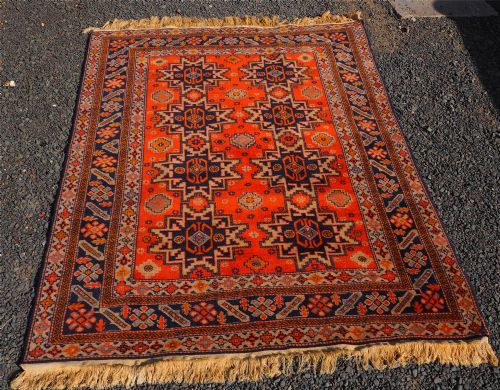
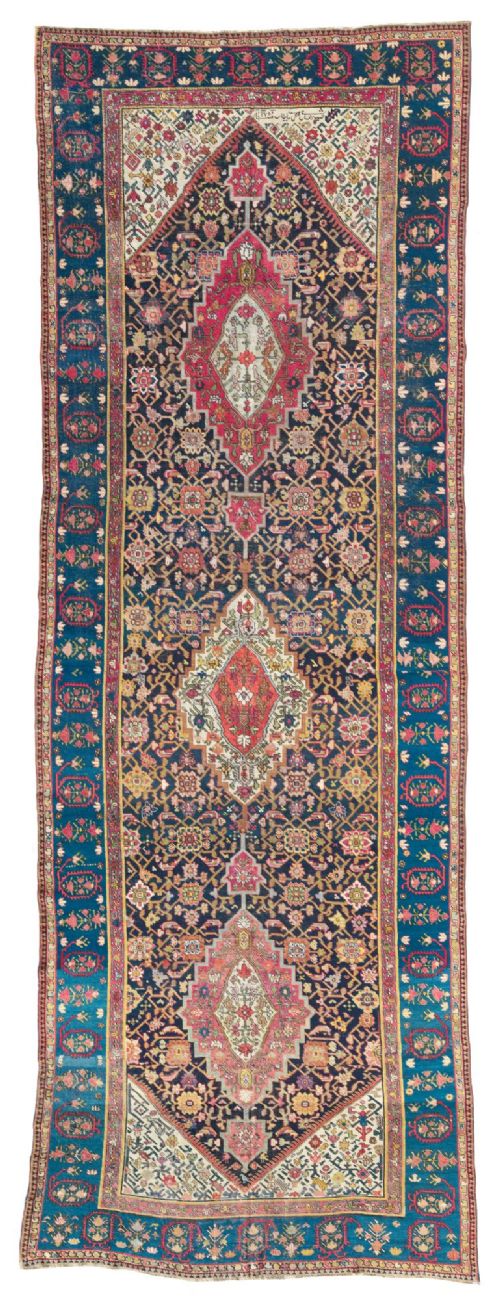
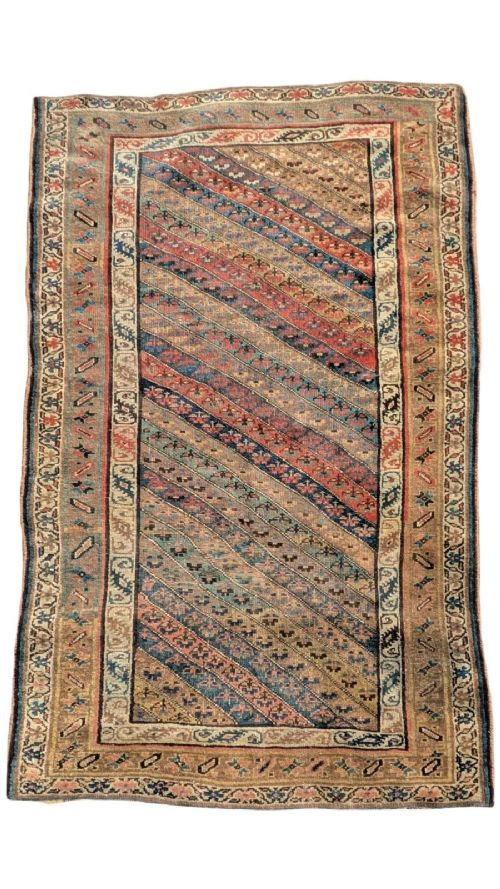
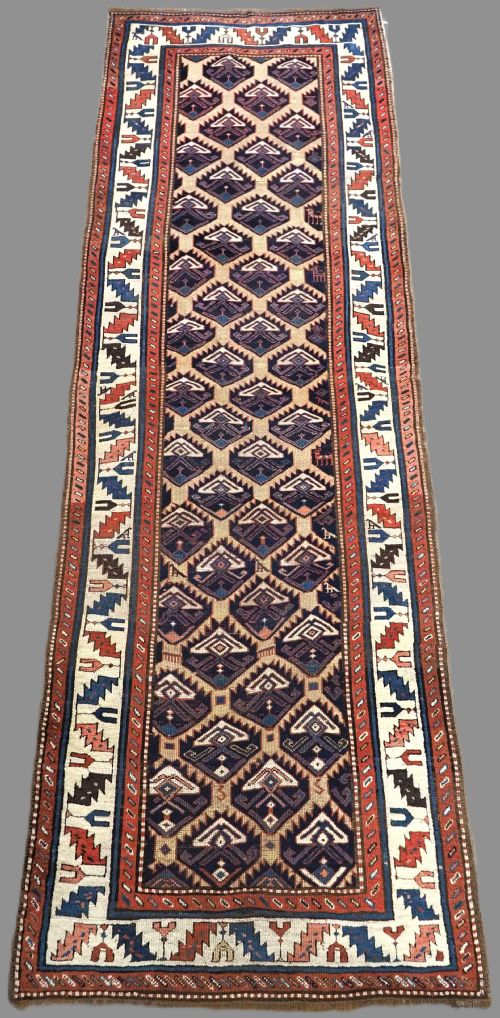
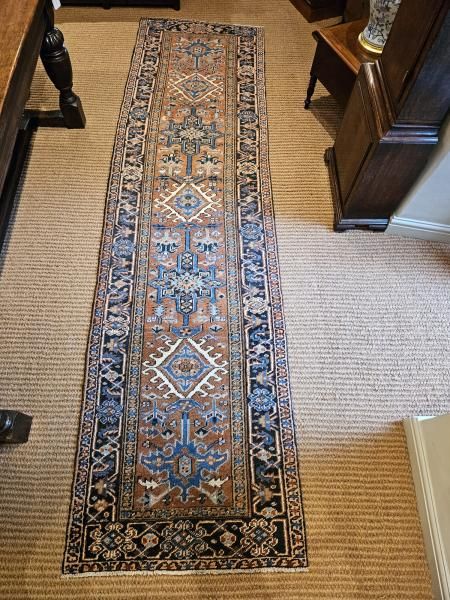
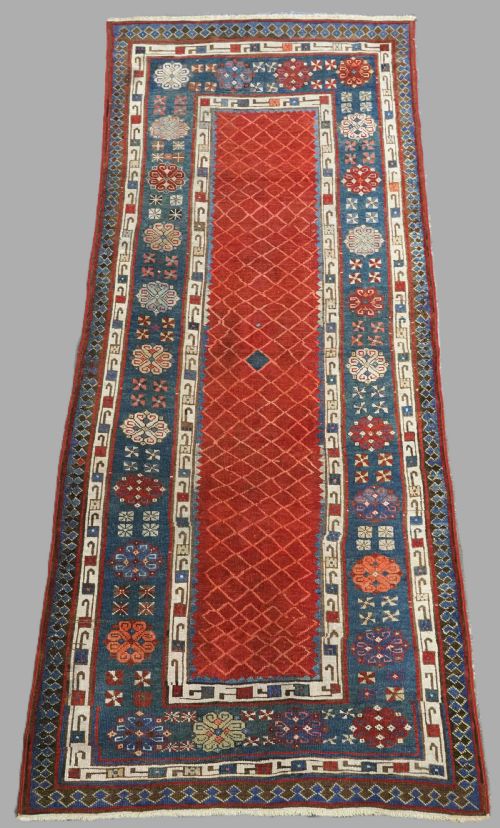
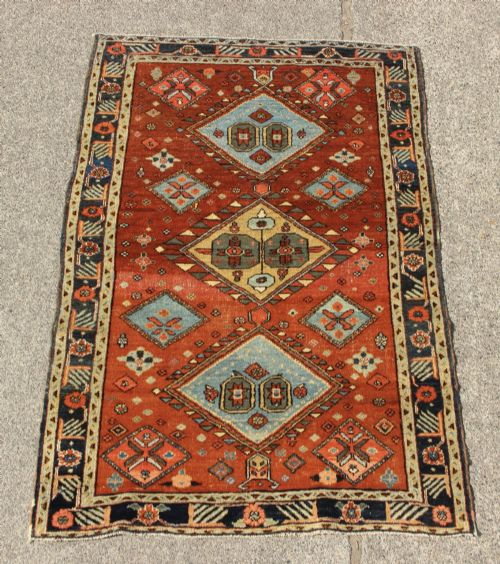
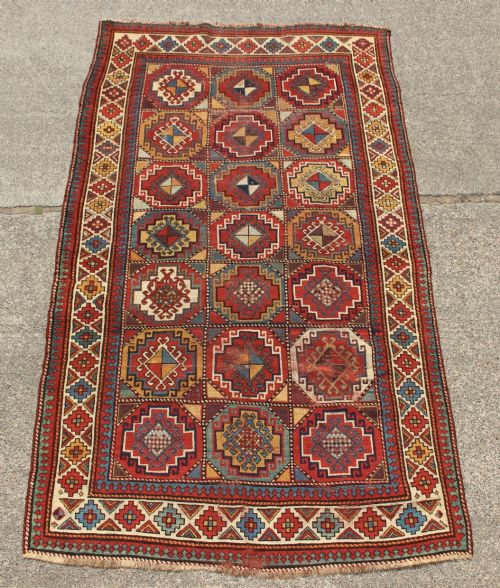
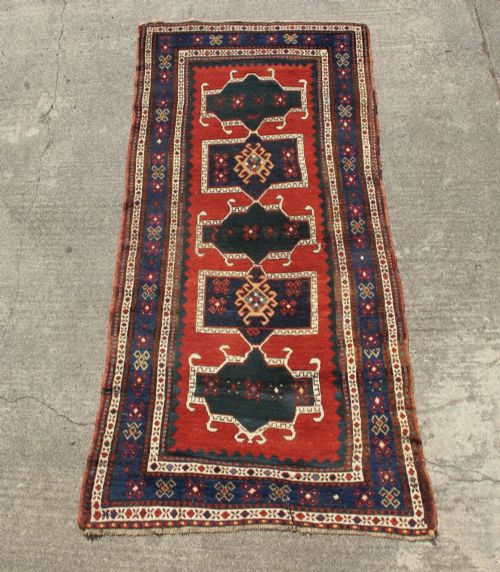
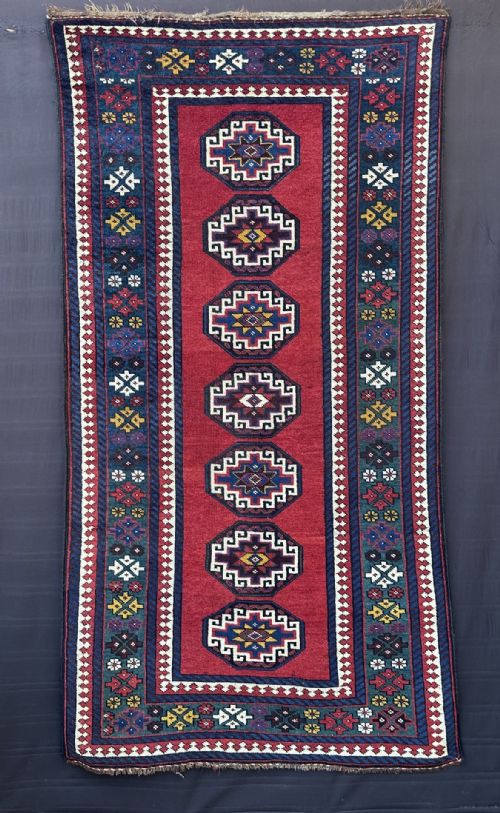
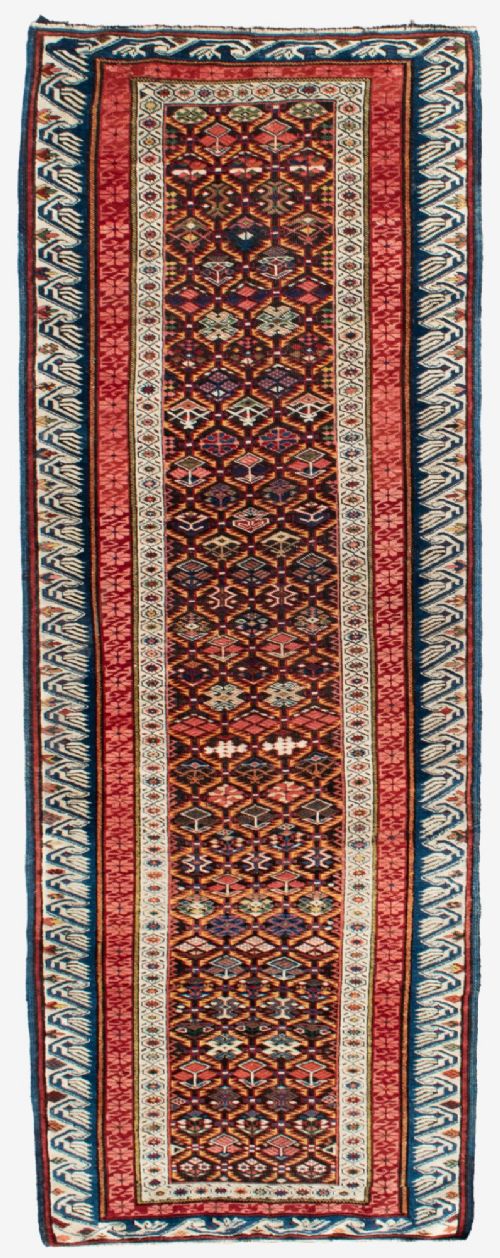
Caucasian Tribal Runner
A caucasian tribal runner brings bold geometry and rich wool texture into a room, offering enduring village craftsmanship.
Caucasian Tribal Runner
A caucasian tribal runner is a narrow, elongated carpet originating from village and nomadic weaving traditions in the Caucasus region. These pieces showcase distinctive regional patterns, geometric motifs and strong colour palettes designed for practical floor use in corridors and long spaces. The selection includes examples spanning the late nineteenth century into the early twentieth century.
Runners on this page appear alongside closely related long rugs, village carpets and converted fragments. Styles range from Kurdish tribal and Shahsevan to Kuba Seychour, Karabagh and Shirvan designs. Each piece reflects the specific weaving heritage of its maker and local community.

How they were made
Makers construct these textiles using traditional hand-knotting techniques with natural wool pile. Foundations typically employ sturdy cotton or wool warps and wefts to ensure structural durability. Local dyestuffs and hand-spun yarns produce the characteristic depth found across the pile.
Format variations include complete runner rugs alongside specialised configurations such as joined mafrash panels formed into small kilims and worn fragments preserved for their artistic merit. Weavers sometimes incorporate signatures directly into the composition.
Caucasian Tribal Runner Retail Price Guide 2026
Typical asking prices for caucasian tribal runner among the pieces listed under this phrase on Sellingantiques today, from the lower quarter to the upper quarter. They describe what is for sale here now, not the wider market.
What varies in quality
Quality reveals itself in the crispness of the geometric drawing and the saturation of the wool pile. Finer examples display meticulous knot density and well-balanced proportions within the narrow runner format. The integrity of the original borders and remaining pile height further distinguish superior specimens.
The sophistication of tribal iconography, such as Memling guls or complex medallion layouts, elevates certain pieces above standard utility grades. Original structural survival, whether intact fringe areas or preserved selvedges, plays a defining role in overall character.
The Caucasian Tribal Runner Glossary
- Runner
- A long, narrow carpet format traditionally utilised in hallways, corridors or alongside furniture. This shape highlights repeating central medallions and borders.
- Gul
- A repeating medallion motif frequently found in tribal and village carpets. These octagonal or polygonal designs often identify specific weaving groups.
- Mafrash
- A storage bag panel woven by nomadic groups, often featuring pictorial or geometric panels. These panels occasionally find new life as small kilims or wall hangings.
- Fragment
- A surviving portion of a larger historic carpet. Collectors value these pieces for their remaining authentic design and historic wool structure.
- Selvedge
- The tightly bound side edges of a rug that protect the structure from fraying. Original finishing demonstrates careful historic craftsmanship.
Caucasian Tribal Runner: Frequently Asked Questions
Where did these runners come from?
These runners originate from the Caucasus region, encompassing areas historically tied to village and nomadic weaving traditions. Local workshops and tribal groups produced them for domestic use and local trade.
The diverse styles reflect distinct cultural influences across the region during the nineteenth and early twentieth centuries.
How do I style a narrow runner?
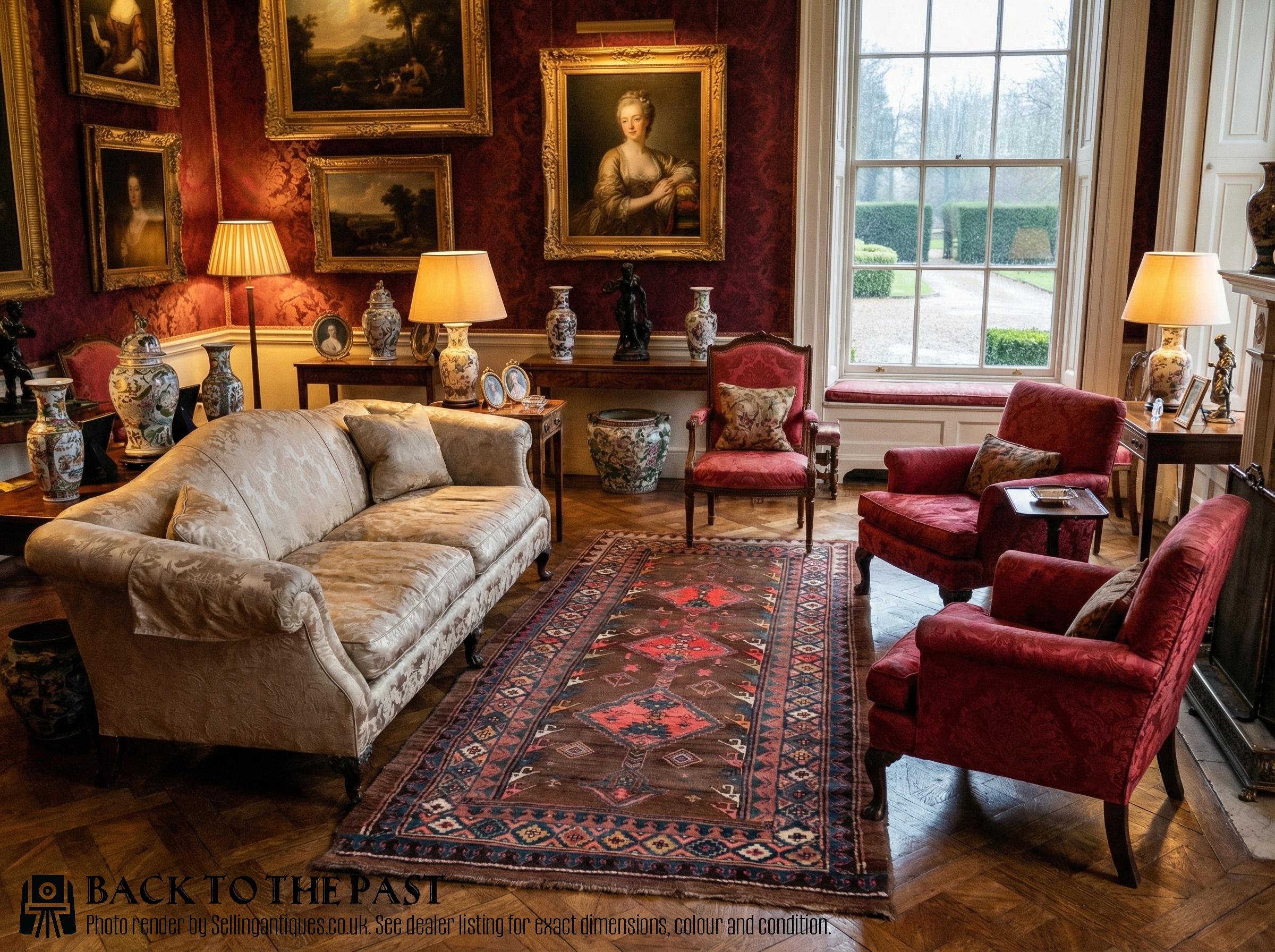
A narrow runner fits naturally in hallways, entryways, or alongside narrow gallery spaces where floor texture is needed. Their elongated proportions draw the eye through a room while adding warmth underfoot.
Pair them with neutral flooring to let the traditional geometric patterns and wool colours stand out clearly.
What materials are used?
The primary material is hand-spun wool, used for both the soft surface pile and structural foundations. Cotton also appears in foundations to provide additional stability and strength.
Natural materials and traditional dye methods contribute to the organic ageing process visible across these historic textiles.
How are different tribal styles identified?
Tribal styles are recognised through specific design elements, border arrangements, and structural traits associated with particular regions. Motifs like Memling guls or specific Kuba patterns point toward distinct weaving communities.
Comparing palette choices and knotting characteristics helps connect a rug to its geographical origin.