







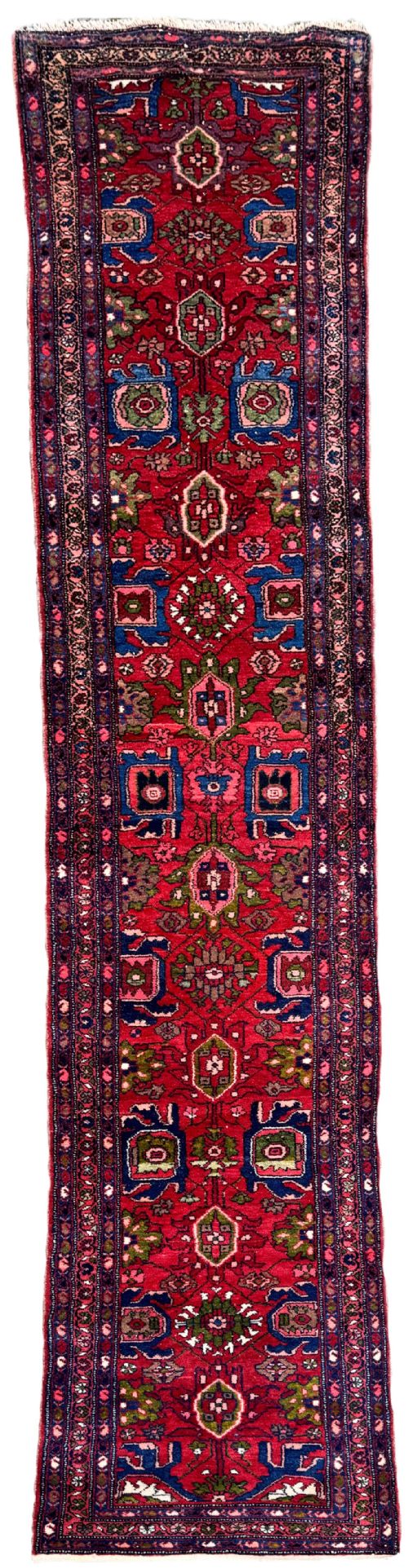
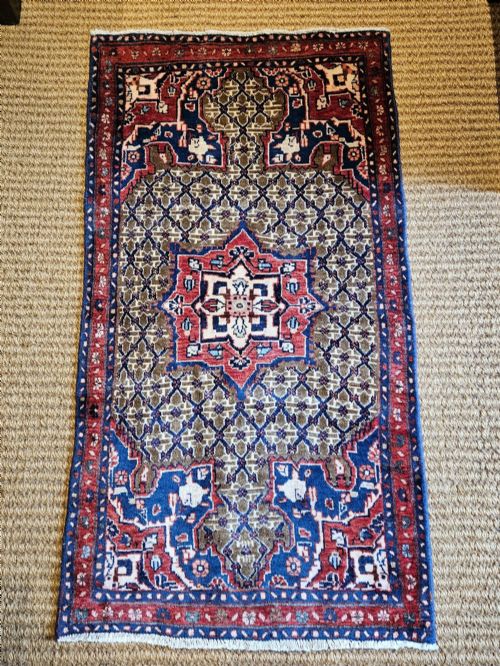
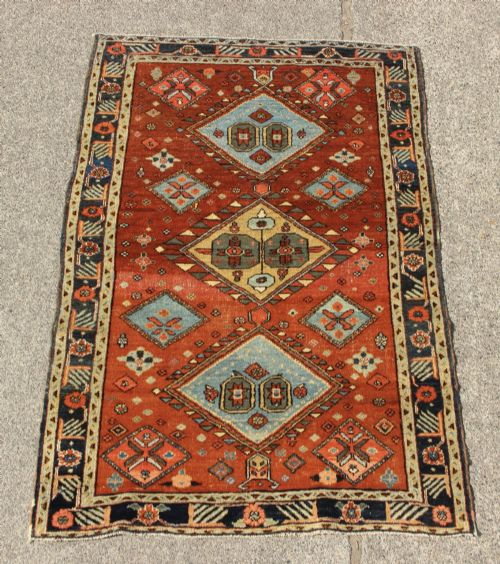

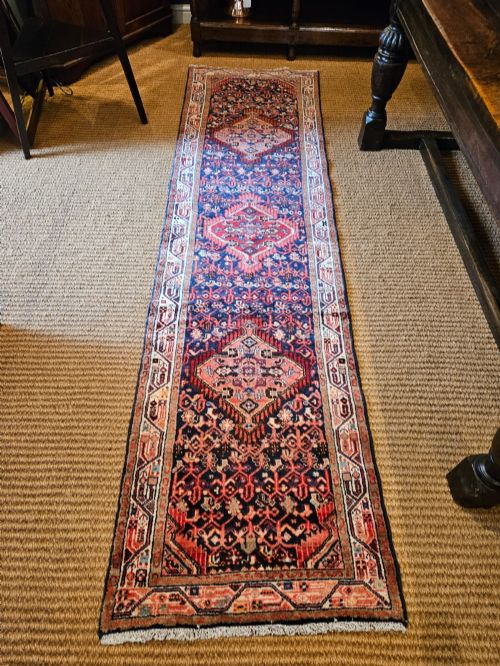
Red Persian Runner
A red persian runner brings warmth and linear rhythm to a hallway, woven to withstand heavy foot traffic.
Red Persian Runner
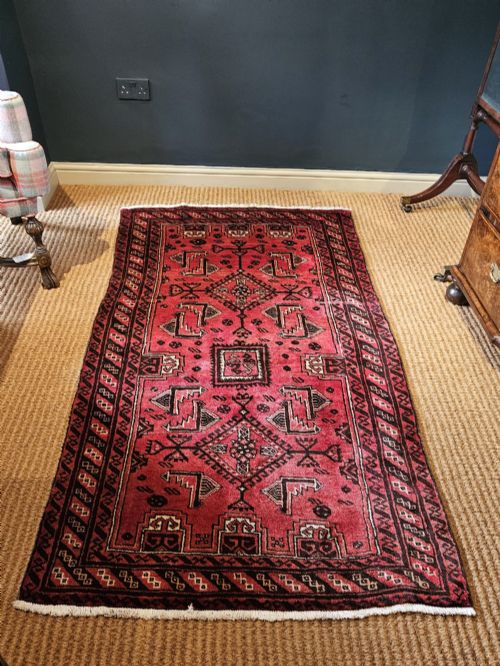
A red persian runner is a narrow, elongated carpet designed primarily for corridors, hallways, and landings. These floor coverings emerge from various regional weaving traditions across Persia, spanning village workshops and tribal groups.
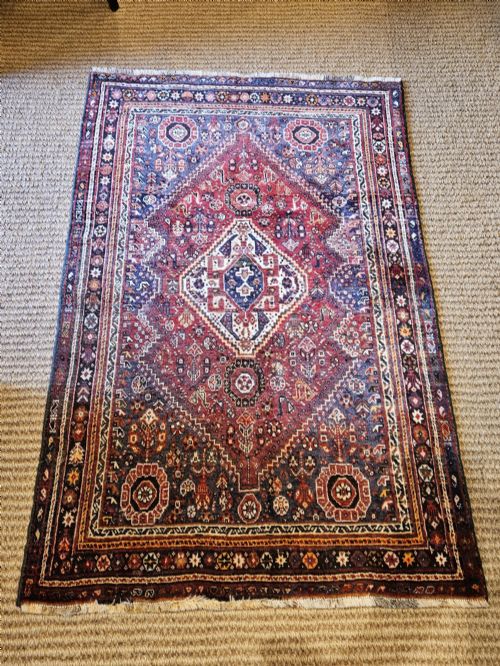
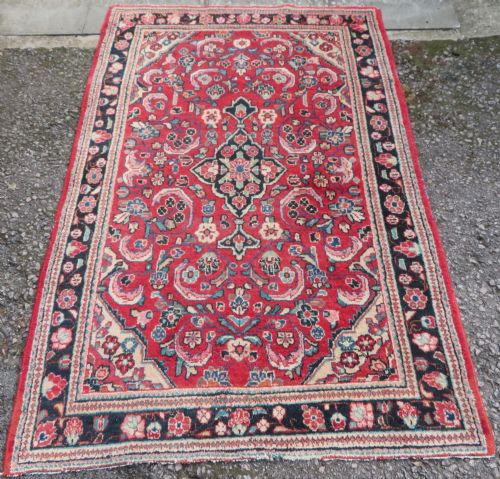
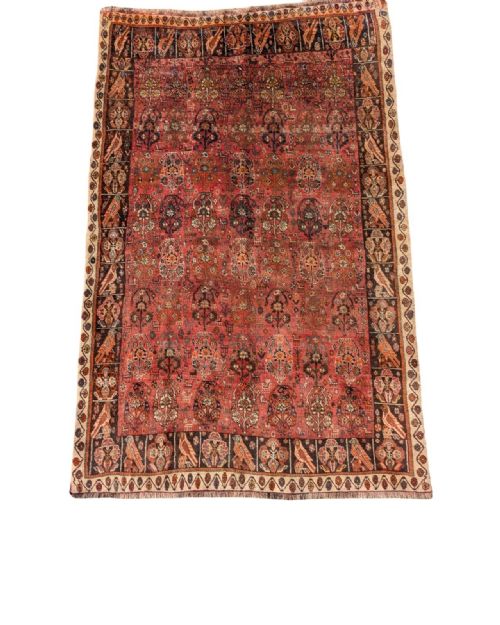
The pieces available on this page encompass antique formats dating from the nineteenth century through the early decades of the twentieth century. Examples range from structured Heriz and Hamadan formats to tribal Kurdish and Baluch long formats.
Buyers encounter long formats suited for extended corridors alongside shorter hallway runners. Each specimen displays distinct geometric or floral layouts worked in characteristic terracotta and ruby red tones.
Materials and construction methods
These textiles rely principally on wool pile knotted tightly onto supportive cotton or wool foundations. Pure wool provides the resilient surface required for long narrow carpets subjected to continuous daily passage.
Weavers utilised natural dyes to achieve deep red grounds, incorporating vegetable and insect colorants that mellow gradually over decades. Hand-knotted construction ensures structural integrity along the dense warp and weft threads.
Red Persian Runner Retail Price Guide 2026
Typical asking prices for red persian runner among the pieces listed under this phrase on Sellingantiques today, from the lower quarter to the upper quarter. They describe what is for sale here now, not the wider market.
One remarkably long hall runner stretches to thirty-two feet, ready for a very grand corridor indeed.
Distinctions in quality
Quality rests upon knot density and the precision of the underlying wool foundation. Finer specimens exhibit greater detail within geometric medallions and floral motifs due to tighter knotting.
The choice of natural dyes dictates how the red field ages over time. Superior examples maintain rich saturation and subtle tonal variations across the expanse of the runner.
Saroukh Mahal Carpet·Bakhtiar Rug·Heriz Runner·Hamadan Runner·Bidjar Rug
The Red Persian Runner Glossary
- Runner
- A long, narrow carpet format specifically proportioned for corridors, hallways, and staircases.
- Warp
- The vertical foundation threads stretched lengthwise on the loom before knotting begins.
- Weft
- The horizontal threads passed alternately over and under warp threads to secure the knots.
- Boteh
- A stylised almond or paisley motif representing a floral spray or cypress tree, frequently repeated in rows.
- Natural dye
- Colourants derived from plants, roots, insects, and minerals rather than synthetic chemical compounds.
Red Persian Runner: Frequently Asked Questions
Where do I place a runner?
These narrow carpets suit corridors, hallways, and entryways where linear floor space requires visual warmth and physical cushioning underfoot.
They also function effectively in long landings and alongside large furniture pieces in spacious rooms.
How do I measure for a runner?
Measure the length and width of your hallway floor while leaving an even border of exposed timber or stone visible around the edges.
Account for door clearance to ensure the pile thickness does not obstruct doors swinging open along the corridor.
Are these runners durable?
Constructed with hand-knotted wool pile on sturdy foundations, these traditional carpets were built to endure generations of heavy foot traffic in busy family homes.
Regular use tends to settle the wool pile rather than weaken the underlying structural weave.
How do I care for wool runners?
Vacuum the surface gently using suction without a rotating brush roll to prevent snagging the hand-knotted pile.
Rotate the runner periodically to ensure even exposure to foot traffic and sunlight over the years.