

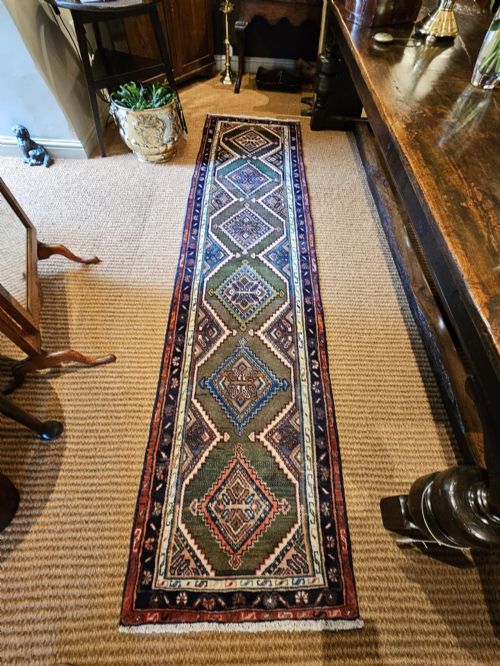


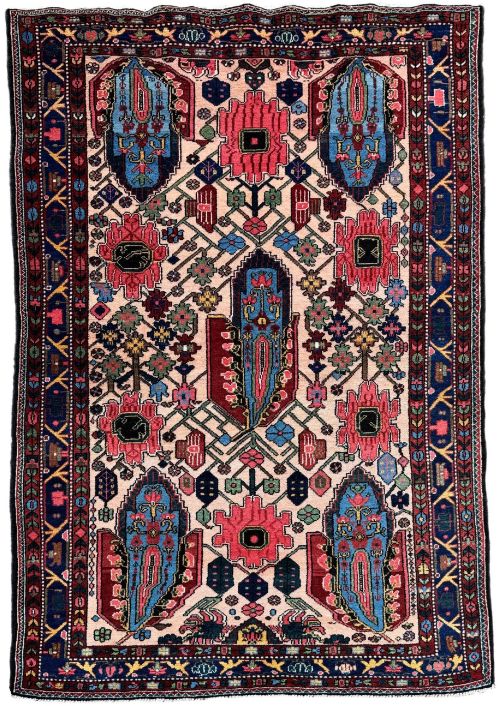
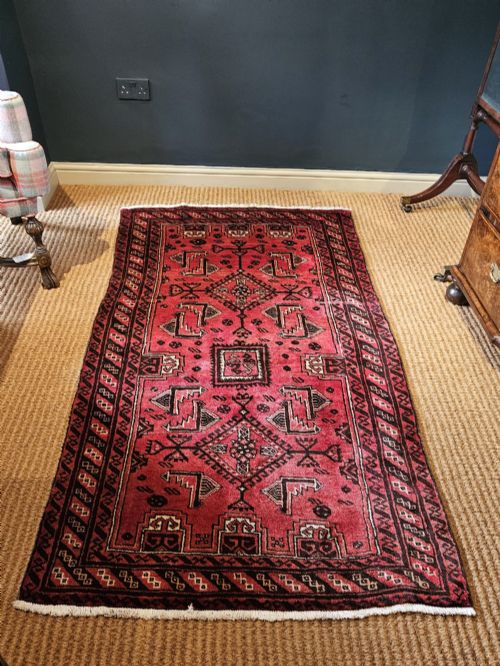
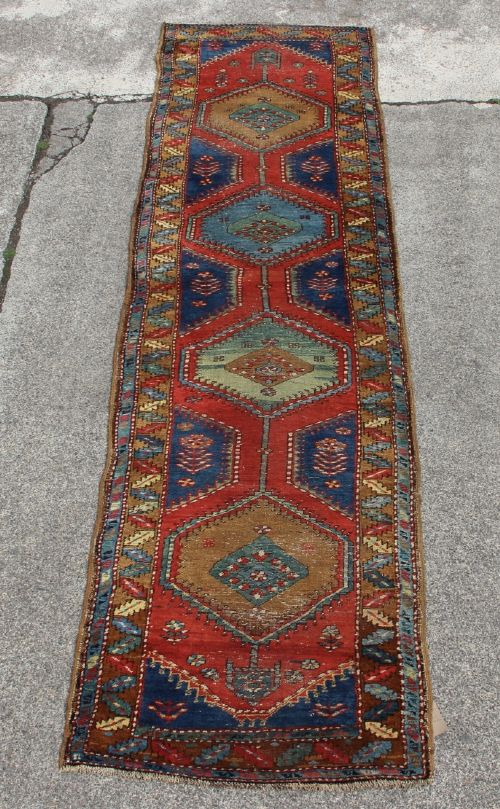
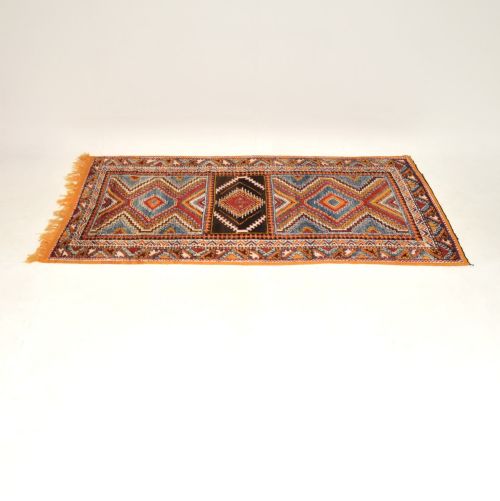
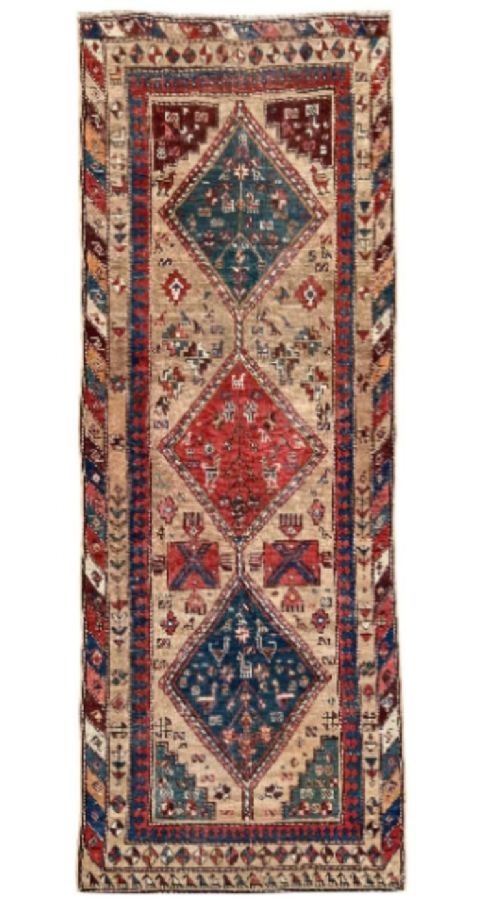
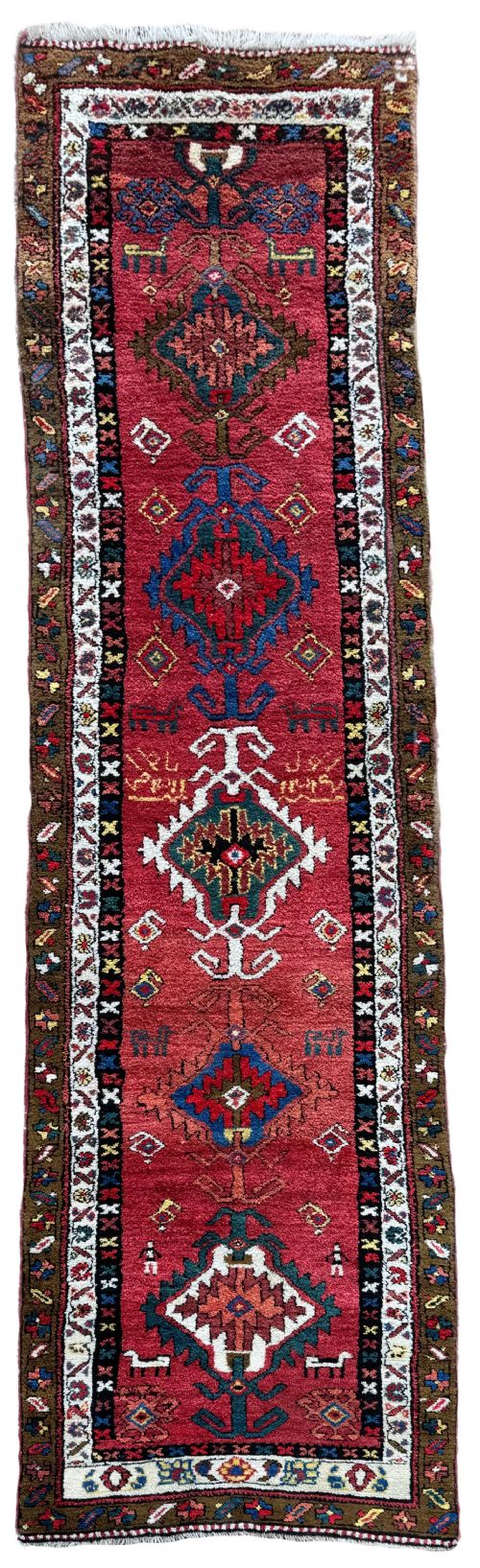
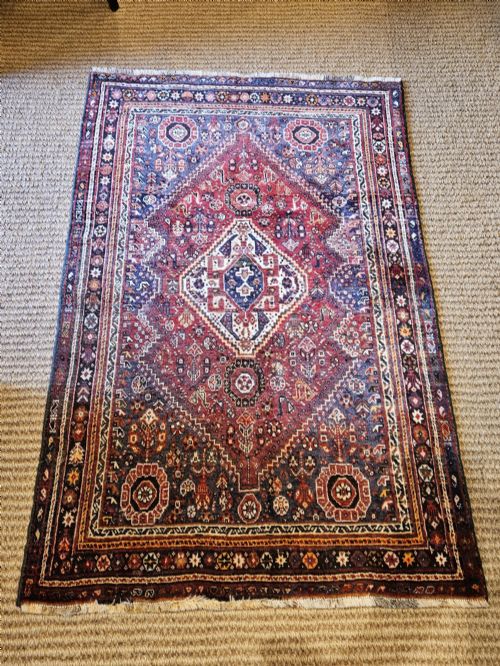
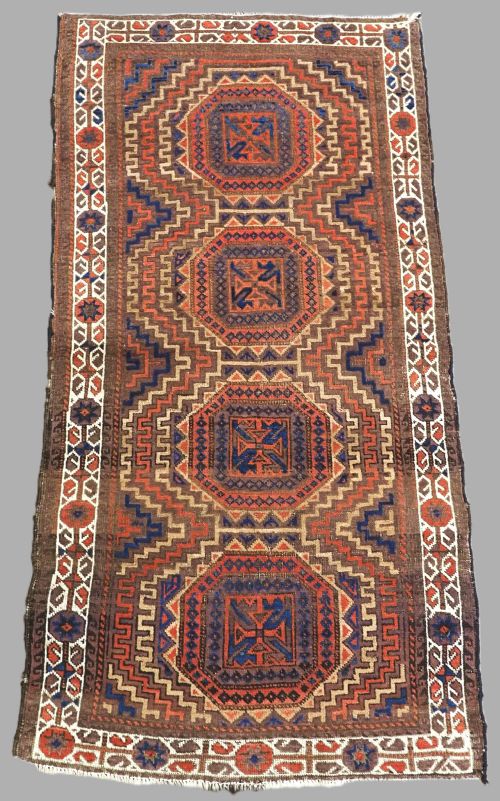
Traditional Persian Runner
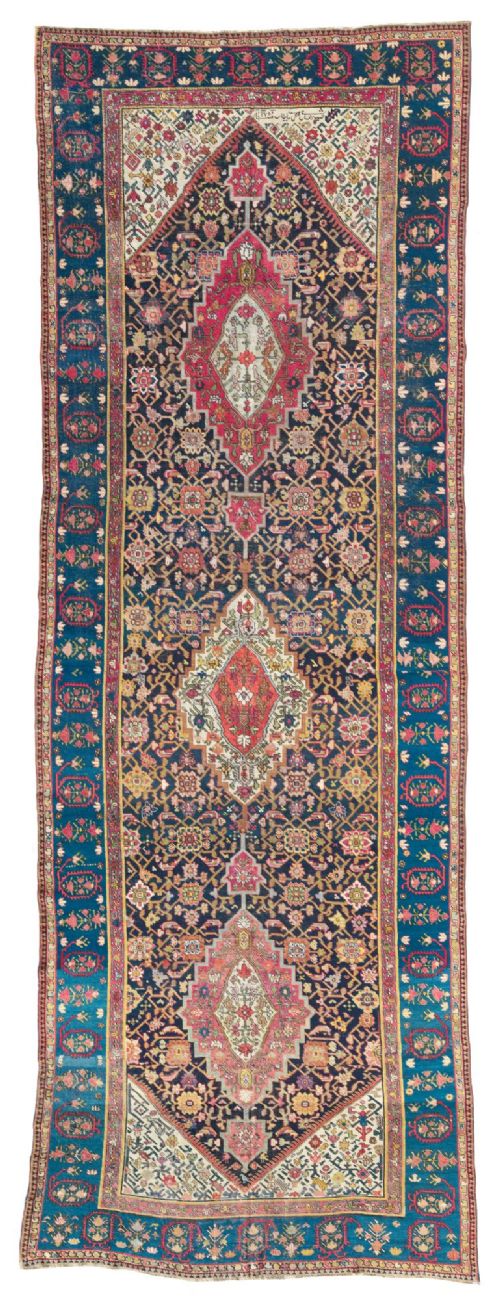
A traditional persian runner brings enduring geometry and rich hand-knotted pile to a hallway or long landing.
Traditional Persian Runner
When you search for a traditional persian runner, you encounter elongated floor coverings designed specifically for corridors, hallways and narrow spaces. These textiles originate from various weaving centres and tribal confederacies across Persia, capturing centuries of regional design heritage.
The pieces available span multiple decades and centuries, with examples appearing from the nineteenth century through to the mid-twentieth century. Forms range from village weaves to workshop carpets, encompassing specific tribal attributions such as Kurdish, Baluch, Afshar and Bakhtiar.
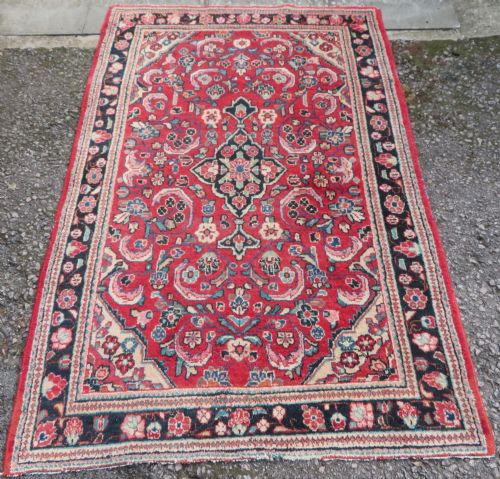
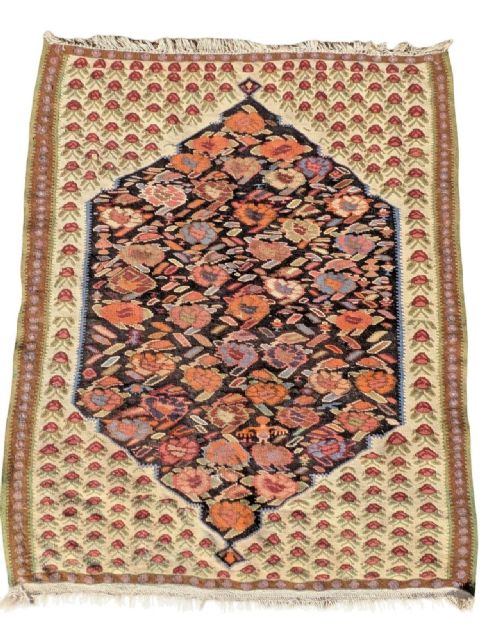
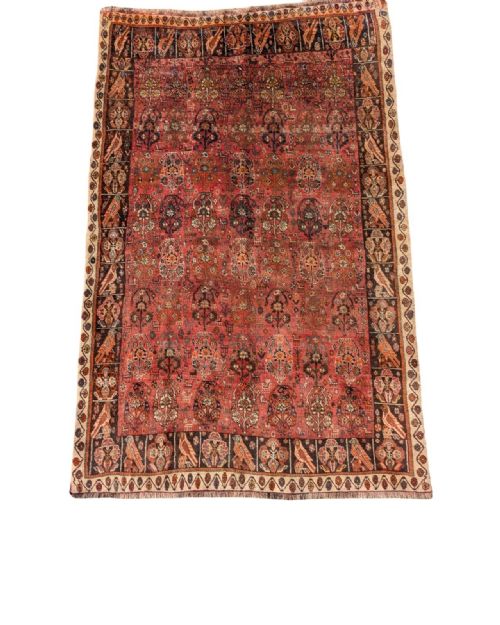
Buyers most frequently meet runner rugs and hallway runners featuring geometric medallions, all-over lattice patterns or repeating floral motifs. Dimensions vary considerably, extending from compact lengths to grand runners spanning many feet.
How they were made
These textiles rely principally on natural materials, utilising wool, hand-spun wool, cotton and occasional silk for pile and foundation structures. Camel hair also appears in certain tribal pieces, contributing distinct natural tones to the palette.
Weavers employed traditional hand-knotting techniques on upright looms, securing the pile onto cotton or wool warp and weft threads. Natural dyes provided the deep blues, rusts, olive greens and reds seen across the regional styles.
Traditional Persian Runner Retail Price Guide 2026
Typical asking prices for traditional persian runner among the pieces listed under this phrase on Sellingantiques today, from the lower quarter to the upper quarter. They describe what is for sale here now, not the wider market.
Listings feature traditional persian runners spanning from the nineteenth century through to the 1960s.
What varies in quality
Quality rests upon knot density, the precision of the tribal or village design execution and the integrity of the wool. Finer weaves display sharper geometric definition and greater durability under foot traffic.
The depth and permanence of natural dye colours distinguish superior pieces, alongside the harmonious balance of traditional motifs across the elongated field. Condition and structural originality further define the standing of each carpet.
Saroukh Mahal·Bakhtiar·Heriz·Tabriz·Bidjar
The Traditional Persian Runner Glossary
- Knot density
- The number of knots per unit area, determining the crispness of the pattern and the resilience of the pile. Higher counts generally indicate greater labour and refinement.
- Warp
- The stationary vertical threads stretched upon the loom that form the structural foundation of the rug. Weft threads are then interlaced across these longitudinal strands.
- Natural dyes
- Colourants derived from plant, insect and mineral sources rather than synthetic chemical compounds. These dyes yield softer patinas and age with characteristic complexity.
- Gul
- A medallion or repeating octagonal motif frequently found in tribal weaving traditions. Each design variation often identifies the specific weaving group or confederacy.
- Kelleh
- A large format carpet format, traditionally intermediate in proportion between a main carpet and a runner. These pieces offer extended rectangular dimensions.
Traditional Persian Runner: Frequently Asked Questions
Where should I place a long runner?
These narrow formats suit hallways, corridors and long landings where linear geometry guides movement through a home. They protect wooden flooring while adding warmth and traditional pattern to transitional spaces.
Ensure you measure the passage carefully, leaving an even border of exposed floor on either side of the rug. Using an appropriate underlay prevents slipping and cushions the weave against hard surfaces.
How do I care for wool pile?
Regular gentle vacuuming without a rotating brush roll keeps dust from settling deep into the hand-knotted pile. Professional cleaning by specialists in antique textiles preserves the natural lanolin in the wool.
Keep these rugs away from prolonged direct sunlight to prevent uneven fading of the natural dyes. Rotating the runner every few months ensures even wear across high-traffic areas.
How can I tell different tribal designs apart?
Tribal designs often feature distinct geometric structures, specific medallion layouts and characteristic colour palettes passed down through generations. Kurdish and Baluch pieces frequently display bold repeating motifs, whereas workshop carpets from centres like Tabriz show intricate floral curves.
Examining the weave structure, fringe finishing and back knots reveals clues regarding the regional origin and tribal confederacy.
What does pile distressing mean for age?
Distressing indicates natural wear from decades of domestic use, showing low pile or exposed foundation threads in areas of heavy foot traffic. This patination often accompanies older pieces dating to the nineteenth or early twentieth century.
Such surface softening reflects the genuine history of the textile rather than a modern manufacturing flaw. Many collectors value this honest character as evidence of antiquity.