






Antique Kurdish Runner
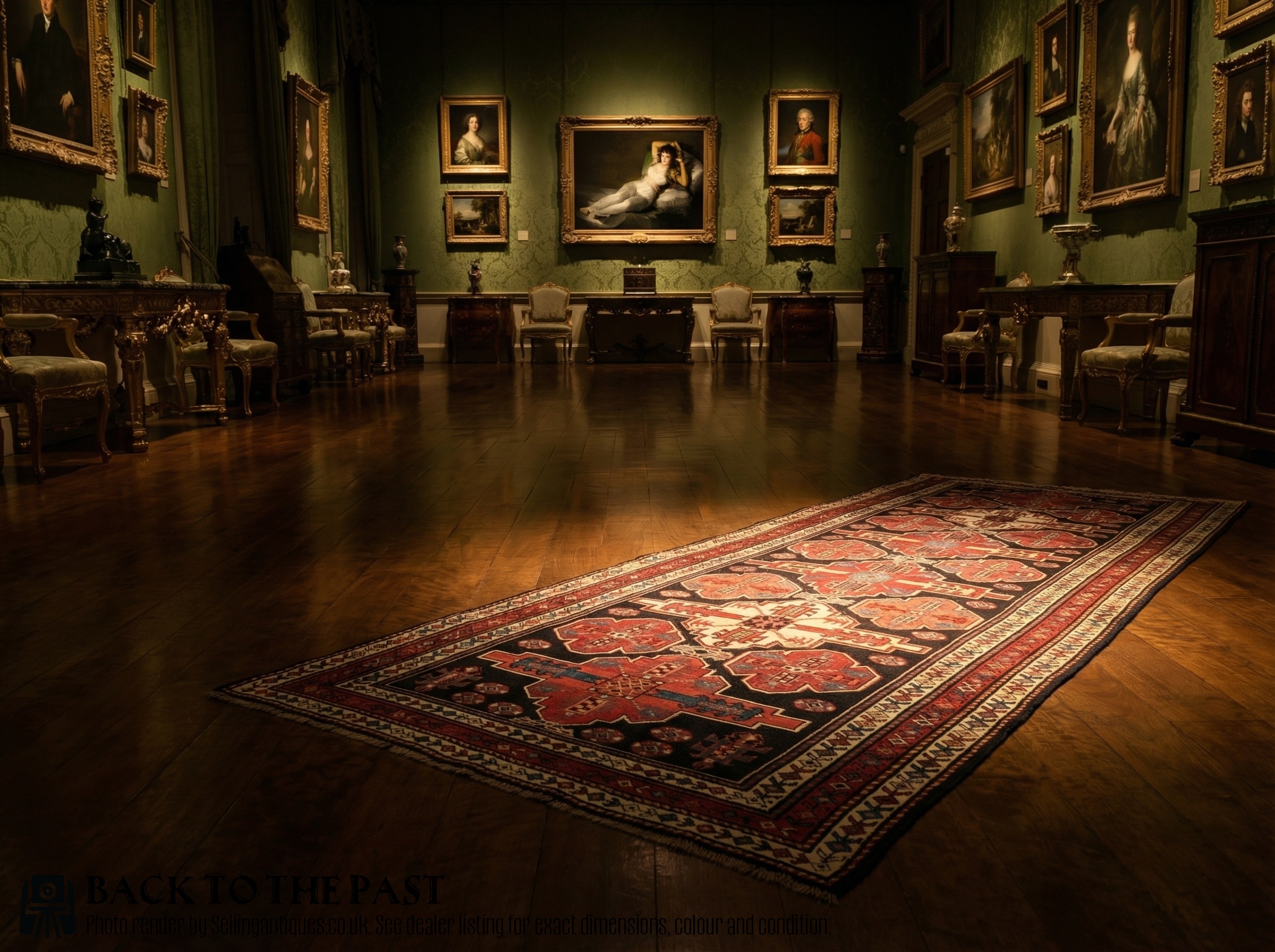
An antique kurdish runner brings durable tribal craftsmanship and bold geometric motifs directly into a long hallway.
Antique Kurdish Runner
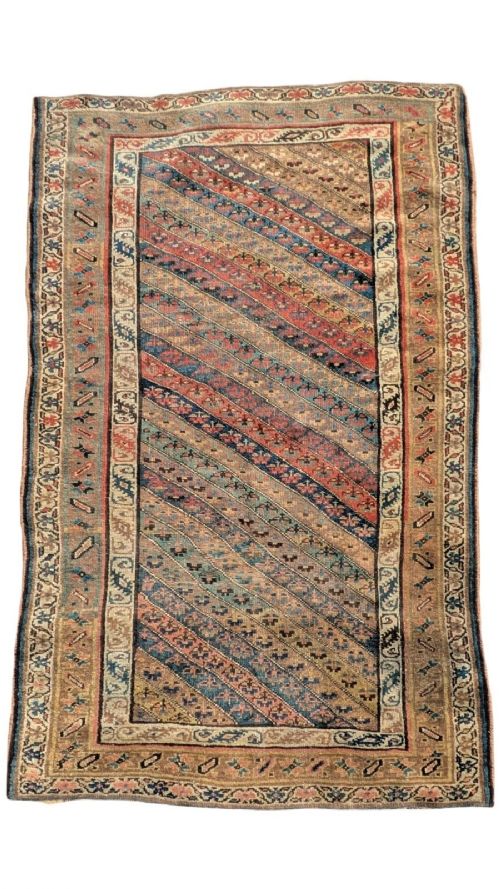
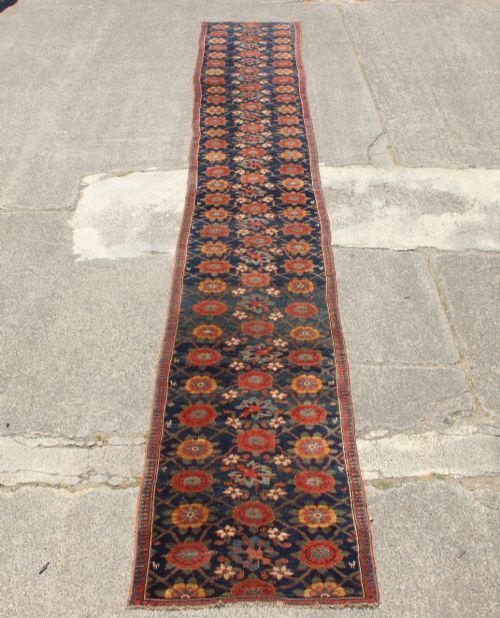
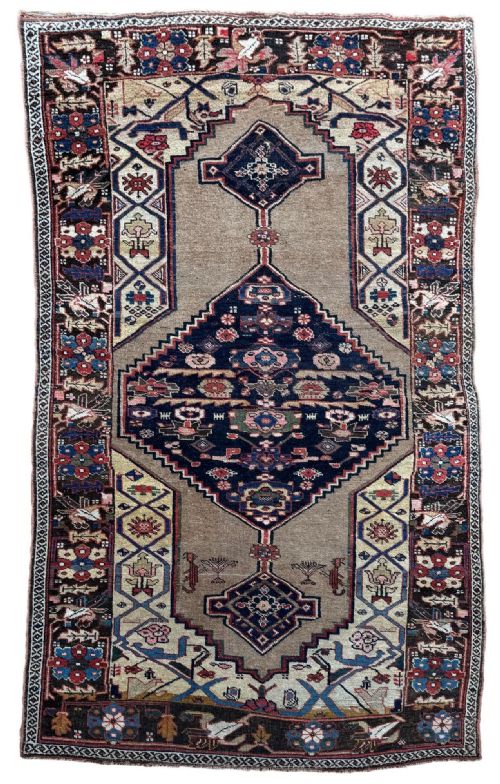
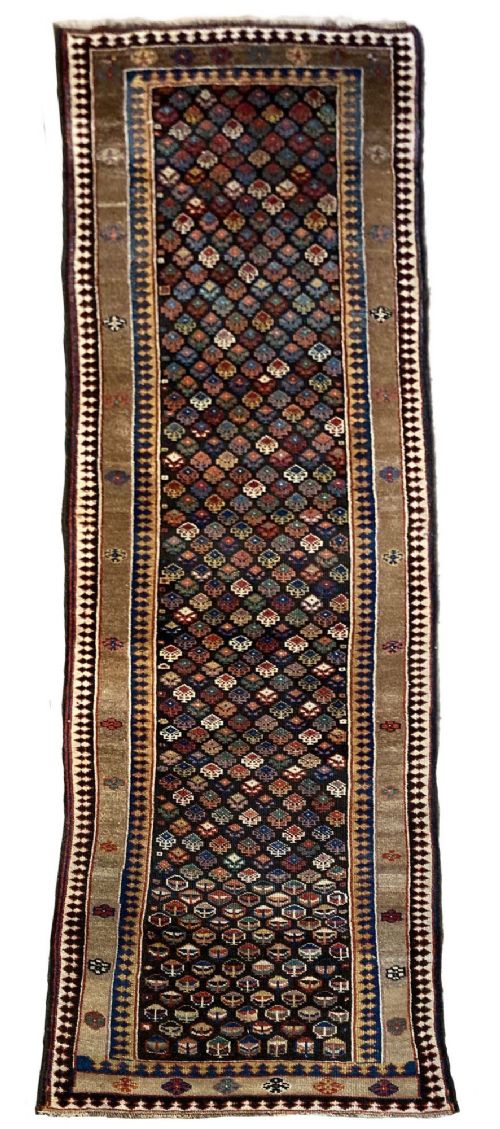
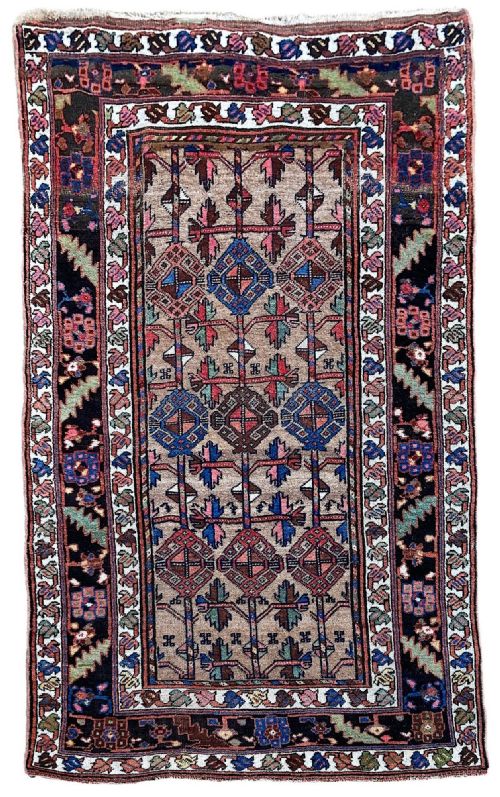
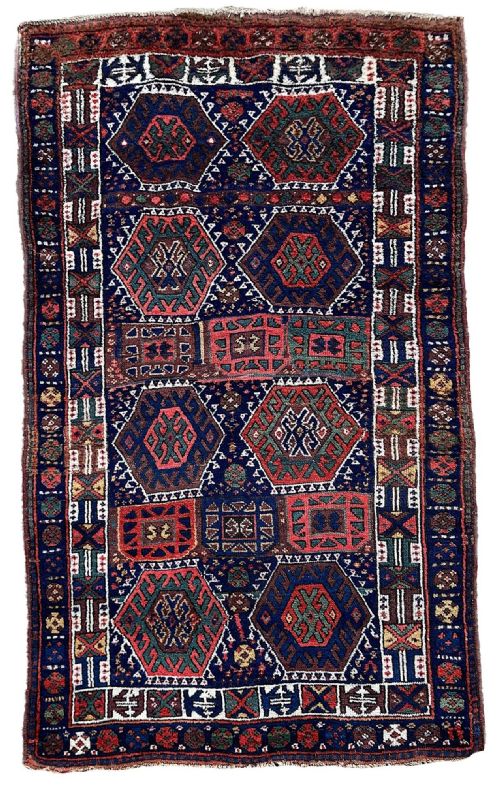
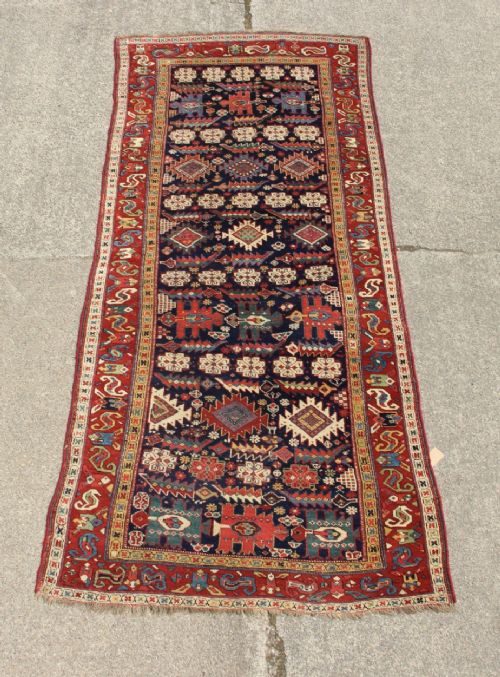
An antique kurdish runner is a narrow, elongated tribal floor covering woven by Kurdish weavers across Persia, Anatolia, and the Caucasus. These utilitarian textiles were traditionally produced for domestic use in nomadic or village households, serving heavy traffic areas like corridors and long rooms.
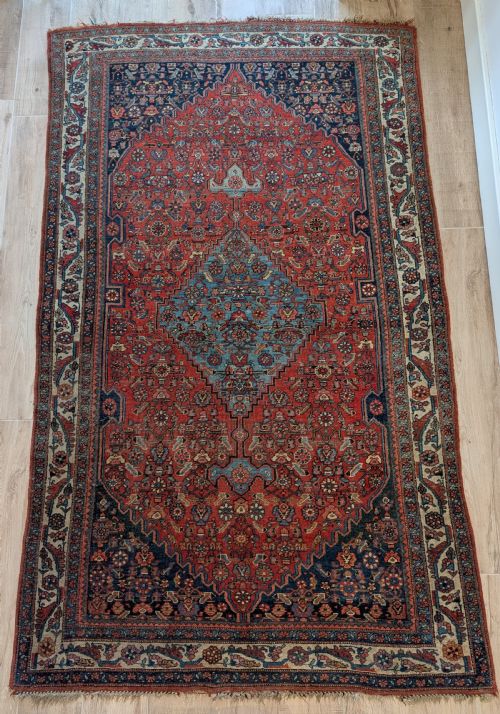
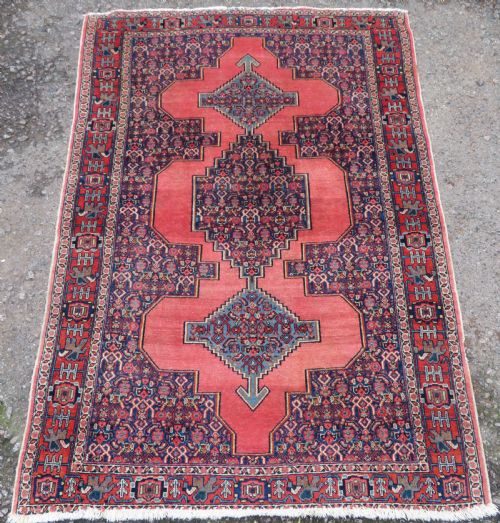
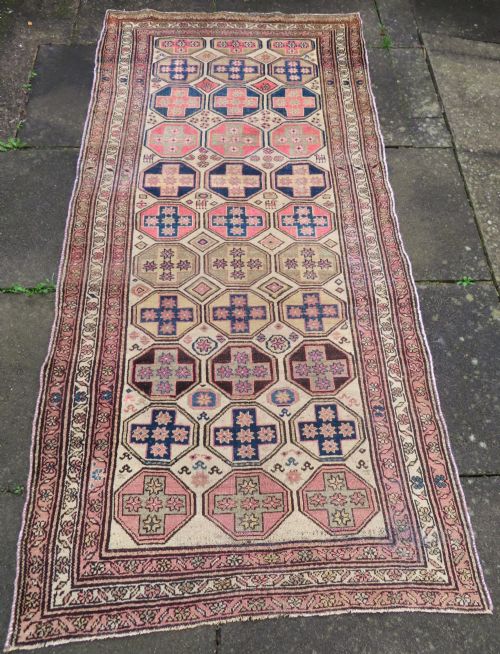
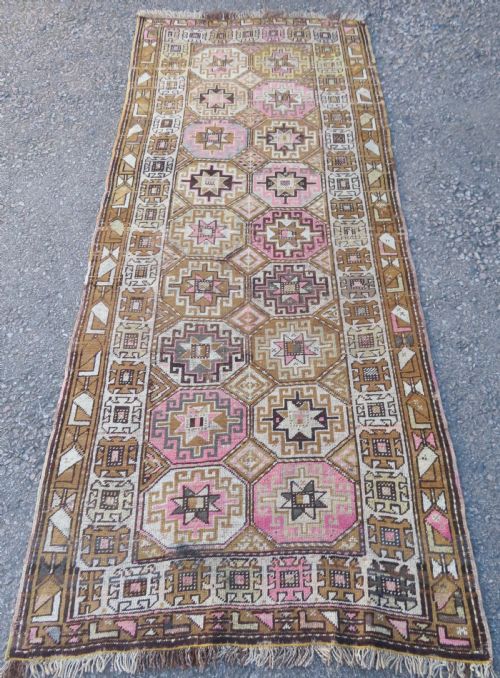
The pieces available on this page span from the mid-nineteenth century through the early twentieth century, showing formats that range from compact hallway lengths to substantial long carpets. Styles vary from geometric village designs to pieces associated with major weaving centres such as Bidjar, Seneh, and Hamadan.
How they were made
Weavers constructed these runners using hand-spun wool for the pile and sturdy cotton or wool for the foundation warps and wefts. This combination created a dense, resilient structure designed to withstand generations of daily household wear.
Natural dyes provided the rich colour palette, yielding deep tones of indigo, madder red, and warm yellows that mellow gracefully over time. Skilled hand-knotting secured the pile firmly to the foundation, ensuring the geometric patterns remained sharp and defined.
Antique Kurdish Runner Retail Price Guide 2026
Typical asking prices for kurdish runner among the pieces listed under this phrase on Sellingantiques today, from the lower quarter to the upper quarter. They describe what is for sale here now, not the wider market.
Listings span from the mid-nineteenth century through the 1930s, utilising hand-spun wool, cotton foundations, and natural dyes across multiple tribal centres.
What varies in quality
The quality of an antique kurdish runner depends heavily on the fineness of the knotting and the handling of the wool. Tighter, denser knots allow for greater intricacy in pattern execution and provide superior structural longevity underfoot.
Proportion and chromatic balance also set individual examples apart. The most successful pieces display harmonious dye saturation and balanced border proportions that frame the central field without crowding the motifs.
The Antique Kurdish Runner Glossary
- Runner
- A long, narrow carpet format traditionally utilised in hallways, corridors, and beside beds. These pieces emphasise linear design motifs to suit restricted spatial dimensions.
- Kelleh
- A large, room-sized or extended format carpet that is longer than a standard rug but wider than a typical runner. Such pieces frequently serve substantial reception rooms or long galleries.
- Guls
- A repeating octagonal or medallion-like motif common in tribal weaving traditions. These botanical or geometric emblems often identify specific regional tribal groups.
- Mina Khani
- An all-over repeating pattern composed of four-petalled flowers linked by delicate lattice vines. This classical design appears frequently in Persian and Kurdish village carpets.
- Warp
- The vertical foundation threads stretched lengthwise on the loom before knotting begins. The visible fringe at either end of the rug consists of these extended warp threads.
Antique Kurdish Runner: Frequently Asked Questions
Where were antique kurdish runners made?
These runners originated in the mountainous regions spanning modern-day western Iran, eastern Anatolia, and parts of the Caucasus. Tribal and village weavers produced them within distinct regional centres such as Bidjar, Seneh, and Hamadan.
Each weaving community incorporated local tribal iconography and traditional dyeing methods into their long carpets, resulting in strong geographical variations in palette and structural density.
How do I care for a wool runner?
Regular, gentle vacuuming without a rotating beater bar prevents dust accumulation within the wool pile. Professional cleaning by a specialist in antique textiles maintains the integrity of the natural dyes.
Placing a breathable, high-friction underlay beneath the runner prevents slipping and reduces friction between the floorboards and the foundation threads.
How are periods identified?
Dating relies on structural characteristics, wool preparation techniques, and the chemical composition of the dyes. Pieces exhibiting hand-spun wool and purely natural colour palettes typically point to nineteenth-century production.
Early twentieth-century examples often introduce minor structural shifts or transitional synthetic dye accents alongside traditional village motifs.