




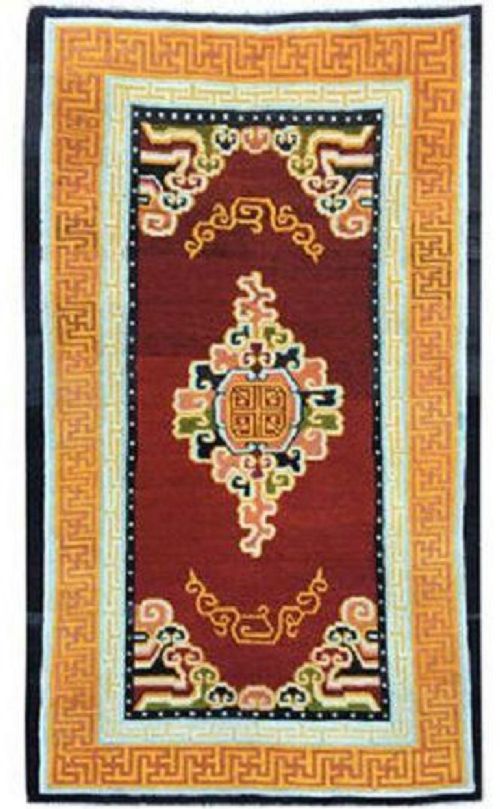
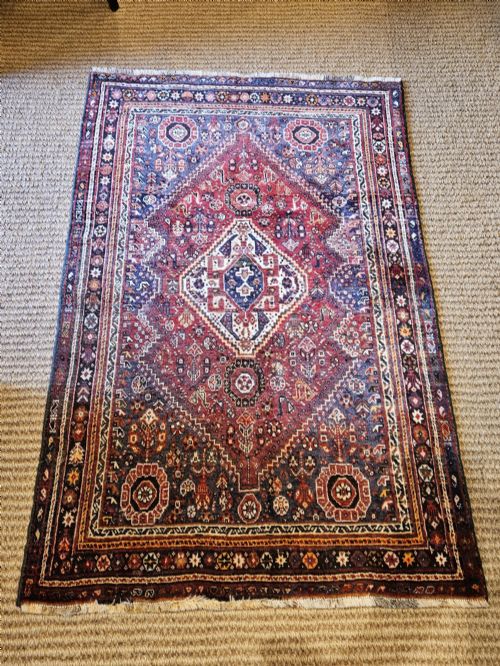
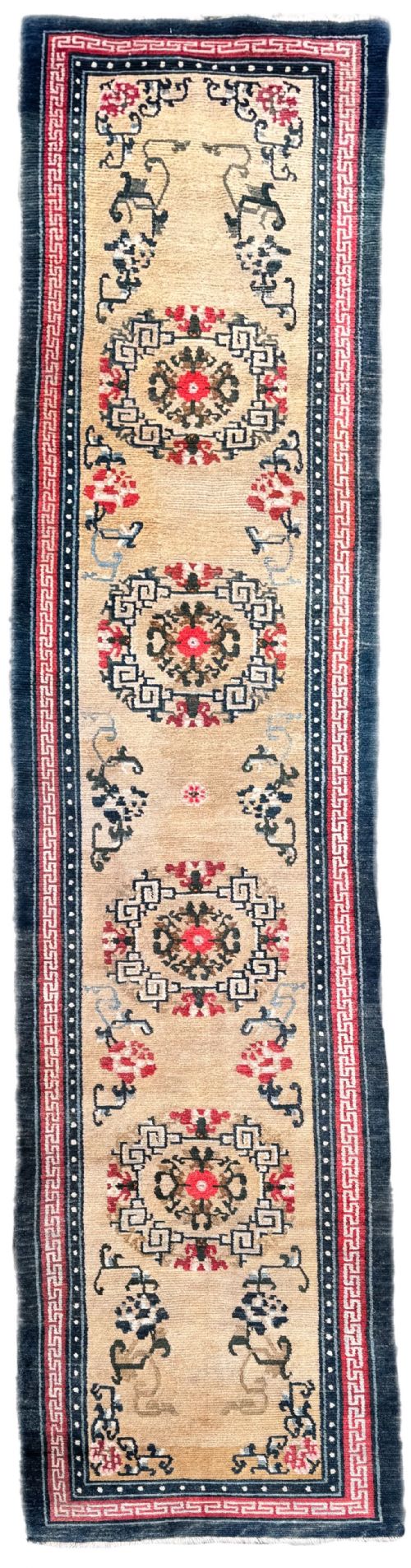
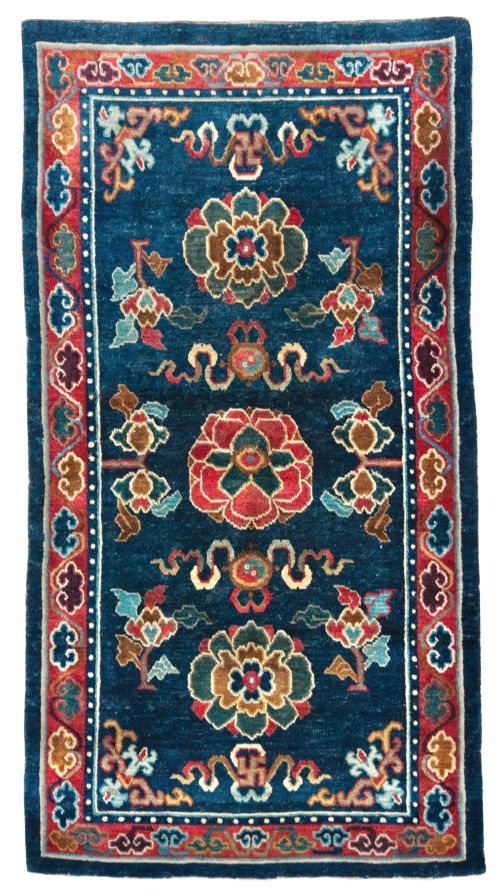
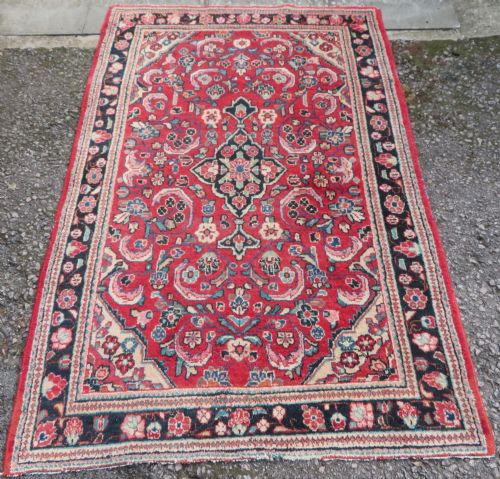

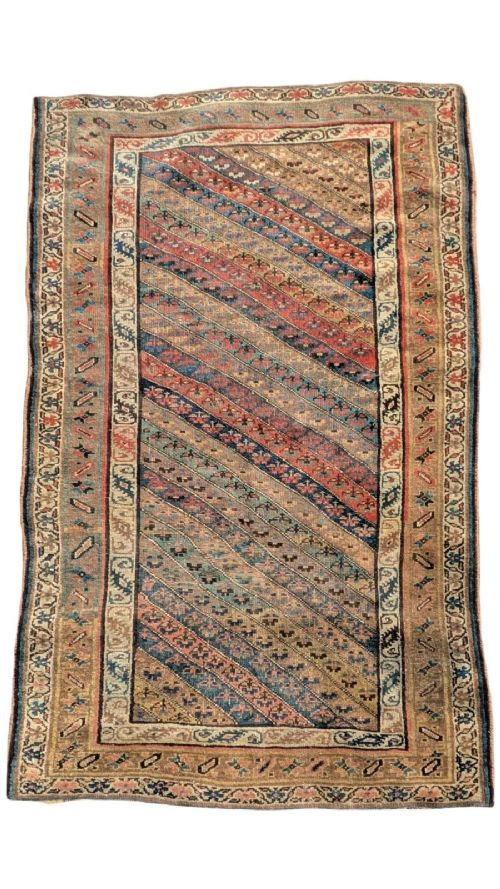
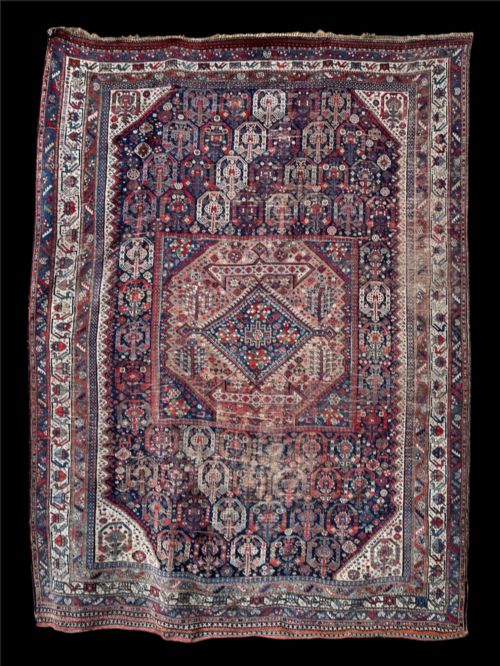
Hand Woven Wool Runner
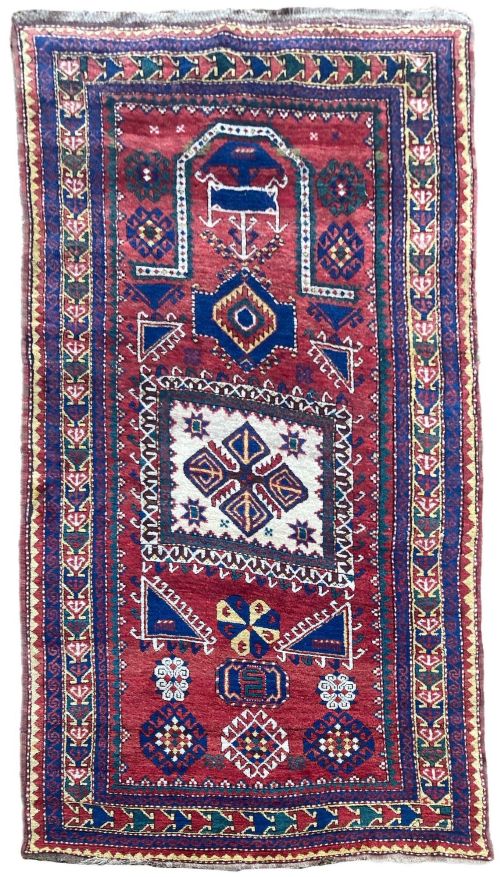
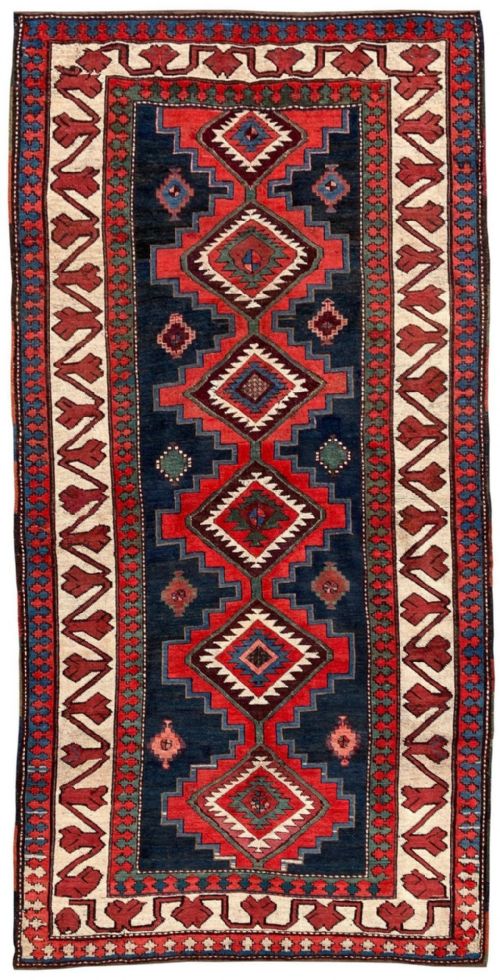
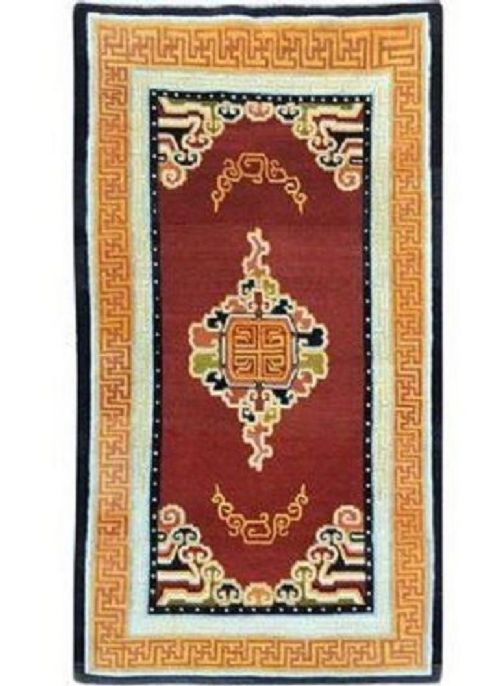
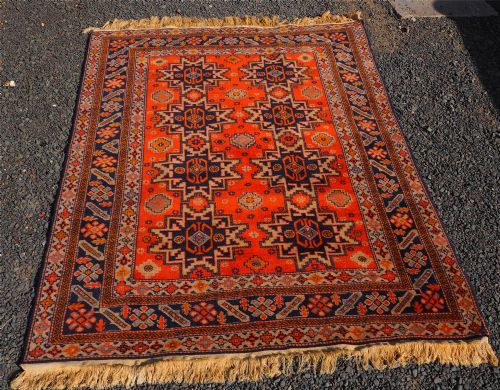
A hand woven wool runner brings deep texture and enduring tribal pattern straight to a corridor, drawing the eye along historic floorboards.
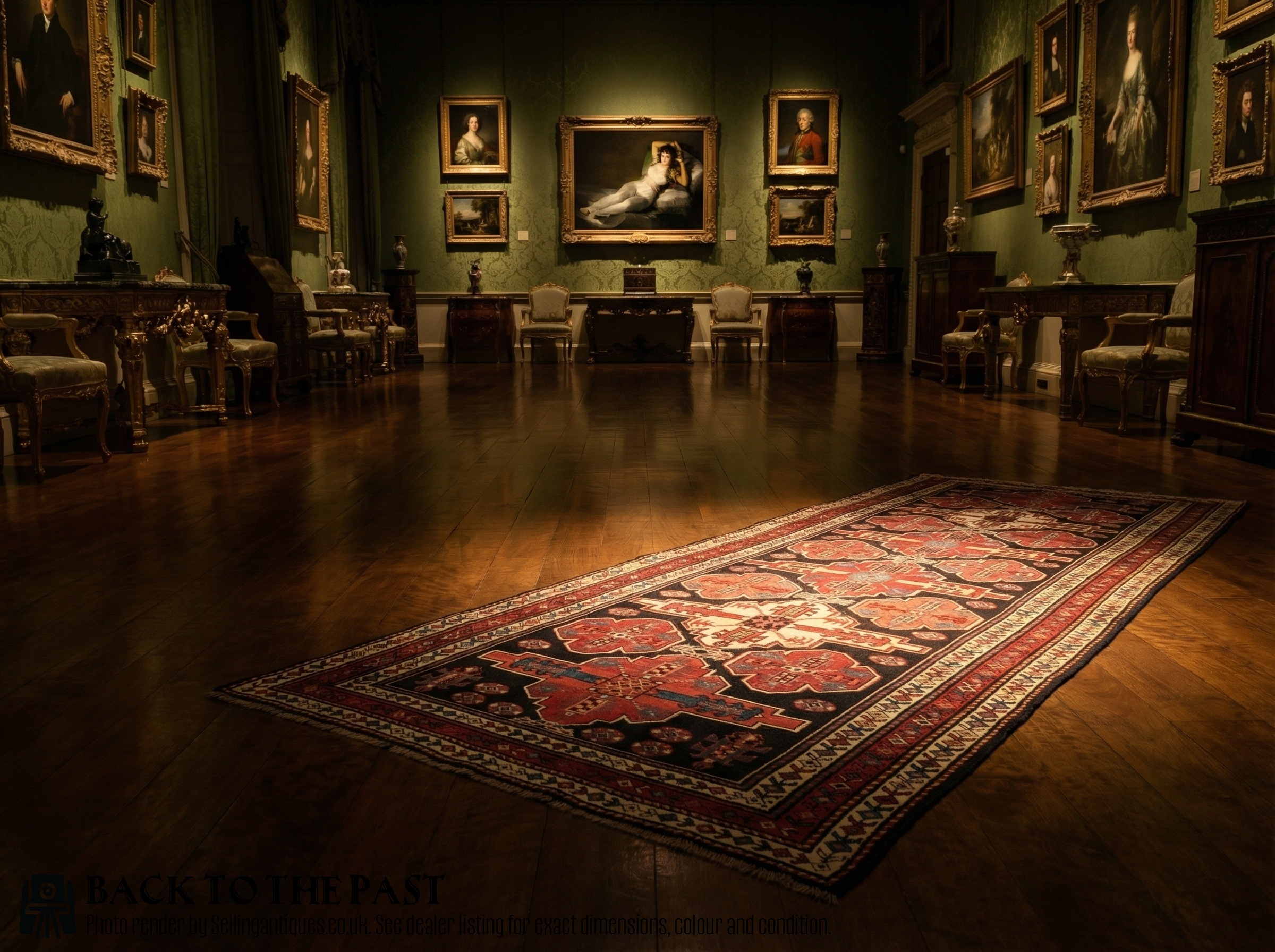
Hand Woven Wool Runner
A hand woven wool runner brings historic nomadic and tribal weaving traditions directly into domestic hallways and narrow spaces. The selection on this page centres on antique floor coverings originating from Persian, Kurdish, and Caucasian workshops.
Buyers will encounter elongated formats designed specifically for corridors and narrow rooms. These pieces include specific regional types such as Kurdish long rugs, Gorravan narrow runners, and Talish long rugs.
The objects date from the early decades of the twentieth century, specifically spanning the nineteen-hundreds, nineteen-tens, and nineteen-twenties. These floor coverings bridge practical domestic use and rich cultural artistry.
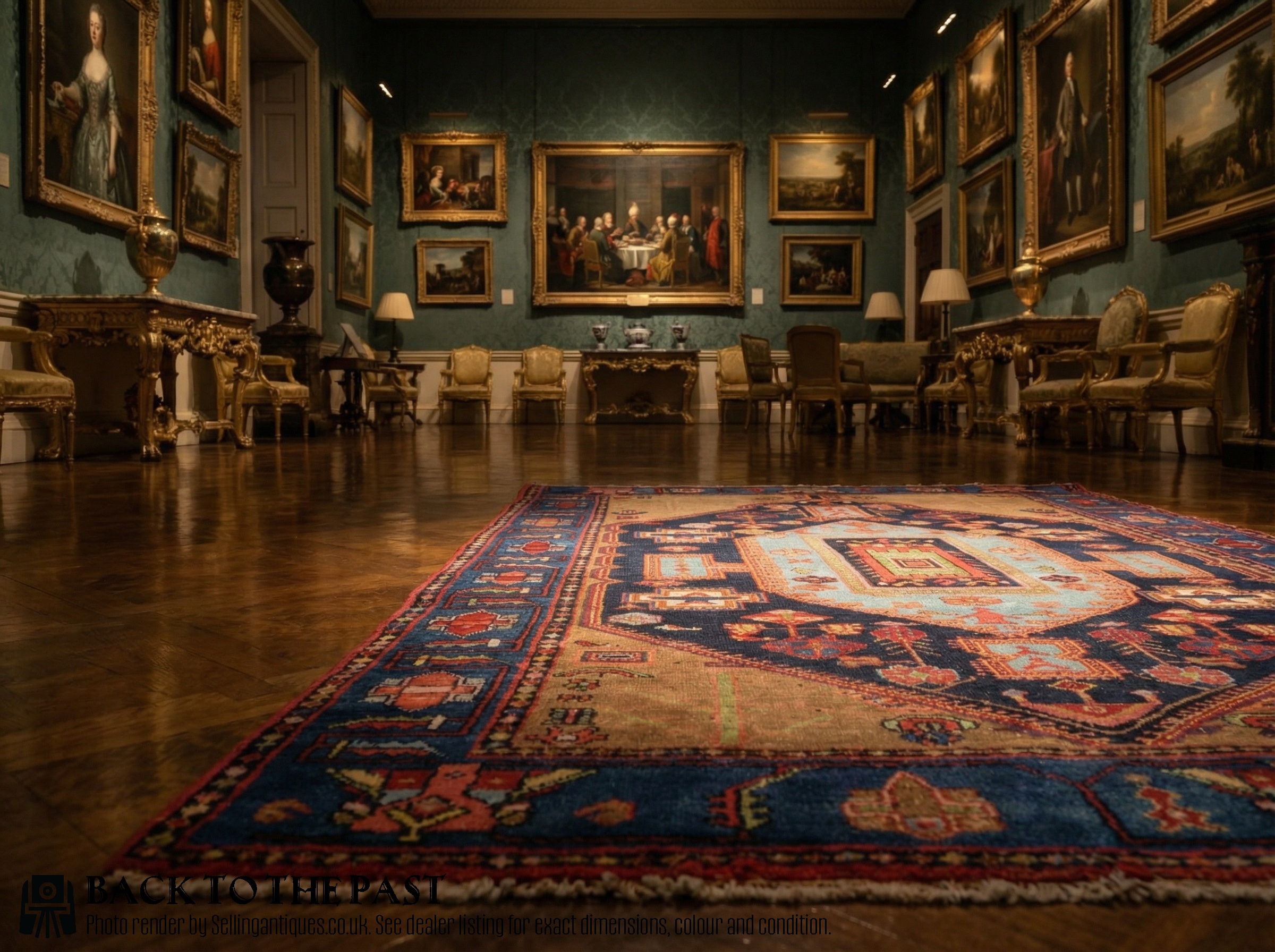
How they were made
The construction of these runners relies entirely on natural fibres, predominantly utilising wool and hand-spun wool alongside cotton foundations. Artisans knotted and wove these materials by hand on traditional vertical and horizontal looms.
Weavers employed durable wool piles to withstand heavy foot traffic in corridors. Vegetable and natural dyes produced the rich, saturated tones seen across the tribal and traditional designs.
Hand Woven Wool Runner Retail Price Guide 2026
Typical asking prices for hand woven wool runner among the pieces listed under this phrase on Sellingantiques today, from the lower quarter to the upper quarter. They describe what is for sale here now, not the wider market.
Listings feature items exclusively from the early twentieth century, spanning the nineteen-hundreds to the nineteen-twenties.
What varies in quality
Quality in these floor coverings rests on the density of the knotting and the precision of the tribal motifs. Finer examples display intricate all-over shrub designs and balanced geometric borders executed with tight, uniform tension.
The choice of wool also dictates the character of the piece, with hand-spun yarn offering a more varied texture and depth of colour. The integrity of the foundational weave and the preservation of the original edges determine the overall structural merit.
The Hand Woven Wool Runner Glossary
- Runner
- A long, narrow carpet format specifically proportioned for corridors, hallways, and staircases. This shape directs movement through a home.
- Pile
- The cut or uncut loops of yarn that form the usable surface of the rug. In hand woven wool runners, this layer absorbs wear and displays the pattern.
- Kurdish
- Pertaining to the rugs woven by Kurdish nomadic and village communities in western regions. These pieces often feature robust geometric or all-over shrub designs.
- Talish
- A specific style of Caucasian weaving known for elongated proportions and structured medallion or field patterns. They originate from the region near the Caspian Sea.
- Hand-spun wool
- Yarn twisted by hand rather than by industrial machinery. This method creates subtle variations in thickness and colour absorption.
Hand Woven Wool Runner: Frequently Asked Questions
Where should I place a hand woven wool runner?
These narrow formats work best in hallways, corridors, and narrow passageways where their elongated shape guides the eye.
They also function effectively in long entryways or alongside large pieces of bedroom furniture.
How do I care for antique wool rugs?
Regular gentle vacuuming without a beater bar keeps dust from settling into the wool pile.
Professional cleaning by a specialist in antique textiles ensures the natural fibres remain undamaged.
What periods do these runners come from?
The pieces available date from the early twentieth century, specifically between nineteen hundred and nineteen twenty.
This era captures traditional village and nomadic weaving before synthetic materials became widespread.
What materials were used to make them?
Weavers relied on wool, hand-spun wool, and cotton for the foundation and pile.
Natural dyes provided the enduring colours that patinate gracefully over decades of use.