








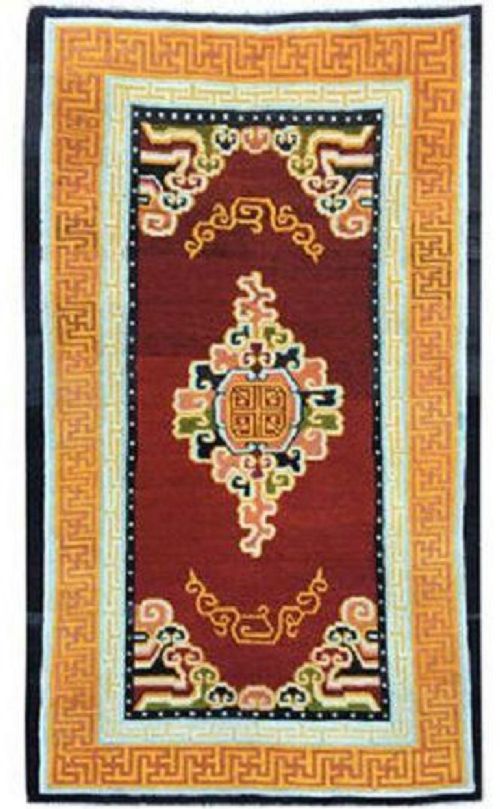
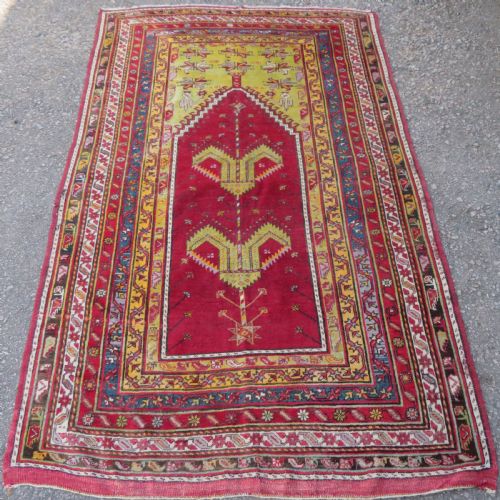
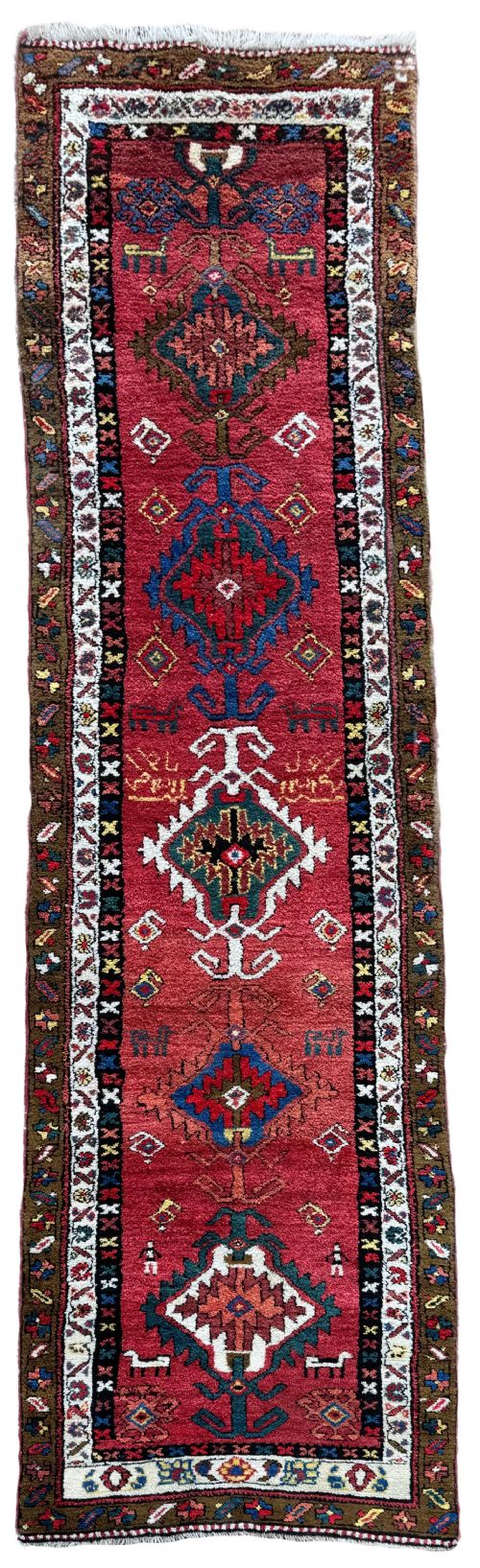
Red Wool Carpet Runner
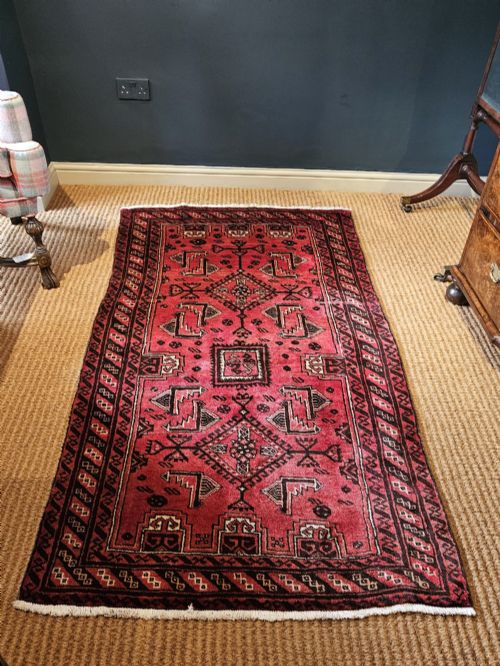
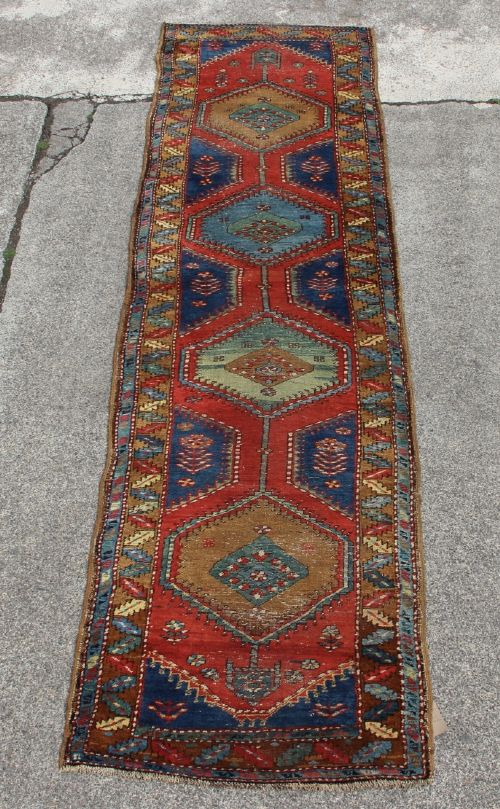
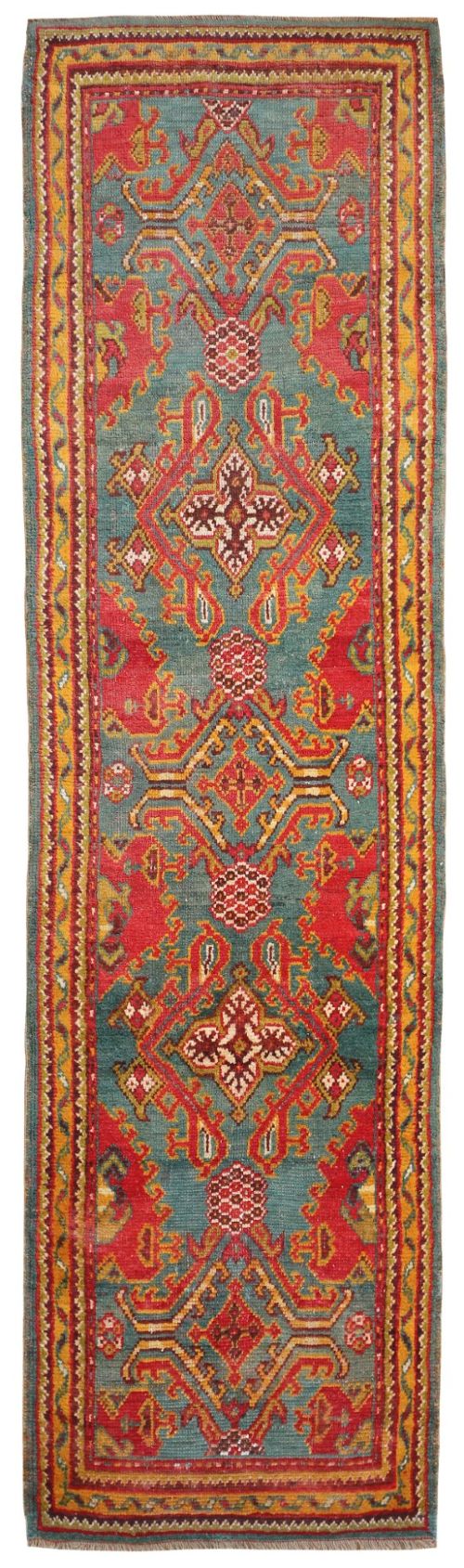
These red wool carpet runner pieces bring durable floor coverings into narrow spaces, shaped by the tribal weaving traditions of Persia, the Caucasus and Afghanistan.
Red Wool Carpet Runner
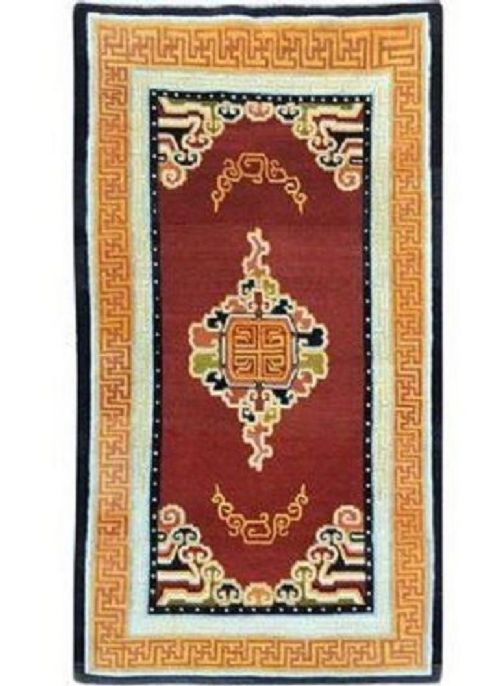
A red wool carpet runner is a narrow, elongated floor covering designed for corridors, hallways and passageways. The pieces seen here span periods from the late nineteenth century into the early twentieth century, taking the form of runner rugs, rug runners, and long corridor carpets.
Originating from tribal and regional weaving traditions, these examples include Afghan, Karabagh, Azeri, Karaja, Shashavan, and Kurdish styles. Buyers find traditional Persian compositions alongside distinctive Caucasian and tribal geometries, all executed in practical formats suited for foot traffic in domestic spaces.
How they were made
These textiles are constructed primarily from wool and cotton, combining durable wool pile with supportive foundation warps and wefts. Weavers knotted or wove these materials by hand, utilising regional techniques passed down through generations of tribal workshops.
The dominant red hue derives from natural and early synthetic dyes applied to locally sourced wool. Designs incorporate all-over shrub motifs and geometric field patterns native to North West Persia, the Caucasus, and surrounding regions.
Red Wool Carpet Runner Retail Price Guide 2026
Typical asking prices for red wool carpet runner among the pieces listed under this phrase on Sellingantiques today, from the lower quarter to the upper quarter. They describe what is for sale here now, not the wider market.
Materials across these listings are strictly limited to wool and cotton, styled in tribal and traditional Persian forms dating from 1870 to 1920.
What varies in quality
Quality in a red wool carpet runner rests on the tightness of the knotting and the integrity of the wool pile. Finer examples retain dense, resilient fibres that withstand sustained wear along corridors.
Artistic execution and dye consistency further separate standard pieces from superior works. Sharply defined tribal motifs and well-balanced palettes indicate careful execution by skilled hands.
The Red Wool Carpet Runner Glossary
- Runner
- A long, narrow carpet designed specifically for hallways, corridors, and stairs. Its proportions direct movement through narrow architectural spaces.
- Pile
- The vertical or upright loop of yarn that forms the usable surface of a carpet. In these pieces, durable wool pile provides both cushioning and insulation.
- Warp
- The stationary longitudinal threads held under tension on a loom. Foundation yarns such as cotton or wool support the entire textile structure.
- Weft
- The transverse threads passed across the warp to bind the knots in place. Proper beat-down of the weft creates a firm, stable fabric.
Red Wool Carpet Runner: Frequently Asked Questions
Where should I place a runner?
These pieces suit narrow domestic spaces such as hallways, corridors, and entryways where length is required. They protect timber floors and add warmth to transit areas.
Ensure the dimensions match the passageway, leaving a border of exposed floor on either side for visual balance.
How do I care for wool carpets?
Regular gentle vacuuming without a rotating brush roll keeps wool pile free from embedded grit. Protect the textile from prolonged direct sunlight to preserve the red dyes.
Professional cleaning suited for antique textiles maintains the integrity of the wool and foundation threads over time.
What periods do these pieces span?
The examples on this page date from the late nineteenth century through the early twentieth century. Specifically, they cover the eighteen-seventies, eighteen-nineties, nineteen-hundreds, and nineteen-twenties.
Such dates reflect the operational eras of traditional weaving communities in Persia, the Caucasus, and Afghanistan.
How do tribal designs differ?
Tribal designs from groups such as the Kurds, Shahsevan, and Azeri weavers feature geometric layouts and repeating motifs rather than court-derived floral curves. These patterns reflect regional heritage and local weaving conventions.
Differences in border arrangements and field symbols help attribute pieces to specific areas like North West Persia or the Caucasus.