





Antique Hallway Runner Rug
An antique hallway runner rug brings authentic nineteenth century tribal design and enduring wool warmth to narrow domestic spaces.
Antique Hallway Runner Rug
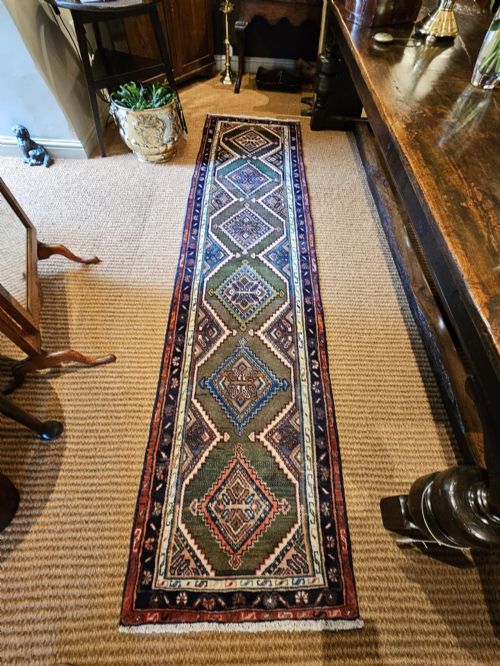
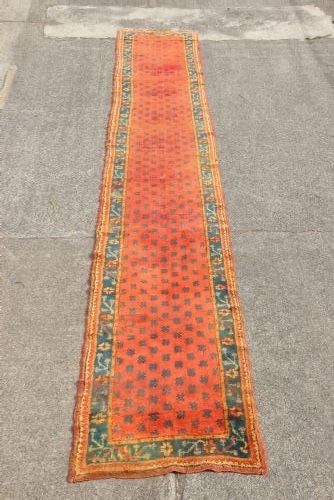
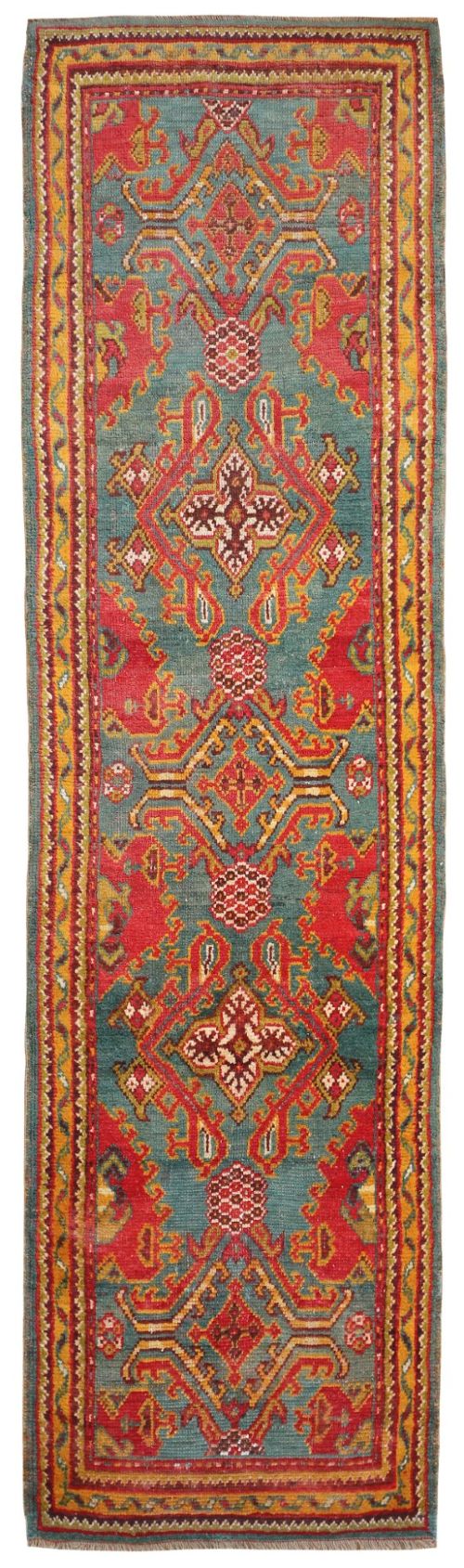
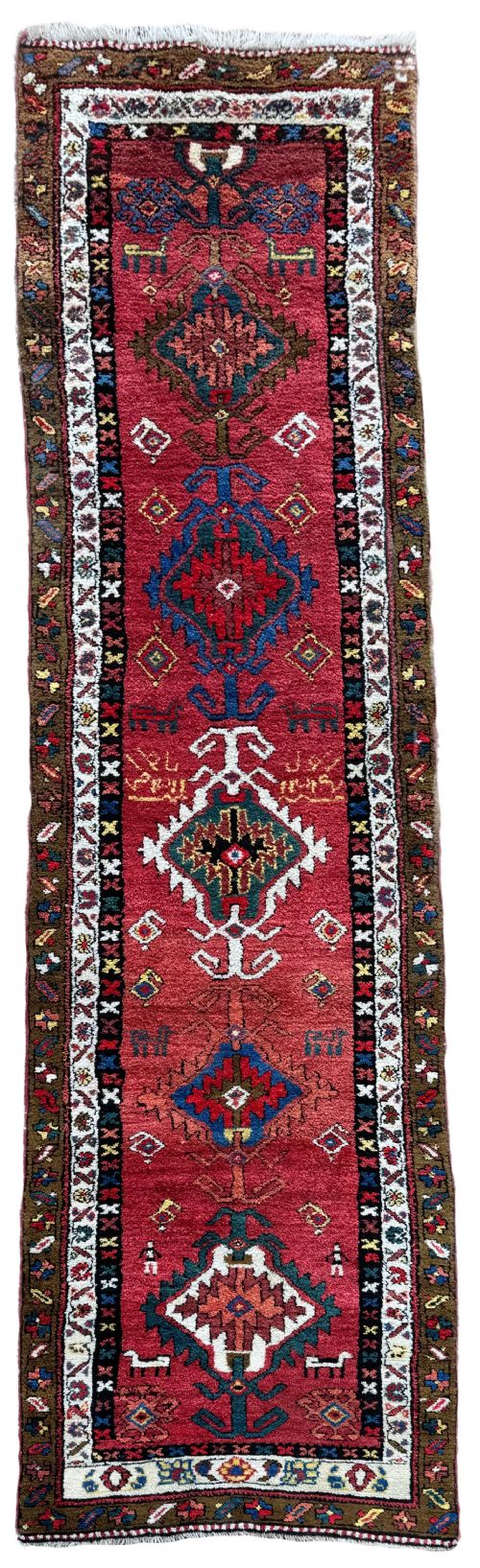
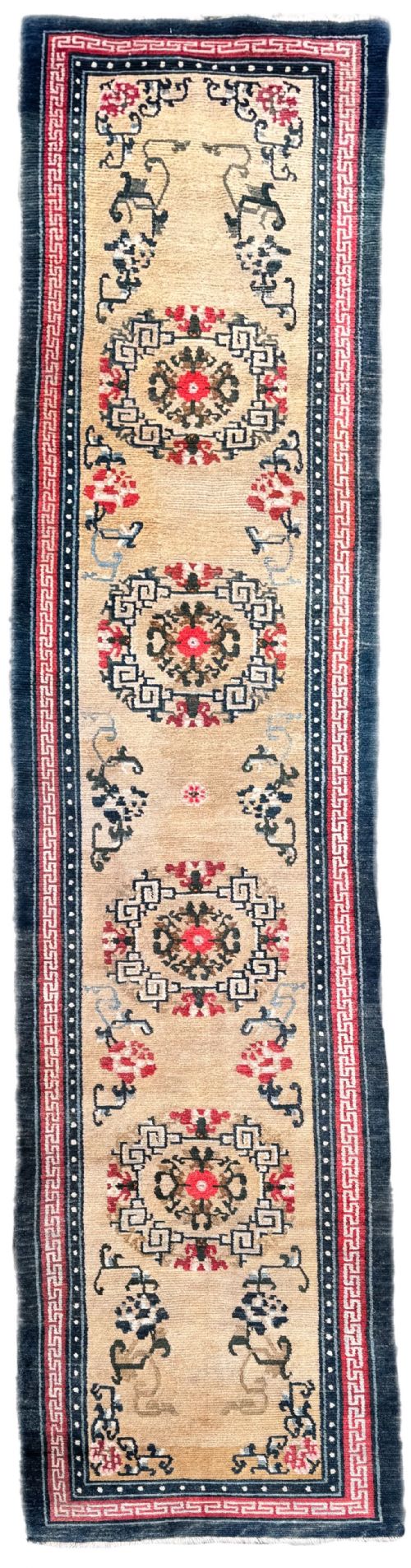
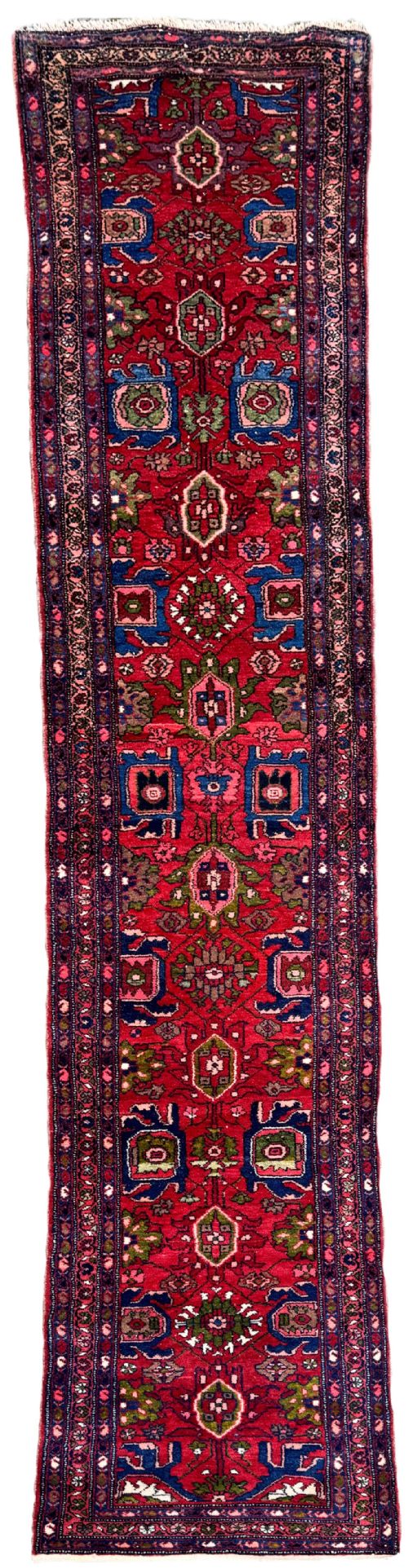
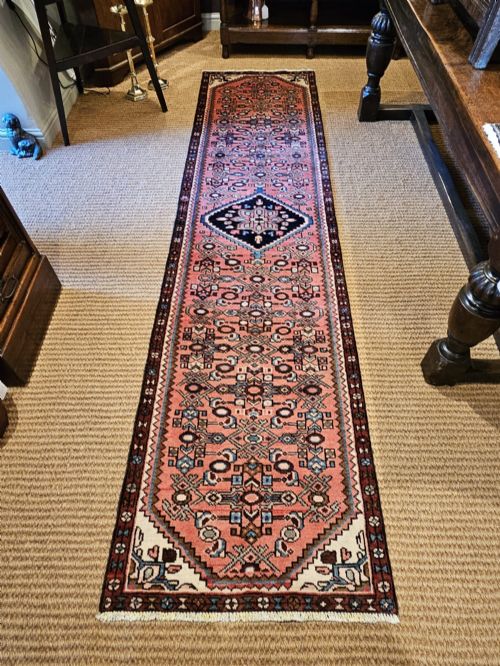
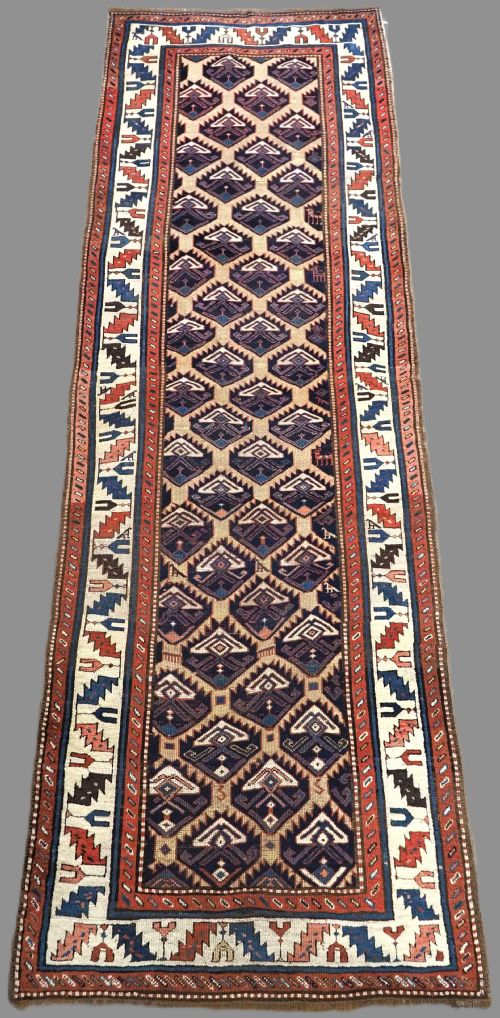
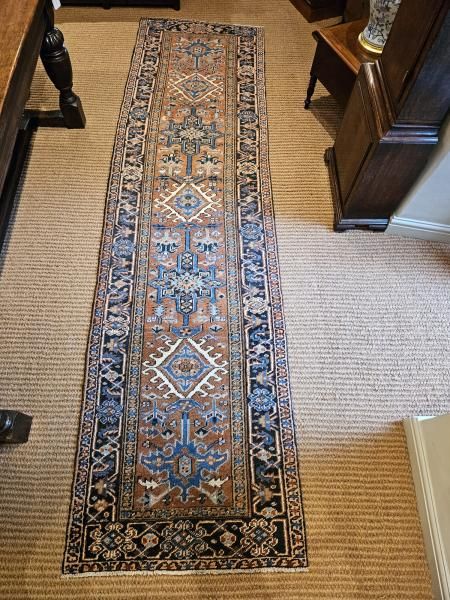
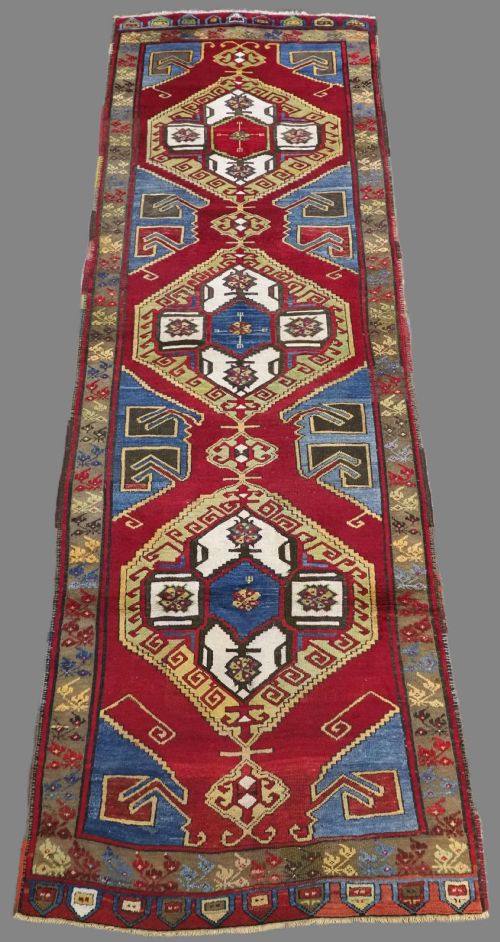
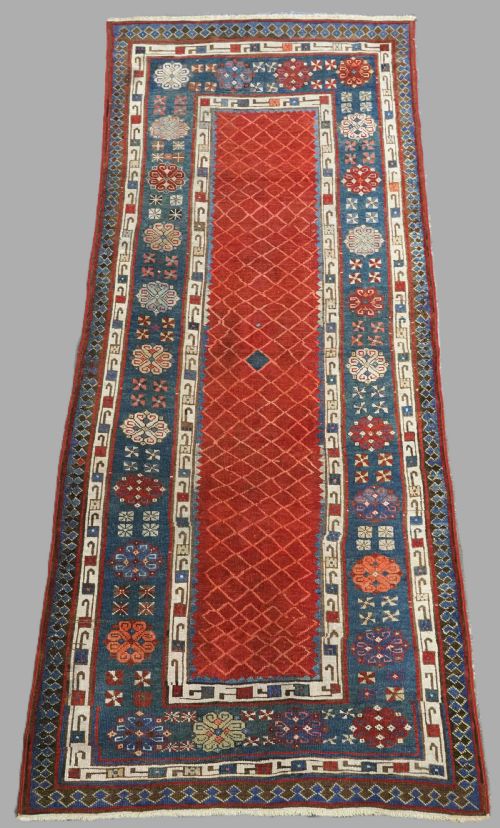
When you search for an antique hallway runner rug, you are looking at elongated floor coverings traditionally placed in corridors and narrow spaces. These pieces originate from nineteenth century tribal workshops, including Kurdish, Caucasian, Baktiari, Karaja, and Baluch traditions. You are most likely to meet wool runners featuring all over shrub motifs, garden designs, and traditional tribal patterns.
The format serves the practical purpose of protecting floors in long passageways while displaying intricate regional weaving. These runners date from the 1880s, 1890s, and around 1900, representing a specific period of nomadic and village production. Each piece reflects the distinctive aesthetic choices of the weavers from particular regional traditions.
How they were made
These pieces are constructed using natural materials, predominantly wool and cotton. Weavers utilised traditional hand knotting and flatweaving techniques, such as the Soumak method seen in kilim production, to build durable floor coverings.
The structure relies on sturdy wool foundations and pile, often combined with cotton elements, dyed with natural colorants that yield the rich tones seen across these nineteenth century examples.
Antique Hallway Runner Rug Retail Price Guide 2026
Typical asking prices for hallway runner rug among the pieces listed under this phrase on Sellingantiques today, from the lower quarter to the upper quarter. They describe what is for sale here now, not the wider market.
Some nineteenth century weavers commemorated specific years by weaving exact dates directly into the rug field.
What varies in quality
The standard of an antique runner is determined by the clarity of the design and the integrity of the weave. Finer examples display precise execution of traditional motifs, such as detailed shrub or garden patterns, alongside balanced proportions.
Condition and the depth of natural colour separation dictate the standing of individual pieces. Strong structural survival combined with well preserved pile distinguishes the finer rugs from simpler village work.
The Antique Hallway Runner Rug Glossary
- Runner
- A long, narrow carpet format designed specifically for corridors, hallways, and staircases. This shape accommodates confined spaces while providing a continuous display of pattern.
- Soumak
- A flatweave technique involving wrapping weft threads over the warp to create a durable, textured surface without a cut pile. This method results in a sturdy structure often associated with specific tribal weaving traditions.
- Tribal
- Describing woven objects produced by nomadic or village groups rather than urban manufactories. These pieces typically feature geometric motifs and regional designs passed down through generations.
- Pile
- The upright yarn loops or tufts that form the usable surface of a rug. The density and condition of this layer define the tactile quality of the textile.
Antique Hallway Runner Rug: Frequently Asked Questions
Where should I place an antique hallway runner rug?
These elongated rugs suit narrow transit spaces like corridors, entryways, and passages. Their proportions guide movement while introducing historic pattern and texture to functional areas.
Ensure the placement allows doors to clear the pile easily. Using an appropriate underlay helps keep the piece stable on hard hallway floors.
How do I care for an antique wool runner?
Maintenance involves regular gentle vacuuming without a rotating brush head to protect the old fibres. Professional cleaning suited to antique textiles preserves the integrity of the materials.
Keep the rug away from prolonged direct sunlight to prevent fading of natural dyes. Rotating the piece periodically ensures even wear across high traffic sections.
What defines Kurdish tribal rugs?
Kurdish weaving originates from communities inhabiting mountainous regions, known for sturdy construction and distinctive motifs. These pieces frequently incorporate geometric patterns and all over shrub designs.
The use of robust wool and saturated colour palettes gives these runners a resilient character. They represent the practical domestic output of nineteenth century village workshops.
How do I identify nineteenth century Caucasian runners?
Caucasian pieces from the nineteenth century often feature sharp geometric configurations, stylized garden layouts, and balanced border systems. Workshops in regions such as Shirvan and Karabagh developed specific graphical vocabularies.
The combination of crisp drawing and saturated colour distinguishes these long rugs from other tribal traditions. Examining the knotting style and structural materials provides further clues to their origin.