



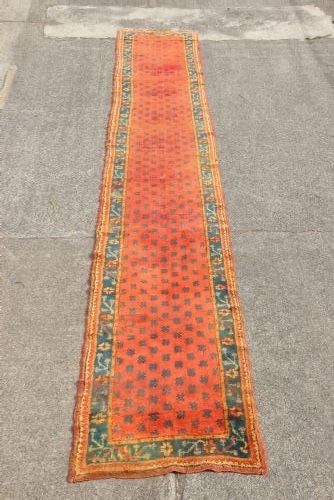

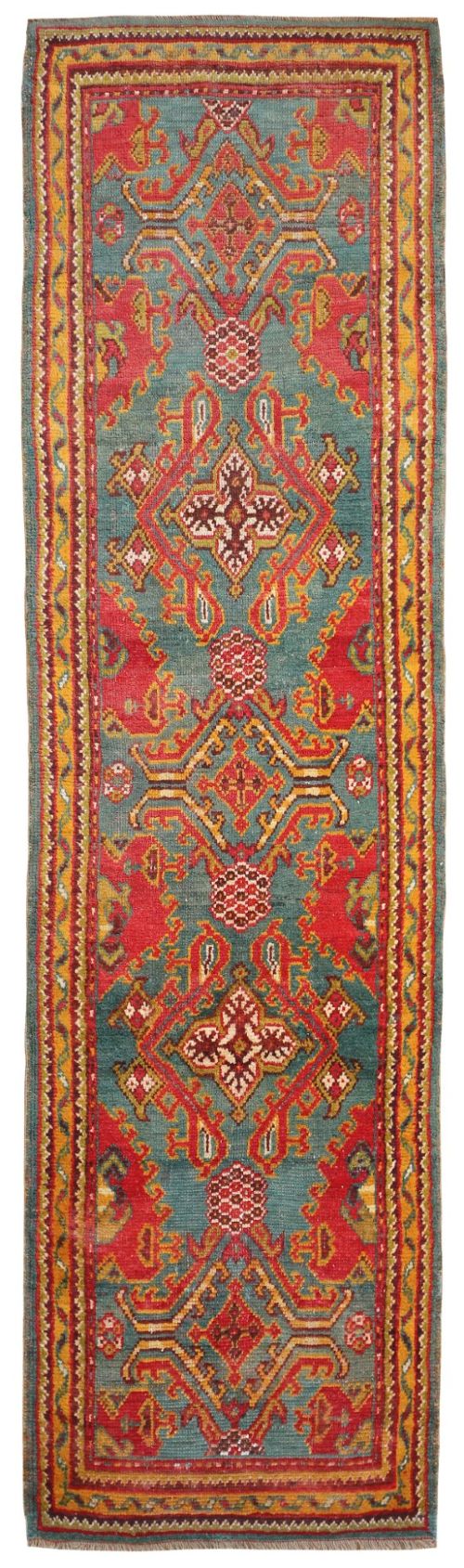

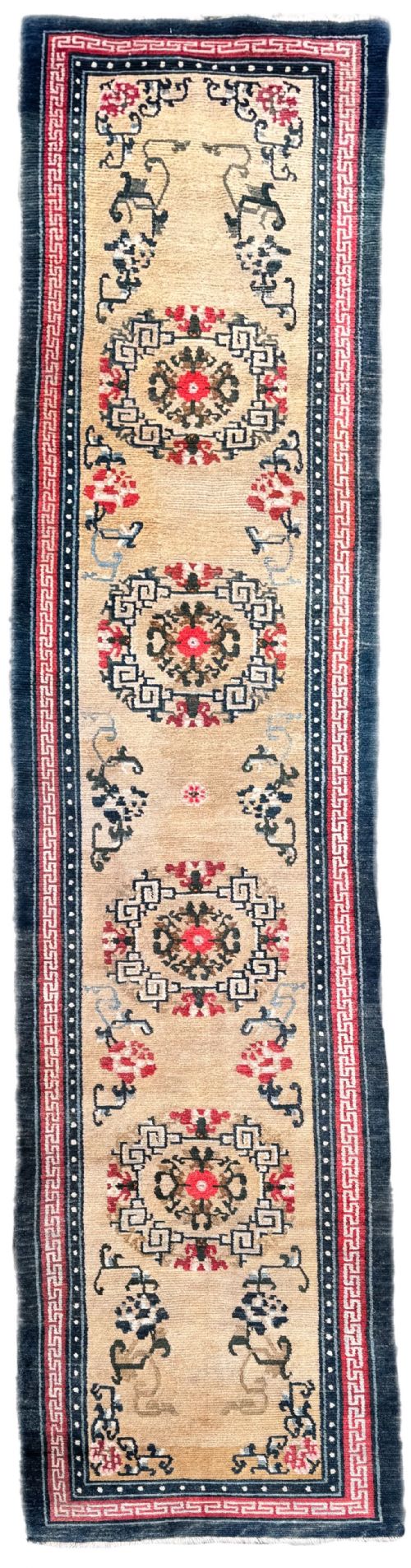

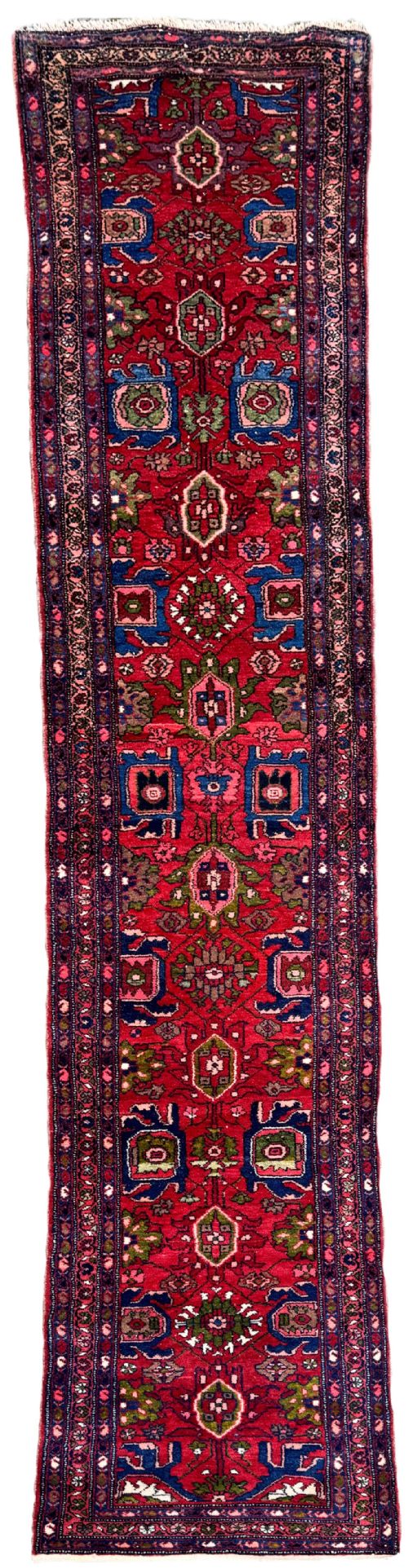
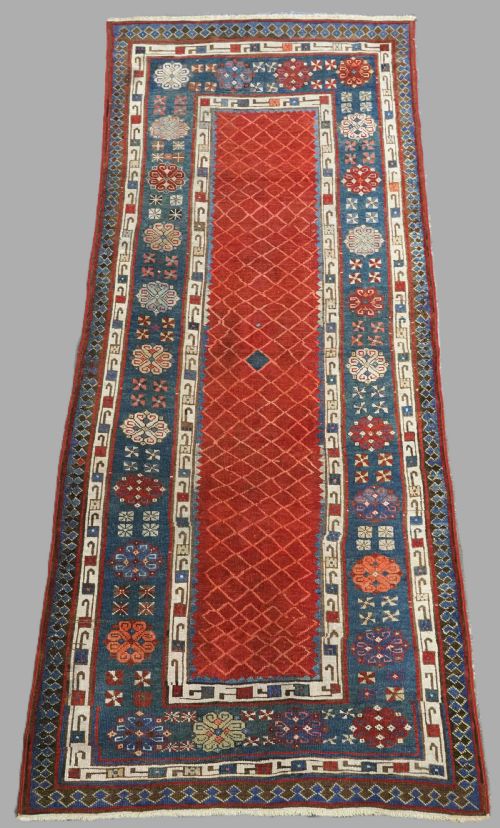

Hand Knotted Hallway Rug
A hand knotted hallway rug brings tactile warmth and enduring regional patterns straight to domestic corridors.
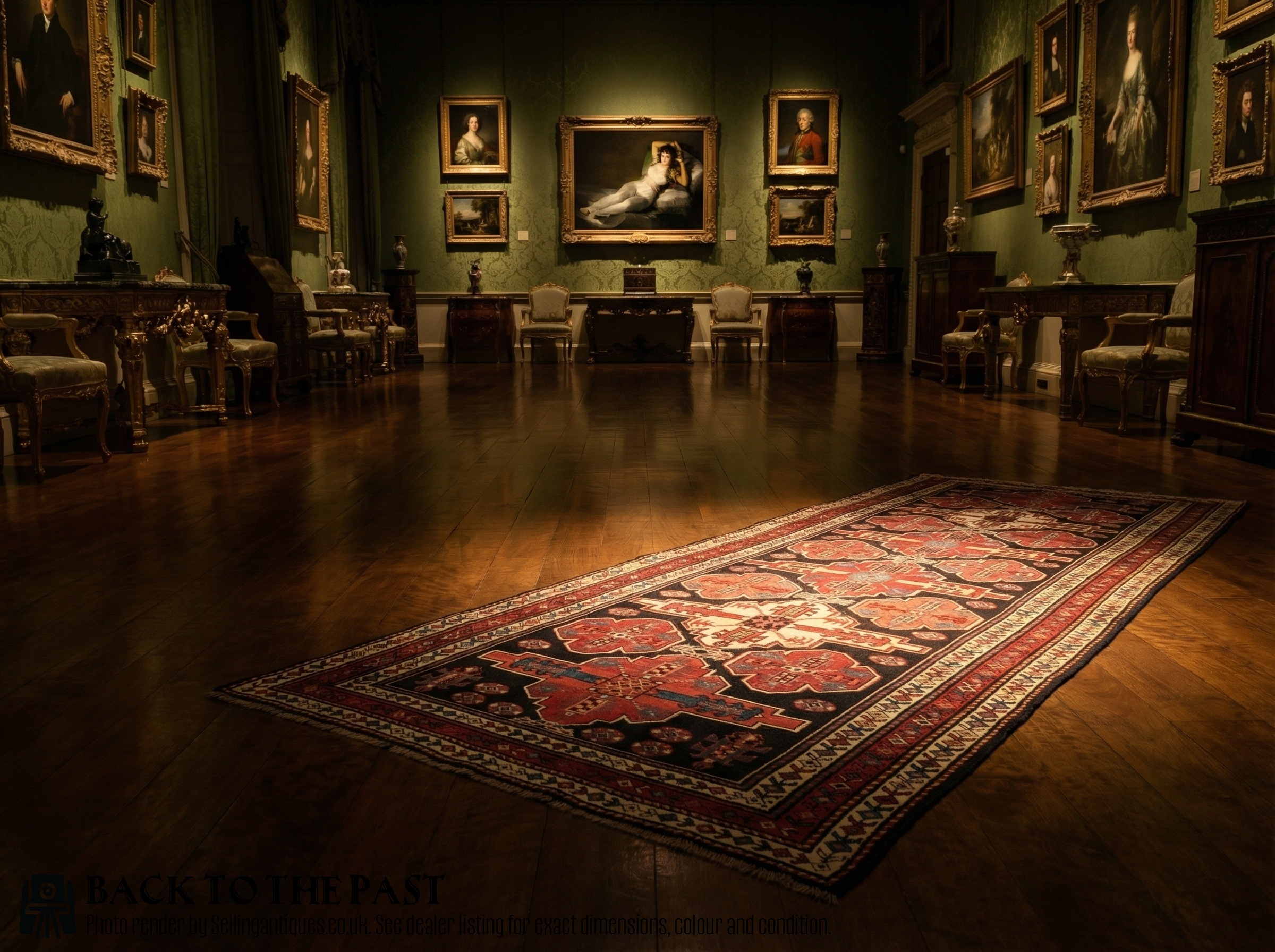
Hand Knotted Hallway Rug
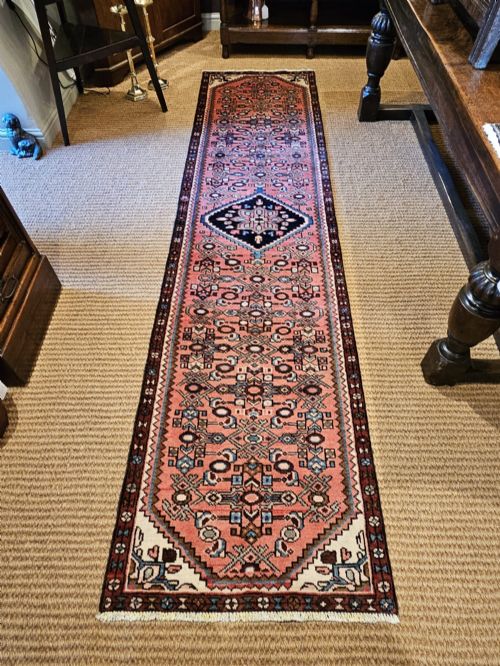
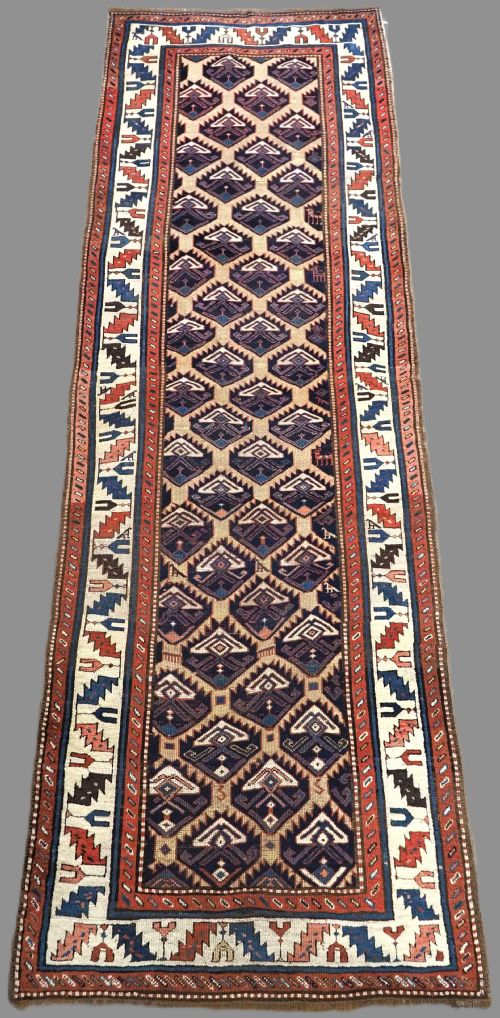
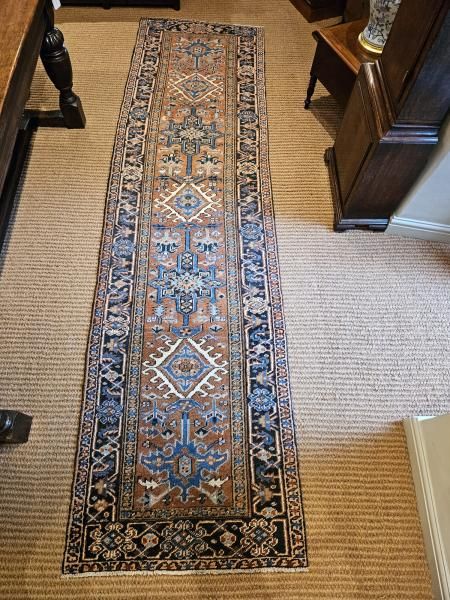
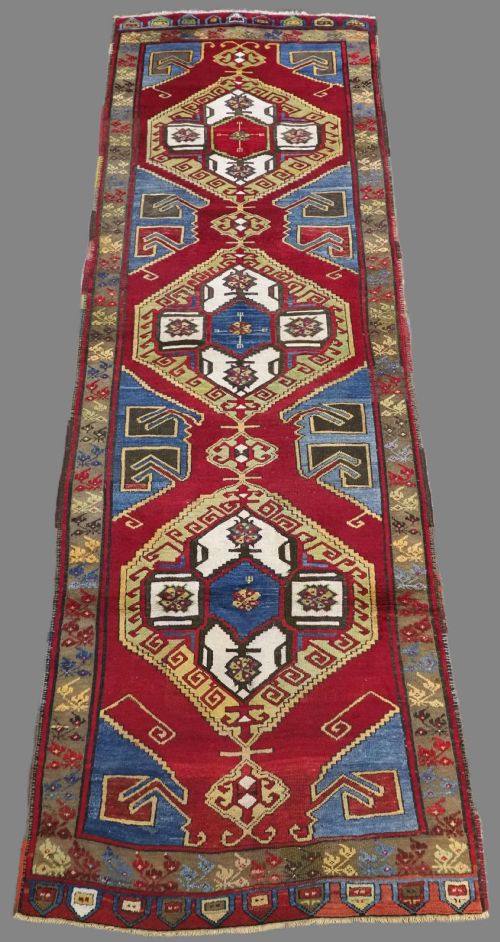
When you search for a hand knotted hallway rug, you are looking at long, narrow floor coverings designed to fit narrow spaces like corridors, landings and passages. The examples gathered here span from the nineteenth century into the early twentieth century, originating primarily from weaving traditions across Persia, the Caucasus and Turkey. These pieces take the form of runner rugs and long rugs, constructed to withstand foot traffic while displaying traditional motifs.
The selection on this page relies heavily on regional village and tribal workshops rather than formal city looms. You will encounter Kurdish, Bakshaish, Heriz, Ushak, Shirvan and Caucasian pieces, often characterised by geometric medallions, lattice layouts and tribal field patterns. These runners range from compact lengths to exceptionally long formats stretching past five metres, suited to grand hallways and modest passageways alike.
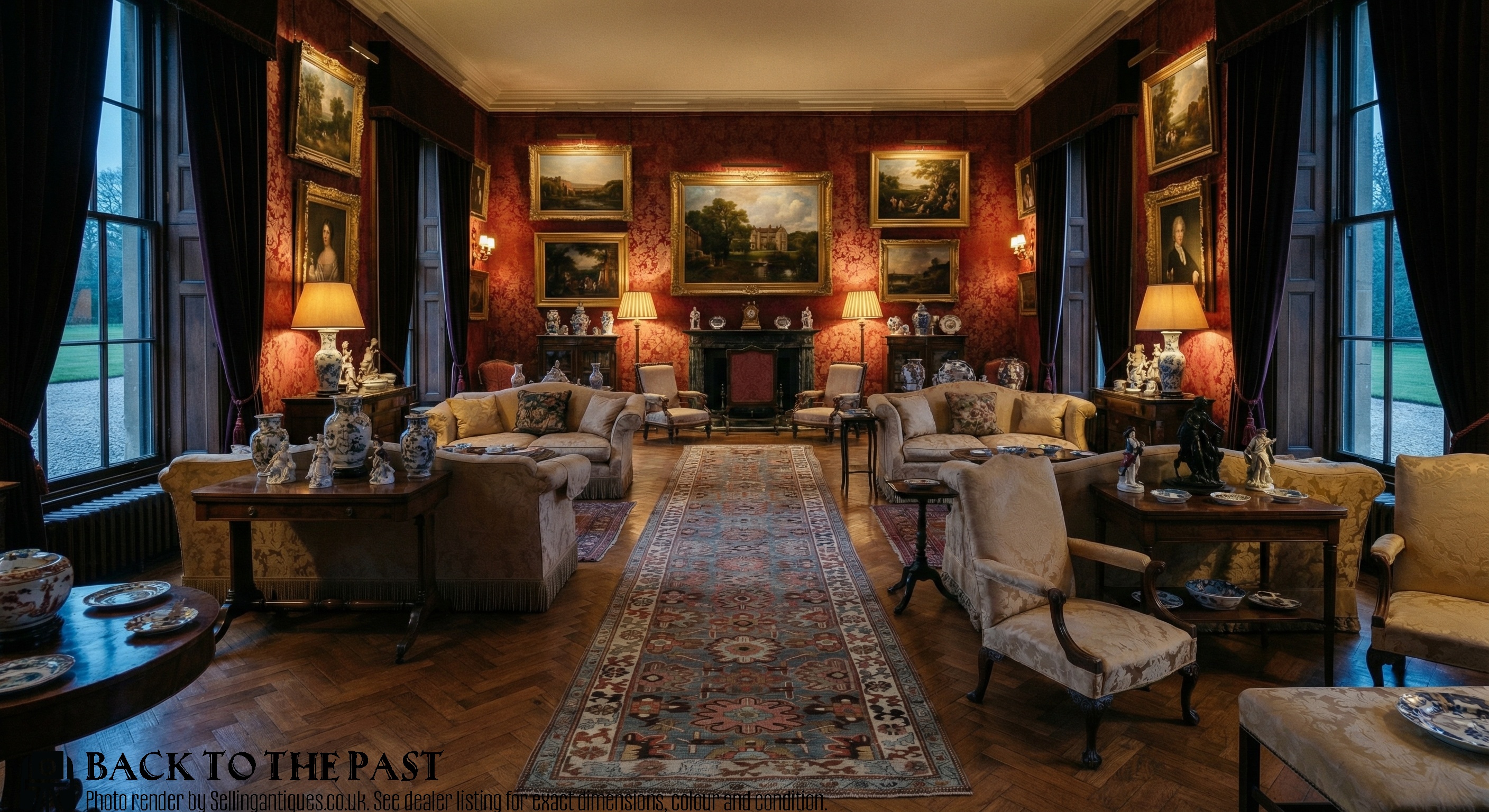
Materials and construction methods
The foundational materials recorded across these pieces consist almost entirely of wool and cotton. Hand-spun wool provides the durable pile that absorbs dye and softens with age, while cotton typically supplies the structural warp and weft threads that give the runner its linear stability.
Weavers tied individual knots by hand onto the vertical warp threads, a labour-intensive technique that secures the pile firmly in place. Natural dyes extracted from local plants and minerals yielded the rich reds, navies, indigos and earthy tones seen across the nineteenth and early twentieth-century inventory.
Hand Knotted Hallway Rug Retail Price Guide 2026
Typical asking prices for hand knotted hallway rug among the pieces listed under this phrase on Sellingantiques today, from the lower quarter to the upper quarter. They describe what is for sale here now, not the wider market.
Listings feature wool and cotton materials across periods spanning from the 1860s through the 1920s.
Measures of quality in antique runners
Quality in a hand knotted hallway rug rests on the density of the knotting and the precision of the tribal design. Finer knot counts allow complex geometric lattices, such as Mina Khani or repeat medallion patterns, to resolve with crisp definition along the narrow field.
The integrity of the foundation and the balance of the wool pile also distinguish finer examples. Even when pieces show age-related distress or wear, a superior runner maintains structural tension along the selvedges and harmony in its natural colour palette.
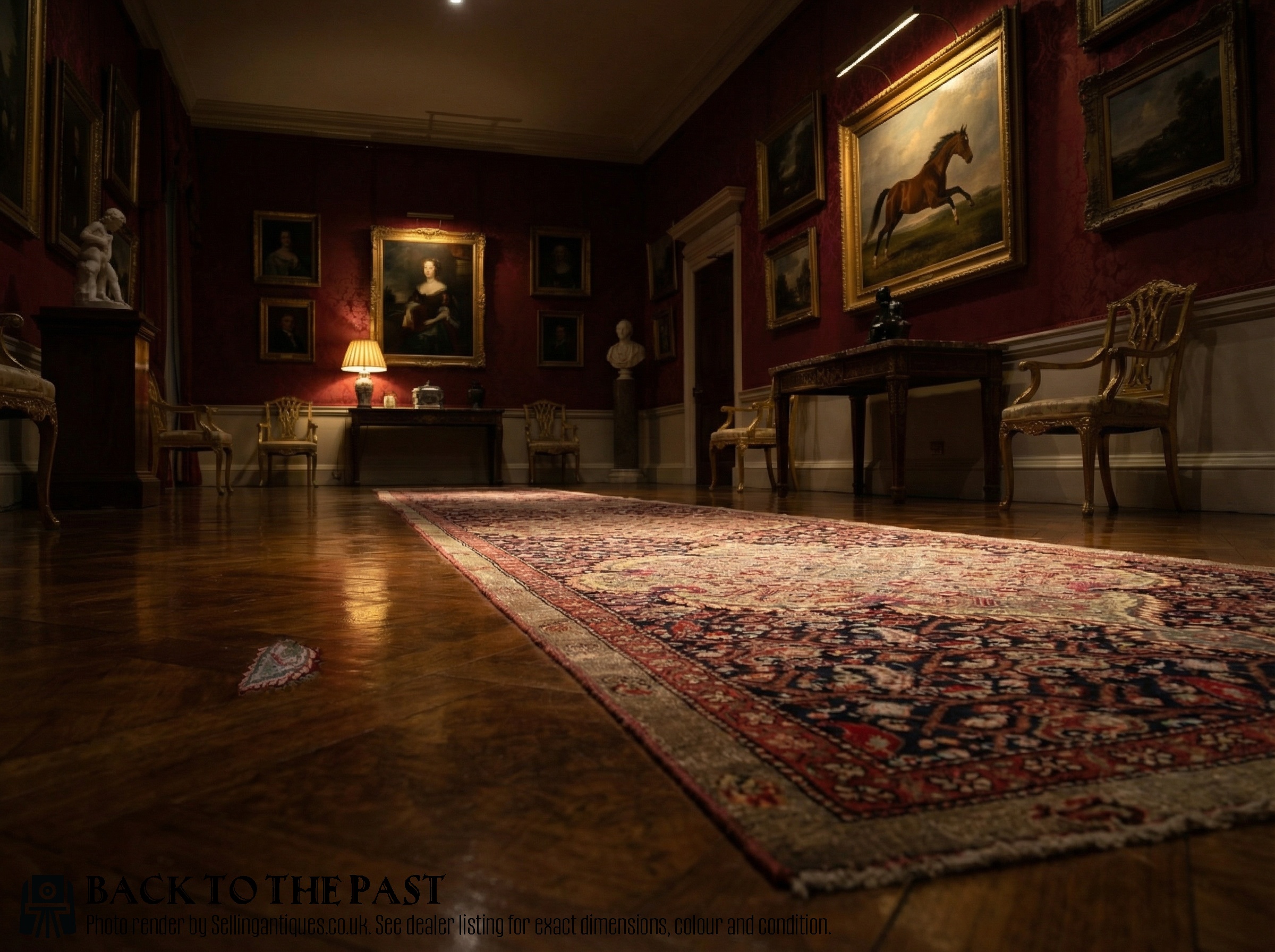
The Hand Knotted Hallway Rug Glossary
- Runner
- A long, narrow carpet format specifically proportioned for corridors, hallways and stairs. These pieces measure significantly longer than they are wide to guide movement through domestic spaces.
- Warp
- The vertical foundation threads stretched lengthwise on the loom before knotting begins. Cotton is the standard material used for these structural elements in the pieces shown.
- Weft
- The horizontal threads passed back and forth between warp threads after rows of knots are completed. They bind the structure together across the width of the rug.
- Pile
- The upright surface of yarn formed by the ends of the knots. This tactile layer provides cushioning and displays the dyed patterns.
- Selvedge
- The reinforced side edges of a rug formed by wrapping extra warp threads. A sound selvedge prevents the edges from fraying over decades of use.
Hand Knotted Hallway Rug: Frequently Asked Questions
How do I measure for a hallway runner?
Measure the clear floor space of your corridor, leaving an equal margin of exposed wood or tile around the perimeter. Account for door clearances so the rug does not obstruct interior swinging doors.
Keep in mind the typical proportions of antique runners, which often exceed three metres in length. Matching the runner length to architectural landmarks like doorways or console tables creates a balanced look.
Were these runners made for hallways originally?
Many tribal and village pieces served multiple domestic purposes, including bedside placement or main room flooring, depending on tribal customs. Long formats were naturally suited to narrow domestic spaces, tents or nomadic dwellings.
Over time, dealers and collectors classified these narrow rectangular formats as hallway runners due to their ideal dimensions for modern corridors.
How do I tell Caucasian runners from Persian ones?
Caucasian runners, such as those from Shirvan or Gendje, tend to feature sharper geometric medallions, hooked polygons and crisper, more saturated primary colours. Their structural stiffness and distinct latch-hook motifs set them apart.
Persian tribal runners, including Kurdish or Heriz examples, frequently incorporate softer curve-linear elements, earthy tones, and more fluid lattice arrangements across the wool field.
How do I care for an antique wool runner?
Vacuum the runner gently with a suction-only attachment, avoiding rotating brush bars that can pull at the hand-knotted wool pile. Lift and shake the piece outdoors periodically to dislodge embedded grit.
Use a breathable, high-friction underlay beneath the rug to prevent slipping on hard hallway floors and to reduce friction between the cotton foundation and the subfloor.