


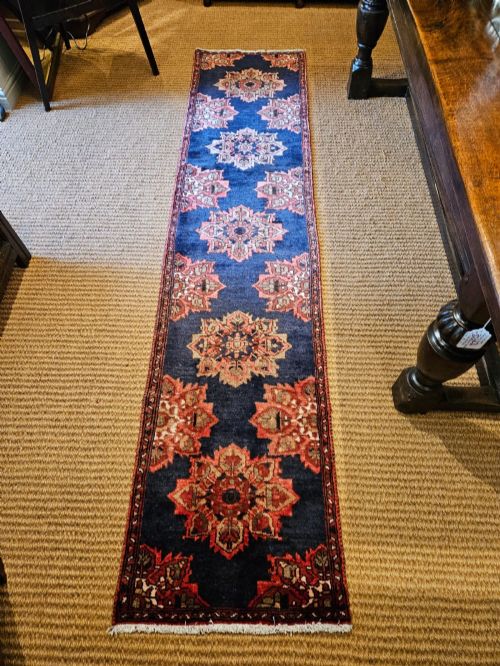
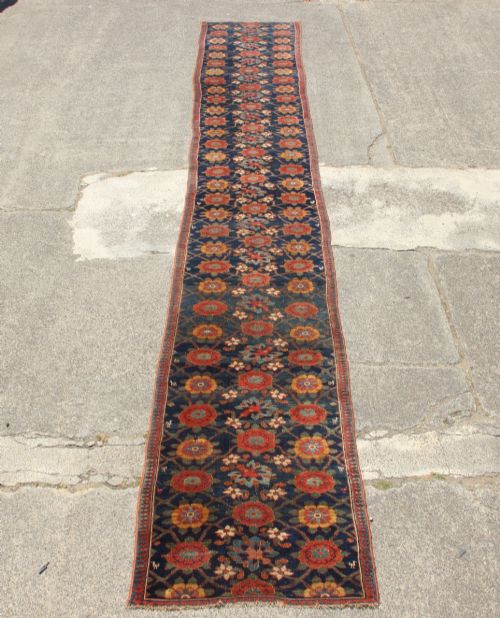
Long Hallway Carpet
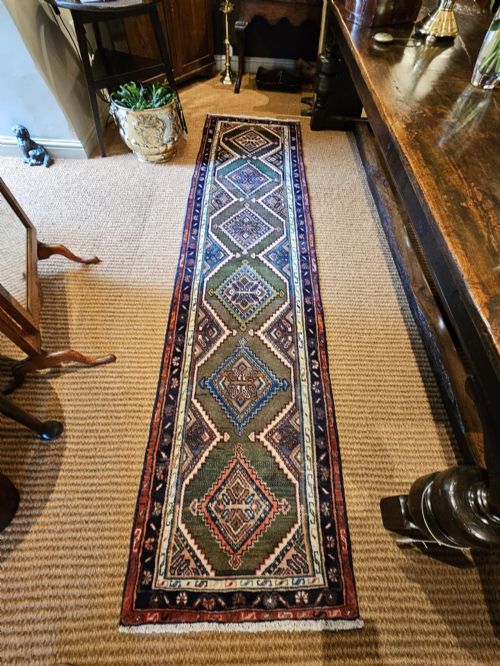
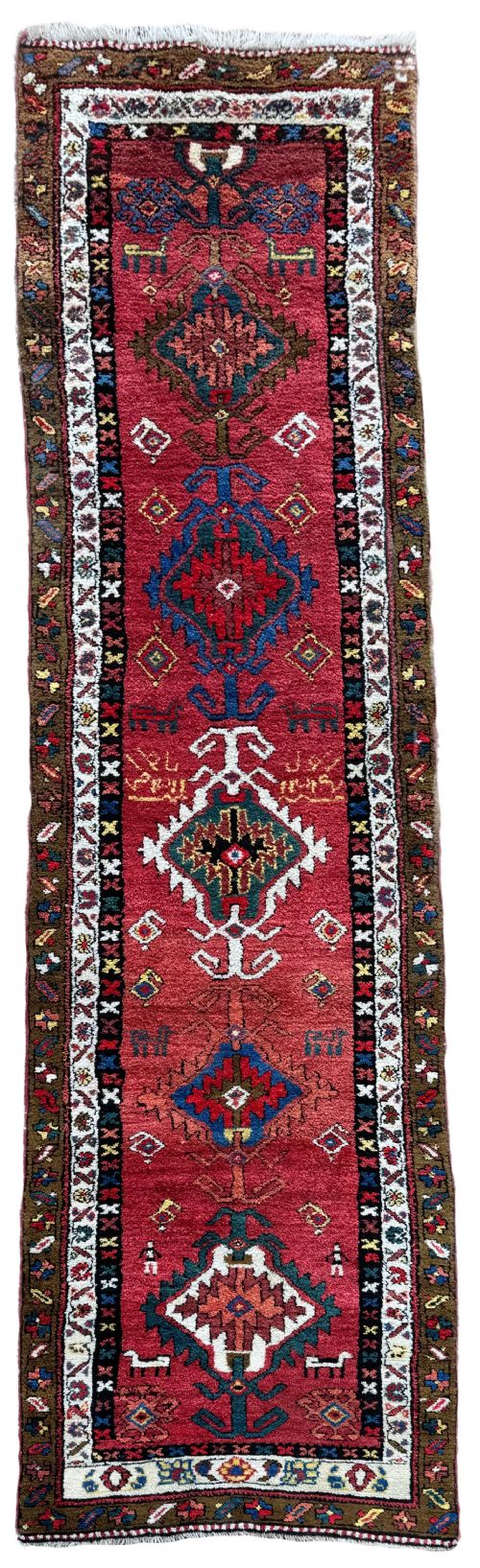
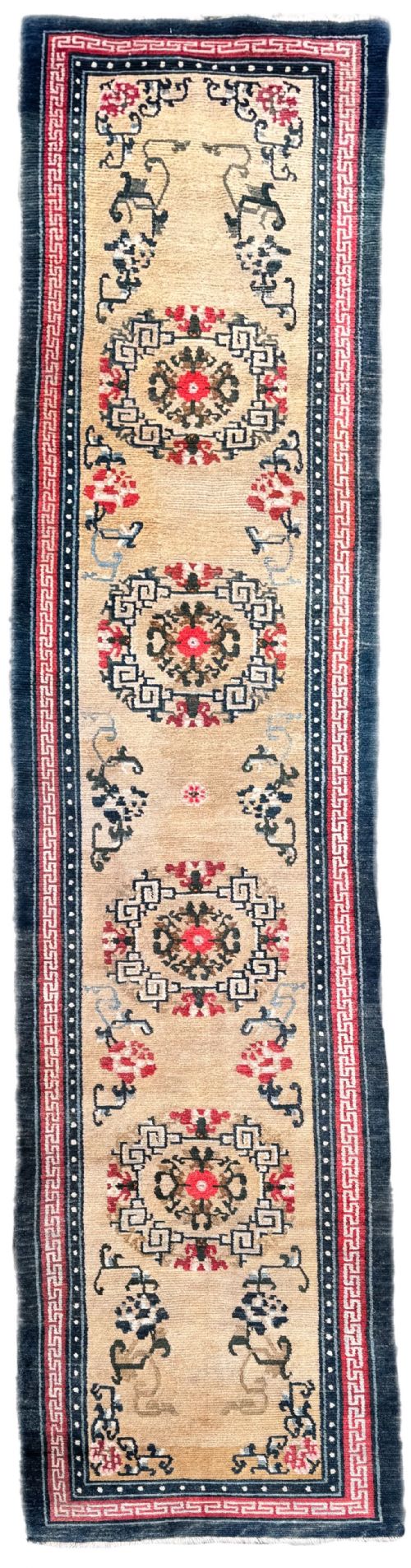
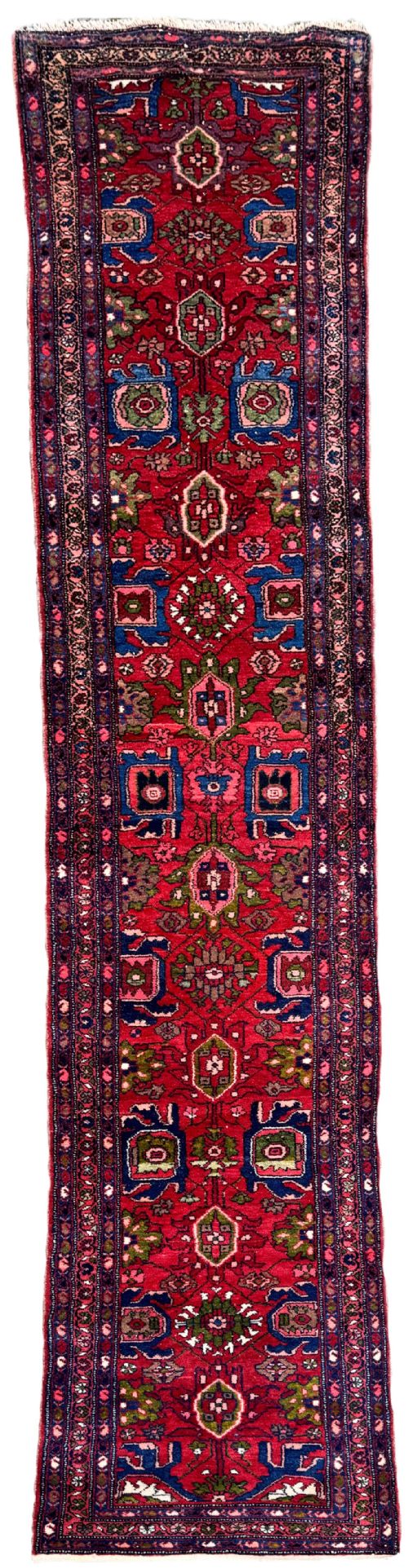
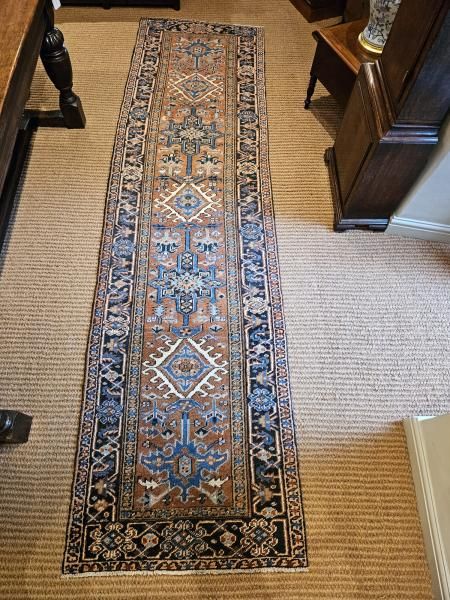
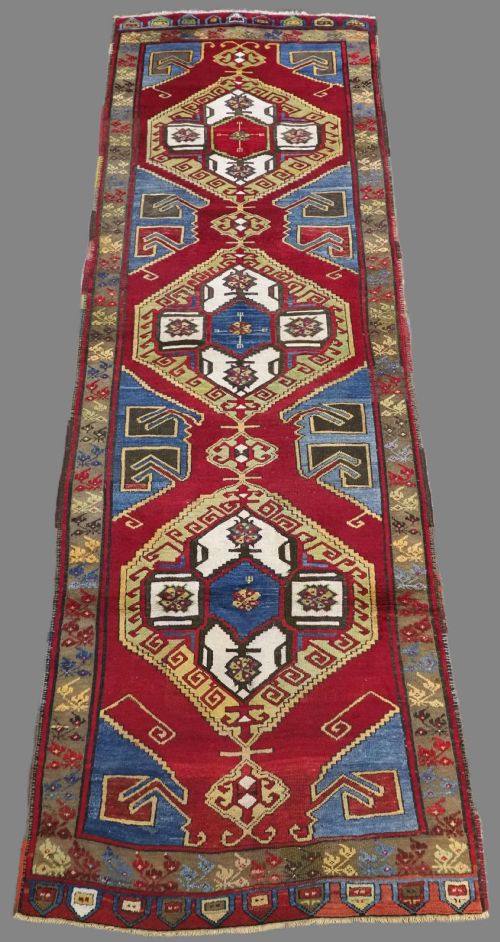
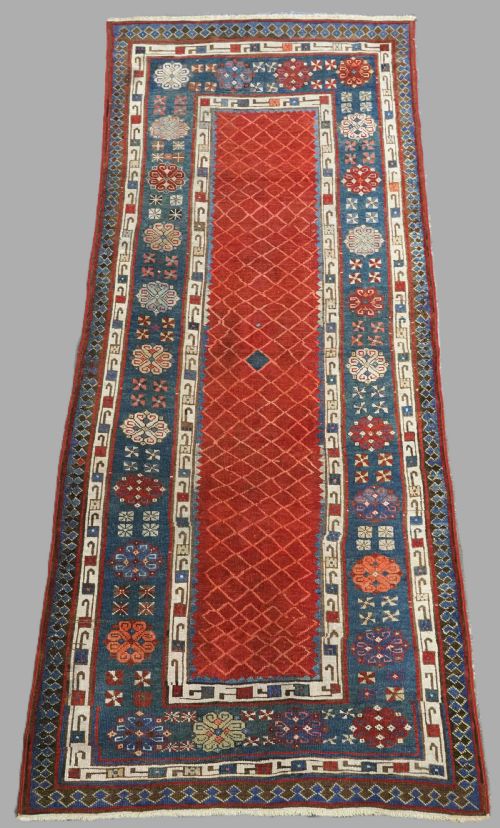
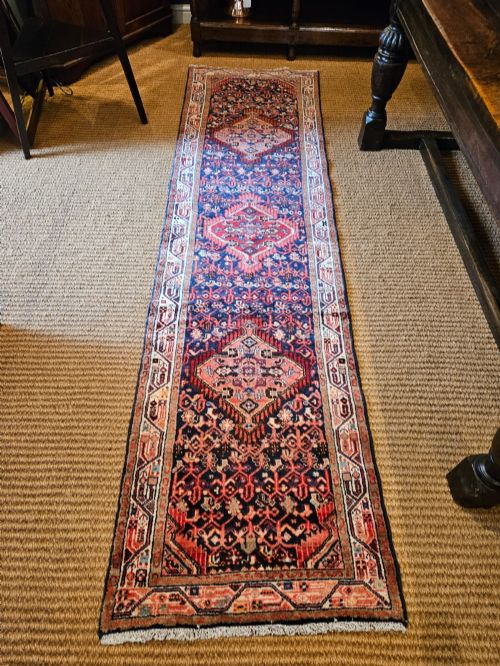
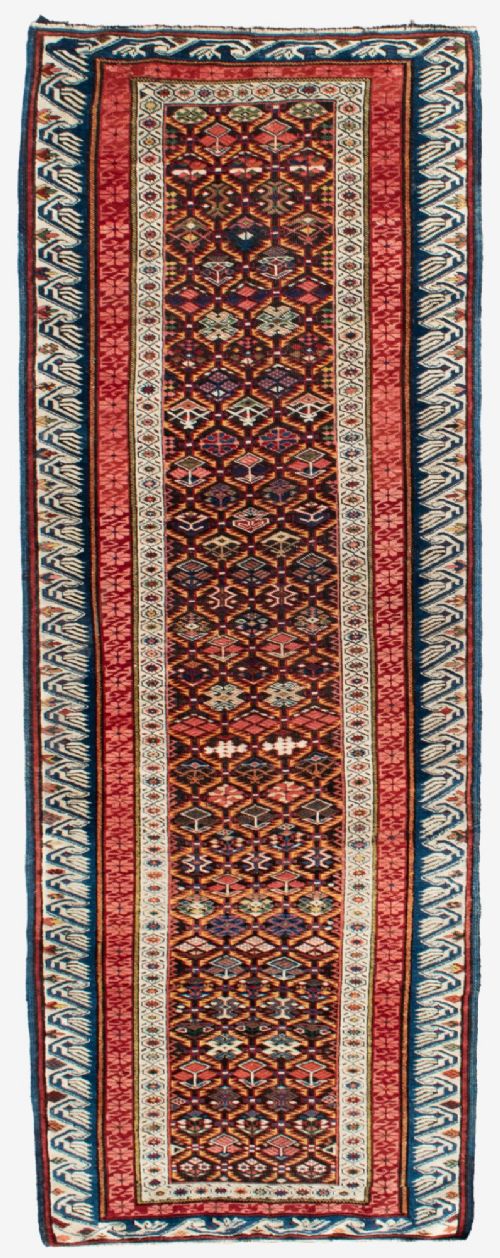
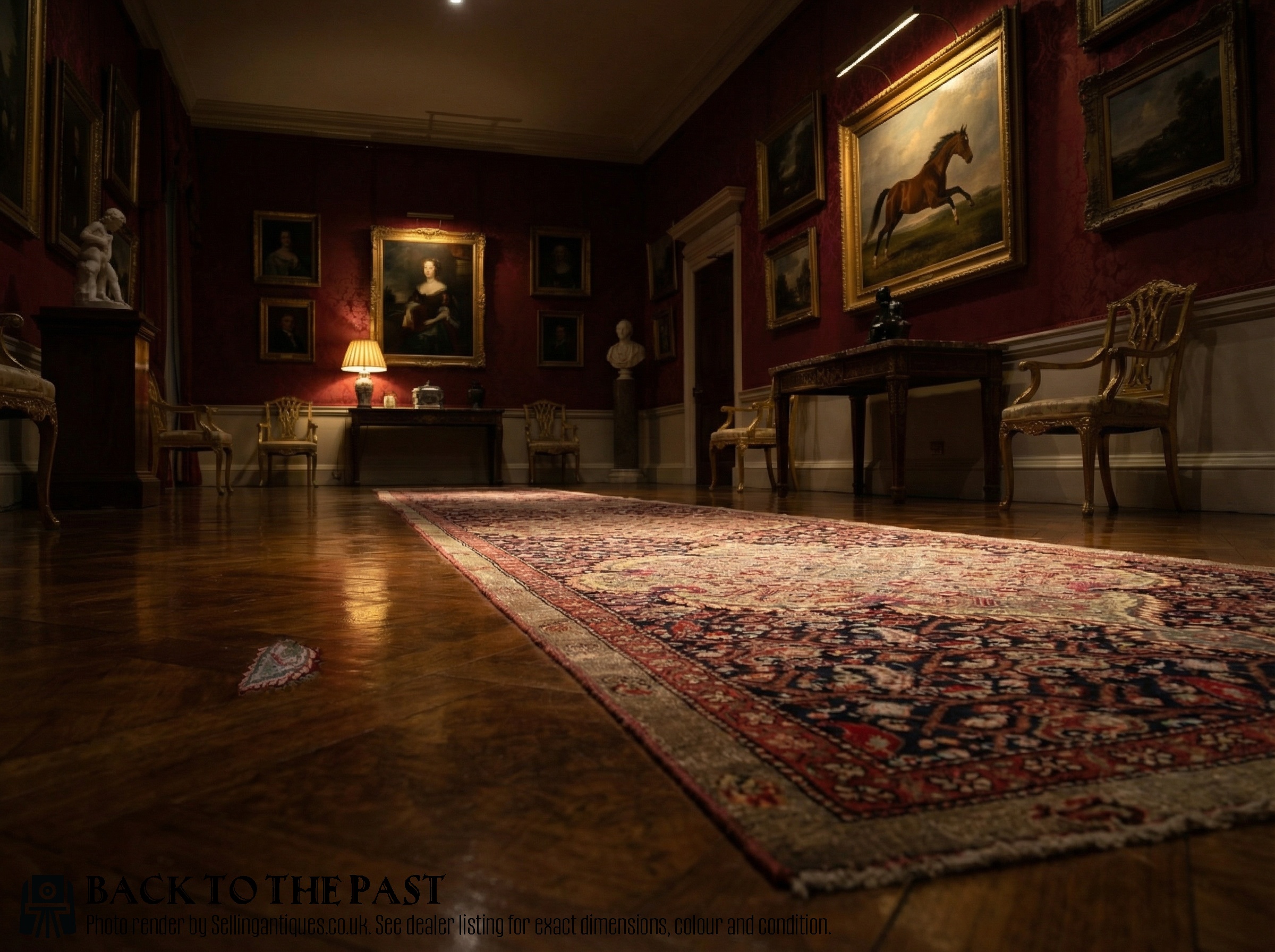
A long hallway carpet brings warmth and colour to narrow spaces, drawing the eye down extended floorboards with rich traditional patterns.
Long Hallway Carpet
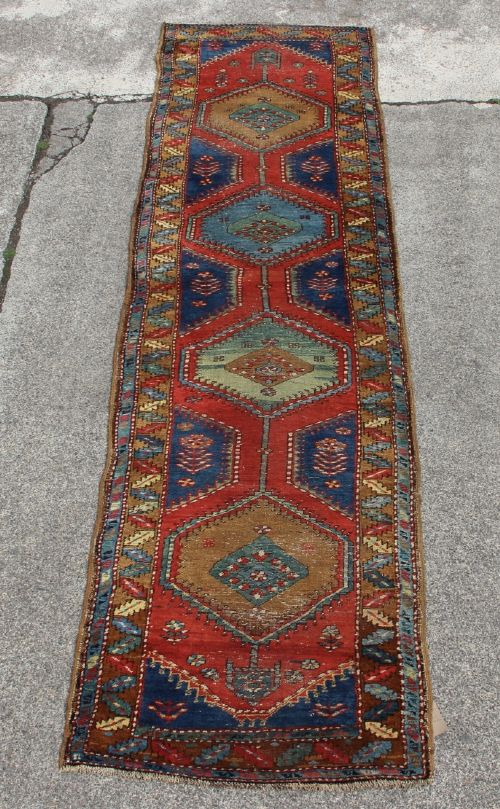
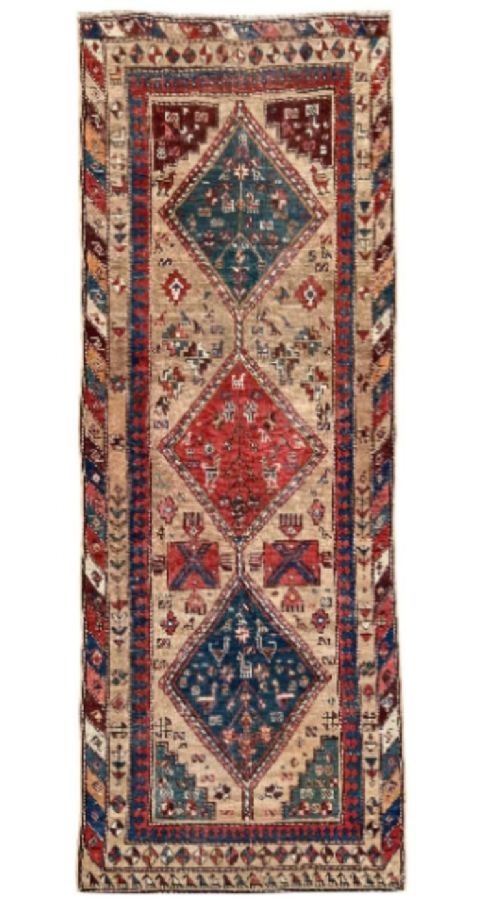
A long hallway carpet typically takes the form of a runner rug, designed specifically to span narrow passages and corridors. These textiles originate from diverse regions, including Persian, Caucasian, Kurdish, and Anatolian traditions.
The pieces available span from the late nineteenth century into the early twentieth century, incorporating periods such as 1860, 1870, 1880, 1900, and 1920. Forms include runner rugs, hallway runners, and long rugs suited for domestic architecture.
How they were made
Construction relies primarily on natural materials such as wool and cotton, occasionally incorporating camel hair for pile and foundation yarns. Certain pieces utilise flatweave kilim techniques alongside traditional knotted pile.
Weavers constructed these long carpets by hand on vertical or horizontal looms, tying individual knots or weaving flat structures to form intricate geometric and floral motifs.
Long Hallway Carpet Retail Price Guide 2026
Typical asking prices for long hallway carpet among the pieces listed under this phrase on Sellingantiques today, from the lower quarter to the upper quarter. They describe what is for sale here now, not the wider market.
Some nineteenth-century weavers let diagonal boteh motifs march steadily down the floor, turning a simple corridor into a journey.
What varies in quality
Quality rests in the precision of the weave and the clarity of the design motifs, whether handling a geometric Mina Khani pattern or a European-influenced Karabagh layout. Finer knotting denseness and tightly beaten foundations create greater resilience.
The choice of dye materials and the finesse of the wool influence the depth of colour and the tactile handle of the carpet. Regional characteristics, from Hamadan to Sarab, show distinct standards in spinning and finishing.
The Long Hallway Carpet Glossary
- Runner
- A long, narrow carpet format specifically proportioned for corridors, hallways, and staircases. It guides movement through domestic spaces.
- Pile
- The upright yarn loops or cut ends that form the soft surface of a carpet. It provides comfort underfoot and protects the foundation.
- Kilim
- A flatweave textile produced without a raised pile. These pieces offer a lighter weight and distinct geometric textures.
- Boteh
- A traditional almond-shaped motif with a curved upper end, frequently seen in oriental and Persian textile designs. It represents a floral or cypress shoot.
Long Hallway Carpet: Frequently Asked Questions
Where do long hallway carpets fit best?
These runners suit narrow corridors, extended hallways, and transition spaces where floor protection and visual warmth are required.
Their elongated proportions balance empty wooden floorboards and anchor the path through a home.
What materials make up these carpets?
Traditional construction relies heavily on wool for the surface pile, supported by cotton foundations.
Some regional examples also incorporate camel hair for specific natural tones and added durability.
How are different regional styles distinguished?
Styles are identified through specific design vocabularies, such as the geometric Mina Khani patterns of Kurdish weavers or the diagonal boteh motifs of the Caucasus.
Palettes and knotting structures further differentiate Persian, Anatolian, and tribal traditions.
What period do these rugs come from?
The available pieces primarily date from the nineteenth and early twentieth centuries, spanning the 1860s through to the 1920s.
Each period reflects the traditional weaving practices and aesthetic preferences of its origin.