


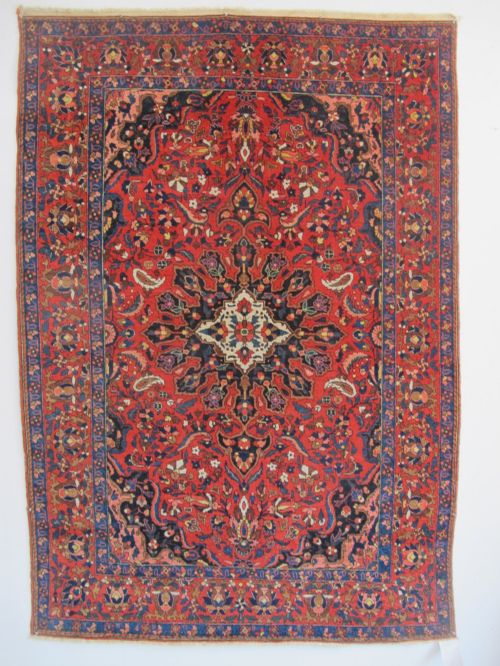
Navy Blue Oriental Carpet
A navy blue oriental carpet anchors a room with deep indigo tones and traditional motifs passed down through generations.
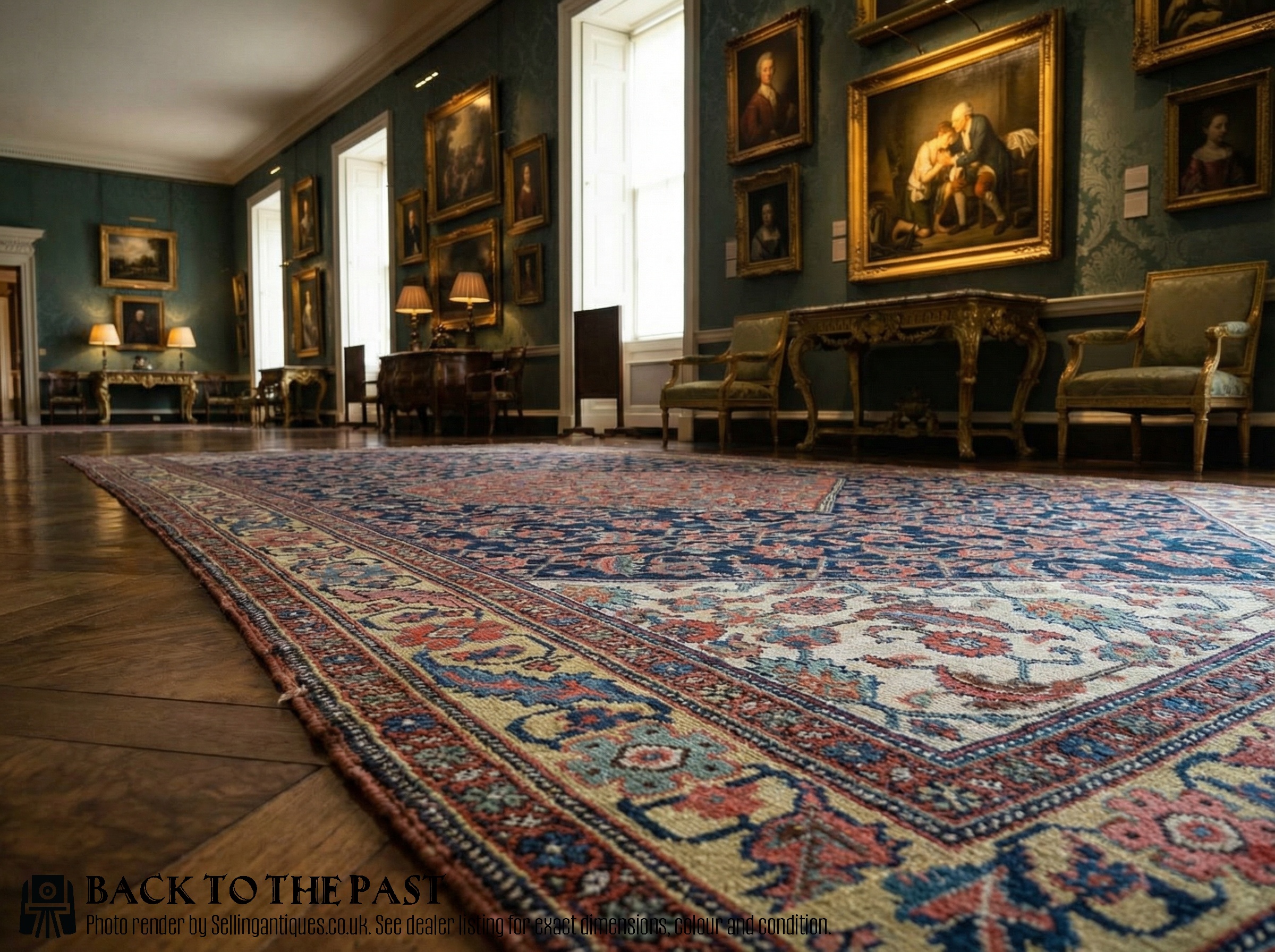
Navy Blue Oriental Carpet
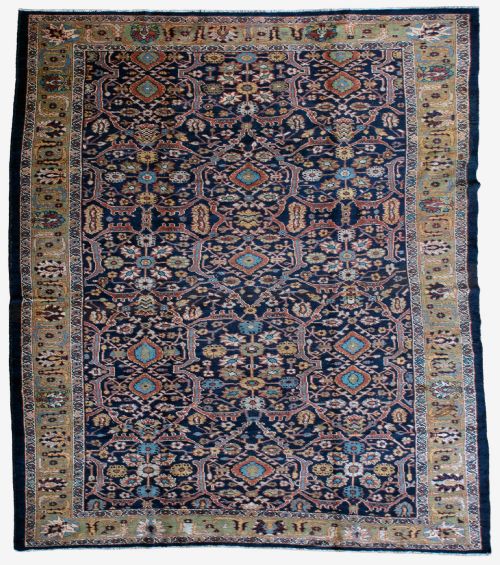
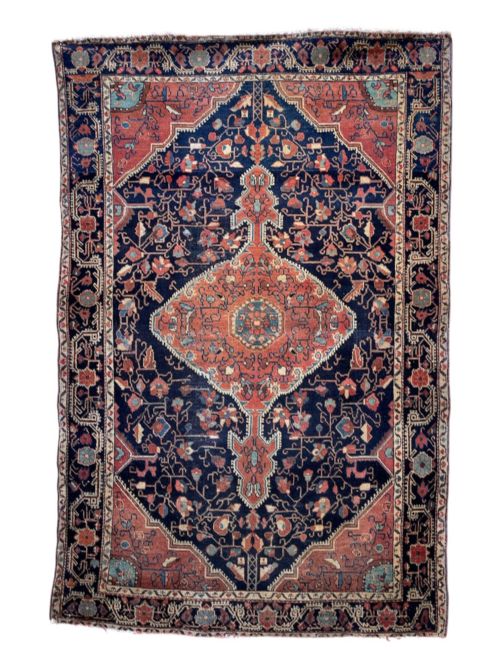
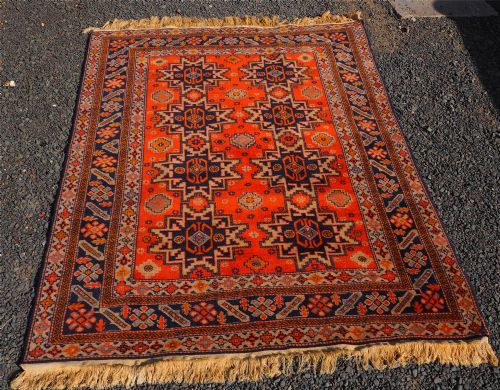
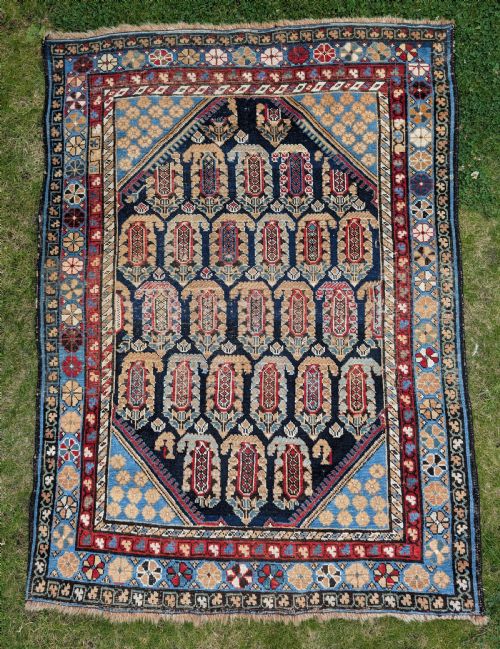
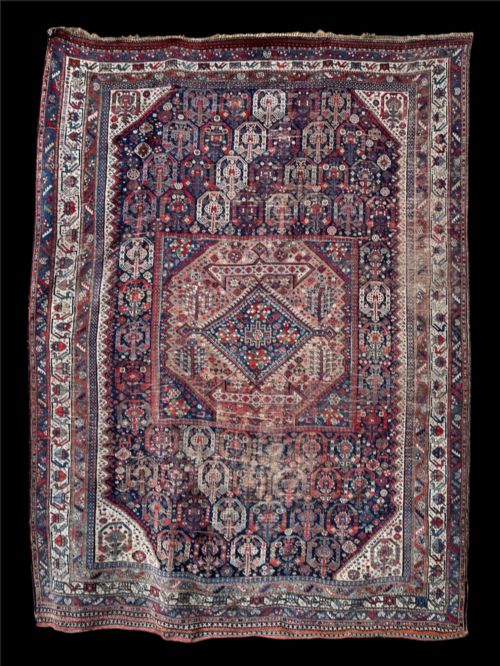
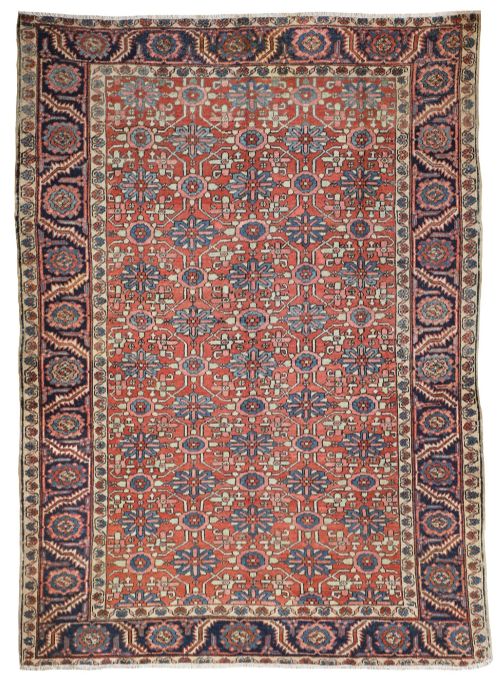
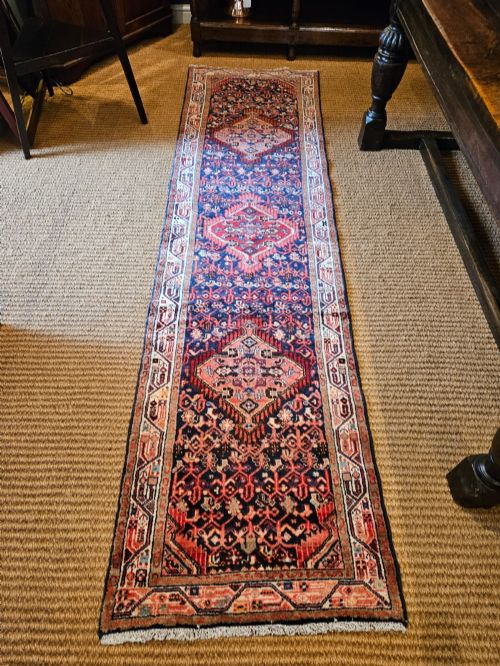
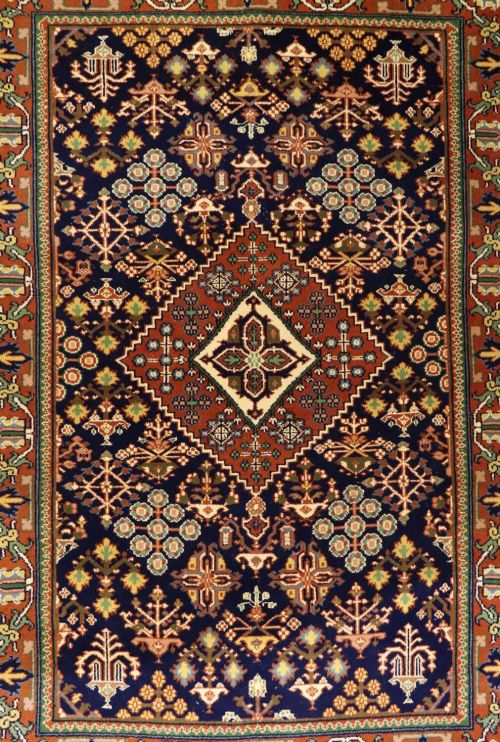
A navy blue oriental carpet brings together traditional Persian and Caucasian designs rooted in centuries of weaving heritage. When searching for a navy blue oriental carpet, buyers encounter formats ranging from room-sized carpets down to runners and smaller area rugs.
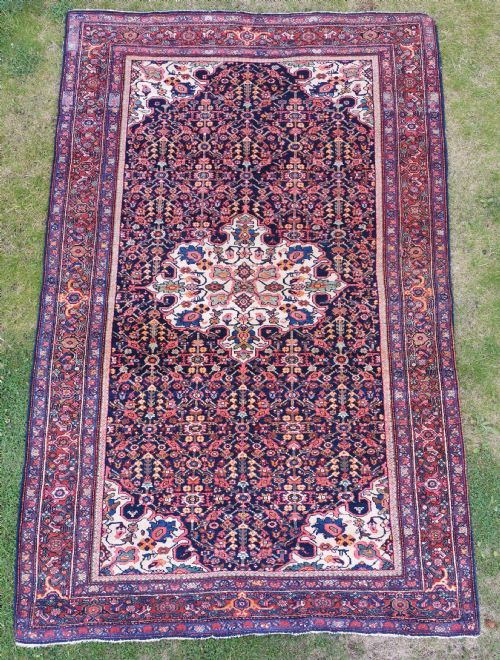
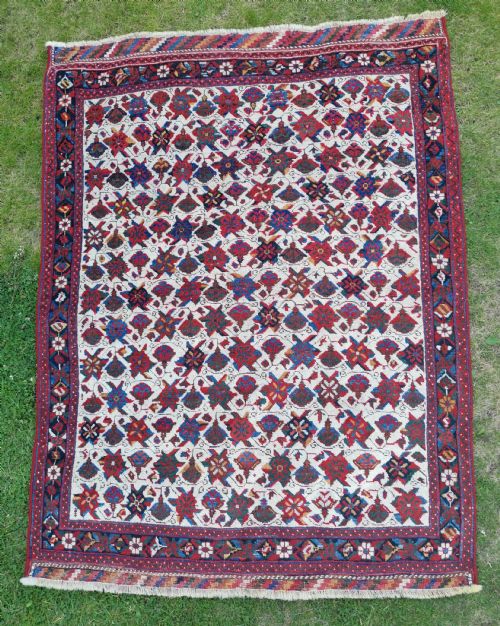
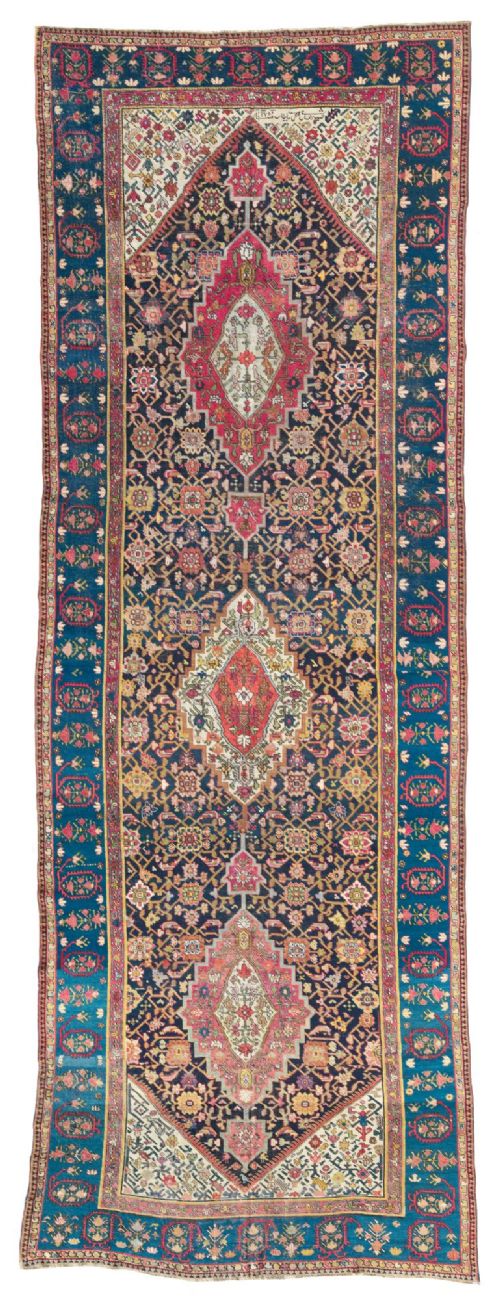
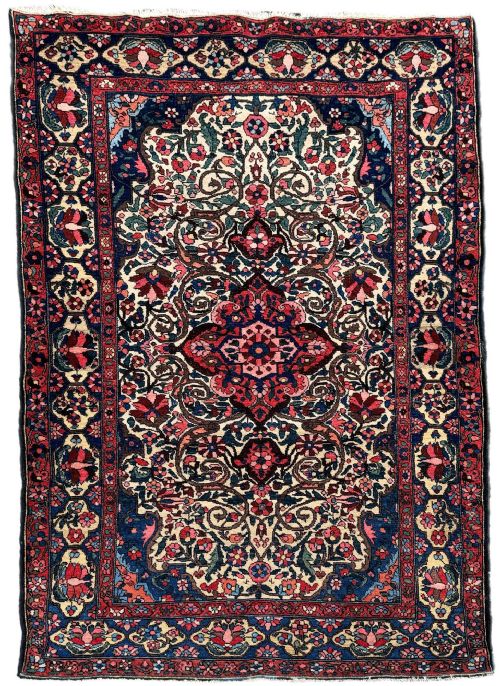
The pieces on this page span the late nineteenth century through the mid-twentieth century, showcasing regional styles such as Heriz, Shirvan, Mahal, Karaja and broader North West Persian traditions.
Most examples rely on deep indigo grounds contrasted with geometric medallions or tribal motifs, woven to provide durable floor coverings for reception rooms and halls.

Materials and construction
These floor coverings are constructed primarily from wool pile set onto cotton foundations, providing a dense and resilient surface suited to high-traffic areas. Hand-knotting techniques allow weavers to execute intricate geometric medallions and tribal patterns with crisp definition.
Natural dye traditions impart the characteristic deep blue tones seen across these rugs, which mellow gradually with age while retaining structural integrity.
Navy Blue Oriental Carpet Retail Price Guide 2026
Typical asking prices for navy blue oriental carpet among the pieces listed under this phrase on Sellingantiques today, from the lower quarter to the upper quarter. They describe what is for sale here now, not the wider market.
Geometric medallions woven into these carpets occasionally include small stray animal motifs added by weavers working entirely from memory.
Distinctions in quality
The upper tier of these textiles displays exceptional fineness of knotting and precise execution of geometric medallions, reflecting the skill of the original workshops. Such pieces maintain balanced proportions and harmonious secondary colours that enhance the primary navy field.
Weaker examples show uneven wear or coarser knot densities that obscure the sharpness of the traditional motifs, altering the visual impact of the design.
The Navy Blue Oriental Carpet Glossary
- Heriz
- A style of Persian carpet originating from the Heris region, known for bold, large-scale geometric medallions and robust wool construction.
- Medallion
- A central ornamental motif set into the field of a rug, often featuring intricate geometric or floral arrangements.
- Runner
- A long, narrow carpet format traditionally utilised for hallways, corridors and staircases.
- Pile
- The upright yarn loops or knots that form the usable surface of a woven carpet.
Navy Blue Oriental Carpet: Frequently Asked Questions
How do I care for an old wool carpet?
Vacuum gently without a rotating beater bar to protect the wool pile from unnecessary friction and fibre loss. Professional cleaning should be undertaken periodically by specialists familiar with antique textiles.
Keep the piece out of direct, intense sunlight to prevent fading of the deep blue indigo dyes over time.
Where were these carpets traditionally placed?
Larger formats served as floor coverings in formal reception rooms, dining spaces and libraries where their durability and striking designs commanded attention. Runners were specifically proportioned for corridors, hallways and grand staircases.
Smaller tribal rugs found utility as hearth rugs or smaller area coverings in intimate domestic settings.
How do I distinguish regional styles?
Heriz carpets typically feature heavy, angular geometric medallions with distinct corner spandrels woven in robust wool. Shirvan rugs from the Caucasus often display crisper, smaller-scale tribal motifs with bright contrasting accents against dark fields.
Examining the density of the knotting and the specific palette helps attribute a piece to its likely place of origin.
What makes nineteenth century pieces distinct?
Nineteenth century examples often display softer, more varied secondary tones derived from traditional dye sources that developed rich patinas over decades of use. The handling of the wool in these earlier pieces tends to yield a softer handle.
Slight irregularities in the geometry reveal the individual hand of the weaver rather than mechanical uniformity.