

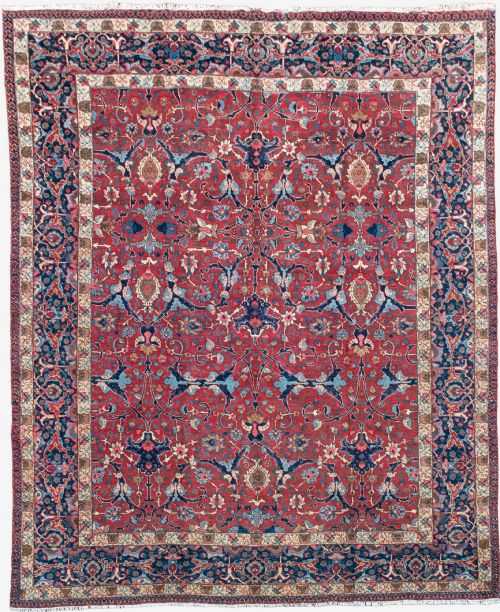
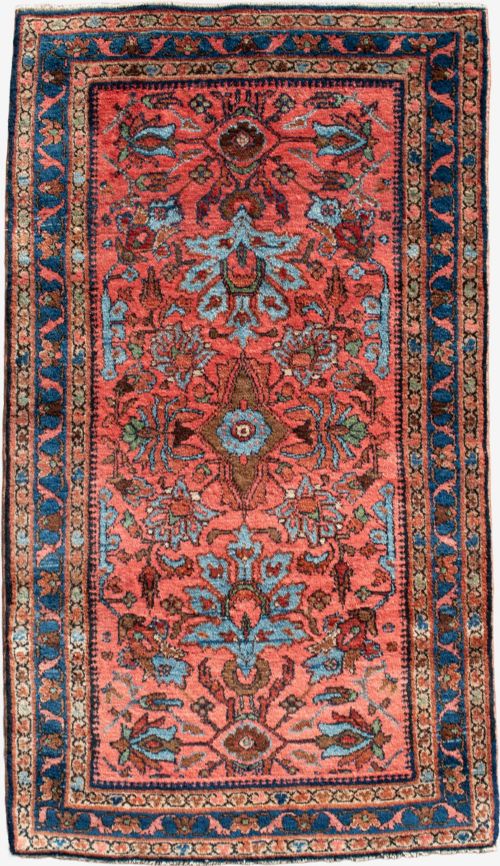
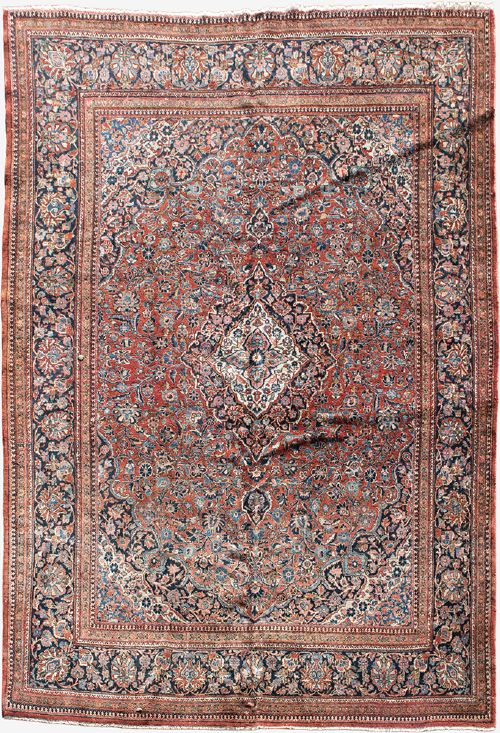
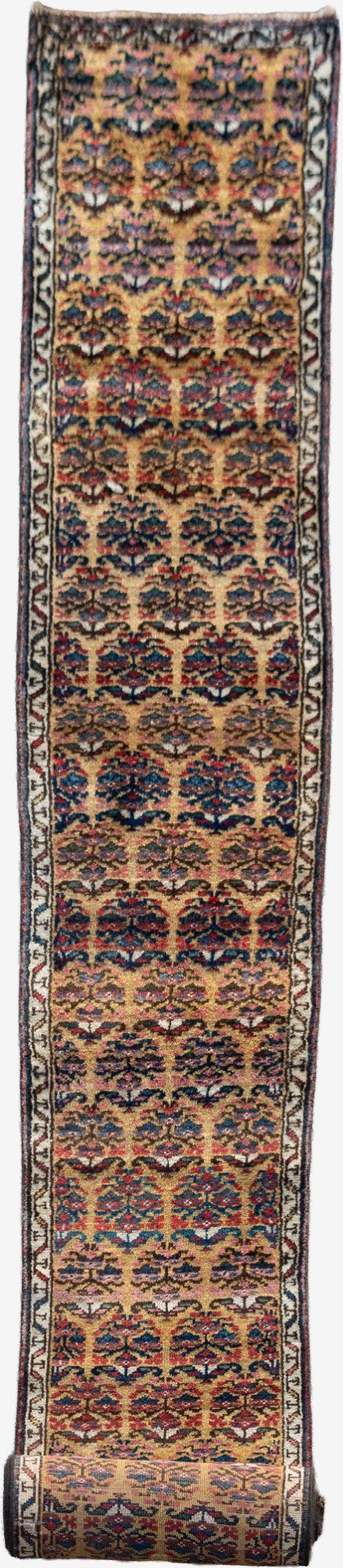
Hand Knotted Persian Carpet
A hand knotted persian carpet brings genuine warmth and historical depth to a room through dense wool pile and traditional village or city patterns.
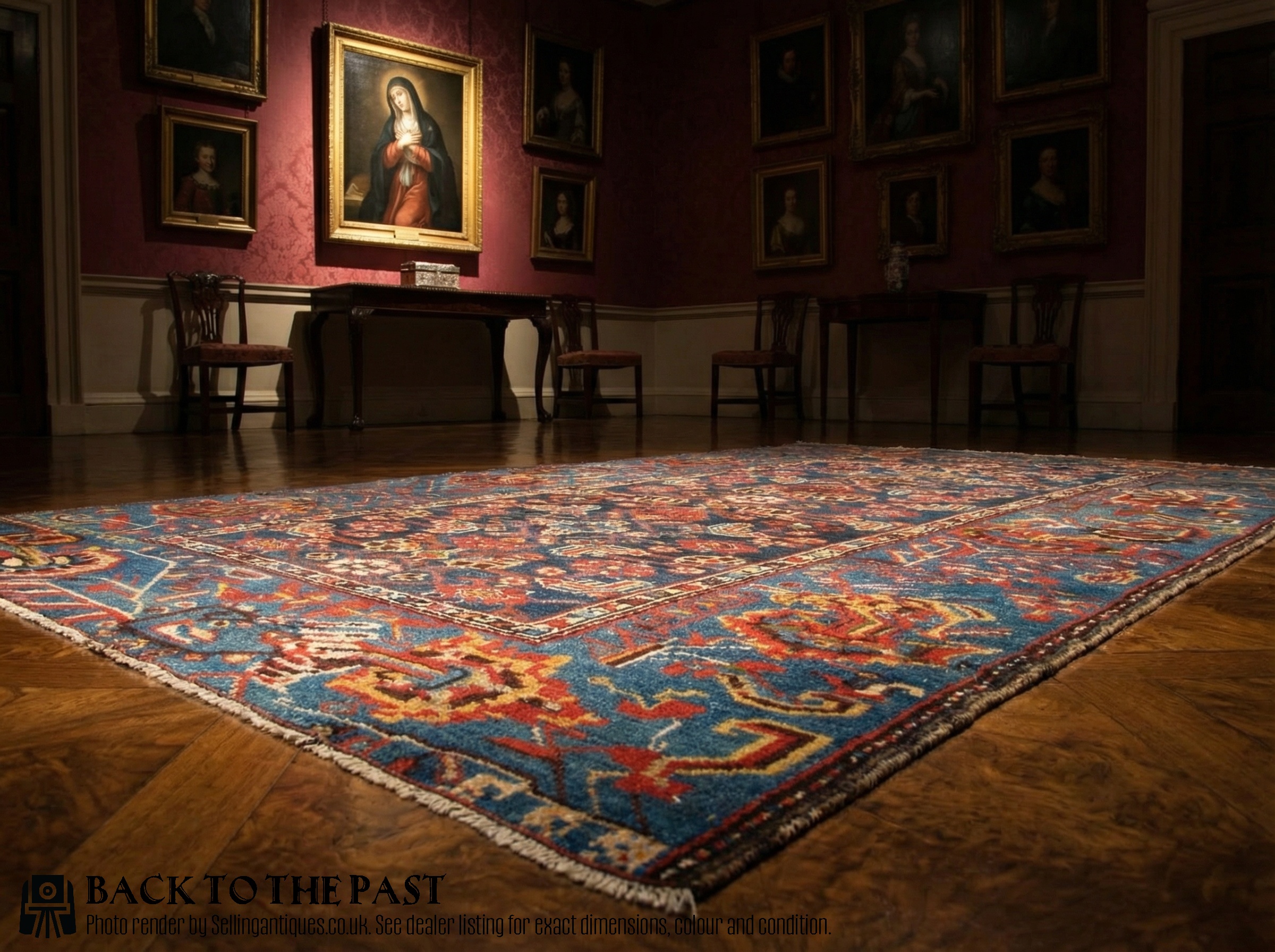
Hand Knotted Persian Carpet
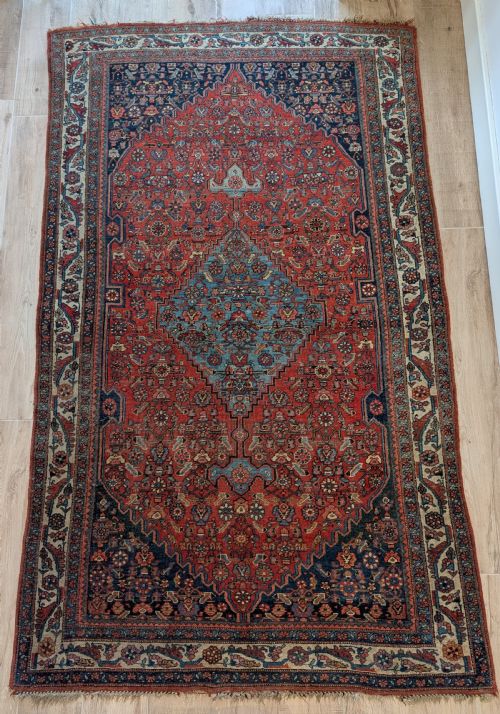
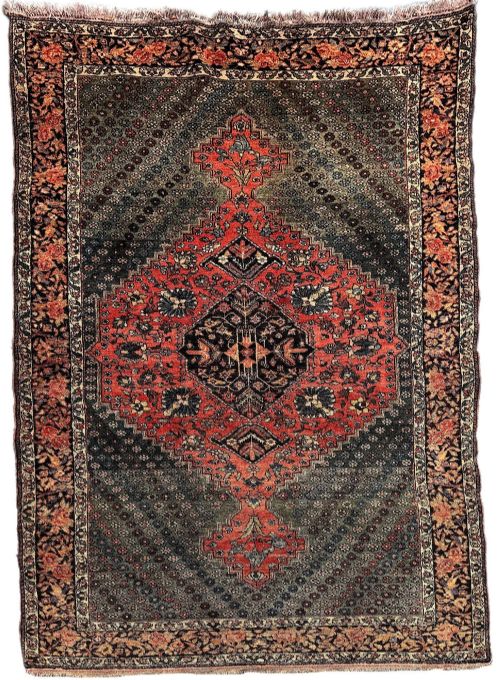
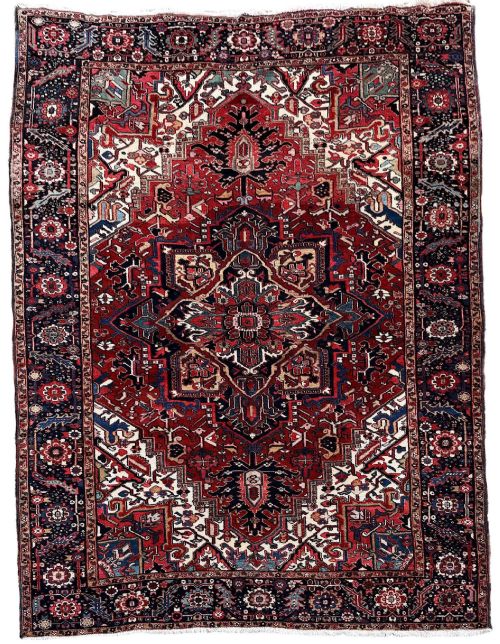
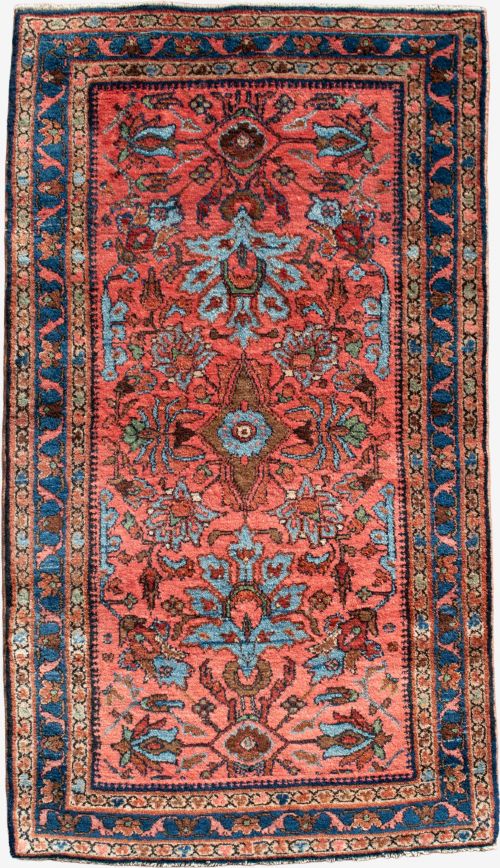
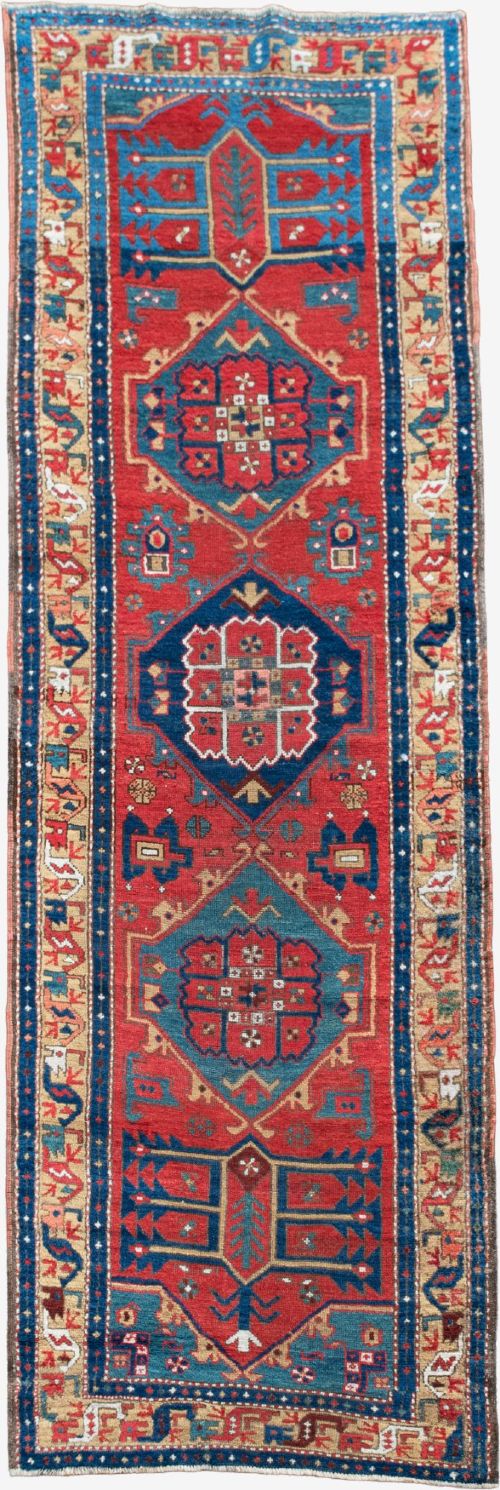
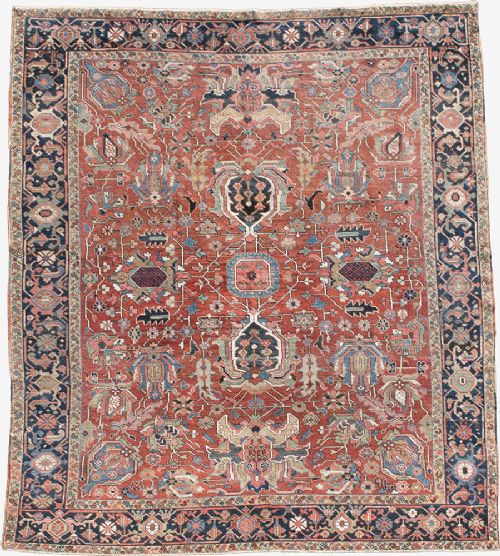
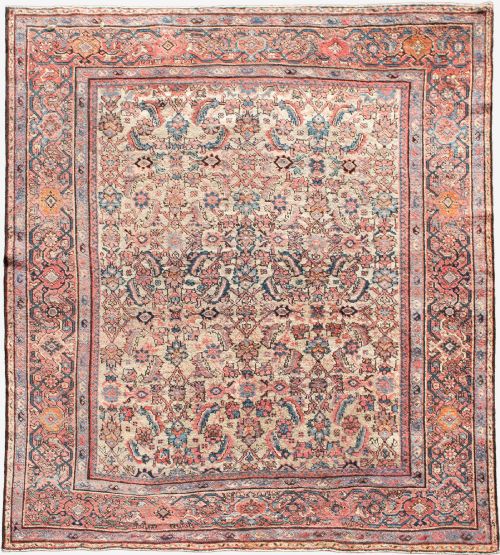
A hand knotted persian carpet represents a centuries-old tradition of floor coverings woven across various regions including Heriz, Tabriz, Isfahan, and Saroukh. Buyers seeking this phrase encounter room-sized carpets, smaller village rugs, and long hallway runners dating from the nineteenth century into the 1930s. These textiles utilise distinct regional motifs, ranging from geometric tribal patterns to sophisticated floral medallions.
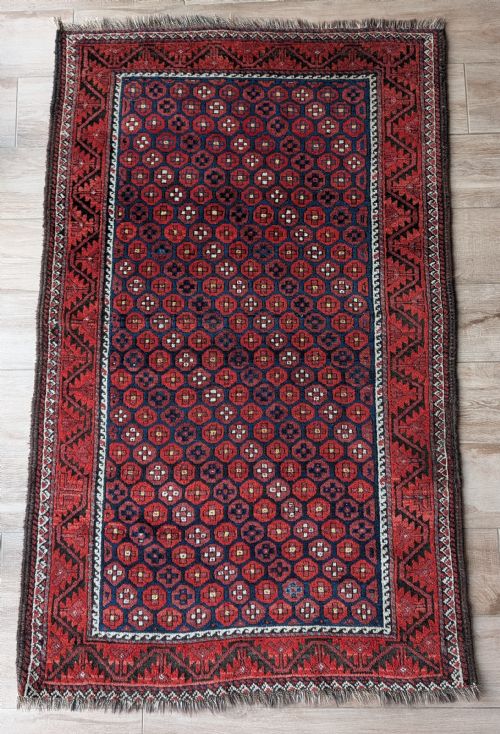
The pieces appearing on this page span diverse stylistic groups such as Kurdish, Bakhtiar, Afshar, and Baluch village works alongside grand urban workshop productions. Many examples survive from the decades around nineteen hundred, displaying traditional plant and mineral derived colour palettes. Whether choosing a room-sized Mahal carpet or a compact hearth rug, collectors acquire authentic textile art formed by individual hand knotting techniques.
Materials and Construction
Construction relies heavily on sturdy cotton foundations for warps and wefts, paired with dense wool or occasionally pure wool and silk pile. Weavers tie individual knots by hand around the foundation threads, creating a durable surface that withstands generations of domestic use. Natural dyes provide the deep reds, blues, and earthy tones found across these traditional carpets.
Many village pieces incorporate hand-spun wool, yielding a textured pile with subtle variations in shade known as abrash. Artisans work on upright looms, cutting each knot by hand and beating the rows down firmly with heavy combs. This meticulous process ensures the structural integrity and longevity characteristic of traditional Persian and tribal weaving.
Hand Knotted Persian Carpet Retail Price Guide 2026
Typical asking prices for hand knotted persian carpet among the pieces listed under this phrase on Sellingantiques today, from the lower quarter to the upper quarter. They describe what is for sale here now, not the wider market.
Listings feature items dated from the mid-nineteenth century through the 1930s, utilising wool, cotton, silk, and natural dyes.
Judging Quality
Quality in a hand knotted persian carpet rests upon knot density, the precision of the design execution, and the vibrancy of the dyestuffs utilised. Finer urban workshop carpets from centres like Isfahan or Tabriz exhibit high knot counts and intricate curved floral layouts. Village and tribal pieces achieve distinction through bold graphic balance, expressive drawing, and saturated natural colours rather than sheer complexity.
The handling of the wool pile also dictates the character of the textile, with hand-spun material offering superior tactile depth and ageing characteristics. Consistency in the weave and structural trueness across the length of a runner or carpet reflect the skill of the original weaver. Superior examples combine harmonious proportions with resilient materials that retain their structural integrity over time.
The Hand Knotted Persian Carpet Glossary
- Abrash
- Natural colour variation within a field of wool caused by differences in dye batches or hand-spun yarn lots. This subtle tonal shifting is characteristic of traditional dyeing methods.
- Warp
- The vertical lengthwise threads stretched tightly on the loom that form the structural foundation of the carpet. Wefts are then interwoven across these stationary threads.
- Weft
- The horizontal threads passed back and forth over and under the warp threads to bind the knots in place. Multiple weft shots add firmness to the rug structure.
- Medallion
- A large central ornamental design motif placed in the middle of the carpet field. Many traditional Persian designs build their symmetry around this focal point.
- Kelleh
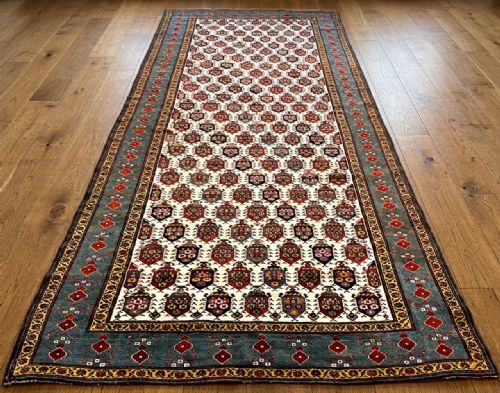
- A long, narrow format carpet traditionally suited for the sides or upper ends of larger Persian rooms. These rectangular formats offer versatile proportions for hallways and narrow spaces.
Hand Knotted Persian Carpet: Frequently Asked Questions
Where should I place a runner rug?
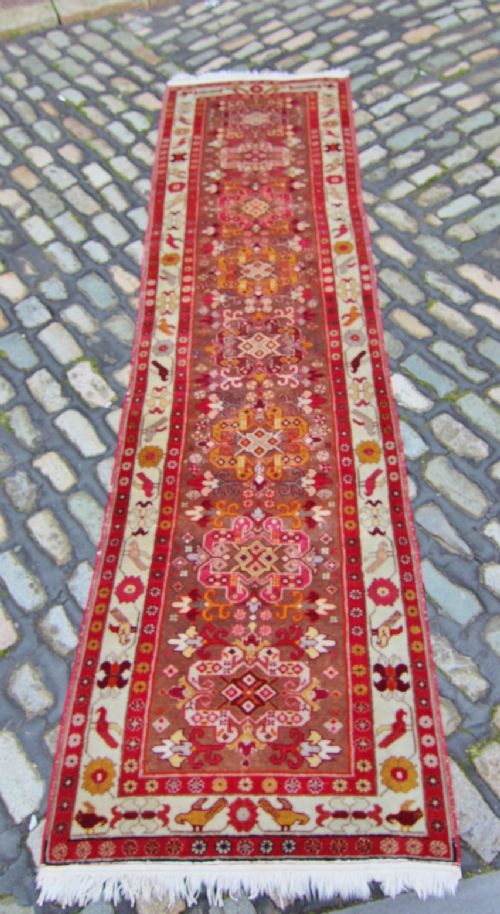
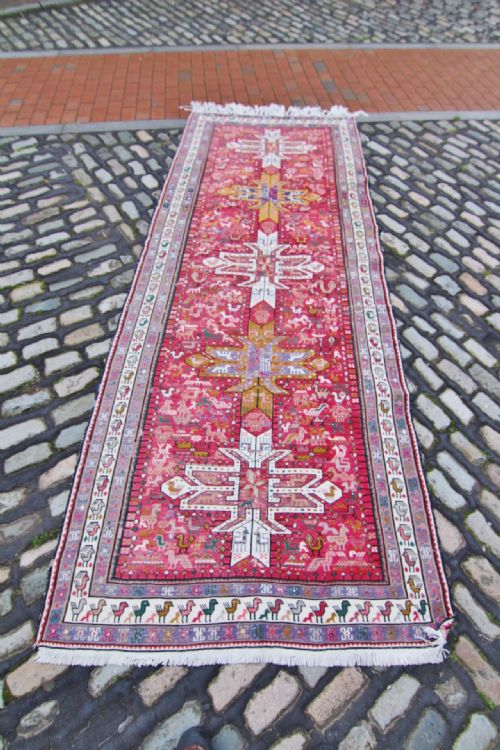
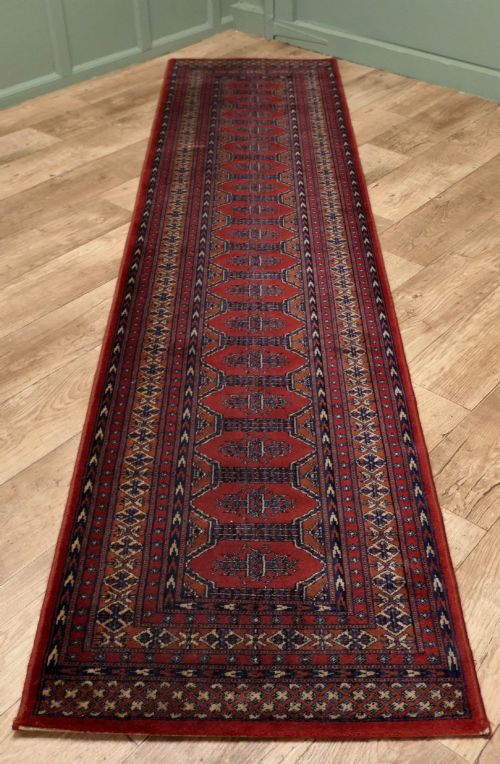
These narrow formats work exceptionally well in hallways, corridors, and long entryways where floor traffic benefits from a durable wool surface. They also suit kitchen spaces and narrow gallery landings.
Positioning a runner requires adequate clearance for doors to open smoothly over the pile thickness. Using a suitable underlay helps keep the foundation stable on smooth flooring.
How do I care for wool carpets?
Regular gentle vacuuming without a rotating power brush helps remove grit from the wool pile without straining the cotton foundation. Professional cleaning should be undertaken periodically by specialists familiar with antique textiles.
Keeping the textile out of direct, harsh sunlight prevents the natural dyes from fading unevenly over the years. Rotating the placement occasionally ensures even wear patterns across the surface.
How do I identify regional rug types?
Regional attribution relies on observing specific design motifs, border arrangements, and the structure of the weave. For instance, Heriz carpets often feature bold geometric medallions, while Isfahan pieces display refined floral curves.
The choice of palette and materials also points toward specific production areas, such as the rich red tones found in certain Afghan village works or the distinctive formats of Baluch runners.
Can antique carpets handle daily use?
Traditional hand knotted construction produces sturdy floor coverings designed to endure decades of active domestic life. The dense wool pile absorbs foot traffic naturally while maintaining its structural coherence.
Placing a quality rug pad underneath provides additional cushioning and prevents slipping on hard floors. This simple step reduces internal friction between the foundation threads and protects the piece.