






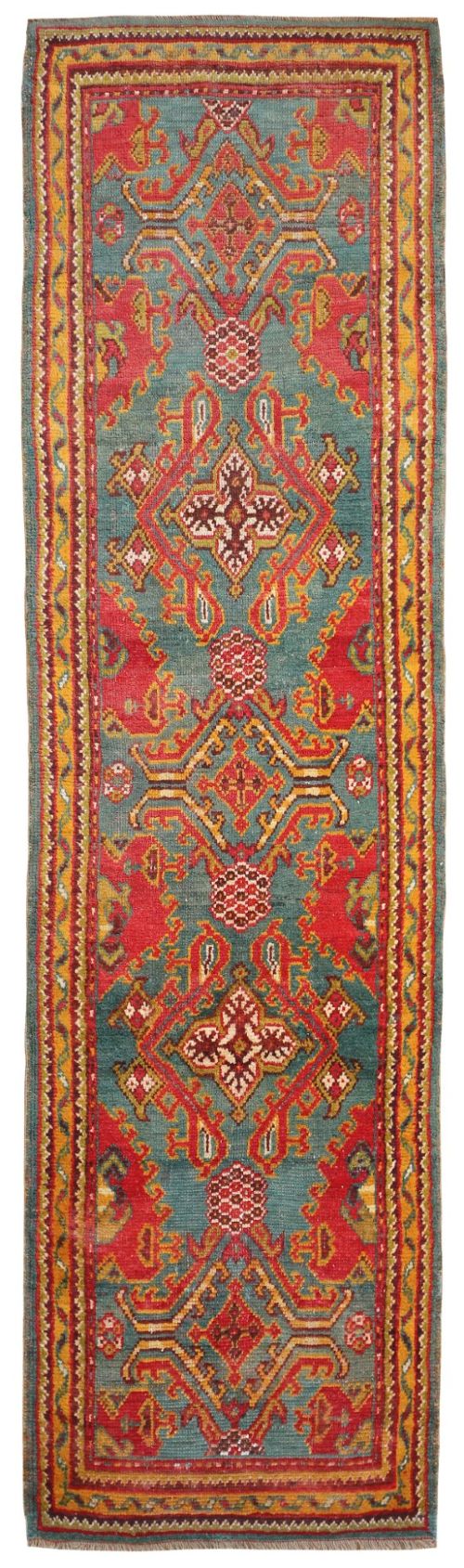
Oriental Wool Runner
An oriental wool runner brings texture and depth to a hallway, offering durable hand-knotted pile fashioned for high-traffic spaces.
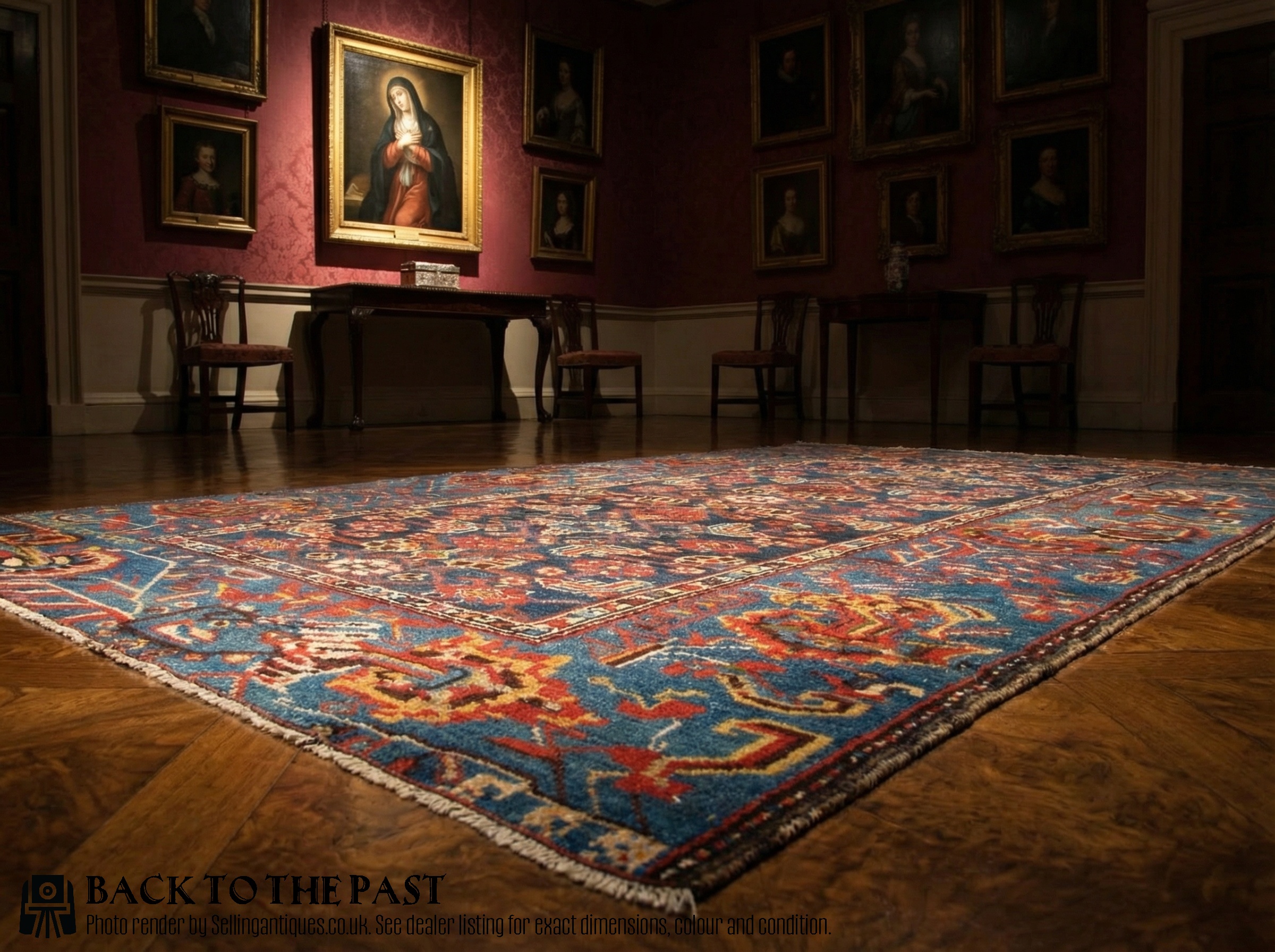
Oriental Wool Runner
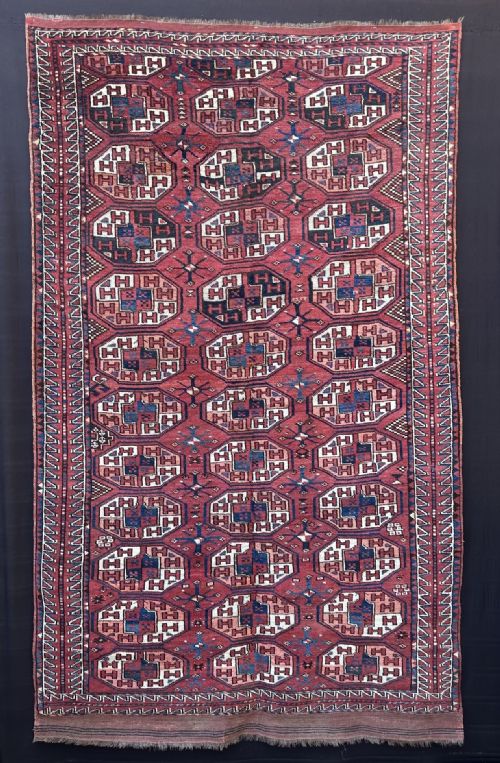
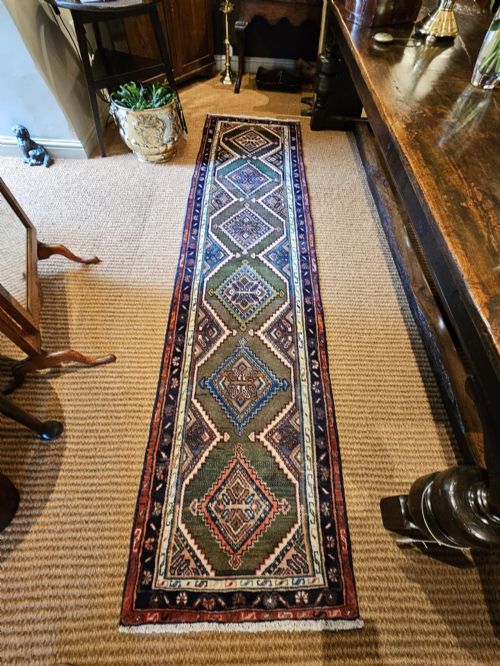
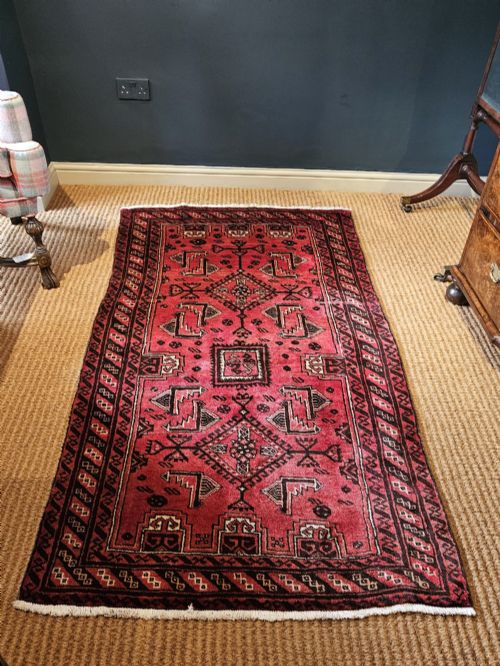
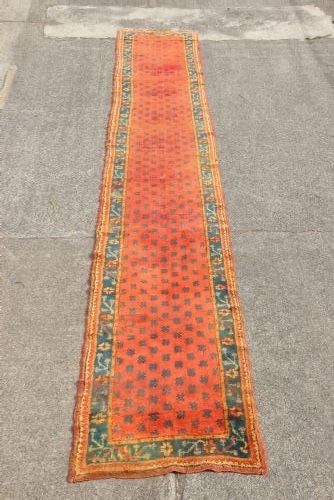
An oriental wool runner is a long, narrow floor covering originating from various weaving traditions across the Near East and Central Asia. These elongated carpets serve both practical and decorative functions in corridors, staircases and narrow rooms.
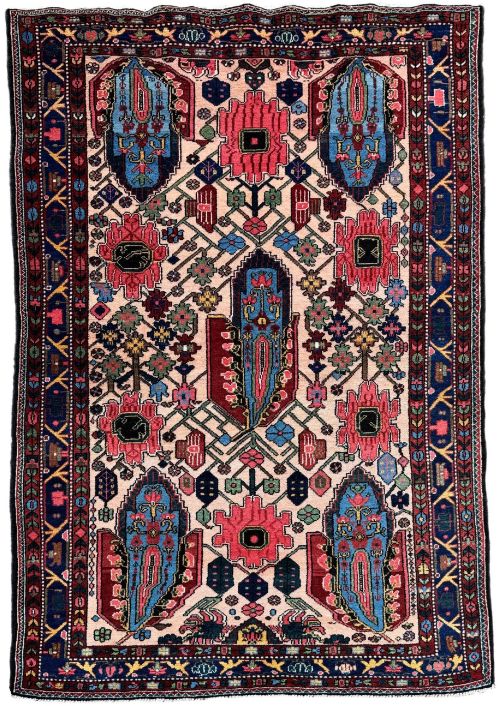
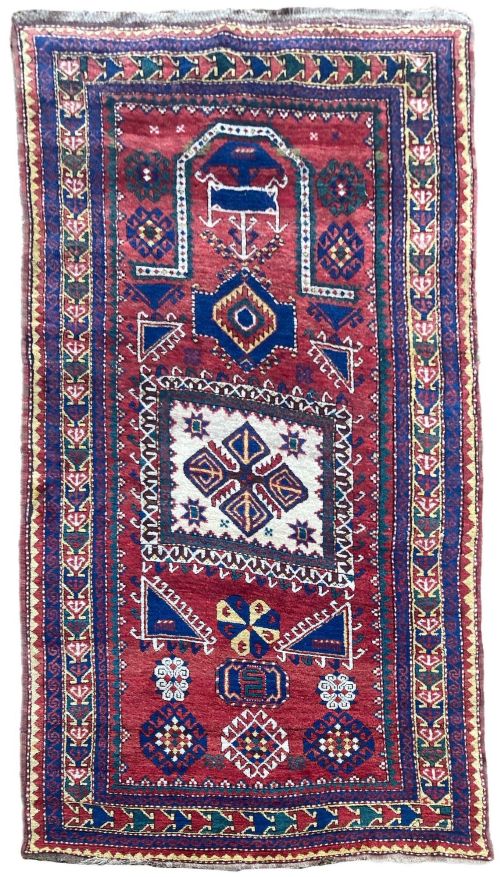
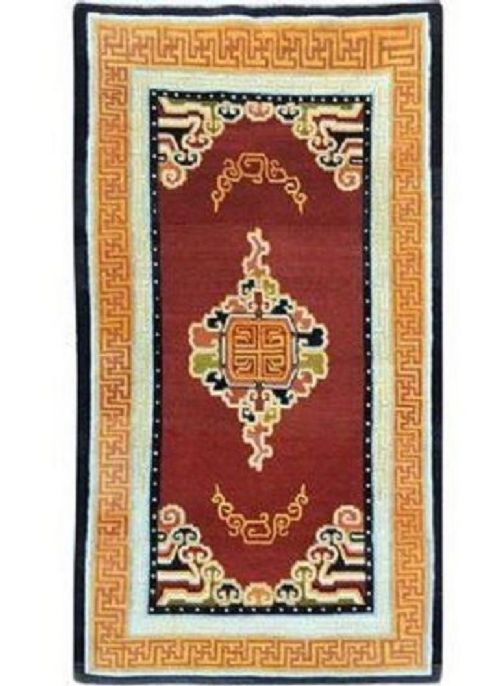
The pieces available here span from the late nineteenth century into the early twentieth century, encompassing tribal and village traditions. Buyers most frequently encounter regional styles such as Caucasian, Anatolian, and Persian runner formats.
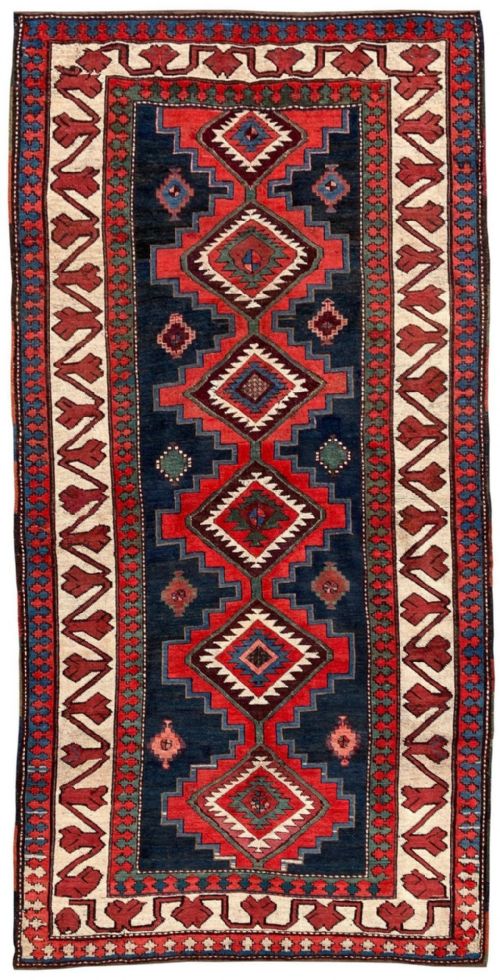
Makers utilised traditional looms to produce long formats, resulting in distinctive narrow proportions that suit domestic layouts. Each piece reflects the specific aesthetic vocabulary of its weaving community, from geometric Kazak motifs to curved Persian designs.
How they were made
These runners are constructed predominantly with a wool pile knotted onto a foundational warp and weft, with cotton also appearing in the structural weave. Artisans tied individual knots by hand, creating dense surfaces designed to withstand generations of foot traffic.
Dyers employed natural or early synthetic colorants to achieve deep red, blue, and neutral tones across the wool fibres. The weaving technique varies from flat-woven kilim structures to thick-piled carpet constructions depending on the regional origin.
Oriental Wool Runner Retail Price Guide 2026
Typical asking prices for oriental wool runner among the pieces listed under this phrase on Sellingantiques today, from the lower quarter to the upper quarter. They describe what is for sale here now, not the wider market.
Described occasionally as crooked, some vintage runners curve delightfully along their length like sleepy pathways.
What varies in quality
The distinction between standard examples and superior pieces rests on knot density, handle flexibility, and the crispness of the drawn motif. Finer wool selections yield a more supple foundation that drapes well and retains structural integrity over decades.
Pigment saturation and the complexity of the design layout distinguish regional masterworks from simple utilitarian weaving. Better examples maintain balanced proportions and harmonious colour relationships across the entire length of the runner.
The Oriental Wool Runner Glossary
- Kazak
- A style of Caucasian weaving known for bold geometric medallions and saturated primary colours.
- Kelimi
- A flat-woven textile produced without a pile, sometimes combined with knotted sections in runner formats.
- Baluch
- A regional weaving group originating from nomadic or semi-nomadic tribes near the borders of Iran and Afghanistan.
- Sivas
- A Turkish weaving centre recognised for intricate floral patterns and sophisticated prayer niche compositions.
- Warp
- The vertical threads stretched lengthwise on the loom that form the structural foundation of the rug.
Oriental Wool Runner: Frequently Asked Questions
Where should I place an oriental wool runner?
These narrow formats suit hallways, landings, and galley kitchens where length and durability are required.
Ensure you use a quality underlay to prevent sliding and protect the wool foundation from premature wear.
How do I clean an antique wool runner?
Regular gentle vacuuming without a rotating brush helps remove embedded dust from the wool pile.
Professional specialist cleaning is necessary for deep washing to preserve the natural lanolin and dyes.
How do I identify the regional origin?
Examine the specific motifs, structural materials like wool or cotton, and knotting techniques visible on the reverse.
Tribal pieces often display geometric symbols, while Persian works tend towards more curvilinear floral arrangements.
What is the difference between a rug and a runner?
Runners are distinguished by their elongated, narrow proportions specifically designed for corridors and stairs.
Standard rugs feature more square or balanced rectangular dimensions intended for open floor areas.