





Antique Geometric Runner
These antique geometric runner rugs bring bold tribal designs and rich wool warmth to narrow hallways and corridors.
Antique Geometric Runner
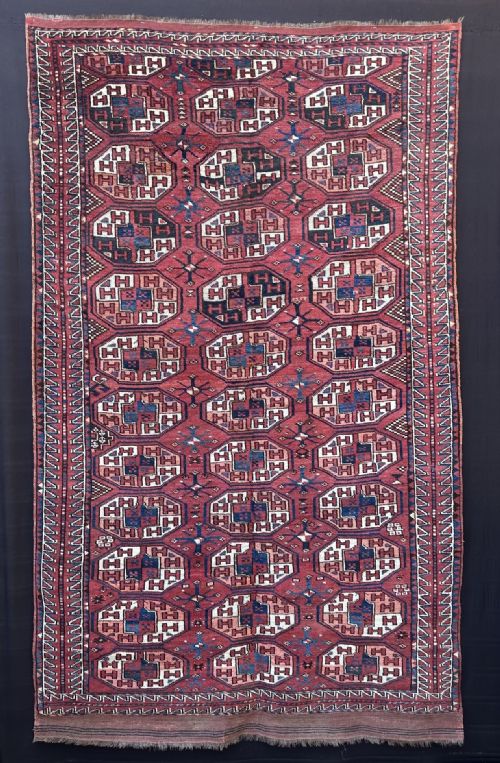
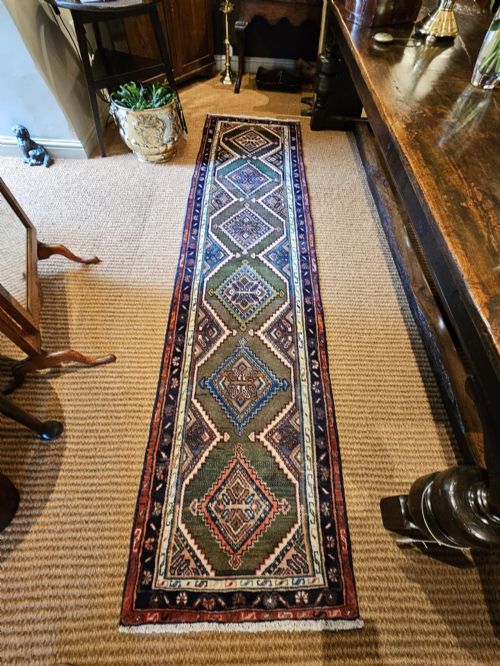
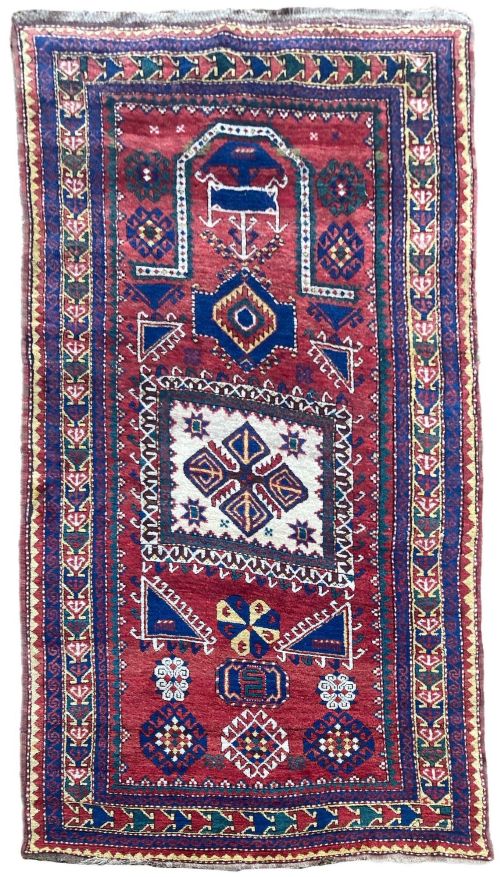
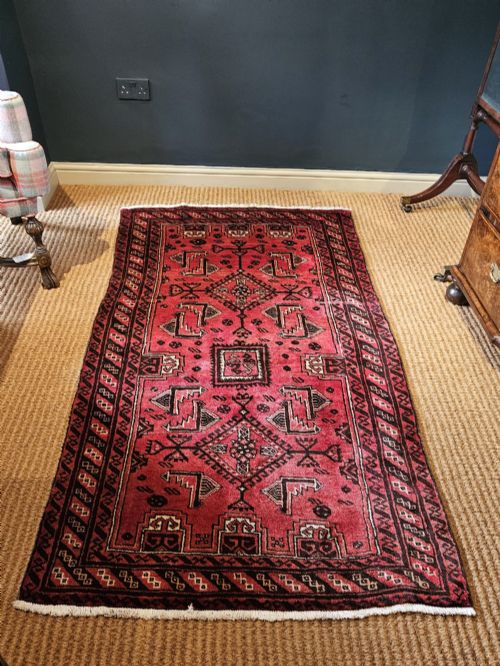
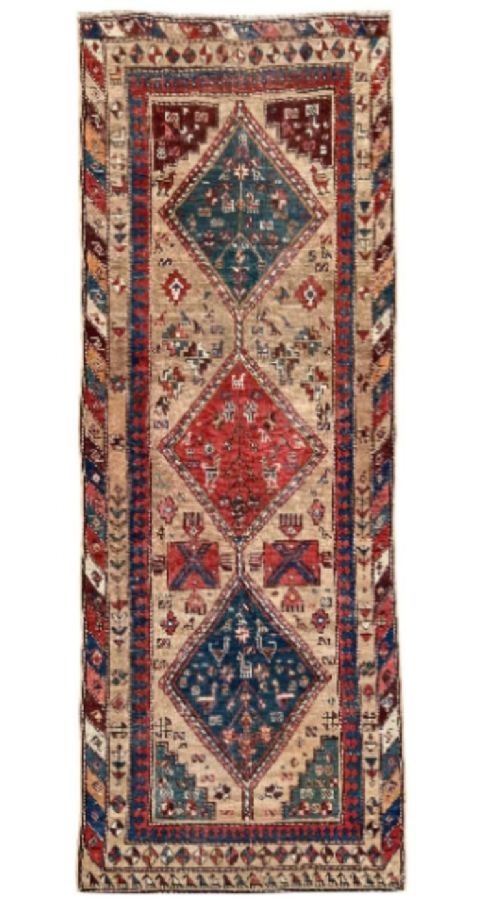
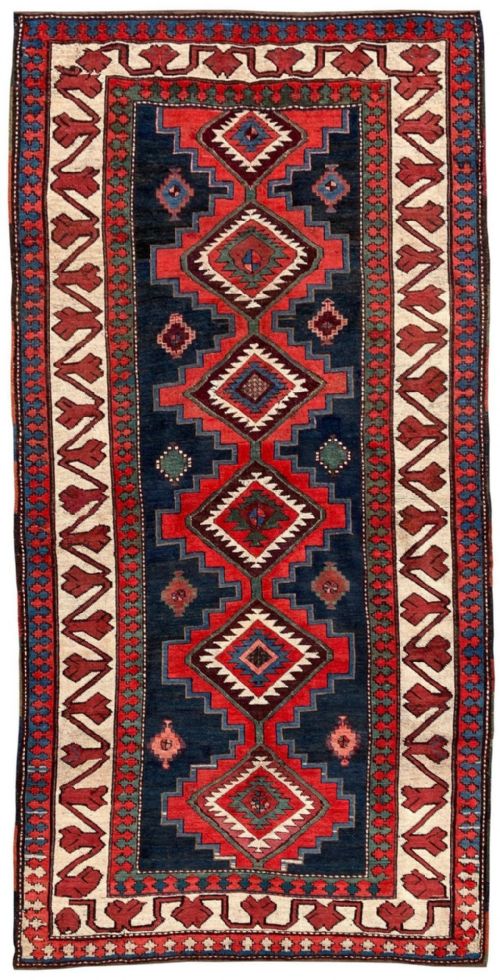
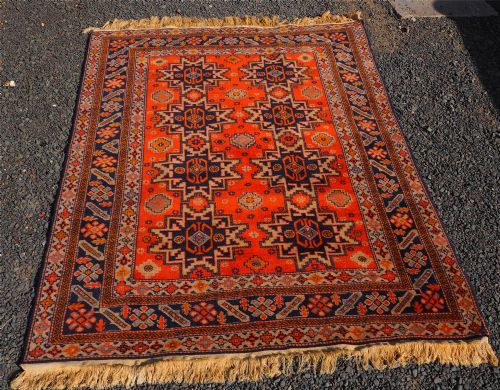
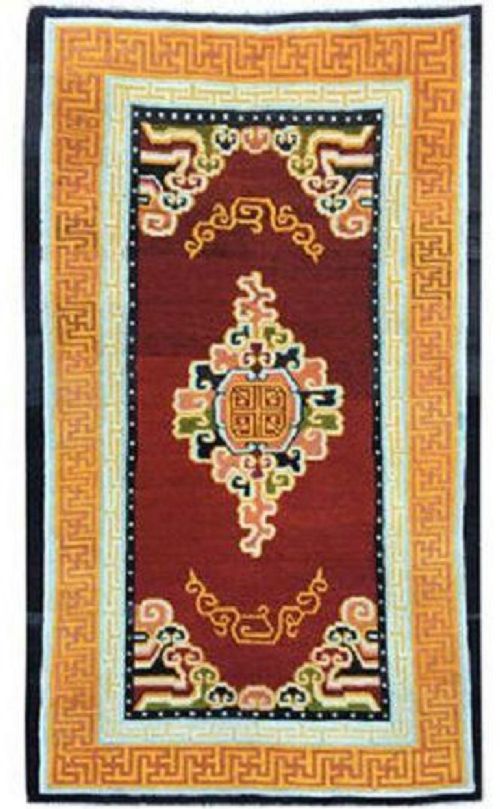
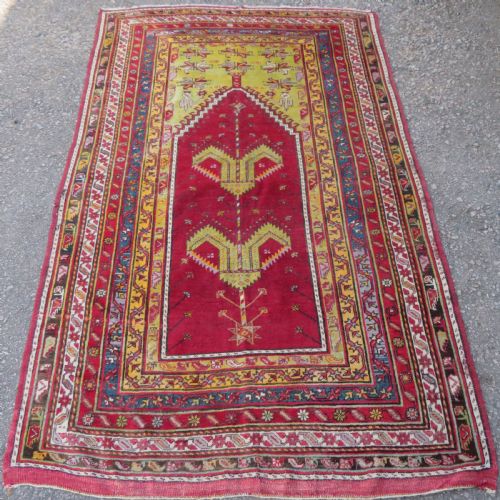
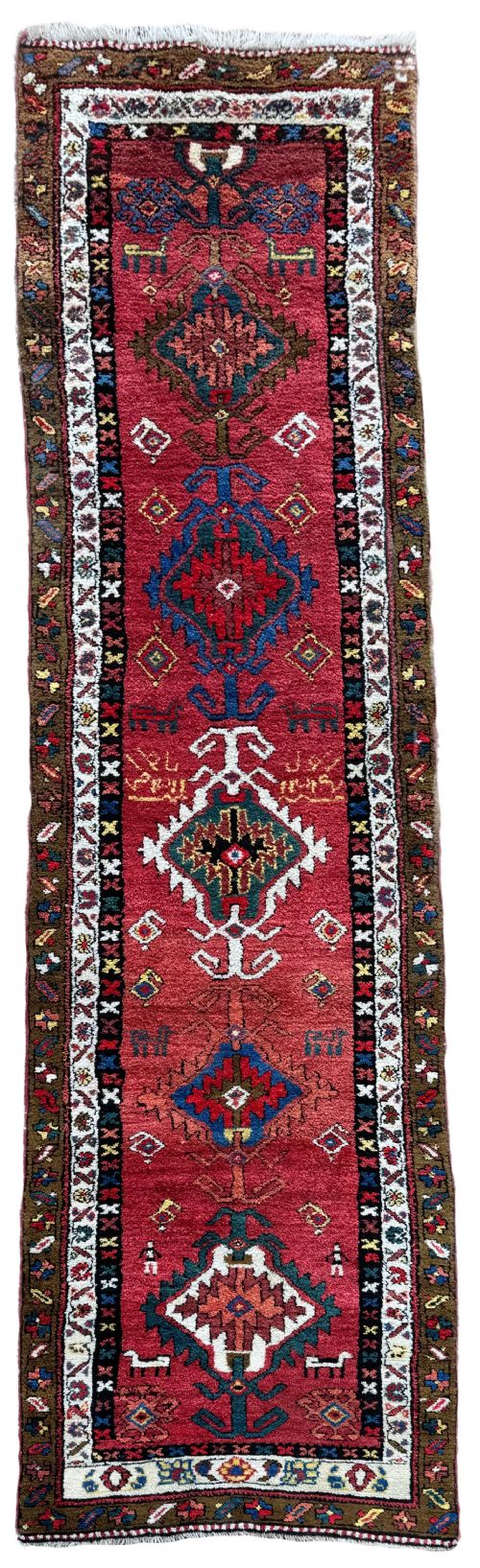
An antique geometric runner delivers linear floor coverings distinguished by repeating motifs and angular patterns. Buyers exploring this category encounter long, narrow formats specifically woven for corridors and hallways. The selection includes examples originating from Caucasian, Persian tribal, Turkmen, and Kurdish traditions.
The periods represented stretch from the late nineteenth century into the early decades of the twentieth century. Common stylistic subgroups include Kazak, Baluch, Karaja, and Kelardasht regional weaving. Each piece displays distinct tribal iconography passed down through generations of makers.
Materials and construction methods
These textiles rely on natural wool for the pile and foundation elements, frequently paired with cotton for structural warps and wefts. Weavers knot these materials by hand on upright looms to build durable floor coverings. Natural dye sources provide the deep reds, blues, and earthy tones seen across the surface patterns.
The physical construction produces a dense, resilient fabric designed to withstand heavy foot traffic in domestic settings. Edge finishes and ends are typically secured by hand-binding with wool yarn. Variations in knot density reflect the specific regional workshop or nomadic tribal practices of the maker.
Antique Geometric Runner Retail Price Guide 2026
Typical asking prices for geometric runner among the pieces listed under this phrase on Sellingantiques today, from the lower quarter to the upper quarter. They describe what is for sale here now, not the wider market.
Listings in this category span the decades from 1870 to 1930, utilising natural wool and cotton materials across Persian and Caucasian weaving traditions.
Assessing quality in regional runners
Quality rests upon the precision of the geometric layout and the saturation of the wool pile. Finer examples exhibit crisp drawing in the star, gul, and medallion motifs alongside tightly packed knots. Greater structural integrity and balanced proportions distinguish the upper tier of these textiles from simpler regional work.
The vibrancy and depth of the colour palette contribute significantly to a piece's visual success. Weavings that retain complete original borders and uncompromised side cordings command greater appreciation. The integrity of the wool foundation dictates how gracefully the runner ages under daily use.
The Antique Geometric Runner Glossary
- Runner
- A long, narrow carpet format traditionally utilised in hallways, corridors, and bedside spaces. This rectangular shape dictates a repeating linear pattern.
- Gul
- A primary medallion or octagonal design element frequently repeated across Turkmen and Central Asian weaving traditions. It serves as the visual anchor of the field.
- Kazak
- A stylistic classification originating from the Caucasus region known for bold, geometric medallion layouts and saturated primary colours. These rugs are prized for their graphic punch.
- Warp
- The stationary vertical threads stretched across a loom that form the structural foundation of the textile. Wefts are interlaced horizontally across these threads.
- Pile
- The upright surface of the rug formed by the ends of knots tied to the warp and weft foundation. Its thickness and wool quality determine the tactile feel.
Antique Geometric Runner: Frequently Asked Questions
Where should I place a geometric runner?
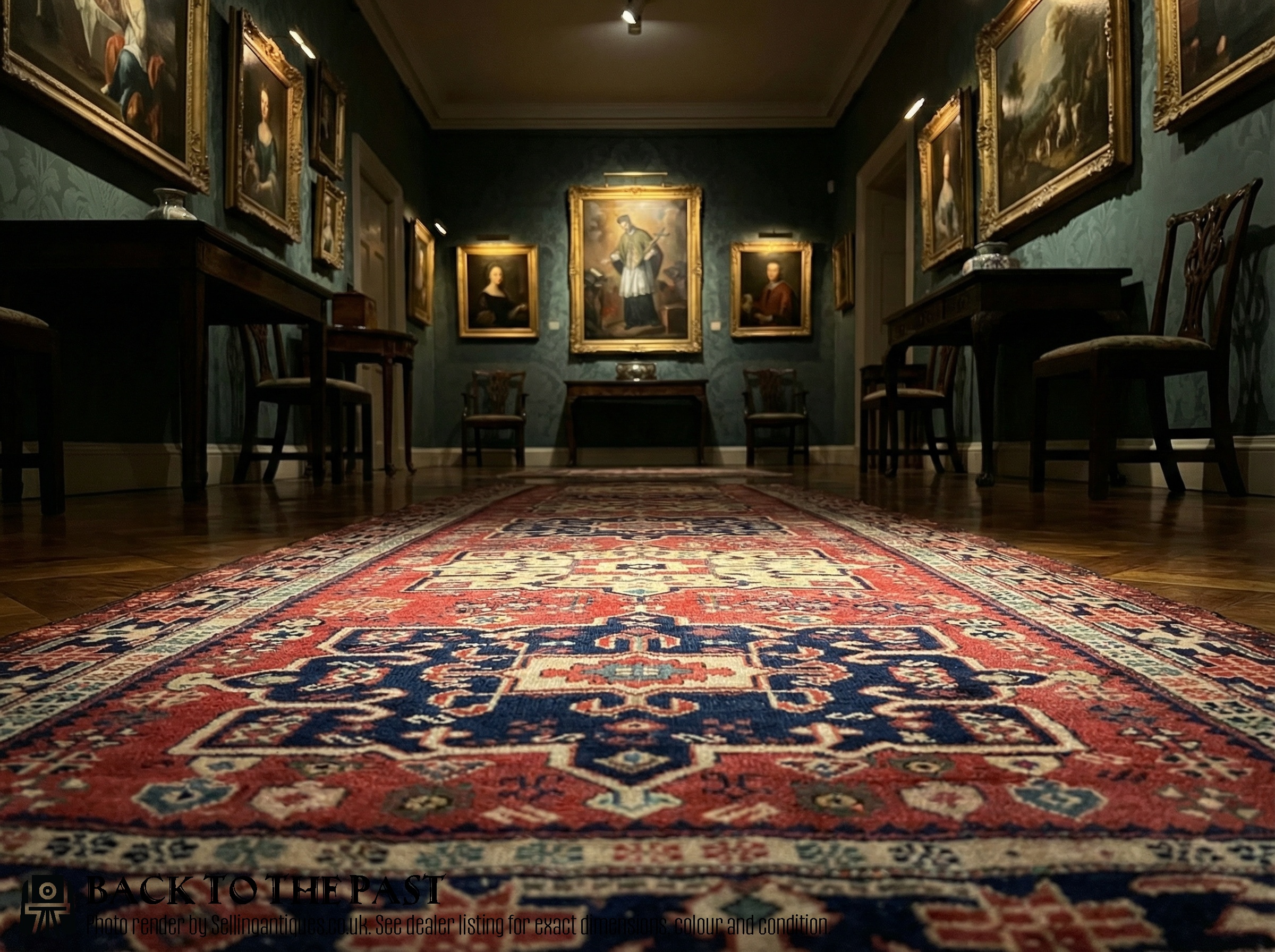
These narrow floor coverings suit high-traffic hallways, corridors, and long entryways where linear dimensions fit naturally. Their durable wool construction handles everyday foot movement while adding warmth and character to transitional spaces.
Position them away from direct, harsh sunlight to protect the natural dyes over time. Ensure a quality underlay sits beneath the rug to prevent slipping and reduce fibre wear.
How do I clean an antique wool runner?
Routine maintenance involves gentle vacuuming without a rotating brush bar to lift surface dirt from the wool pile. Promptly blot liquid spills with a clean, dry white cloth rather than rubbing the fibres.
Professional specialist cleaning is recommended for deep maintenance to safeguard the natural dyes and historical foundation. Avoid saturation and harsh chemical detergents.
What defines a Caucasian geometric design?
Caucasian designs feature stark, angular polygons, hooked medallions, and repeated star motifs arranged with graphic clarity. These patterns reflect the cultural symbolism and regional weaving heritage of the Caucasus mountains.
Strong primary colours like madder red, indigo blue, and ivory dominate the palette. The drawing is typically bold and unpretentious.
How do I identify a tribal runner?
Tribal runners display asymmetrical quirks, spontaneous motifs, and repeating geometric symbols derived from nomadic or village traditions. The weavers worked from memory and local custom rather than rigid paper cartoons.
Materials often include hand-spun wool dyed with regional plant and insect extracts. These pieces carry the distinct aesthetic signature of specific groups such as Baluch or Kurdish makers.