







Traditional Tribal Carpet
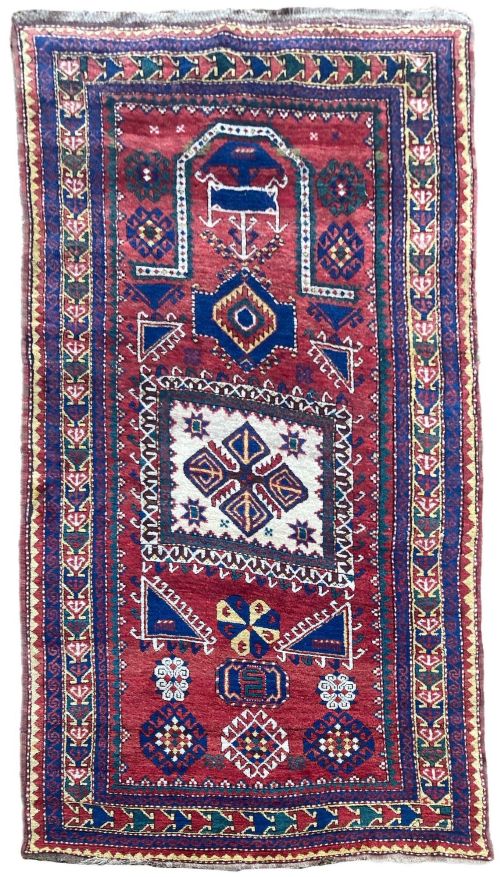
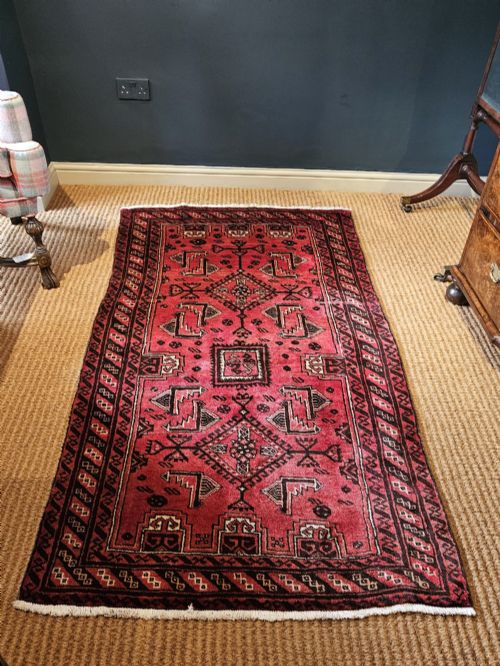
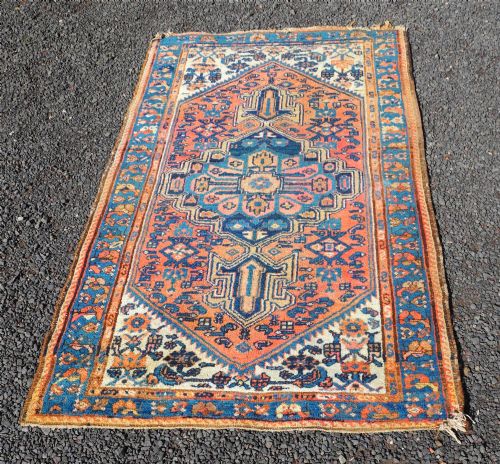
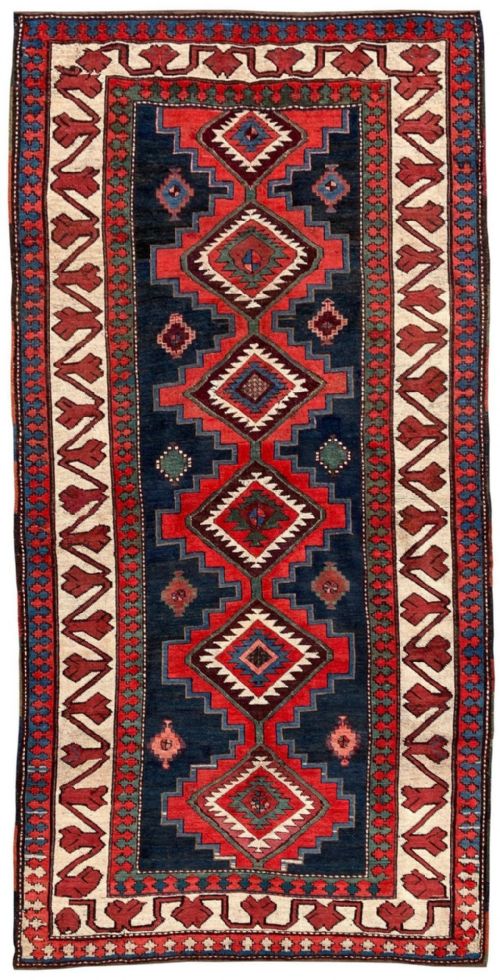
These traditional tribal carpets bring genuine nomadic character and rich regional geometry into a room.
Traditional Tribal Carpet
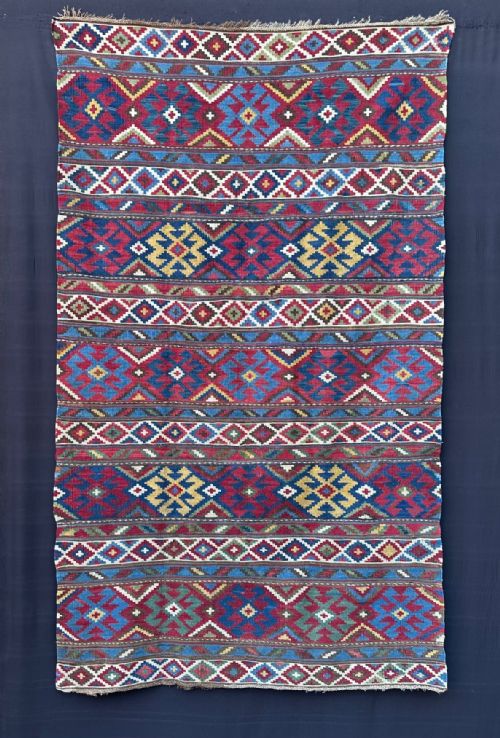
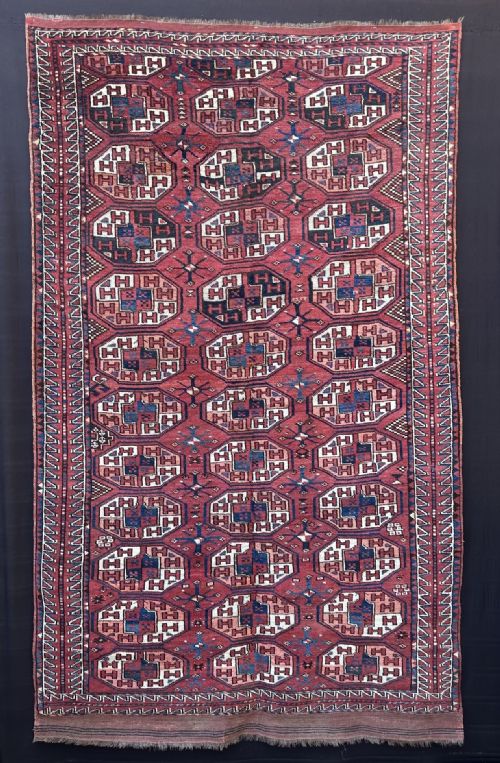
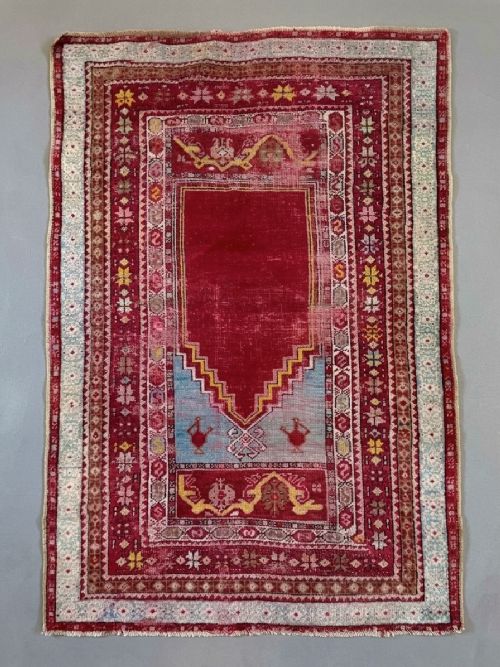
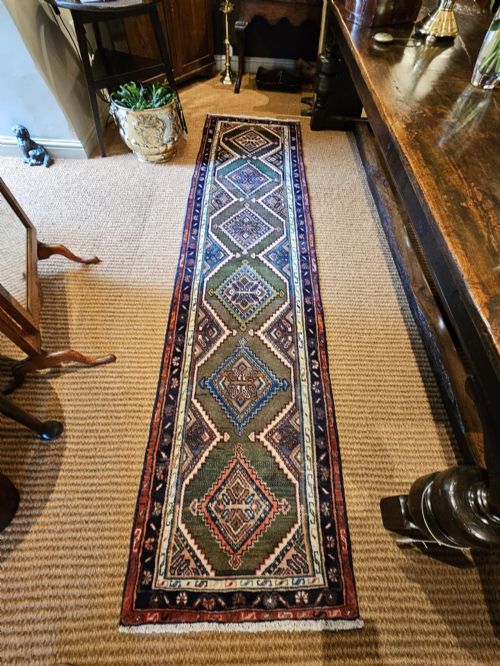
When you search for a traditional tribal carpet, you encounter heavy woolen floor coverings woven by nomadic and village communities across the Middle East, Caucasus, and Central Asia. These pieces serve practical purposes as floor rugs and bedding while displaying centuries-old motifs passed down through generations of weavers.
On this page, you are most likely to meet pieces originating from Persian, Anatolian, Kurdish, Turkmen, Caucasian, and Baluch workshops and nomadic camps. The selection spans the nineteenth century through to the early decades of the twentieth century, encompassing room-sized carpets as well as compact rugs and flatweave kilims.
How they were made
Traditional tribal carpets rely primarily on natural wool for both the pile and the foundational structure, sometimes utilising cotton for warps and wefts. Weavers knot or flatweave these materials by hand on vertical or horizontal looms, building dense structures designed to endure heavy daily use.
The construction incorporates hand-spun wool dyed with traditional colour palettes, yielding deep reds, soft neutrals, and varied geometric fields. Artisans finish the edges with sturdy selvages and leave foundational wool fringes exposed at the ends.
Traditional Tribal Carpet Retail Price Guide 2026
Typical asking prices for traditional tribal carpet among the pieces listed under this phrase on Sellingantiques today, from the lower quarter to the upper quarter. They describe what is for sale here now, not the wider market.
Some carpets carry the quiet evidence of nomadic life, where a weaver changed wool batches mid-row just to finish before sunset.
What varies in quality
Quality in a traditional tribal carpet rests upon the integrity of the wool, the clarity of the regional motifs, and the balance of the natural colour palette. Finer examples display precise knotting and a tight structural weave that maintains its shape across large formats.
Wear and historical repairs alter the character of older pieces, where timeworn surfaces demonstrate the active lifespan of a rug. The distinction lies between sympathetic restoration that preserves the structural fabric and extensive degradation that compromises the integrity of the design.
The Traditional Tribal Carpet Glossary
- Kilim
- A flatweave carpet or rug produced without a pile, traditionally utilised across Anatolia and neighbouring regions. These pieces rely on tightly packed weft threads to create sharp geometric patterns.
- Gul
- A repeating medallion or octagonal motif frequently found in Turkmen and related tribal weaving traditions. Each design often signifies a specific tribal lineage or geographic origin.
- Herati
- A classic all-over pattern composed of a central rosette framed by lancet leaves, commonly seen in Persian and Afshar tribal rugs. This intricate layout creates a dense, balanced field across the carpet.
- Kazak
- A designated style of Caucasian rug known for bold geometric medallions, primary coloration, and strong tribal aesthetics. These pieces typically originate from nineteenth and early twentieth-century village workshops.
Traditional Tribal Carpet: Frequently Asked Questions
What is a traditional tribal carpet?
A traditional tribal carpet is a hand-knotted or flatwoven textile created by nomadic or village weavers using local wool and traditional regional motifs. These floor coverings reflect the specific cultural heritage and design vocabulary of areas like the Caucasus, Anatolia, and Persia.
Such pieces often feature geometric medallions, tribal guls, or all-over patterns like the Herati design. They function as both durable floor coverings and historical textile art.
How do I care for an antique rug?
Caring for an antique tribal carpet involves gentle vacuuming without a rotating power brush to protect the woolen pile and foundation. Keeping the rug out of direct, harsh sunlight prevents the natural dyes from fading prematurely.
Professional cleaning tailored to antique textiles helps maintain the integrity of the wool and cotton fibres. Placing a breathable underlay beneath the carpet prevents slipping and reduces friction against hard floors.
Where were these carpets made?
These carpets originate from various nomadic and village communities across regions such as the Caucasus, Anatolia, Persia, and Afghanistan. Different tribes, including the Afshar, Kurdish, Baluch, and Turkmen groups, developed distinct weaving techniques and colour palettes.
Geographic location heavily influenced the materials used, with local sheep breeds providing the wool and regional plants supplying the natural dyes for the carpets.
How do I date an old carpet?
Dating an antique carpet involves examining the structure, wool quality, dye types, and design motifs present in the weave. Pieces from the nineteenth century often show softer colour maturation and specific structural traits distinct from twentieth-century production.
Historical markers, such as specific structural knotting and regional design evolution, provide clues to the approximate decade or era of manufacture. Comparing a rug's palette and construction to documented examples helps narrow down its age.