

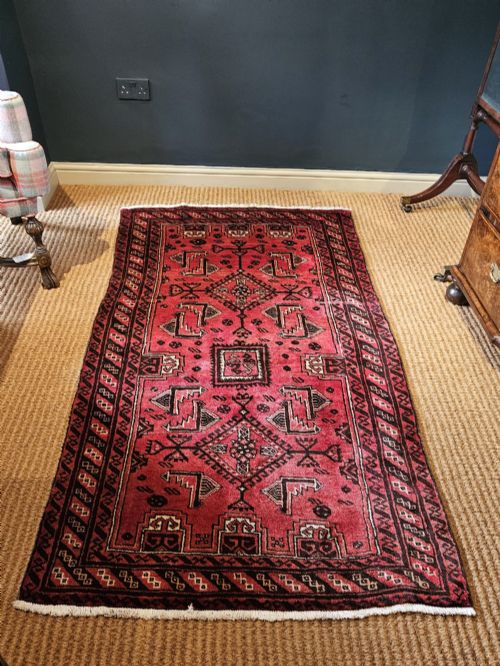
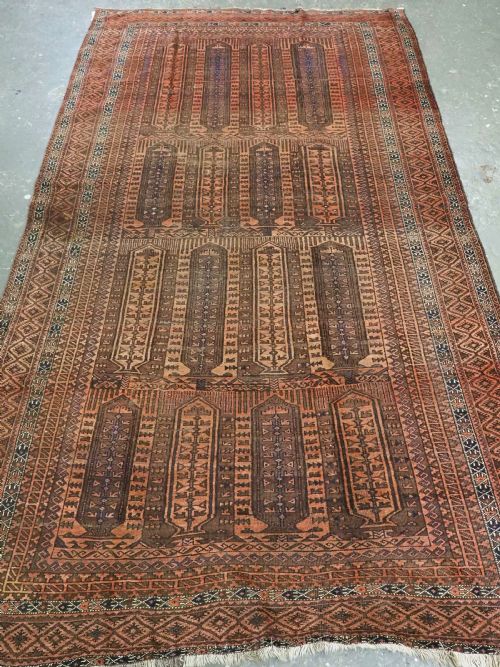
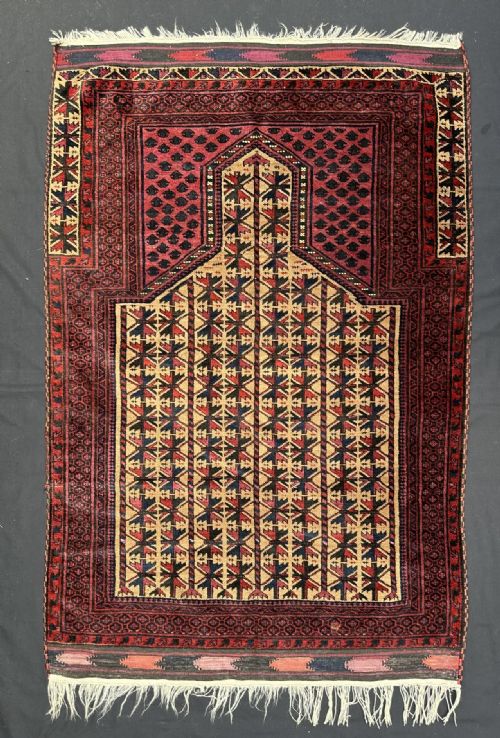
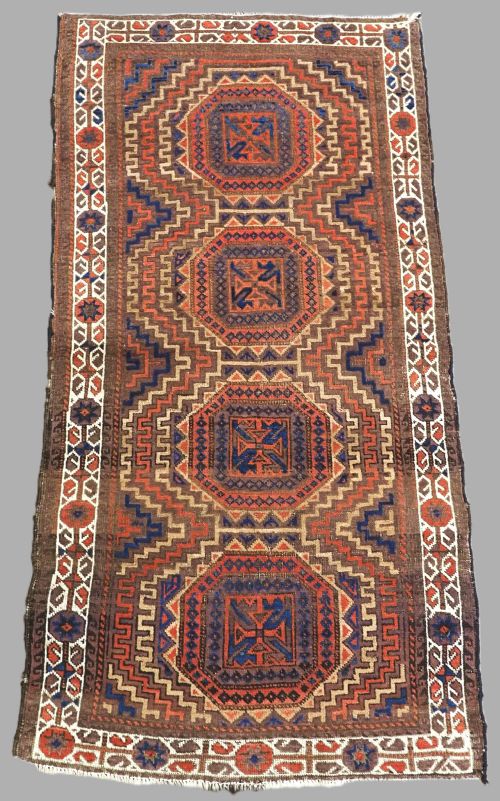
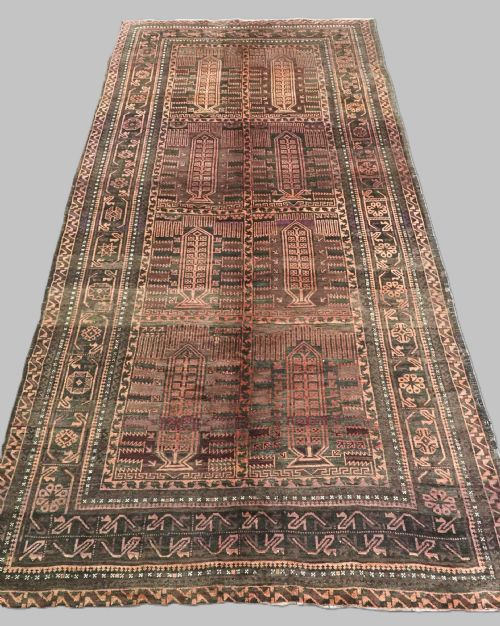
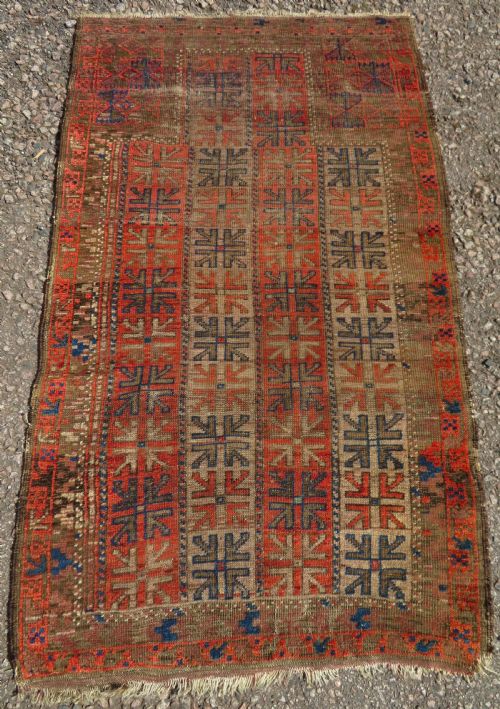
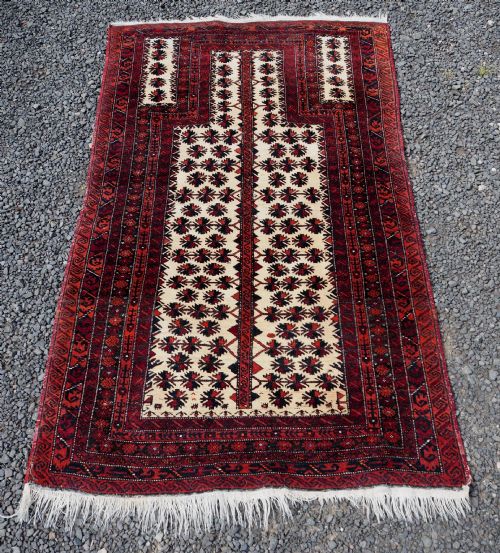
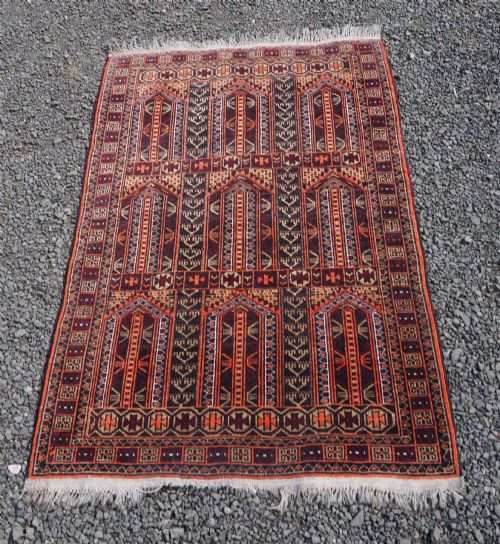
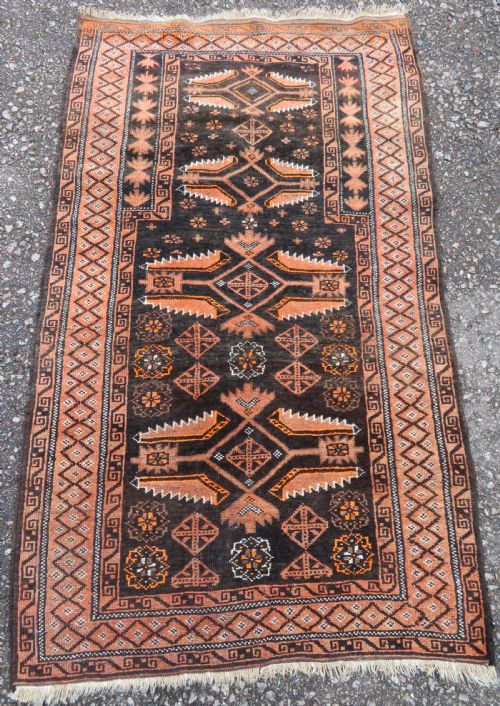
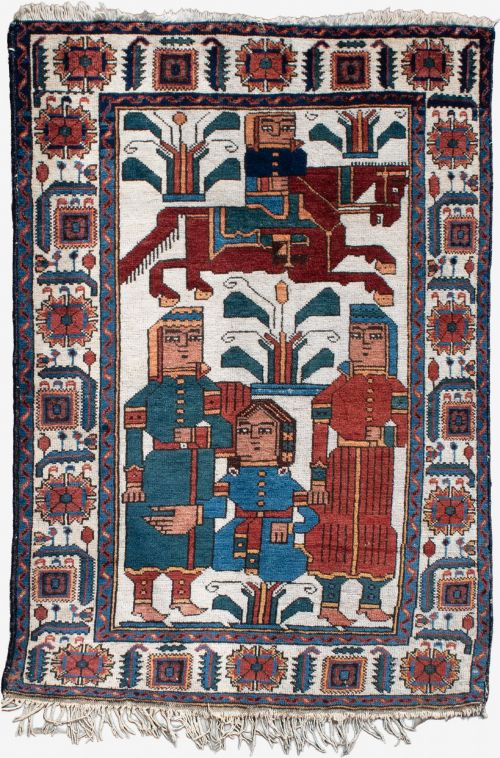
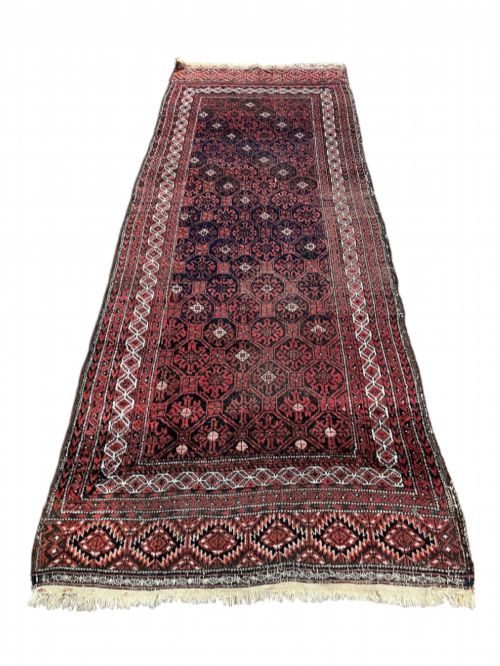
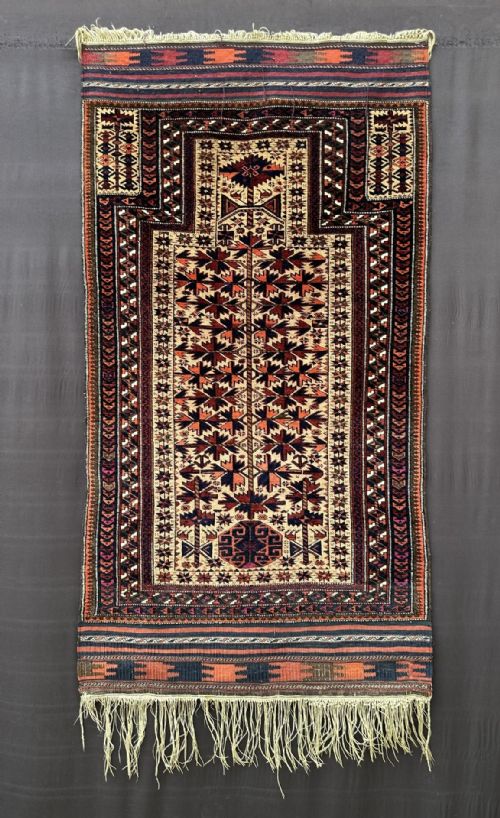
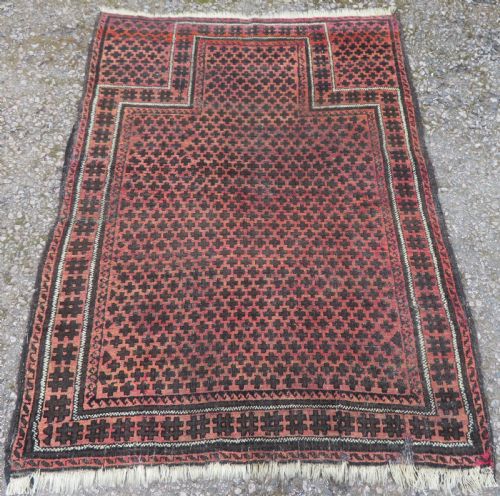


Hand Knotted Baluch Rug
These hand knotted baluch rug examples bring rich tribal character and deep wool textures into a room.

Hand Knotted Baluch Rug
A hand knotted baluch rug represents nomadic weaving traditions originating from the borderlands of Persia and Khorasan. These pieces span from the late nineteenth century to the early twentieth century, capturing distinct tribal motifs and earthy palettes.
Buyers encounter rustic tribal expressions alongside more refined regional varieties from Ferdows and Khorasan. Each specimen demonstrates the enduring utility of traditional nomadic floor coverings.
Materials and construction
Weavers construct each hand knotted baluch rug using wool, pure wool, and camel wool or camel hair. These natural fibres provide resilience and a tactile pile that endures generations of daily use.
Nomadic artisans knot the wool by hand onto supporting foundations, occasionally incorporating cotton. This traditional construction method secures the dense pile and allows for flexible yet robust floor textiles.
Hand Knotted Baluch Rug Retail Price Guide 2026
Typical asking prices for hand knotted baluch rug among the pieces listed under this phrase on Sellingantiques today, from the lower quarter to the upper quarter. They describe what is for sale here now, not the wider market.
Nomadic weavers occasionally incorporated camel wool to impart a naturally resilient pile that withstands desert winds and dusty floors alike.
Distinction in quality
Quality rests upon the fineness of the knotting and the handling of the wool. Superior examples exhibit tightly packed foundations and lustrous camel hair that deepens the visual depth of the design.
The integrity of the tribal motifs and the balance of the regional lattice or medallion work separate standard utilitarian pieces from more accomplished regional expressions.
The Hand Knotted Baluch Rug Glossary
- Prayer rug
- A small rug featuring a mihrab or arch design intended for devotional use. These pieces often serve as compact wall hangings or focused accent floor coverings.
- Box medallion
- A geometric central motif composed of angular compartments. This design element frequently anchors the field of tribal carpets.
- Mina khani
- An repeating pattern of daisies or rosettes linked by curved trellis lines. It appears across classic Persian and Khorasan weaving traditions.
- Calyx lattice
- A structured network of floral bud motifs forming a repeating geometric grid. This sophisticated layout structures the field of older carpets.
- Camel wool
- Natural un-dyed hair sourced from camels, prized for its soft handle and warm golden-brown tones. It adds durable variation to nomadic textiles.
Hand Knotted Baluch Rug: Frequently Asked Questions
Where were these rugs made?
These textiles originate from tribal and regional workshops across Persia, specifically including Khorasan and the Ferdows region. Nomadic groups historically produced them for daily domestic use and trade.
Over time, these distinct regional styles developed their own recognizable motifs, such as lattice patterns and box medallions.
How do I clean a wool rug?
Gentle surface cleaning and regular light vacuuming without a rotating brush help maintain the wool pile. Professional specialist cleaning is recommended for deeper maintenance.
Avoiding harsh chemical treatments preserves the natural lanolin within the pure wool and camel hair fibres.
Are these rugs suitable for high traffic areas?
The dense wool and robust hand knotted construction provide natural durability for moderate traffic zones. Placing a suitable underlay underneath helps prevent slipping and reduces pile friction.
Heavier room placement allows the resilient natural fibres to withstand everyday movement while retaining their tactile character.
How do I date an antique rug?
Dating relies on examining structural characteristics, material preparation, and traditional design layouts. Natural dye variations and regional motifs often point towards specific late nineteenth or early twentieth-century periods.
Comparative study of known tribal weaving patterns helps narrow down the approximate decade of production.