
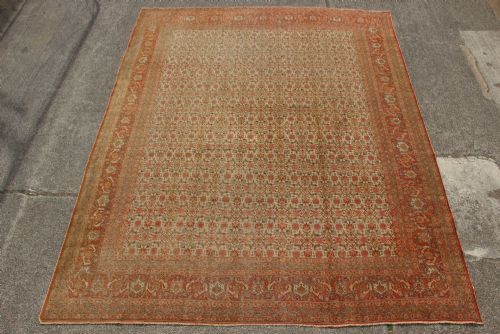
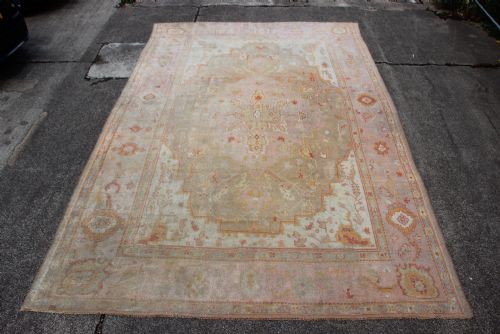
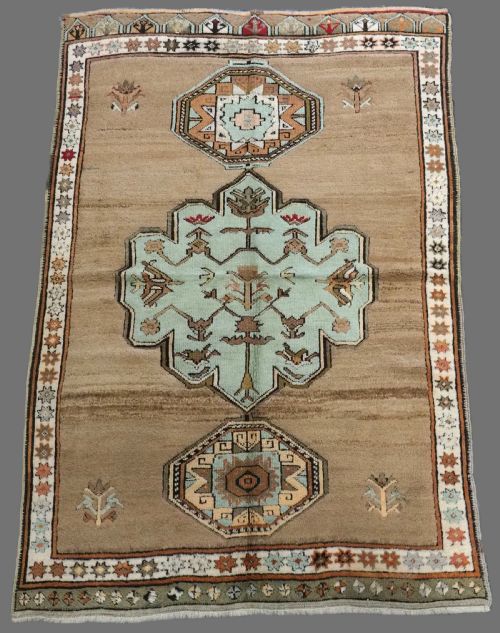
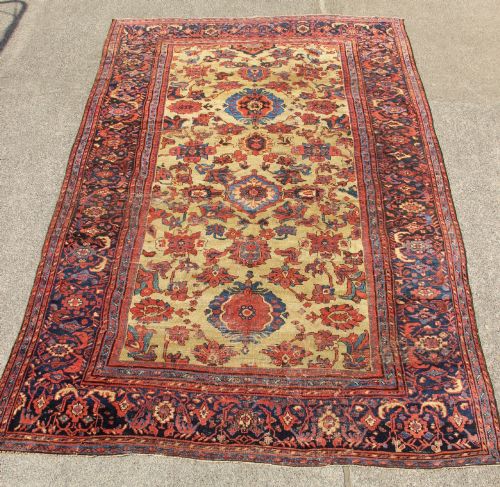
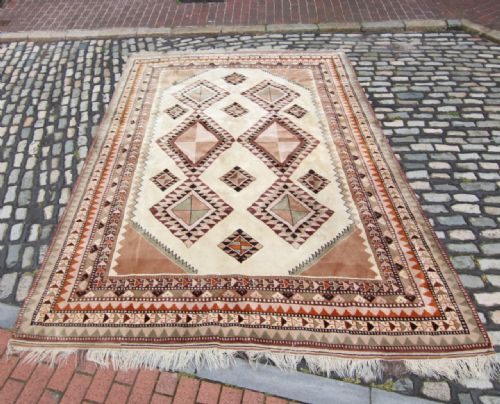
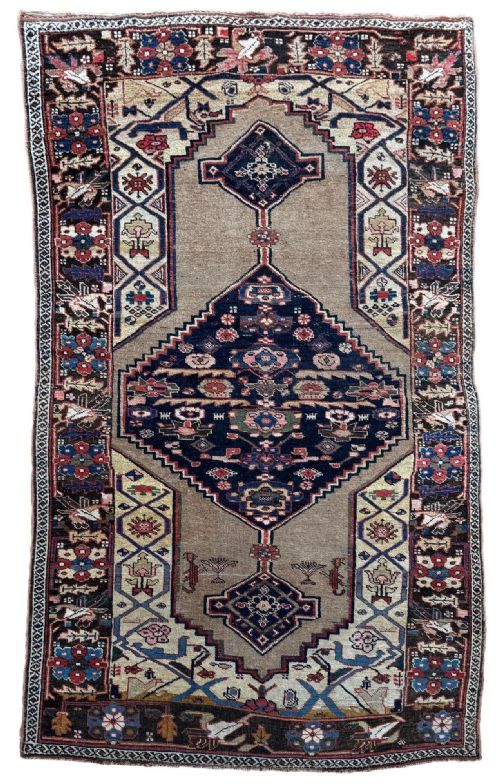
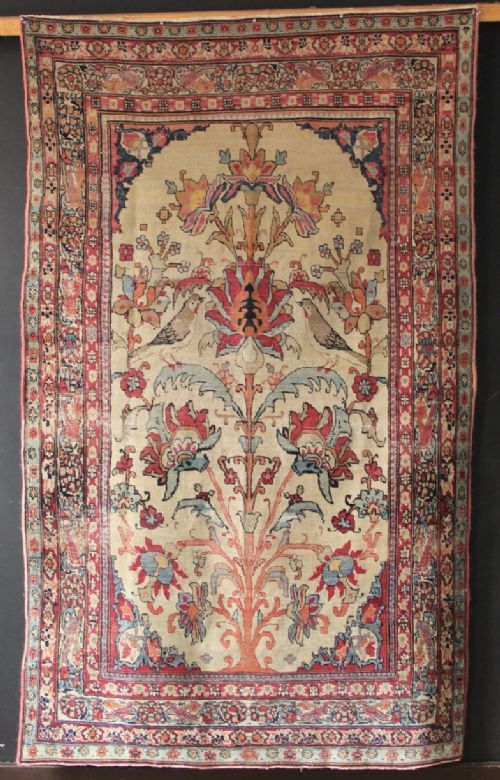
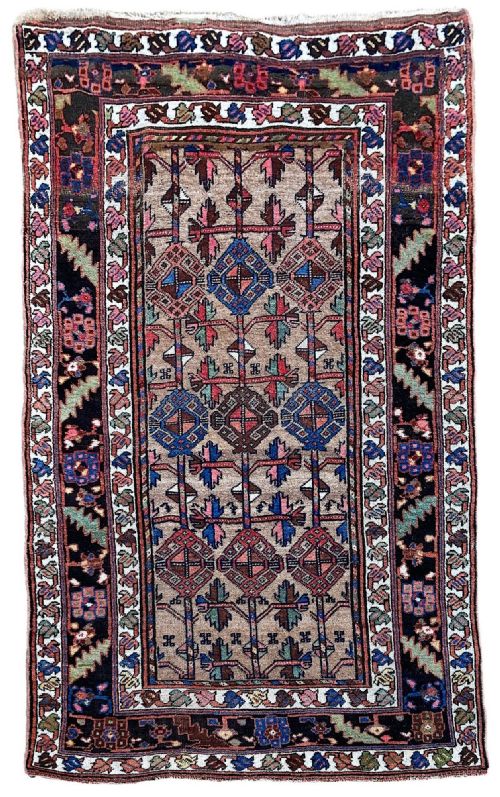


Beige Wool Area Rug
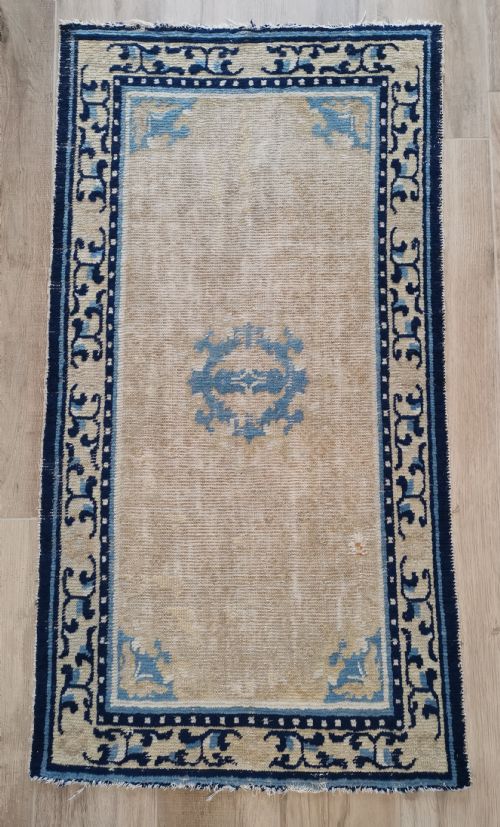
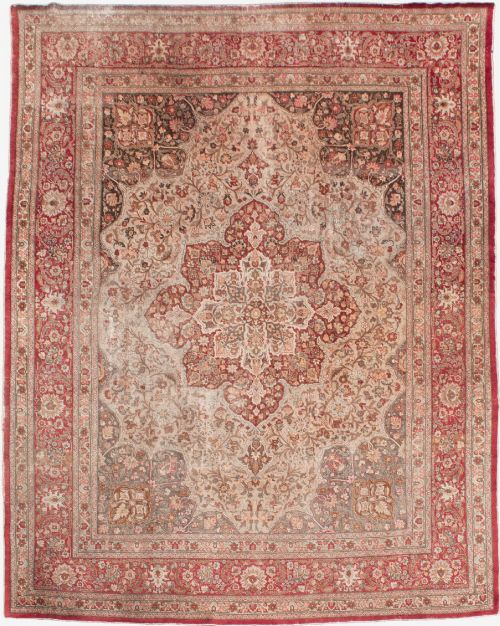
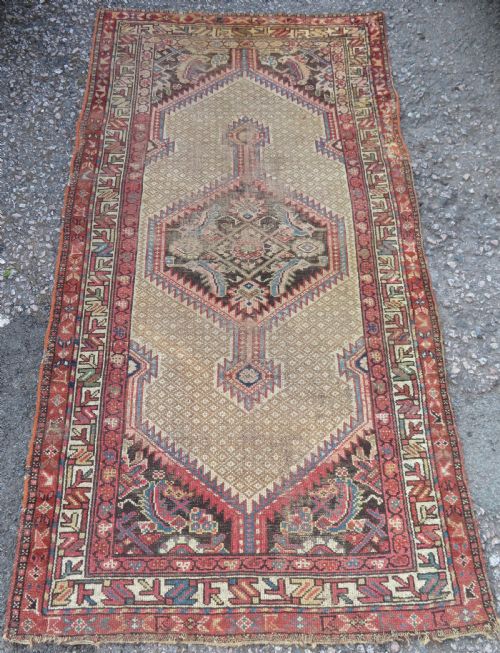
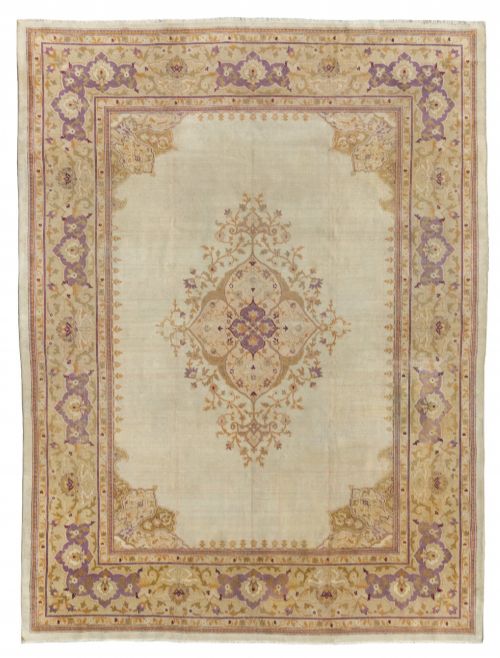
When you search for a beige wool area rug, you are looking at floor coverings woven from natural animal fibres in muted neutral tones.
Beige Wool Area Rug
A beige wool area rug brings warmth and understated texture to a floor through centuries-old weaving traditions originating from Persian, Turkish, Chinese, and European workshops. These pieces span from the mid-nineteenth century through the early decades of the twentieth century, encompassing city workshops and tribal villages alike.
The most common iterations on this page are antique carpets and room-sized floor coverings displaying faded palettes, natural abrasash, and traditional medallion or all-over field designs. Regional variations include Persian Tabriz and Kirman pieces alongside Anatolian Oushak and Ushak weaves.
Buyers encounter formats ranging from compact village mats to large country house proportions, all constructed from durable animal fibres suited to daily foot traffic.
How they were made
The materials recorded in these pieces rely predominantly on natural wool, cotton foundations, and occasional use of camel hair or hand-spun wool for added tactile variation. Artisans knotted these fibres by hand onto warps and wefts, creating dense piles that softened in tone over decades of use.
Dyes derived from natural sources interact with the wool fibres to produce the characteristic soft patinas and muted neutral fields seen across the selection. Foundation threads of cotton provide structural stability to heavier village and city carpets.
Beige Wool Area Rug Retail Price Guide 2026
Typical asking prices for beige wool area rug among the pieces listed under this phrase on Sellingantiques today, from the lower quarter to the upper quarter. They describe what is for sale here now, not the wider market.
Several nomadic weavers tucked dates and tribal signatures directly into the pile, leaving quiet timestamps in the wool.
What varies in quality
Quality in these floor coverings rests upon the density of the hand-knotting, the fineness of the spun wool, and the complexity of the design execution. Superior pieces exhibit precise drawing within the motifs and an even, resilient pile that maintains its integrity across large expanses.
The distinction between standard village items and top-tier workshop carpets lies in the refinement of the wool preparation and the subtlety of the colour graduation across the neutral field.
Benlian
The Beige Wool Area Rug Glossary
- Abrasash
- Natural variations in colour tone caused by subtle shifts in dye batches or hand-spun wool used during the weaving process. This tonal variation adds depth to the neutral field of a carpet.
- Pile
- The upright loops or cut ends of yarn that form the usable surface of a rug. Pile depth and density determine how the floor covering feels underfoot.
- Warp
- The vertical foundation threads stretched tightly on the loom before knotting begins. Weft threads are inserted across these warps to secure each row of knots.
- Medallion
- A symmetrical central decorative motif placed in the middle of the rug field. Many traditional regional carpets feature this focal design element.
- Patina
- The soft surface sheen and muted coloration developed by natural fibres over decades of light exposure and gentle wear.
Beige Wool Area Rug: Frequently Asked Questions
How do I clean an antique wool rug?
Antique wool floor coverings require gentle care, typically limited to professional specialist cleaning rather than harsh domestic washing methods.
Regular light vacuuming without a rotating brush helps prevent dust accumulation within the pile without damaging the hand-knotted foundation.
Can I place these rugs in high traffic areas?
Traditional wool and camel hair carpets possess inherent natural resilience that withstands moderate daily movement across hallways and reception rooms.
Heavier room-sized formats distribute foot traffic evenly, though rotating the rug periodically ensures balanced wear over the years.
How do I identify the regional origin?
Stylistic clues such as border motifs, knotting density, and palette characteristics point directly to specific weaving centres like Tabriz, Oushak, or Kirman.
Village pieces often display more rustic, geometric interpretations compared to the refined curvilinear designs of urban workshops.
What does a camel wool field mean?
The use of un-dyed camel hair or wool introduces naturally occurring golden-beige tones that create exceptionally soft and durable backgrounds.
This specialty material is particularly characteristic of certain tribal and village weaves from nineteenth and early twentieth-century regions.