




Traditional Woven Carpet
A traditional woven carpet brings lasting texture and heritage pattern into a room, spanning tribal designs from the nineteenth and early twentieth centuries.

Traditional Woven Carpet
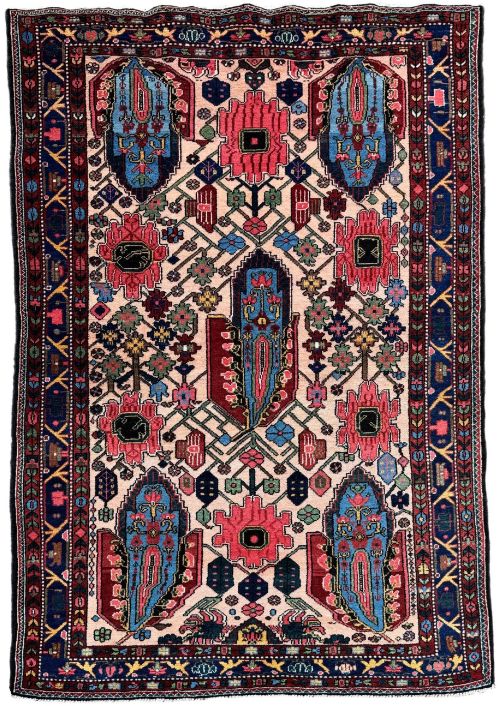
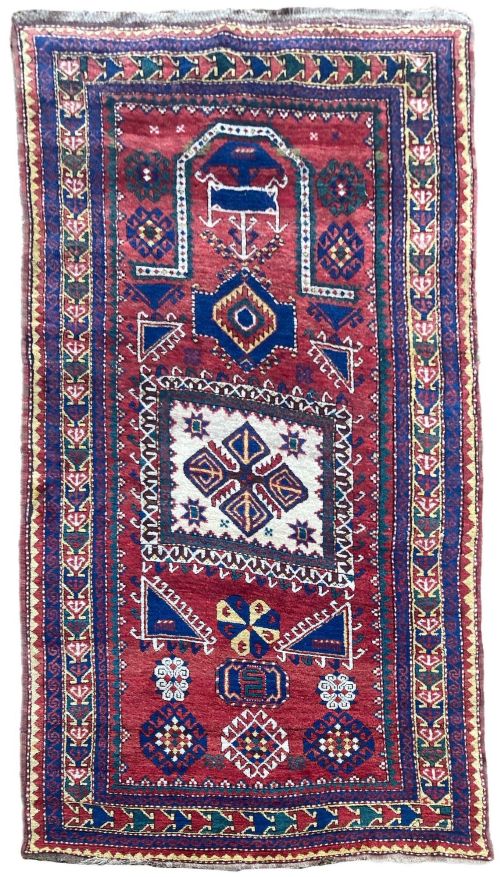
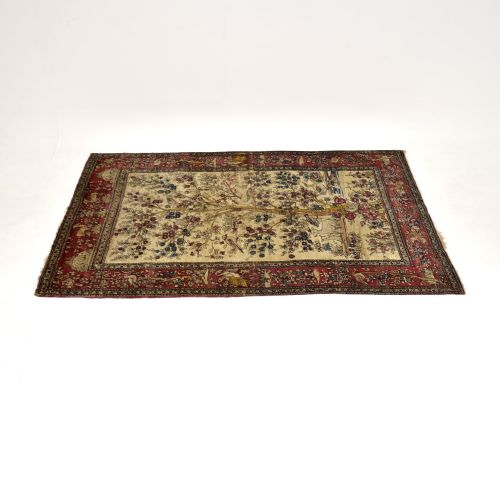
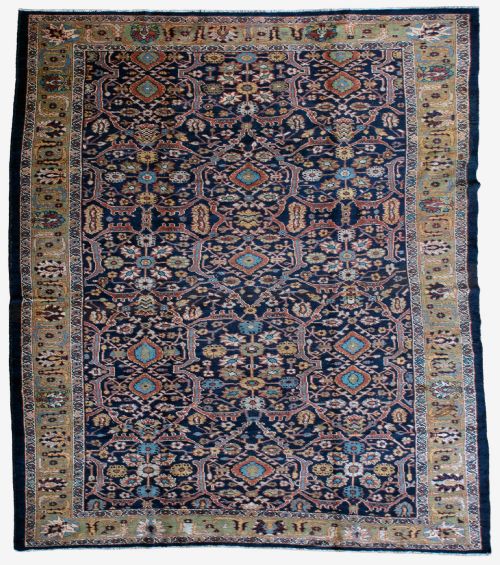
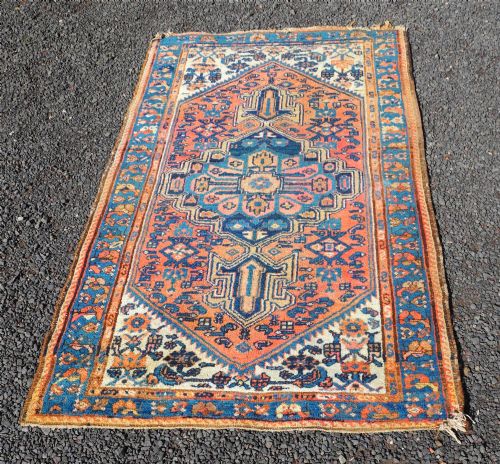
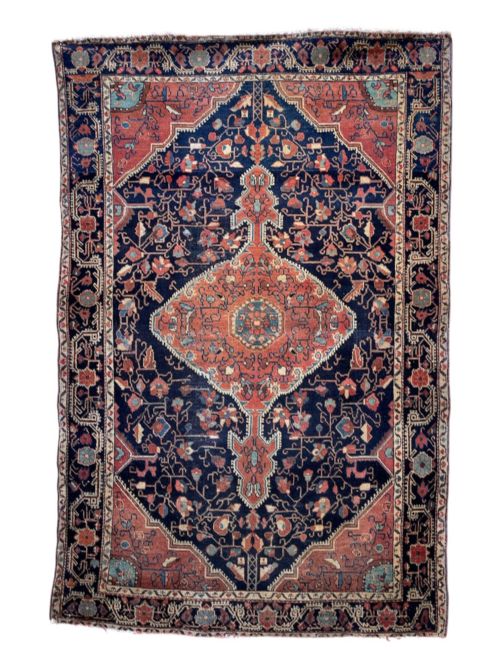
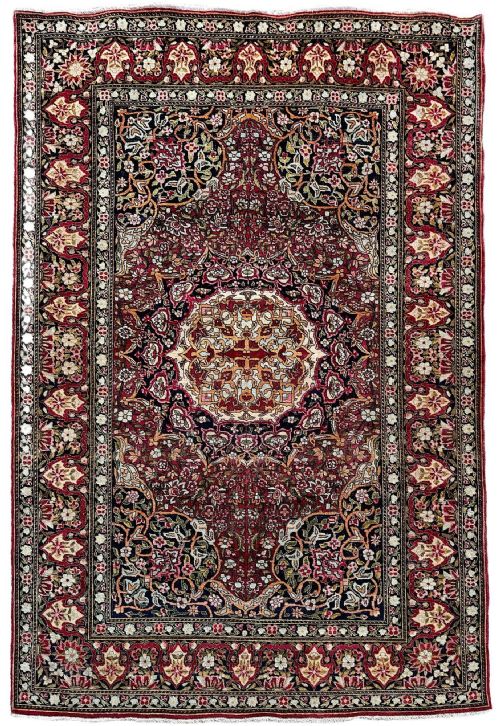
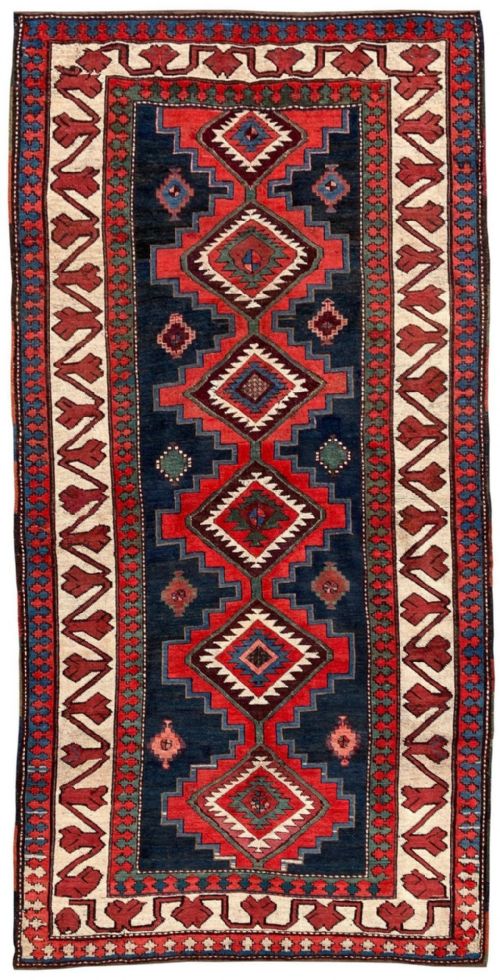
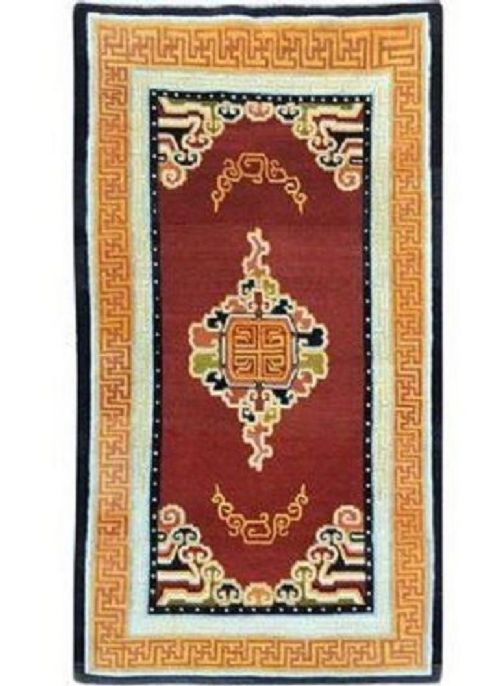
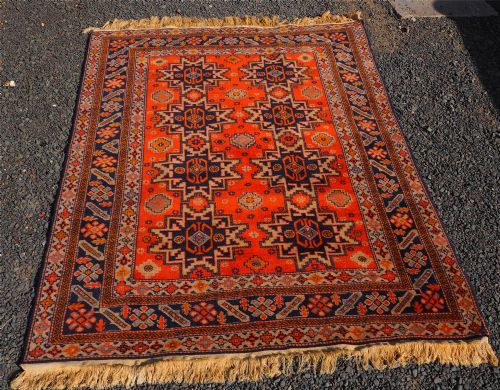
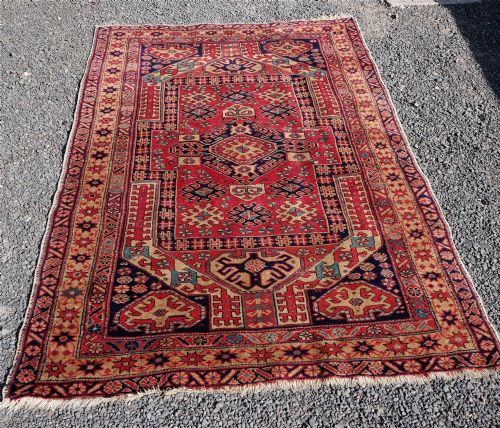
A traditional woven carpet encompasses room-sized floor coverings, area rugs, hallway runners, and prayer rugs originating from Persian, Caucasian, Anatolian, Turkmen, and Tibetan traditions. These items date from the nineteenth century through the 1930s, displaying regional motifs that reflect specific weaving communities.
Buyers meet large carpets bearing classical Persian room designs alongside smaller tribal rugs and long runners suited for hallways. The selection ranges from village weaves like Hamadan and Bakhtiar to fine urban workshop pieces such as Isfahan and Saroukh.
Proportions vary from compact hearth rugs to grand country house carpets exceeding three metres in length. Each piece serves a functional floor covering role while displaying traditional patterns passed down through generations of makers.

How they were made
Makers constructed these carpets using natural wool, cotton foundations, and occasional silk highlights, employing hand-weaving techniques traditional to each region. Weavers knotted or flat-wove these natural fibres by hand on upright looms.
Dyes derived from natural sources imparted deep colours onto the wool and cotton materials, creating the enduring tones seen across Persian and Caucasian examples. Skilled artisans tied dense piles or created flat-woven kilims designed to withstand generations of use.
Traditional Woven Carpet Retail Price Guide 2026
Typical asking prices for traditional woven carpet among the pieces listed under this phrase on Sellingantiques today, from the lower quarter to the upper quarter. They describe what is for sale here now, not the wider market.
The listings span the nineteenth century through the 1930s, featuring wool, cotton, and silk materials across Persian, Caucasian, Tibetan, and Anatolian styles.
What varies in quality
Quality in a traditional woven carpet rests on the density of the weave, the clarity of the regional design, and the handled quality of the wool. Finer knots per square inch allow for intricate geometric or floral drawing.
The choice of materials also divides the range, with select pieces incorporating silk highlights or exceptionally lustrous wool on sturdy cotton foundations. Regional provenance and the integrity of the original borders further distinguish standard village output from master workshop productions.
The Traditional Woven Carpet Glossary
- Kilim
- A flat-woven carpet or rug produced without a pile. These pieces rely on interlocking weft techniques to create sharp geometric patterns.
- Prayer rug
- A small carpet featuring a mihrab design or niche motif. Users traditionally placed these rugs on the floor for daily devotions.
- Runner
- A long, narrow carpet format designed specifically for hallways and corridors. These pieces guide movement through domestic spaces.
- Pile
- The upright yarn loops or cut ends forming the soft surface of a carpet. Dense pile construction provides both cushioning and durability.
- Weft
- The horizontal threads passed back and forth through the vertical warp threads on a loom. This structural grid holds the knots securely in place.
Traditional Woven Carpet: Frequently Asked Questions
How do I clean a traditional woven carpet?
Gentle surface brushing and regular light vacuuming without a beater bar remove loose dust from the wool fibres.
Professional specialist cleaning remains necessary for deep washing to protect the natural dyes and historical foundation.
Where should I place a hallway runner?
A long runner fits narrow corridors, entryways, or alongside beds to protect flooring and add warmth underfoot.
Ensure adequate clearance for doors to swing freely over the thickness of the woven pile.
How do I identify a tribal rug?
Tribal rugs display bold geometric medallions, stylized animal motifs, and asymmetric village designs rooted in nomadic traditions.
These pieces often feature coarser wool and distinctive regional colour palettes distinct from formal court workshop carpets.
Are these carpets suitable for heavy foot traffic?
Dense wool construction and sturdy cotton foundations allow these traditional floor coverings to endure everyday domestic use.
Adding a quality underlay prevents slipping and cushions the fibres against hard floors.