
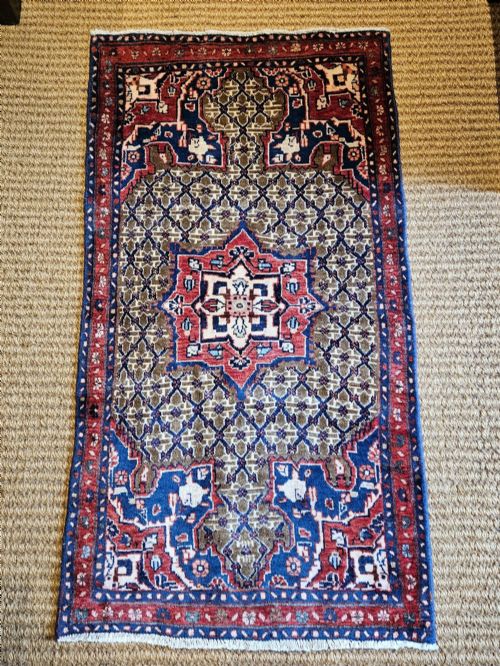
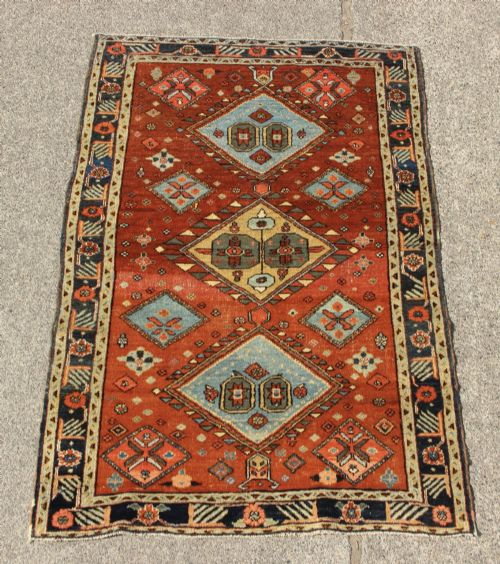
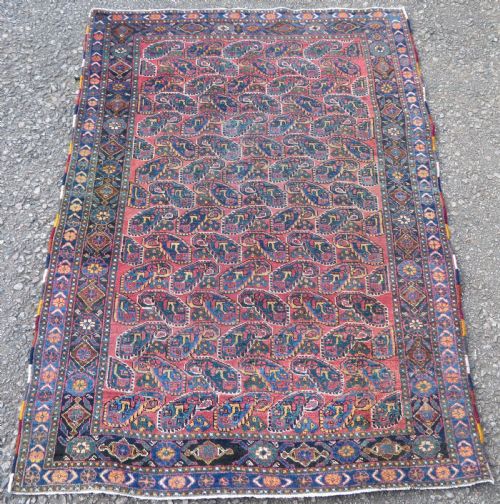
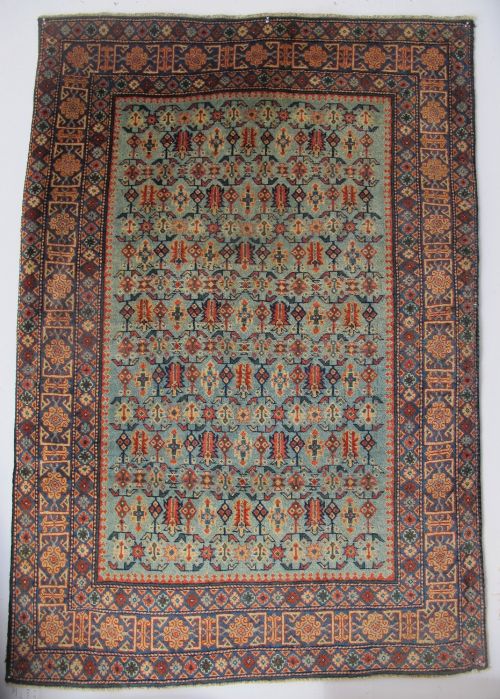
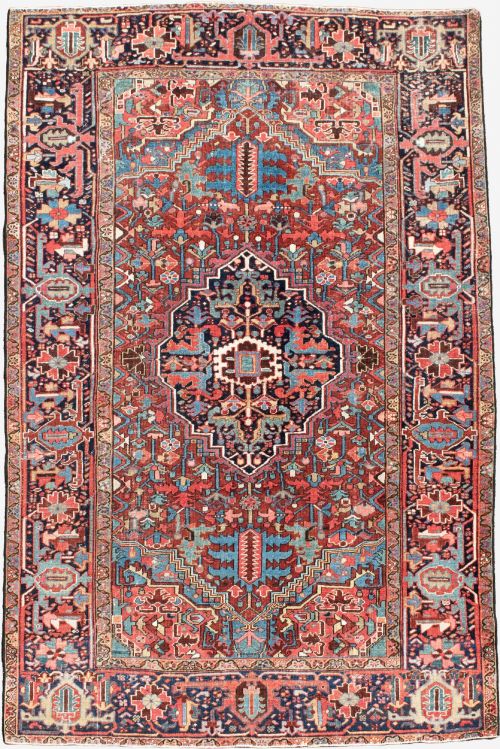
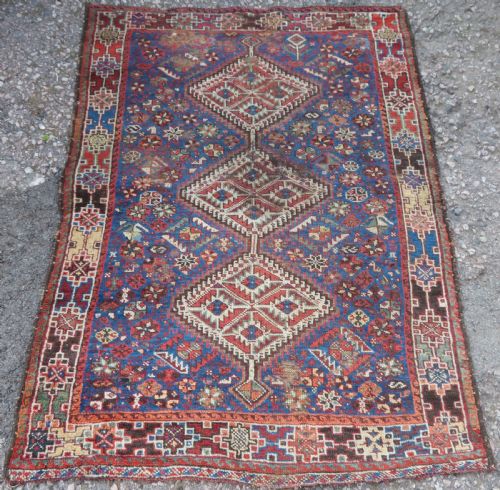
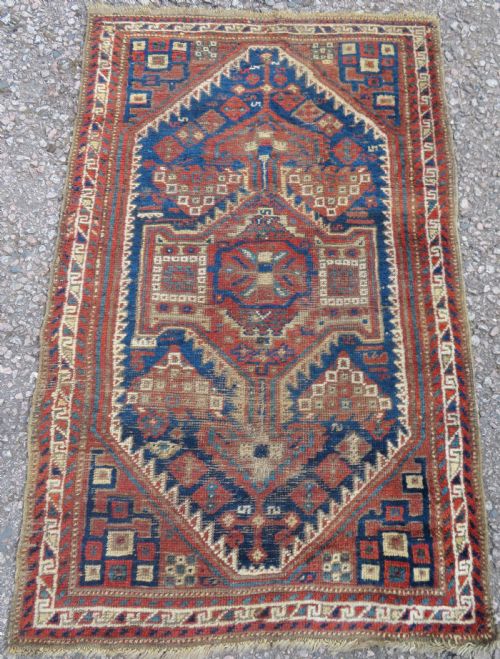
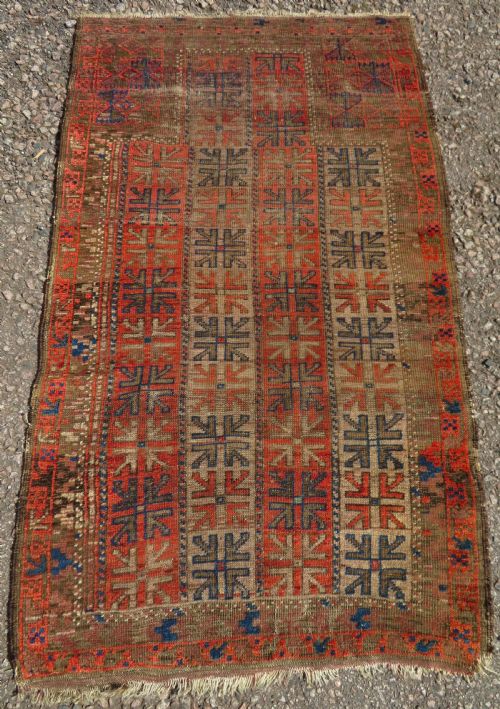
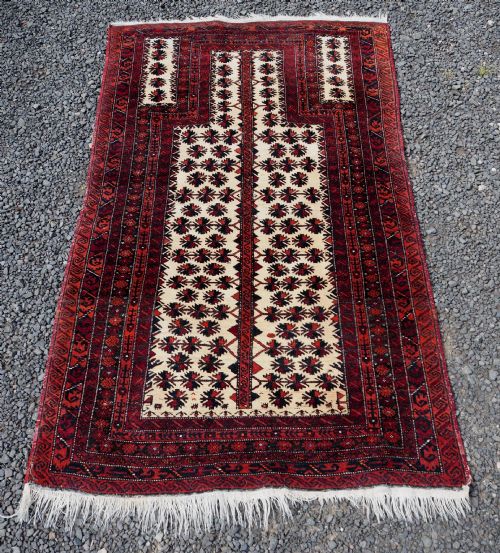
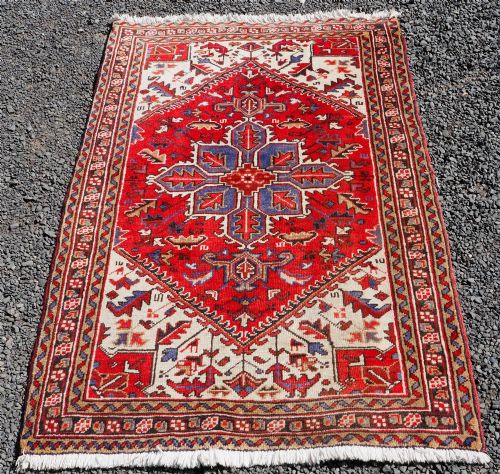
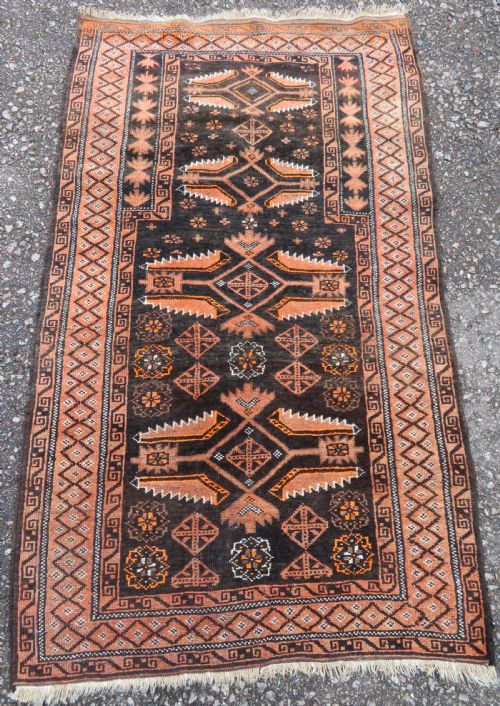
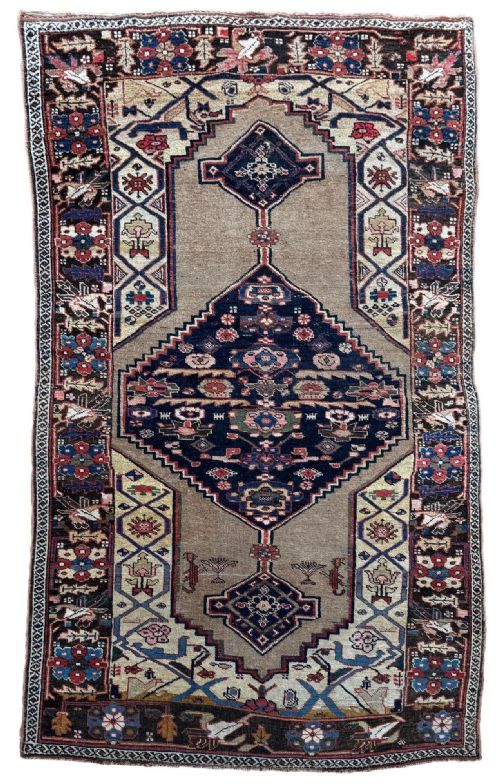
Small Persian Area Rug
A small persian area rug brings distinct village character and enduring warmth to an interior.
Small Persian Area Rug
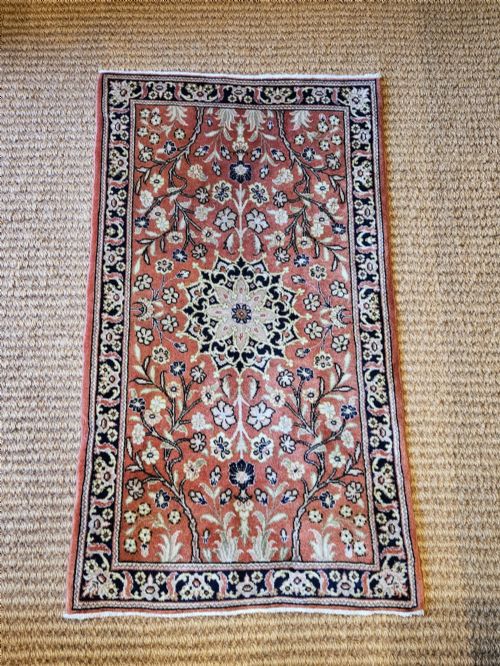
A small persian area rug brings traditional village and tribal weaving traditions directly into domestic spaces. These floor coverings bridge the gap between large carpets and hearth-sized mats, offering manageable proportions for studies, hallways, and compact rooms.
The selections span several decades of production from the nineteenth and early twentieth centuries, encompassing regional workshops and nomadic traditions alike. Pieces typically originate from recognised weaving centres and tribal groups across Persia, each bringing a distinct visual vocabulary to the floor.
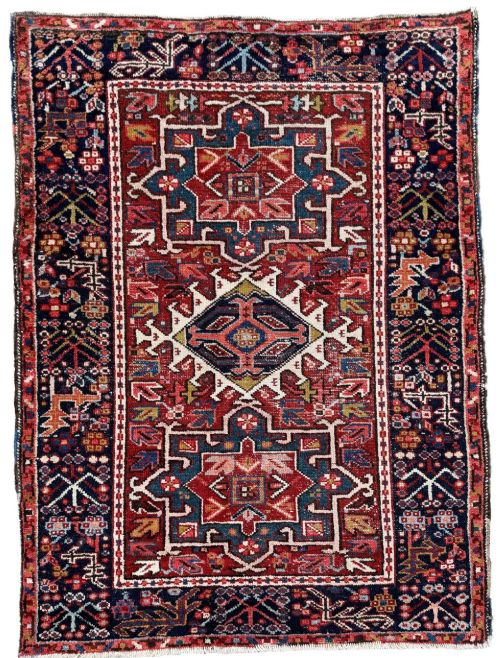
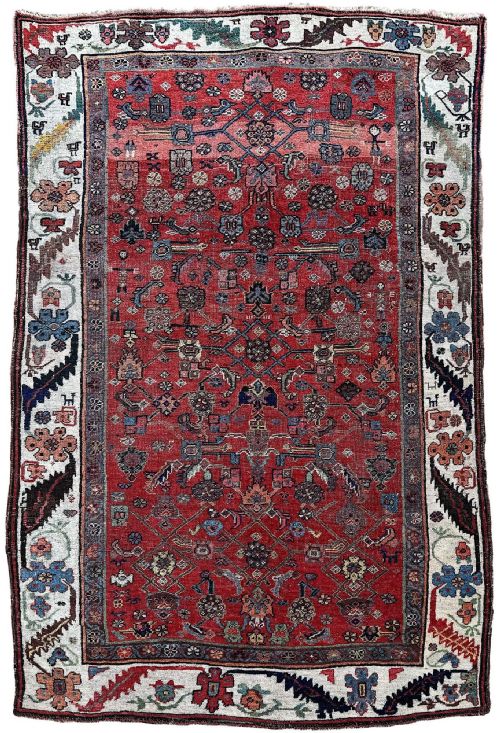
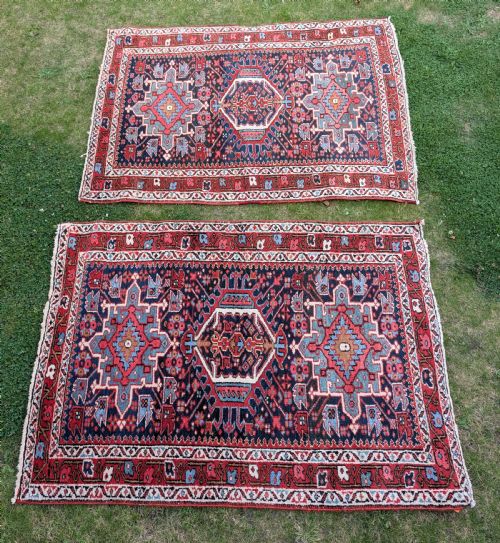
Buyers frequently encounter regional village formats such as Heriz, Bidjar, Karaja, and Afshar pieces in this size category. These formats deliver concentrated geometric medallions, intricate boteh motifs, and robust wool construction suited to daily use.
Materials and Construction
Construction relies upon hand-spun wool knotted firmly onto a foundation of cotton warp and weft threads. This combination provides structural stability and allows the dense pile to withstand years of foot traffic.
Weavers utilised natural dyes derived from plants and minerals, yielding rich tones that mellow gracefully over time. Silk appears occasionally in specific regional examples, adding subtle sheen and intricate detail to the pile.
Small Persian Area Rug Retail Price Guide 2026
Typical asking prices for small persian area rug among the pieces listed under this phrase on Sellingantiques today, from the lower quarter to the upper quarter. They describe what is for sale here now, not the wider market.
Listings feature pieces spanning the late nineteenth century through the 1930s, constructed from hand-spun wool and cotton warp.
What Distinguishes Quality
Knot density and structural tightness set finer workshop examples apart from looser tribal village pieces. A denser foundation allows crisper rendering of geometric and curvilinear motifs across the field.
The integrity of the wool and the preservation of original borders indicate how well a piece survived the decades. Even patinated examples retain their structural coherence when the knotting remains secure along the edges and ends.
The Small Persian Area Rug Glossary
- Warp
- The vertical foundation threads stretched tightly on the loom before knotting begins. Cotton serves as the primary material for these structural strands in most village weavings.
- Weft
- The horizontal threads passed between rows of knots to bind the structure together. Beating the weft firmly down creates the characteristic dense handle of traditional Persian work.
- Boteh
- A stylised almond or paisley motif representing a floral shoot or cypress tree. This ancient symbol appears frequently in regional village and tribal designs.
- Pile
- The upright cut ends of the knotted wool that form the usable surface of the rug. Its height and density determine the tactile feel underfoot.
- Medallion
- A large central ornamental design dominating the field of the rug. Regional weavers often anchor their compositions with geometric or floral centrepieces.
Small Persian Area Rug: Frequently Asked Questions
Where should I place a small persian area rug?
These compact floor coverings work well in entryways, beside beds, or as focal points in smaller reception rooms. Their scale allows them to define cosy zones without overwhelming the surrounding floor space.
Ensure the placement receives moderate foot traffic so the vintage wool pile can endure gracefully. Pairing them with a suitable underlay prevents shifting on hard wood or stone floors.
How do I clean an antique rug?
Gentle surface brushing and careful vacuuming without a rotating power head help remove loose dust and grit. Professional specialist cleaning remains essential for removing deeper embedded soils without damaging natural dyes.
Avoid soaking the foundation or using harsh chemical detergents, as these can destabilise historic wool and cotton fibres. Quick action on spills by blotting rather than rubbing prevents permanent staining.
How can I tell different regional styles apart?
Heriz and Bidjar pieces generally feature robust geometric layouts with firm structural foundations designed for heavy use. Afshar and Baluch examples lean towards tribal motifs, often displaying camel-hair tones or repeating boteh patterns.
Examining the back of the rug reveals knotting patterns and warp characteristics distinctive to specific production areas. Secondary colours and border designs also offer clear clues to a piece's geographical origin.
Are these rugs durable enough for daily use?
Traditional village weavings from the nineteenth and early twentieth centuries were built for utilitarian household flooring. The combination of hand-spun wool and tight knotting provides remarkable longevity under normal domestic conditions.
Pieces with light wear or patinated surfaces still retain structural integrity if the foundation remains sound. Placing them away from constant dampness ensures they continue serving functional roles in the home.