


Vintage Persian Accent Rug
A vintage persian accent rug brings centuries of hand-knotted heritage, tribal geometry and botanical motifs into smaller residential spaces.
Vintage Persian Accent Rug
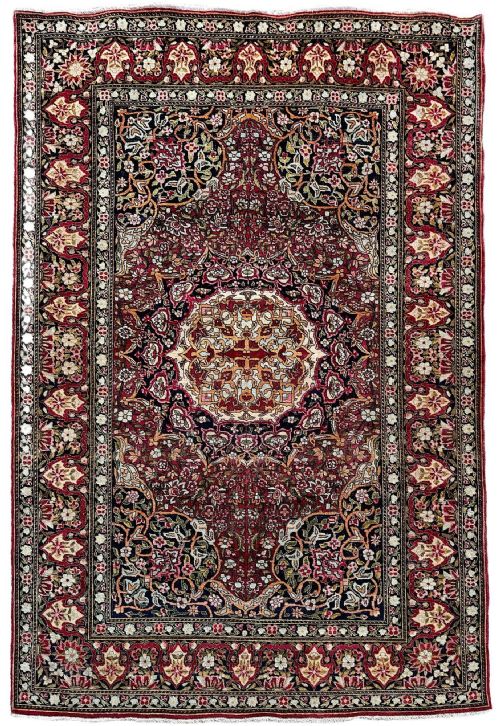
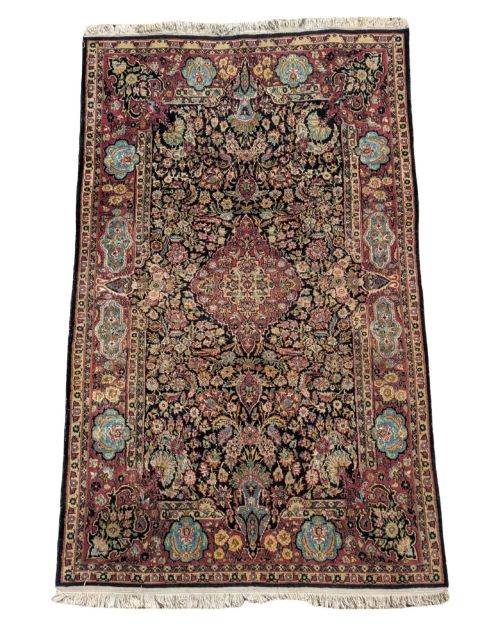
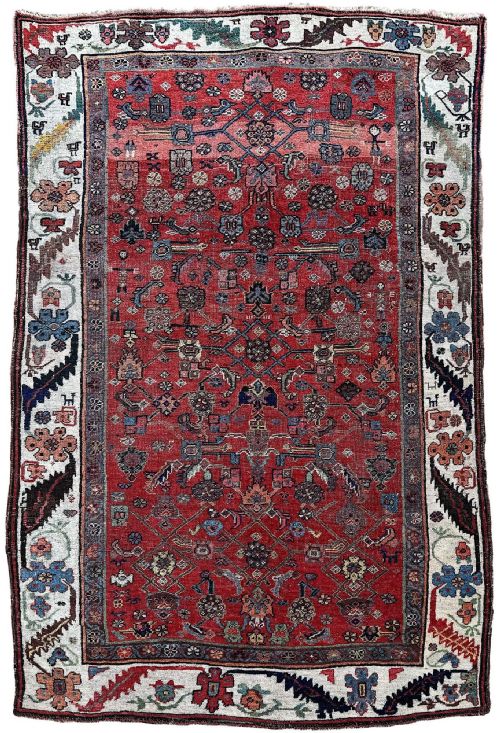
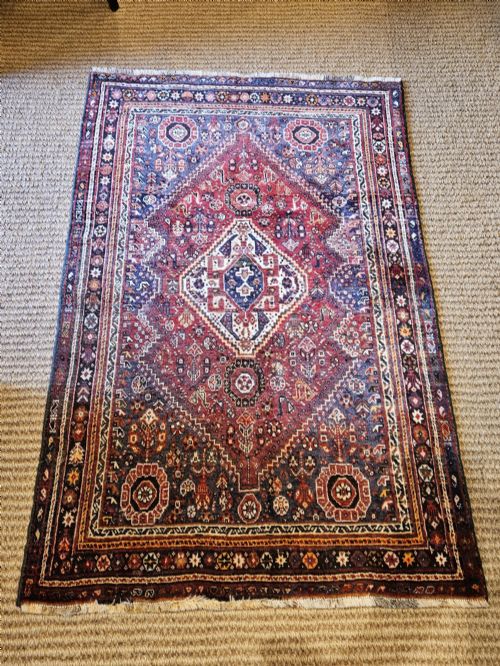
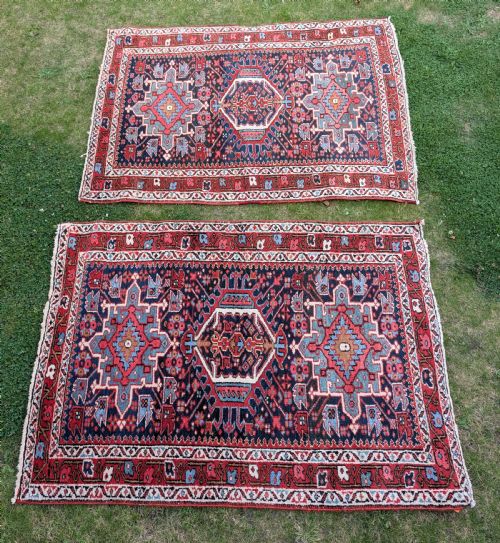
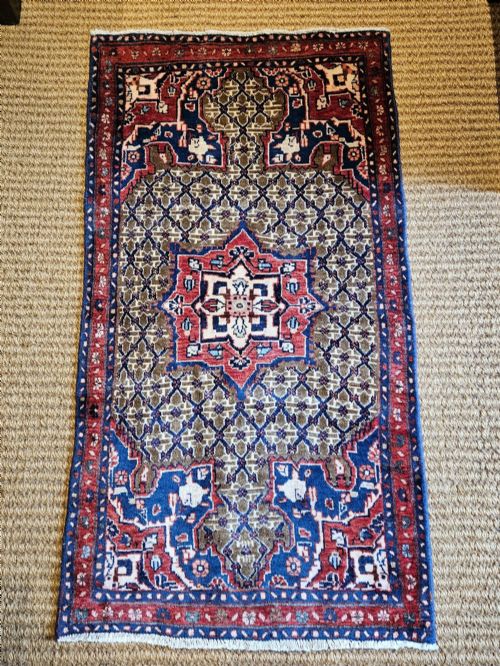
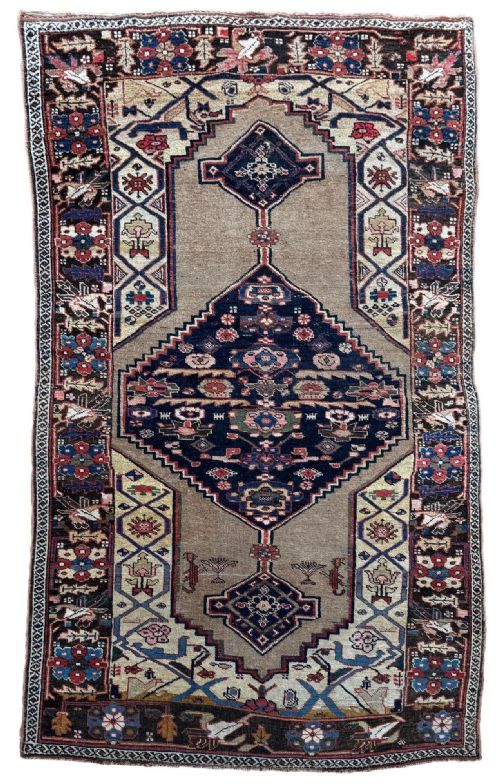
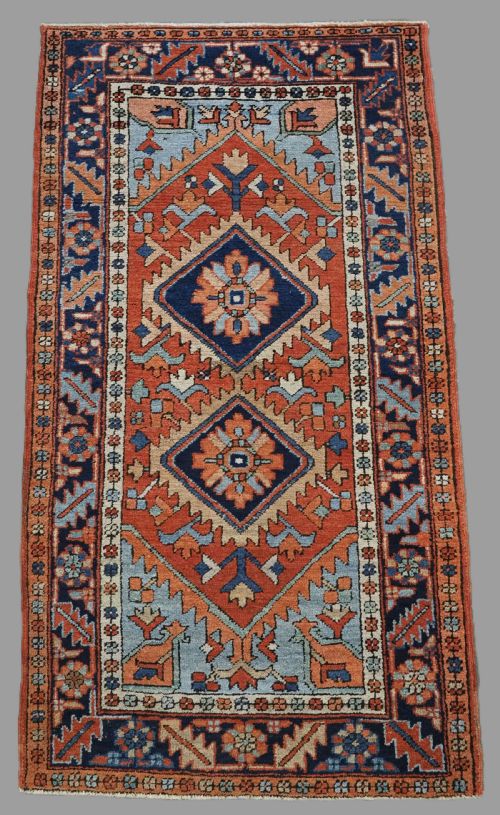
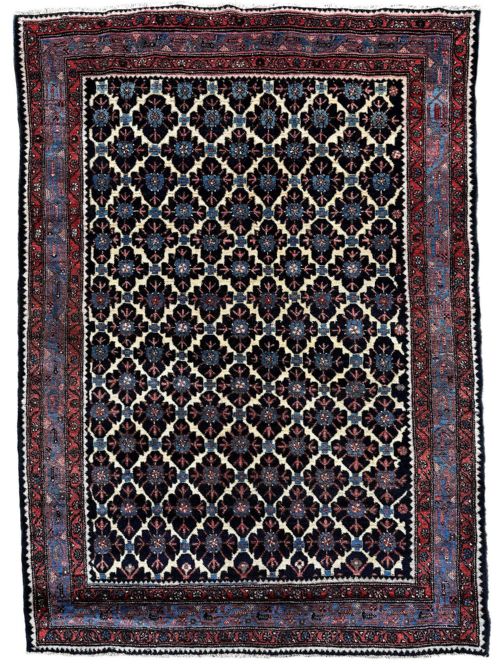
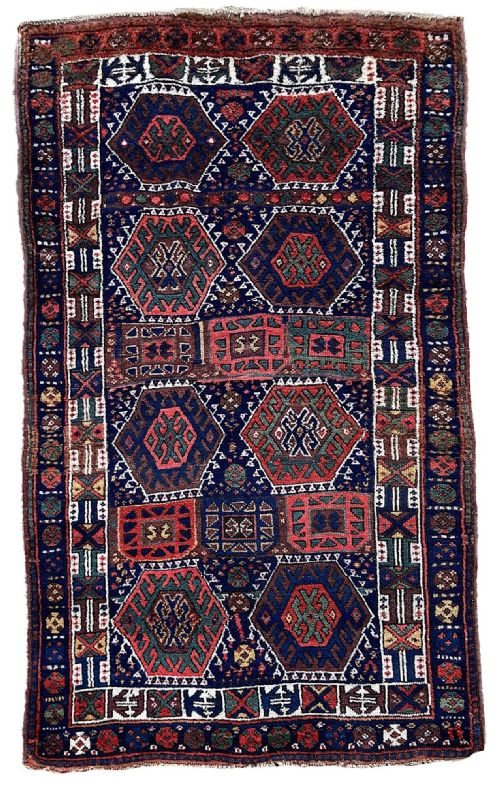
A vintage persian accent rug encompasses smaller floor coverings, prayer rugs, and tribal pieces originating from various weaving traditions across Persia. When exploring a vintage persian accent rug, buyers typically encounter formats designed for hearths, hallways, or compact rooms rather than large saloon spaces.
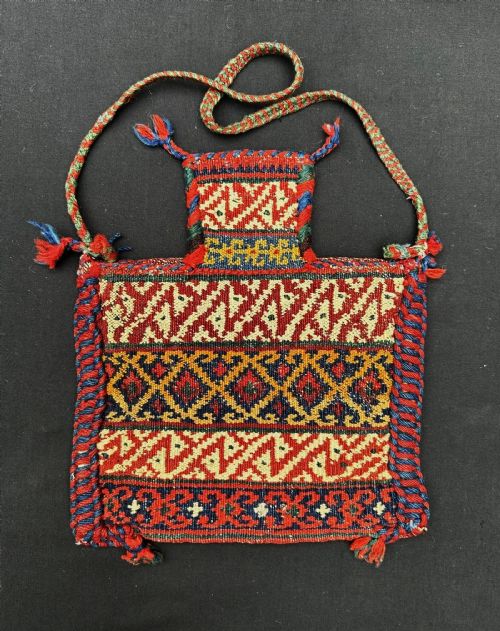
Beyond standard floor rugs, related formats include cushions, pillow covers, and small tribal bag faces created from the same hand-woven textile traditions. Such items provide concentrated bursts of saturated colour and traditional pile or flatweave structures.
Materials and construction
Weavers constructed these textiles primarily using hand-spun wool pile knotted onto sturdy cotton or wool foundation warps and wefts. Natural dyes derived from local plants and minerals supplied the deep indigos, madder reds, and earthy tones found across the period.
Nomadic and village workshops utilised upright vertical looms where artisans tied symmetrical or asymmetrical knots by hand. Certain examples incorporate silk highlights or velvet elements to accentuate specific details within the overall design.
Vintage Persian Accent Rug Retail Price Guide 2026
Typical asking prices for vintage persian accent rug among the pieces listed under this phrase on Sellingantiques today, from the lower quarter to the upper quarter. They describe what is for sale here now, not the wider market.
Several listings repurpose nomadic storage bags into decorative floor cushions and pillow covers for everyday domestic comfort.
Assessing quality and character
Quality in these textiles depends heavily on the density of the knotting, the fineness of the spun wool, and the complexity of the regional design. Tighter foundations and precise execution allow intricate geometric and floral motifs to remain sharp and legible over generations of use.
The depth and brilliance of the natural dye palette separate standard examples from superior specimens, particularly where colour interaction creates visual vibration. Preservation of original edge binding, selvages, and end finishes also contributes significantly to the integrity of the piece.
The Vintage Persian Accent Rug Glossary
- Warp
- The stationary longitudinal threads stretched on a loom that form the structural skeleton of the rug. Fringe ends typically consist of these exposed warp threads.
- Weft
- The horizontal threads passed alternately over and under the warp threads to bind the knots in place. Multiple weft shots help determine the rigidity of the rug.
- Pile
- The upright cut ends of the yarn that form the soft surface of the rug. Pile height varies depending on whether the piece was woven for nomadic travel or stationary village use.
- Medallion
- A central ornamental design motif placed in the middle of the rug field. Regional variations dictate whether this shape is geometric, hexagonal, or floral.
- Natural Dyes
- Colourants extracted from organic sources such as plants, roots, and insects prior to the introduction of synthetic aniline dyes. These substances yield complex, rich hues that age gracefully.
Vintage Persian Accent Rug: Frequently Asked Questions
Where should I place an accent rug?
These compact formats suit entryways, bedside floors, hearths, and narrow landings where full-sized carpets overwhelm the floor plan. They also function well as wall-hanging textiles to protect high-traffic surfaces.
Because the dimensions are modest, you can easily shift them between rooms to introduce textural warmth and colour contrast against hardwood or stone flooring.
How do I care for old wool rugs?
Gentle, regular suction vacuuming without a rotating power brush prevents dust accumulation within the wool pile. Professional specialist cleaning is recommended to address deep dirt or spills safely.
Avoid exposing the natural dyes to direct, continuous sunlight to prevent fading over extended periods. Using a quality underlay prevents slipping and reduces friction between the foundation and the floor.
What defines a tribal rug?
Tribal rugs originate from nomadic or semi-nomadic groups such as the Afshar, Qashqai, and Baluch rather than urban workshop centres. The designs rely on memory, local flora, and tribal symbolism rather than formal cartographic blueprints.
This results in charming irregularities, asymmetric motifs, and robust, coarse wool structures built to withstand mobile lifestyles.
How can I tell regions apart?
Regional attribution relies on specific colour palettes, structural traits, and characteristic border motifs unique to particular weaving groups. For instance, Heriz pieces often display bold geometric corner spandrels, whereas Bidjar rugs are renowned for exceptionally dense, rigid foundations.
Examining the weave type, knot count on the reverse, and edge finish provides further clues regarding provincial origin.