




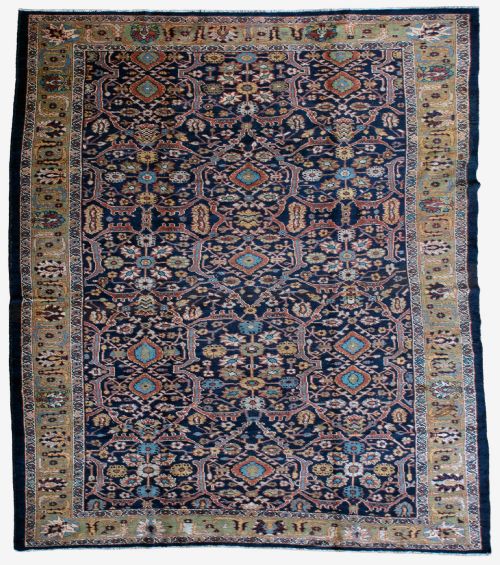
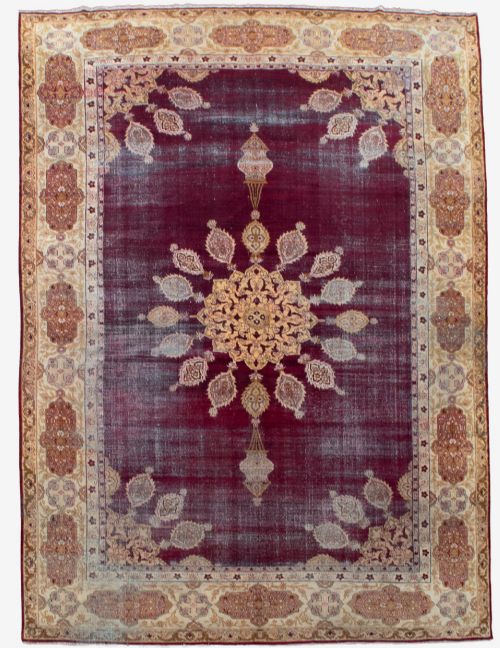
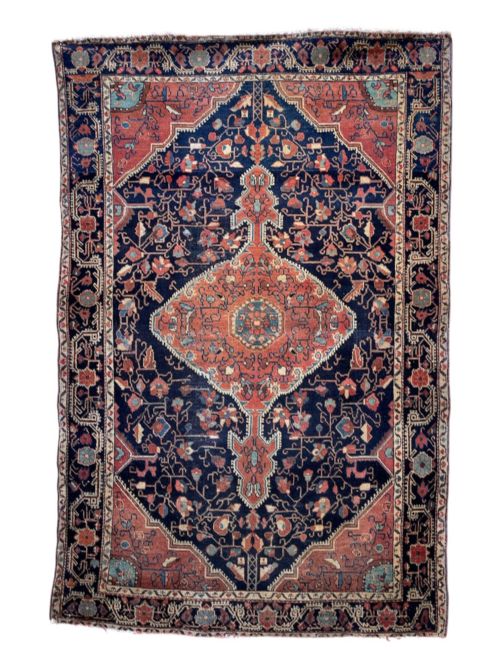
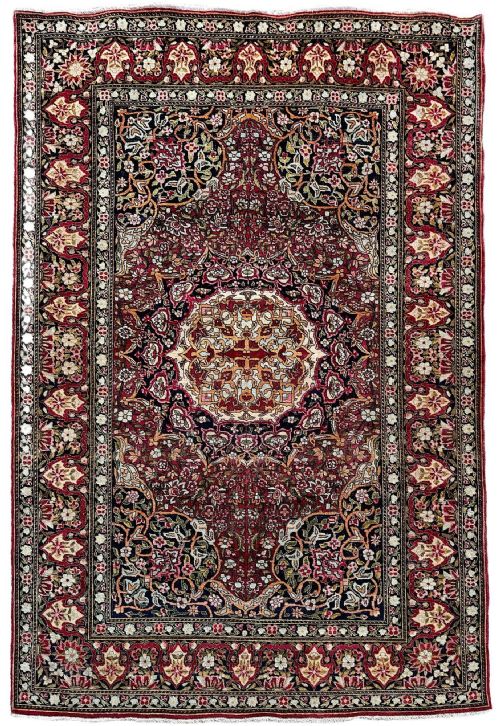

Traditional Wool Area Carpet
These traditional wool area carpets bring texture and heritage to a room, offering durability and enduring patterns woven across centuries.
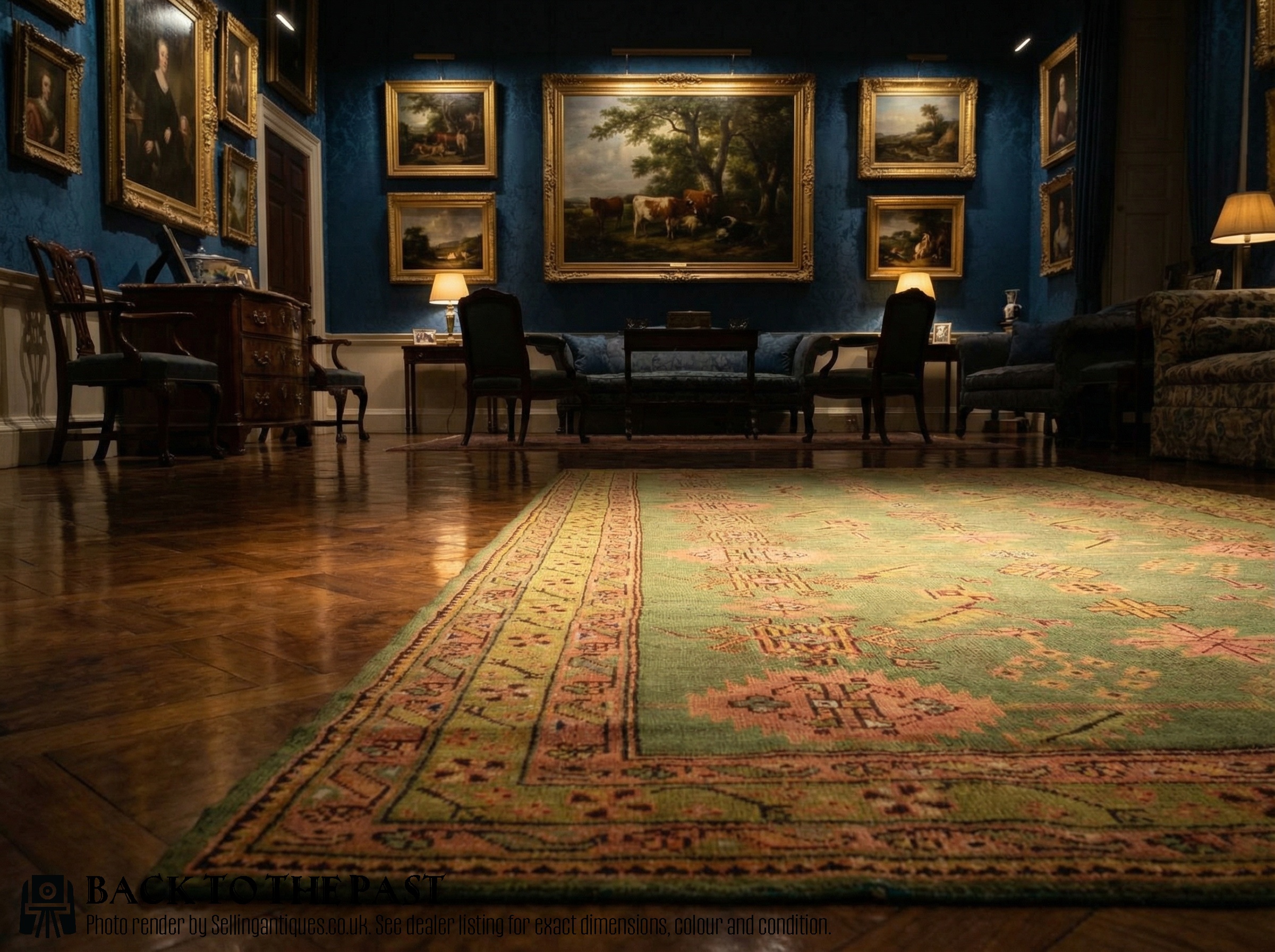
Traditional Wool Area Carpet
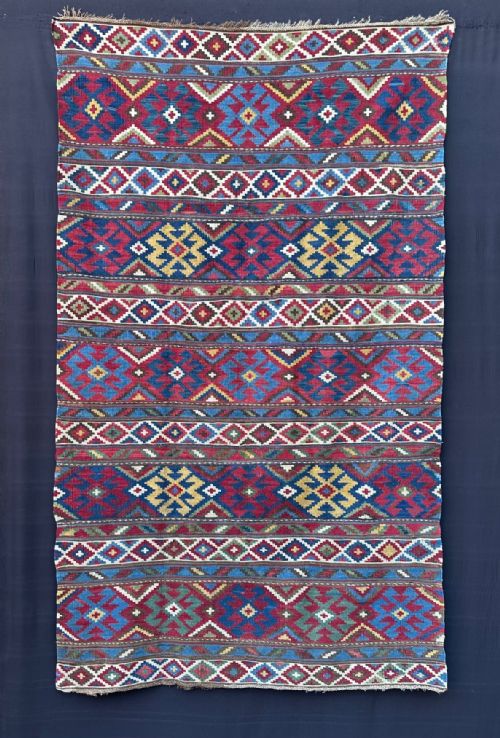
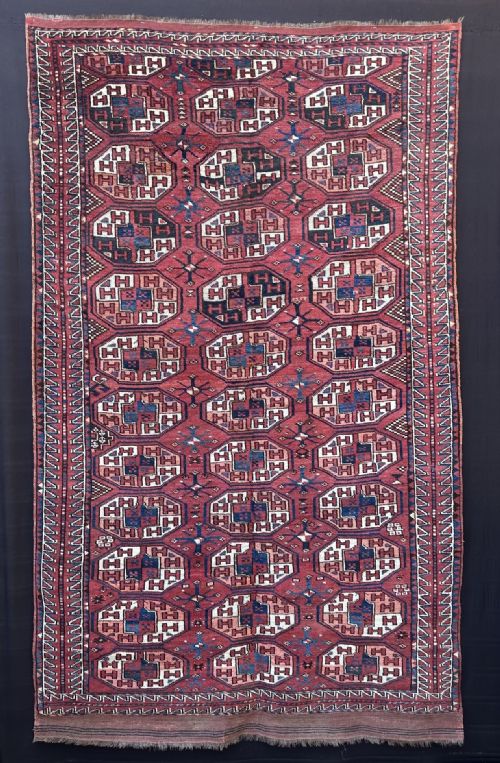
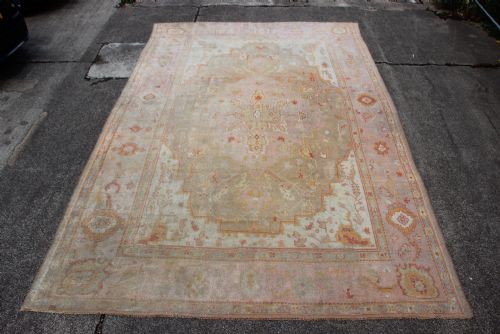
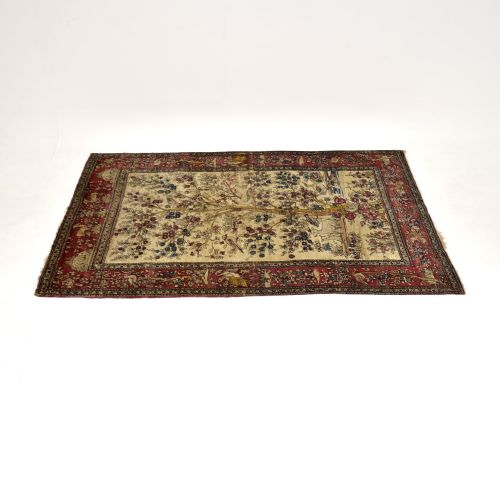
A traditional wool area carpet provides warmth and visual anchor to a space, drawing on centuries of regional design. When exploring this selection, buyers encounter formats ranging from compact hearth mats to expansive country house carpets.
The inventory spans diverse cultural origins, encompassing Persian, Caucasian, Turkmen, and Tibetan workshops. Village and tribal pieces sit alongside workshop productions from major weaving centres.
Most examples originate from the late nineteenth century through to the interwar decades of the twentieth century. These older floor coverings reflect distinct regional palettes and knotting traditions passed down through generations.
Materials and construction methods
These floor coverings rely primarily on wool, occasionally paired with cotton foundations or highlighted with silk elements. Artisans utilised both hand-spun wool and natural dyes to achieve rich, stable hues that mellow gracefully over time.
Weavers knotted or flat-wove these textiles by hand on vertical or horizontal looms, depending on the tribal or workshop origin. The density of the weave and the preparation of the fibres dictate the structural integrity of each textile.
Traditional Wool Area Carpet Retail Price Guide 2026
Typical asking prices for traditional wool area carpet among the pieces listed under this phrase on Sellingantiques today, from the lower quarter to the upper quarter. They describe what is for sale here now, not the wider market.
Materials documented across the listings include wool, cotton, silk, hand-spun wool, and natural dyes.
Distinguishing quality across pieces
The sophistication of the design execution and the precision of the knotting differentiate standard village output from master workshop carpets. Finer wool selection and more complex dye processes yield greater depth and longevity.
Balance in regional motifs and clarity in geometric or floral layouts elevate certain carpets above others. The integrity of the foundational warps and wefts determines how well a textile withstands everyday floor use.
The Traditional Wool Area Carpet Glossary
- Warp
- The vertical threads stretched lengthwise on the loom before weaving begins. Weft threads pass horizontally through these warps to lock the knots in place.
- Kilim
- A flat-woven carpet or rug made without a pile. These textiles are produced by tightly interweaving warp and weft strands to create a flat surface.
- Pile
- The upright cut loops of wool that form the plush surface of a carpet. The height and density of this pile affect the texture and weight of the piece.
- Natural Dyes
- Colourants derived from plant, insect, or mineral sources rather than synthetic chemicals. These dyes produce nuanced tones that develop a desirable patina with age.
Traditional Wool Area Carpet: Frequently Asked Questions
How do I clean an old wool carpet?
Regular gentle suction vacuuming without a beater bar removes surface grit safely. Professional textile cleaning is necessary for deep washing to protect natural wool fibres.
Avoid harsh chemical treatments or excessive water soaking, which can damage the foundation. Specialist care preserves both the structure and the natural dye integrity.
Can I place these rugs in high traffic areas?
Traditional wool carpets possess natural resilience and lanolin content that resist daily wear. Sturdy village and tribal weaves handle hallways and living spaces effectively.
Using a quality underlay prevents slipping and cushions the textile against hard flooring. This simple addition reduces friction and extends the functional lifespan of the weave.
How do I identify a tribal rug?
Tribal rugs display geometric motifs, repeating medallions, and spontaneous local designs rather than formal court curves. These patterns reflect the specific heritage of nomadic or village groups.
Colours in tribal pieces often utilise rich saturated tones with subtle variations from natural dye batches. Irregularities in symmetry reveal the hand-woven nature of cottage production.
What is the difference between a rug and a carpet?
The distinction generally relates to physical scale and how the textile occupies a room. Carpets typically describe larger floor coverings designed to span significant expanses.
Rugs usually refer to smaller formats, such as prayer rugs, runners, or hearth-sized pieces. Both share identical hand-knotting techniques and regional material traditions.