





Wool Qashqai Rug
A wool qashqai rug brings the rich nomadic heritage of South-West Persia directly into a room through vibrant tribal motifs.
Wool Qashqai Rug
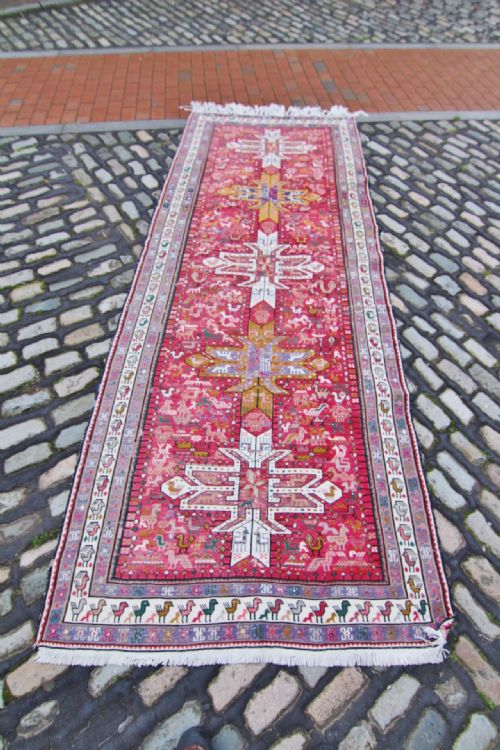
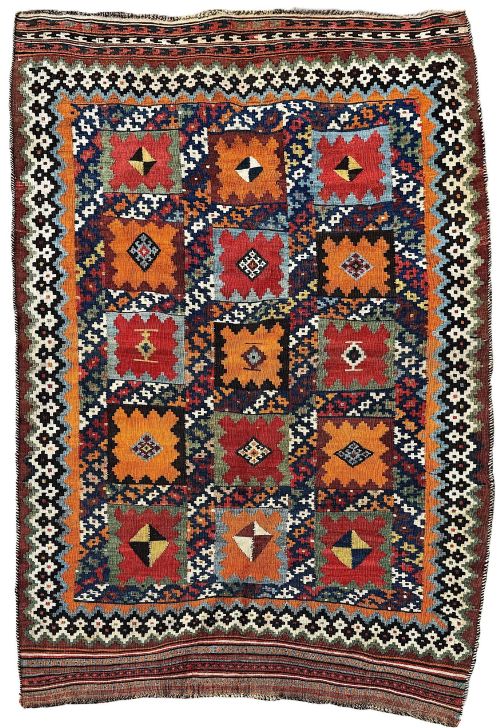
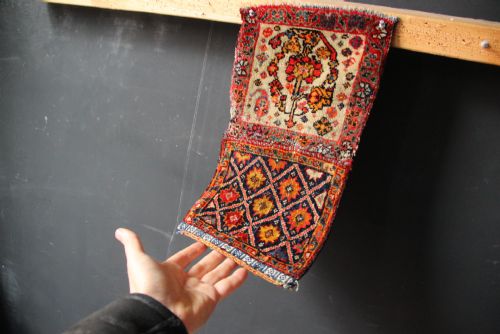
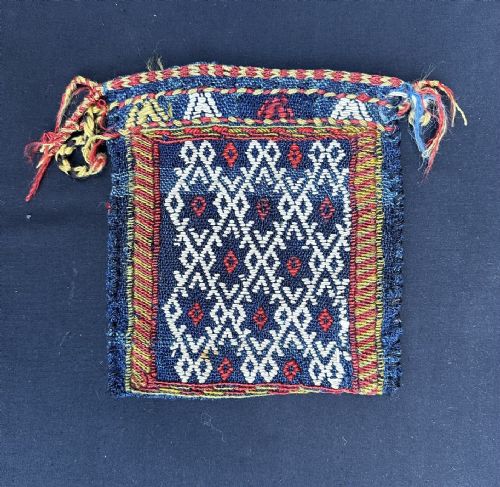
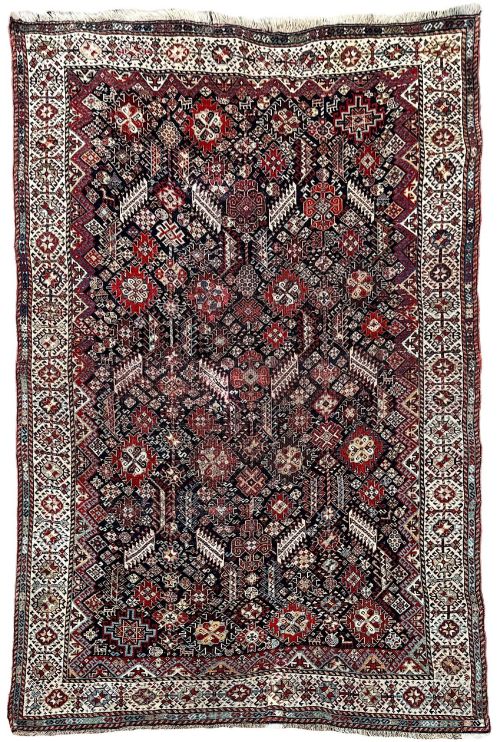
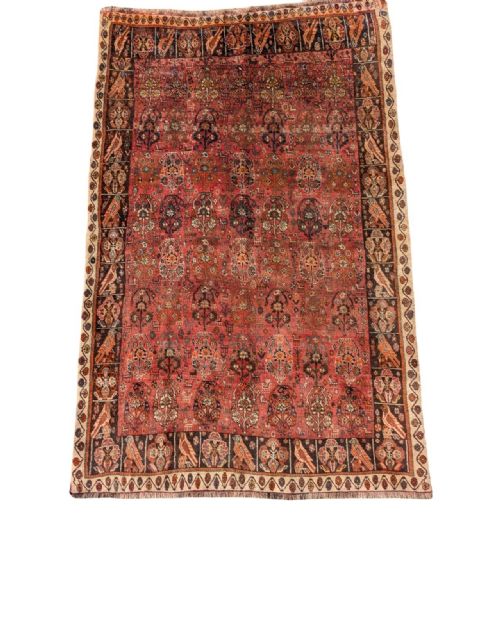
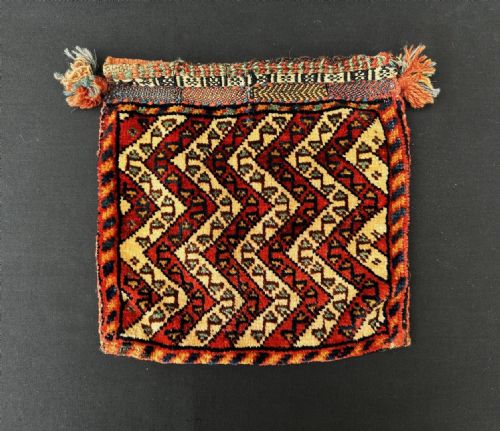
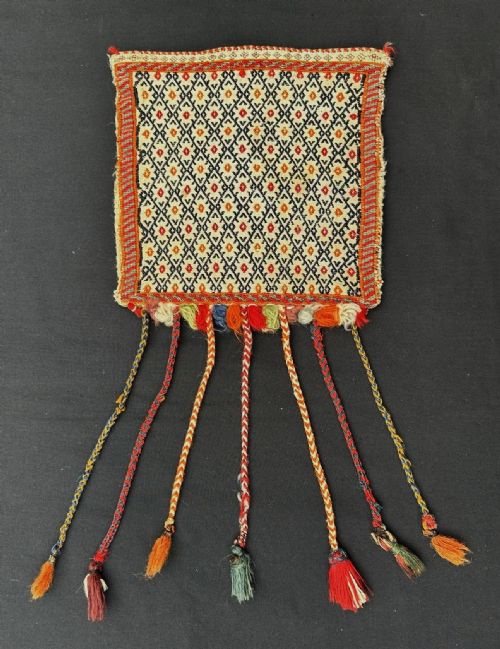
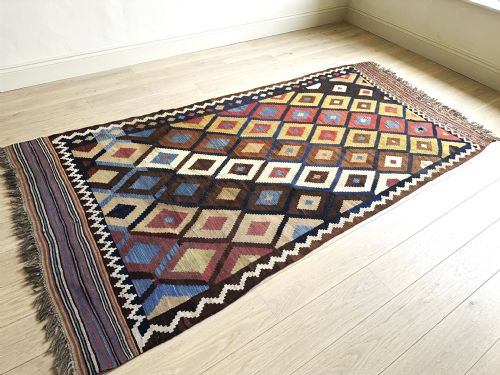
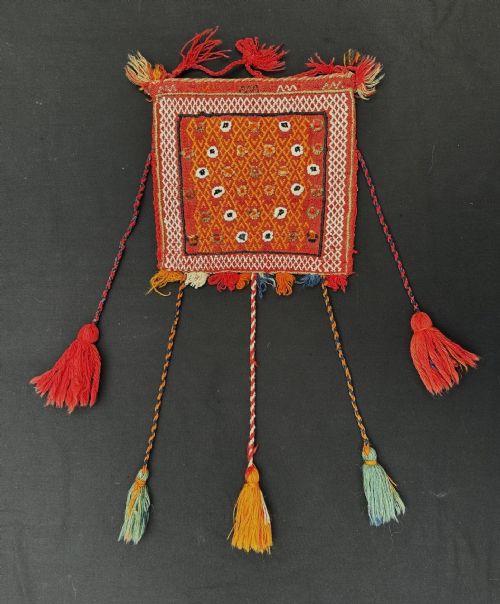
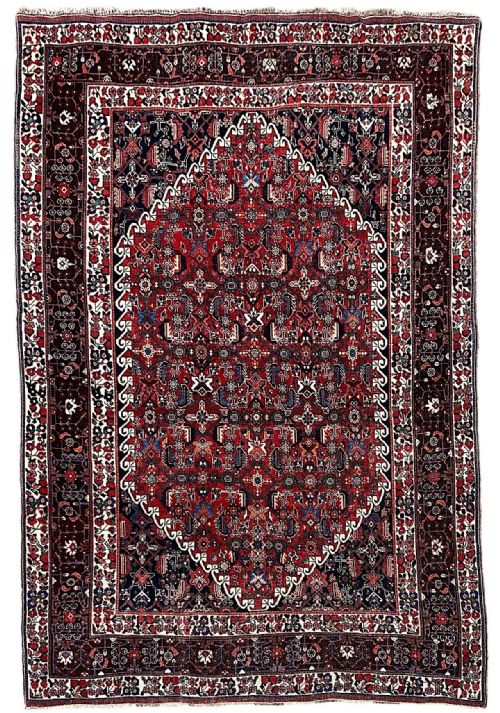
When a buyer searches for a wool qashqai rug, they are looking at woven textiles originating from the nomadic confederacies of the Fars province in Persia. These pieces include floor coverings, large carpets, long kelleh rugs, and smaller utilitarian items such as saddlebags, vanity bags, and kilims.
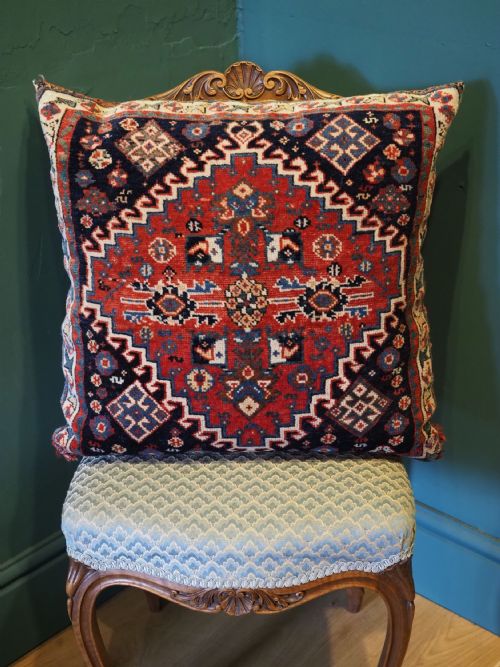
The most common versions met on this page span from the late nineteenth century through to the early decades of the twentieth century. They often display traditional tribal layouts like central medallions, animal motifs including lions and peacocks, and distinctive tree of life patterns.
Alongside standard floor rugs, the selection frequently incorporates specialised tribal formats such as gabbeh rugs and smaller bag faces. Each item reflects the nomadic culture and distinct sub-tribal traditions of the region.
How they were made
The construction relies heavily on hand-spun wool for the pile and structure, combined with cotton foundations in many examples. Artisans utilised natural dyes to achieve deep and enduring colour palettes across the woven surfaces.
Nomadic weavers knotted these textiles by hand, employing traditional techniques passed down through generations within sub-tribes like the Kashkuli, Shekarlu, and Darrehshuri. Additional materials such as leather and wood occasionally appear in functional bag elements and cradles.
Wool Qashqai Rug Retail Price Guide 2026
Typical asking prices for wool qashqai rug among the pieces listed under this phrase on Sellingantiques today, from the lower quarter to the upper quarter. They describe what is for sale here now, not the wider market.
Some antique bags were made just to hold water pipes.
What varies in quality
Quality in these nomadic weavings is determined by the fineness of the knotting and the handling of the wool. Softer, more supple wool handles better and demonstrates superior selection by the original weaver.
The depth and complexity of the natural dye palette also dictate the standing of a piece, alongside the clarity and precision of the tribal geometry and figurative motifs.
The Wool Qashqai Rug Glossary
- Gabbeh
- A coarsely knotted, thick pile rug traditionally woven by nomadic groups for personal use. These pieces often feature sparse, minimalist geometric designs.
- Kilim
- A flatwoven textile produced without a pile, utilised traditionally for wall hangings, floor coverings, or utility covers. They display sharp geometric patterns created by interlocking the warp and weft threads.
- Medallion
- A central decorative motif placed in the middle of the field. It anchors the symmetrical layout of many tribal carpets.
- Kelleh
- A long, narrow format of rug traditionally suited for specific room proportions in Persian interiors. This format balances length with a manageable width.
- Warp
- The vertical foundation threads stretched tightly on the loom before weaving begins. The pile knots are tied around these stationary structural lines.
Wool Qashqai Rug: Frequently Asked Questions
How do I clean an old wool rug?
Gentle surface brushing and occasional professional specialist cleaning help preserve the natural wool pile. Avoid harsh chemical treatments and excessive water to protect the traditional natural dyes.
Regular light rotation prevents uneven wear from foot traffic and sunlight exposure in daily domestic settings.
Where were these rugs made?
These textiles originate from the Fars province in South-West Persia, produced by various tribes of the Qashqa'i confederacy. Sub-tribes such as the Kashkuli, Shekarlu, and Darrehshuri contributed distinct regional designs.
Nomadic weavers carried their upright looms during seasonal migrations, influencing the portable sizes and practical formats of the bags and smaller rugs.
What is a bag face?
A bag face is the decorative front portion of a functional nomadic storage sack used for carrying belongings during migrations. These panels were often salvaged when the utilitarian backings wore out.
Collectors prize them today as compact, square representations of tribal weaving skill and iconography.
How can I tell the age of a rug?
Dating relies on examining structural materials, dye characteristics, and design conventions specific to nineteenth and early twentieth-century production. Hand-spun wool and specific natural dye palettes often point towards older periods.
Sub-tribal attributions and structural wear patterns further help establish the approximate decade of creation.