



Multicolour Flatweave Rug
A multicolour flatweave rug brings tribal geometry and vibrant wool or cotton textiles directly into a room without the heavy pile of a traditional carpet.
Multicolour Flatweave Rug
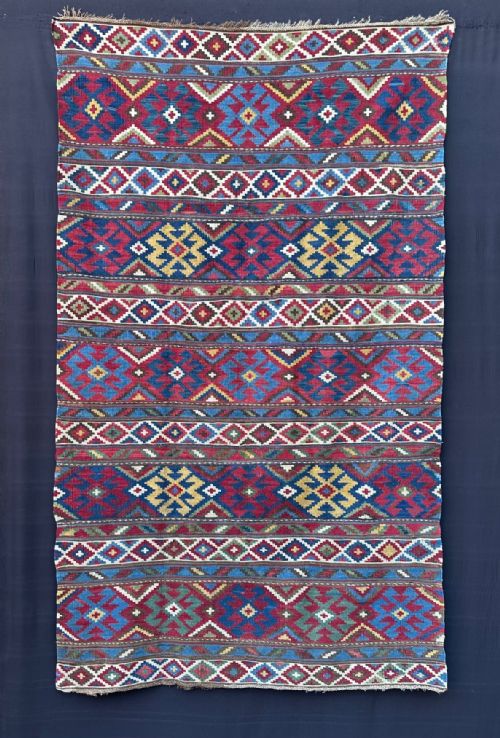
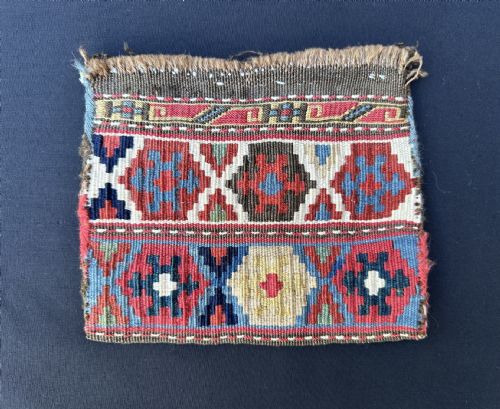
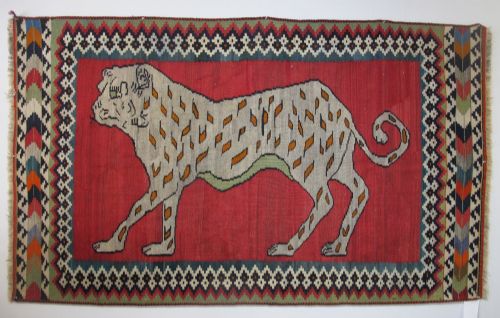
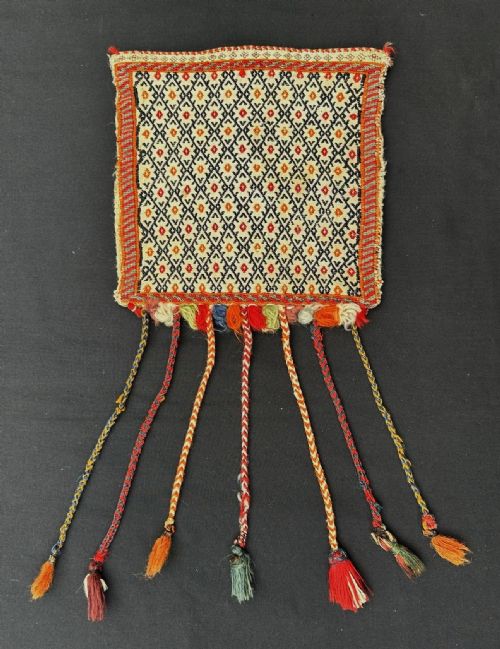
A multicolour flatweave rug encompasses tribal and folk art textiles originating from regions such as Persia, Central Asia, the Caucasus, the Balkans, and Anatolia. These pieces are predominantly flat-woven kilims rather than knotted carpets, featuring distinct regional patterns like banded designs and prayer formats.
The selections available here span the late nineteenth century into the early twentieth century, specifically drawing from periods around 1890, 1900, 1910, and 1920. Buyers frequently encounter specific tribal and regional types such as Qashqai kilims, Azerbaijan Mianeh long kilims, Uzbek gajeri kilims, Pirot or Sarkoy kilims, and Turkish Obruk prayer kilims.
These textiles serve primarily as functional floor coverings, area rugs, runner rugs, and decorative carpets. Their formats range from compact room accents to long runners and large sized pieces suited for open spaces.
Materials and construction
The physical structure relies entirely on a flat-woven textile technique rather than a knotted pile, producing a thin, durable fabric that lies close to the floor. Artisans construct these flatweaves using natural materials, specifically employing wool and cotton.
Weavers interlace warp and weft threads by hand to build geometric patterns and banded designs directly into the fabric structure. This technique allows multiple bright hues to meet sharply along the vertical slit weaves characteristic of traditional tribal flatweaves.
Multicolour Flatweave Rug Retail Price Guide 2026
Typical asking prices for multicolour flatweave rug among the pieces listed under this phrase on Sellingantiques today, from the lower quarter to the upper quarter. They describe what is for sale here now, not the wider market.
Nomadic weavers frequently worked outdoors, meaning an inquisitive goat or stray chicken hoofprint could occasionally join the wool warp as a permanent signature of the breeze.
Assessing quality and character
Quality in a multicolour flatweave rug rests on the precision of the geometric design, the complexity of the banded patterns, and the visual impact of the palette. Pieces exhibiting striking design execution and balanced proportions sit at the higher end of the aesthetic spectrum.
The integrity of the flat weave and the preservation of the original wool or cotton materials dictate the overall robustness of the textile. Examples retaining strong structural stability alongside vibrant polychrome dyes demonstrate superior historical survival.
The Multicolour Flatweave Rug Glossary
- Kilim
- A flat-woven carpet or rug produced without a pile by tightly interweaving warp and weft strands. This method yields a lightweight, reversible textile with sharp geometric colour transitions.
- Banded design
- A decorative layout organised in horizontal stripes or bands across the field of the rug. This arrangement often incorporates alternating geometric motifs and varied blocks of colour.
- Prayer kilim
- A specialised rug format featuring a mihrab or niche design used historically for ritual prayer. These textiles focus the viewer toward a central directional point.
- Warp
- The stationary longitudinal threads stretched onto a loom before weaving begins. The weft threads pass over and under these foundational strands to form the fabric.
- Weft
- The transverse threads passed across the warp to create the multicolour pattern of the flatweave. These threads are beaten down tightly to conceal the vertical warp completely.
Multicolour Flatweave Rug: Frequently Asked Questions
What is a flatweave rug?
A flatweave rug is a textile constructed without a raised pile, created by interweaving warp and weft threads on a loom.
This method produces a flat, durable surface that sits thin on the floor and displays crisp geometric patterns.
How do I clean my rug?
Maintenance requires gentle regular vacuuming without a rotating brush bar to protect the flat-woven wool and cotton fibres.
Professional specialist cleaning is recommended for heavier dirt removal to preserve the natural dyed hues.
Where were these rugs made?
These textiles originate from tribal and regional weaving centres across Persia, Central Asia, the Caucasus, the Balkans, and Anatolia.
Specific groups and regions like the Qashqai, Uzbeks, and the Pirot or Obruk areas developed distinct local designs.
Can I place furniture on it?
The flat structure accommodates furniture placement quite well, provided the weight is distributed evenly across the textile.
Using a suitable underlay prevents slipping and cushions the thin weave against hard flooring.