


Nineteenth Century Persian Rug
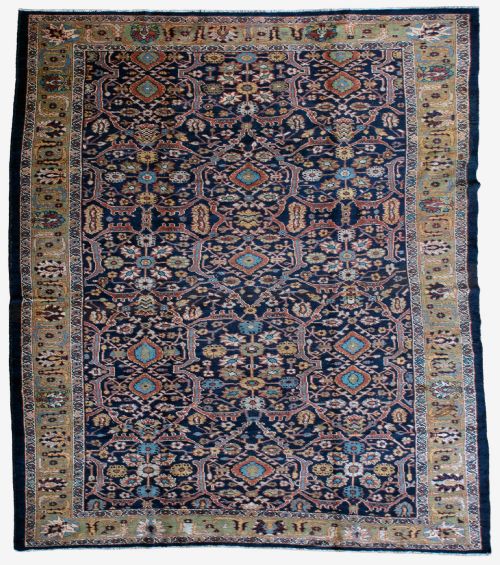
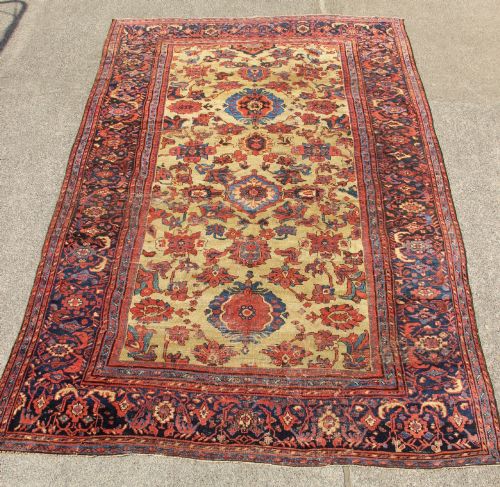
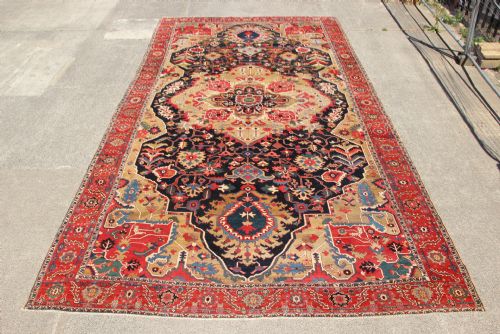
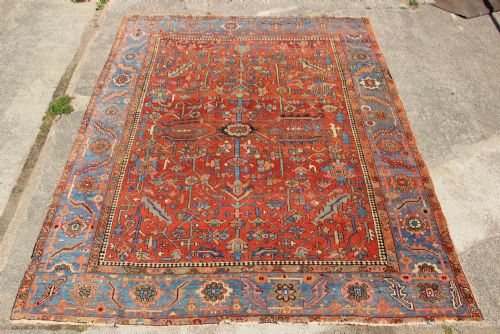
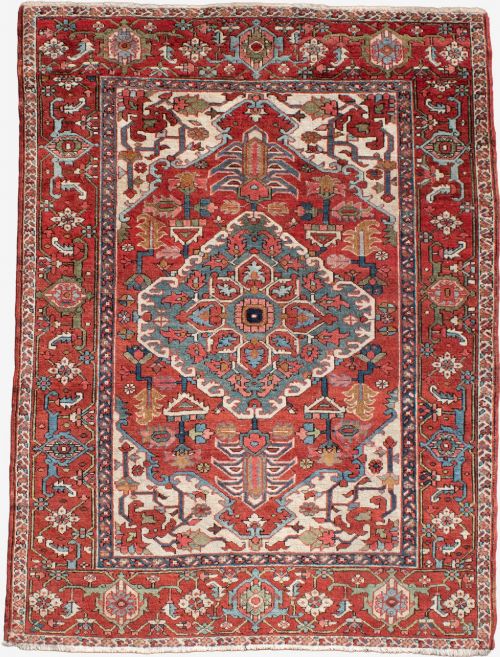
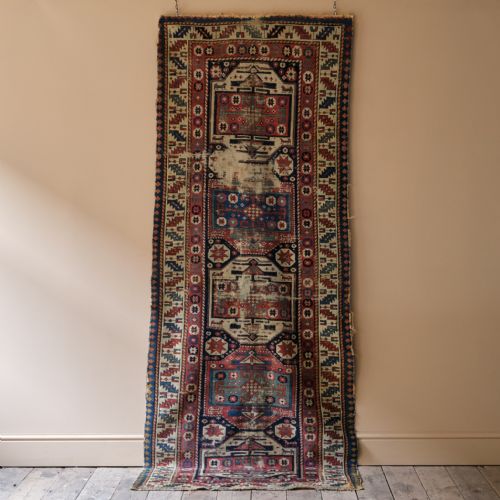
These nineteenth century persian rug examples are woven floor coverings that bring genuine depth and rich palette to a room.
Nineteenth Century Persian Rug
When someone searches for a nineteenth century persian rug, they encounter a range of hand-knotted room-sized carpets and smaller floor coverings originating from distinct weaving towns and tribal regions across Persia. The listings show pieces originating from centres such as Fereghan, Serapi, Heriz, Mahal, Bakshaish, Sultanabad, Farahan, Tabriz, Karaja, Malayer, and Qashqai.
The objects take the form of large carpets, room-sized floor coverings, and smaller village rugs created during the Victorian and Edwardian eras. Buyers are most likely to meet room-sized carpets and area rugs dating from the middle decades of the nineteenth century up to the early twentieth century, spanning traditional urban workshops and tribal nomadic traditions.
The geographical origins dictate the specific aesthetic, ranging from the geometric village style of Bakshaish and Karaja to the intricate floral compositions of Tabriz and Farahan. Each piece reflects the distinctive weaving vocabulary of its particular district, maintaining traditional motifs that have passed down through generations of weavers.
How they were made
The construction of these floor coverings relies entirely on traditional hand-knotting techniques executed on upright looms using natural materials. Artisans utilised wool for the pile and foundation elements, alongside cotton for warp and weft threads in many town and village workshops.
The preparation of materials involved spinning hand-carded wool and dyeing the yarns with natural colourants derived from plants and minerals. These dyed wool and cotton fibres were then painstakingly knotted row by row onto the foundation threads, securing the dense pile that defines the character of each carpet.
Nineteenth Century Persian Rug Retail Price Guide 2026
Typical asking prices for nineteenth century persian rug among the pieces listed under this phrase on Sellingantiques today, from the lower quarter to the upper quarter. They describe what is for sale here now, not the wider market.
Nomadic weavers sometimes tied small blue beads into the pile to ward off the evil eye and protect their families.
What varies in quality
Quality in these woven works rests on the fineness of the knotting density and the precision of the execution across the field. Finer town carpets such as those from Tabriz or Farahan exhibit meticulous detail and intricate drawing, whereas tribal pieces from Qashqai or Bakshaish derive their appeal from bold, expressive geometry and robust wool quality.
The handling of natural dye colours and the integrity of the wool foundation significantly influence the overall character and durability of the piece. A superior example demonstrates harmonious colour saturation, balanced proportions within the medallion or overall design, and structural soundness that withstands the passage of time.
The Nineteenth Century Persian Rug Glossary
- Pile
- The upright yarn loops or tufts forming the soft surface of the carpet. This layer bears the direct foot traffic and displays the woven design.
- Warp
- The vertical foundation threads stretched lengthwise on the loom. Weft threads are woven across these structural elements to secure the knots.
- Weft
- The horizontal threads passed alternately over and under warp threads between rows of knots. They bind the structure together across the width of the rug.
- Medallion
- A large central ornamental design motif placed in the middle of the carpet field. Many traditional Persian designs anchor their symmetry around this focal point.
- Field
- The central background area of the rug enclosed by the border system. This space contains the primary repeating patterns, medallions, or overall motifs.
Nineteenth Century Persian Rug: Frequently Asked Questions
How do I clean a nineteenth century persian rug?
Professional dusting and specialist low-moisture washing remain the only safe methods for maintaining antique woven wool floor coverings. Harsh modern detergents and excessive water will damage natural dyes and weaken the cotton and wool foundations.
Regular gentle vacuuming without a rotating power brush helps remove abrasive grit from the pile between professional cleanings. Keeping the rug out of direct, harsh sunlight prevents the natural dyes from fading prematurely.
How can I tell a village rug from a town carpet?
Village and tribal rugs typically display bolder, more geometric designs with abrash and spontaneous variations in the wool. Workshops in established centres like Tabriz or Farahan produce more curvilinear, highly detailed floral patterns with consistent colour across the field.
The structure of the foundation also offers clues, as village weavers often utilised thicker wool or mixed foundations while town workshops relied heavily on finely spun cotton warps.
What causes colour variation within the same field?
Natural dye batches varied subtly during preparation, creating gentle tonal shifts known as abrash across the wool pile. This spontaneous variation happens when dyers mixed new dye baths or used wool from different sheep.
Rather than being a fault, abrash is celebrated by collectors as a mark of genuine hand-dyed antiquity and organic charm. It adds visual movement and depth to the expanse of colour.