
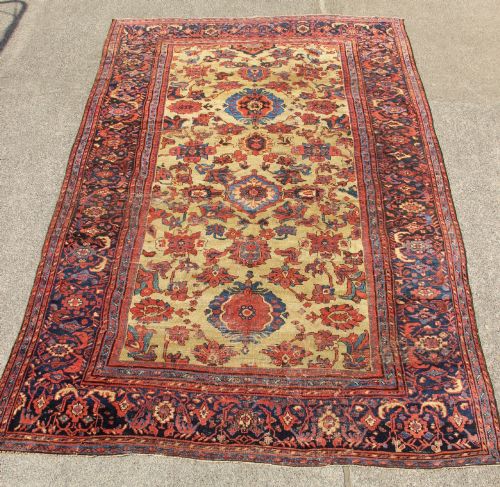
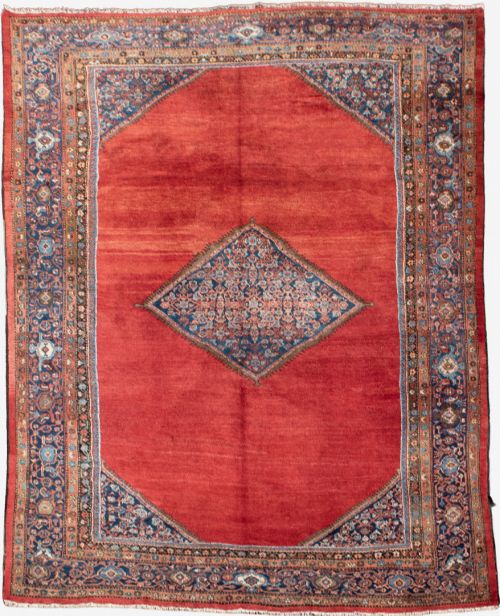


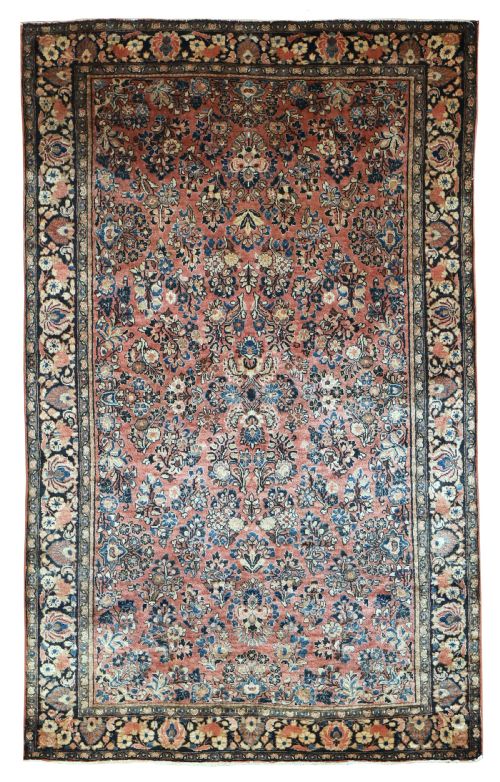
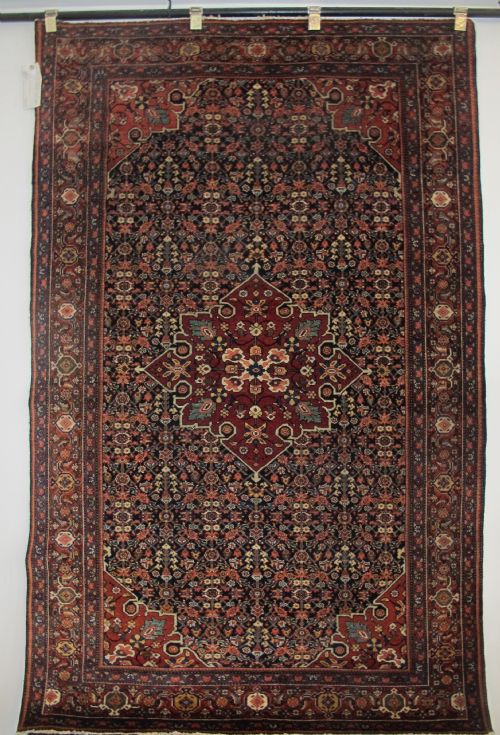
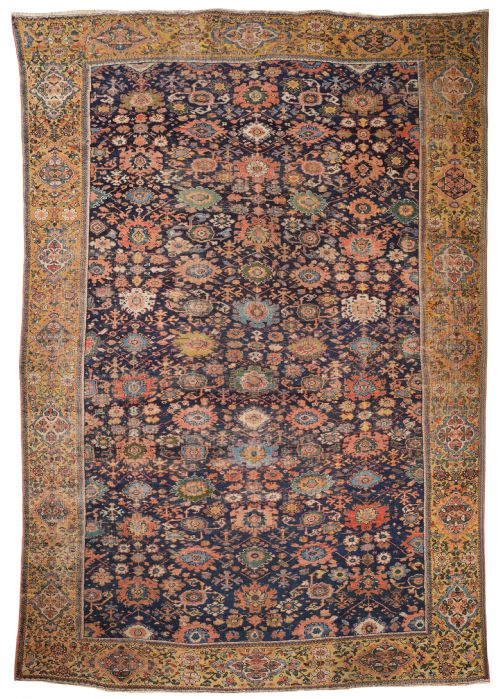
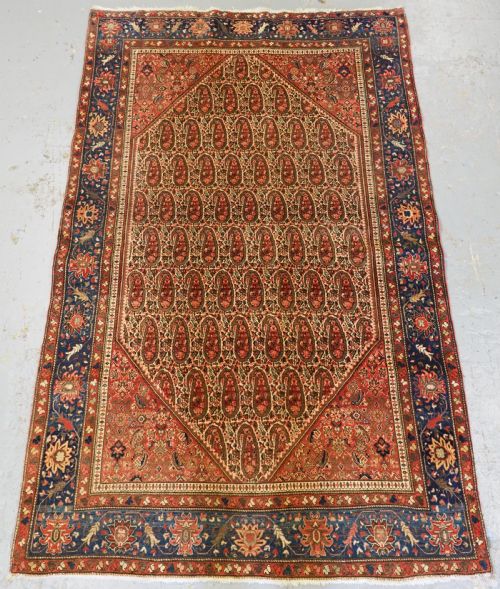
Antique Farahan Rug
An antique farahan rug brings traditional Persian weaving into a room, offering dense wool piled surfaces and classical motifs.
Antique Farahan Rug
An antique farahan rug is a woven floor covering originating from Persia, often spanning various nineteenth century and early twentieth century periods. These pieces appear as rugs, area rugs, runner rugs, and larger carpets designed for rooms of different proportions.
Buyers frequently encounter traditional Persian styles such as Fereghan, Farahan, and related Sarouk weaves from dates ranging across the mid nineteenth century to the early twentieth century. These floor coverings present distinct regional patterns rooted in West Persian workshop traditions.
What varies in quality
The fineness of the weave distinguishes different examples, with denser knots allowing for sharper pattern definition and greater durability. Finer weaves reflect advanced workshop skill and more meticulous execution of traditional motifs.
Material selection and dye depth also shape the character of each piece, influencing how soft the wool appears and how well the palette ages. Variations in these core elements separate standard room rugs from exceptionally refined carpets.
Antique Farahan Rug Retail Price Guide 2026
Typical asking prices for farahan rug among the pieces listed under this phrase on Sellingantiques today, from the lower quarter to the upper quarter. They describe what is for sale here now, not the wider market.
Materials recorded in the archive and current listings consist exclusively of wool and cotton.
The Antique Farahan Rug Glossary
- Boteh
- A traditional almond or pear shaped motif found in Persian rugs, symbolising life and eternity. It appears repeatedly across the field of many classical carpets.
- Farahan
- A specific type of Persian rug originating from the Farahan district in West Persia. These pieces are celebrated for their refined traditional designs and fine knotting.
- Fereghan
- An alternative spelling for Farahan, referring to carpets and rugs produced in the same West Persian region. The term appears frequently in historical descriptions of nineteenth century weaves.
- Sarouk
- A Persian rug style closely related to Farahan production, often featuring dense floral patterns. These pieces date from the late nineteenth and early twentieth centuries.
- Runner
- A long, narrow carpet format designed specifically for hallways and corridors. This shape accommodates linear spaces while displaying traditional central field patterns.
Antique Farahan Rug: Frequently Asked Questions
Where were antique farahan rugs made?
These rugs were made in West Persia, specifically within the Farahan district, which has a long history of traditional carpet weaving.
Local workshops produced these textiles using wool and cotton materials sourced from the surrounding region.
How do I identify a farahan rug?
Identification relies on recognising traditional Persian motifs, such as the boteh design, combined with characteristic wool piles on cotton foundations.
Looking at the weave density and regional style markers helps distinguish these pieces from other nineteenth century Persian rugs.
Are these rugs suitable for daily use?
These carpets utilise durable wool and cotton construction designed to withstand regular foot traffic in living areas and hallways.
Placing an appropriate underlay beneath the rug helps protect the foundation fibres and extends the lifespan of the textile.
How do I clean an antique rug?
Professional textile cleaning is recommended for antique rugs to preserve the integrity of the natural wool and cotton materials.
Regular gentle vacuuming without a beater bar removes surface dust while protecting the delicate hand-knotted pile.