


Ivory Persian Rug
An ivory persian rug brings pale backgrounds and intricate traditional patterns into a room, offering both durability and historic character.
Ivory Persian Rug
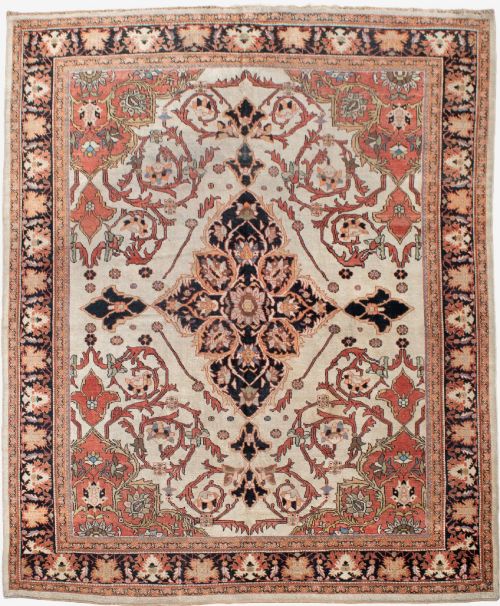
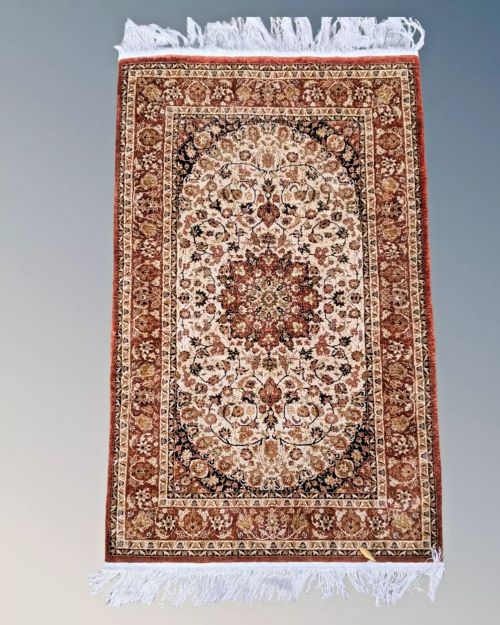
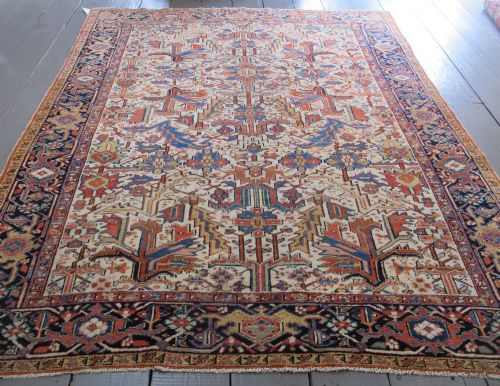
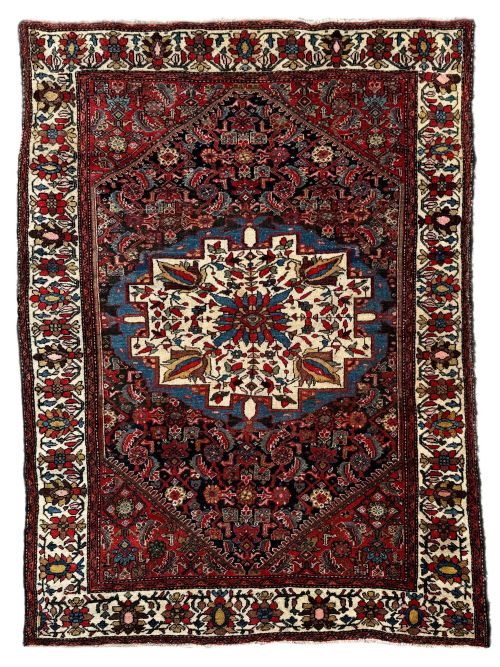
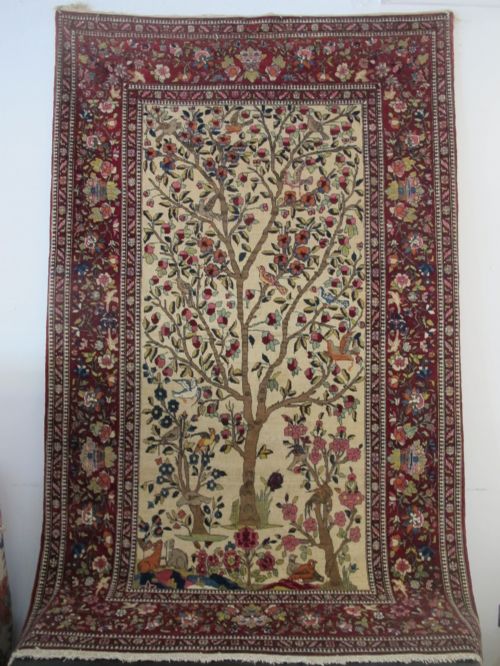
When you search for an ivory persian rug, you are looking at hand-knotted floor coverings originating from various regions of Persia and surrounding areas, dating from the nineteenth and early twentieth centuries. These carpets and rugs display traditional designs such as central medallions, floral motifs, and tribal patterns set against a light or ivory ground.
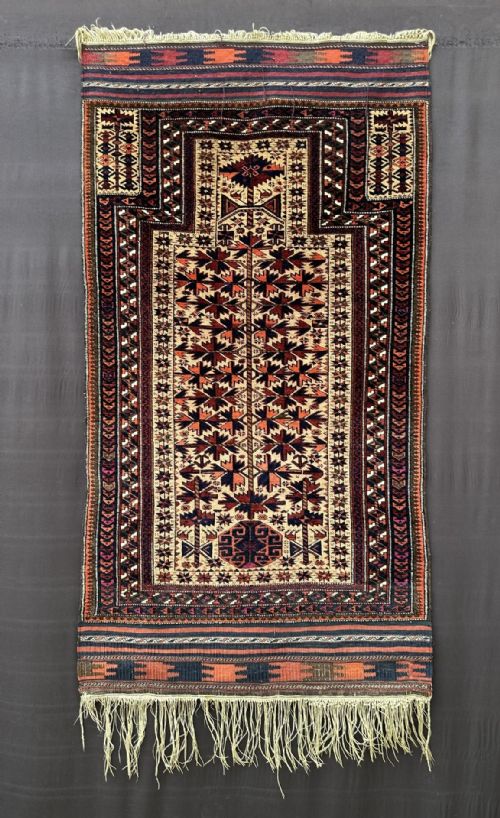
The pieces available range from large room-size carpets woven in major weaving centres like Mahal, Tabriz, and Sultanabad to smaller tribal rugs produced by nomadic groups such as the Baluch, Afshar, and Qashqa'i confederation. You will also encounter specific regional styles including Heriz, Bidjar, Kashan, and Isfahan, alongside Kashmiri interpretations.
Village and workshop productions dominate this selection, offering variations in format from full carpets down to area rugs, prayer rugs, runners, and even half-saddlebags. The common thread uniting them is the pale ivory field that allows darker indigo, madder red, and softer secondary tones to stand out distinctly.
How they were made
The foundational structure of these rugs typically relies on sturdy cotton or wool warps and wefts, providing the tensile strength needed for dense hand-knotting. Pile yarns consist predominantly of wool, hand-spun wool, or occasionally fine silk, sometimes supplemented by silk highlights to catch the light.
Colours are derived from natural dyes, yielding rich yet harmonious tones that age gracefully over decades of use. The weaver ties individual knots by hand onto the vertical loom, creating varied pile heights and intricate patterns that reflect the specific traditions of the workshop or tribe.
Ivory Persian Rug Retail Price Guide 2026
Typical asking prices for ivory persian rug among the pieces listed under this phrase on Sellingantiques today, from the lower quarter to the upper quarter. They describe what is for sale here now, not the wider market.
Keep an eye out for rogue butterflies woven quietly into the corners of nineteenth-century village carpets.
What varies in quality
Knot density and the precision of the weave set the baseline for quality, with finer city-produced carpets showing significantly higher resolution in their floral curves than coarser tribal counterparts. The choice of materials also plays a role, as finely spun wool or the inclusion of silk highlights elevates the texture and visual depth of the piece.
Artistic execution and balance within the design distinguish superior examples from standard production, particularly in the rendering of central medallions and intricate border guards. Furthermore, the condition of the pile and the preservation of the original side cords and end finishes determine how well the rug has survived its history.
Heriz·Bidjar·Tabriz·Isfahan·Kashan
The Ivory Persian Rug Glossary
- Medallion
- A central ornamental design motif placed in the middle of the rug field. This symmetrical feature often dictates the geometry of the surrounding corners and borders.
- Warp
- The stationary vertical threads stretched upon the loom before weaving begins. The exposed ends of these threads frequently form the fringe at either end of the rug.
- Weft
- The horizontal threads passed back and forth through the warp threads after each row of knots. They bind the knots tightly in place and determine the structural firmness of the rug.
- Natural Dyes
- Colourants extracted from plants, insects, and minerals rather than synthetic chemicals. These dyes produce complex, muted shades that develop a desirable patina over time.
- Pile
- The vertical or slanted surface of cut yarn loops that forms the soft upper layer of the rug. Its thickness and density dictate the tactile feel underfoot.
Ivory Persian Rug: Frequently Asked Questions
How do I clean an antique rug?
Professional specialist cleaning is essential for antique knotted textiles to prevent dye migration and fibre degradation. Regular gentle vacuuming without a rotating power brush helps remove surface grit.
Harsh chemical treatments and immersion washing must be avoided unless handled by an experienced conservator who understands natural dyes and wool preservation.
Are these rugs suitable for heavy traffic?
Traditional room-size carpets and village rugs are constructed with durable wool pile and sturdy cotton foundations built for daily use. Placing a quality underlay beneath the rug prevents slipping and reduces fibre wear.
Lighter silk examples require more careful placement in low-traffic areas to preserve their delicate pile and fine structure over time.
How can I tell a tribal rug from a city rug?
Tribal rugs display geometric motifs, asymmetrical quirks, and thicker, coarser wool reflecting nomadic production on portable looms. City carpets feature precise floral curves, balanced medallions, and finer knot counts woven in established urban workshops.
Palette choices also offer clues, as tribal weavers often utilised bolder primary contrasts while urban centres pursued sophisticated multi-coloured designs.
What does an ivory ground signify?
An ivory field provides a pale, neutral background that highlights the richer tones of the surrounding borders and central motifs. This lighter background colour became popular in various regional workshops during the late nineteenth and early twentieth centuries.
It allows the complexity of traditional Persian designs to stand out clearly without darkening smaller living spaces.