


Red Navy Persian Rug
A red navy persian rug brings centuries of hand-knotted warmth and rich indigo and madder tones into a room.
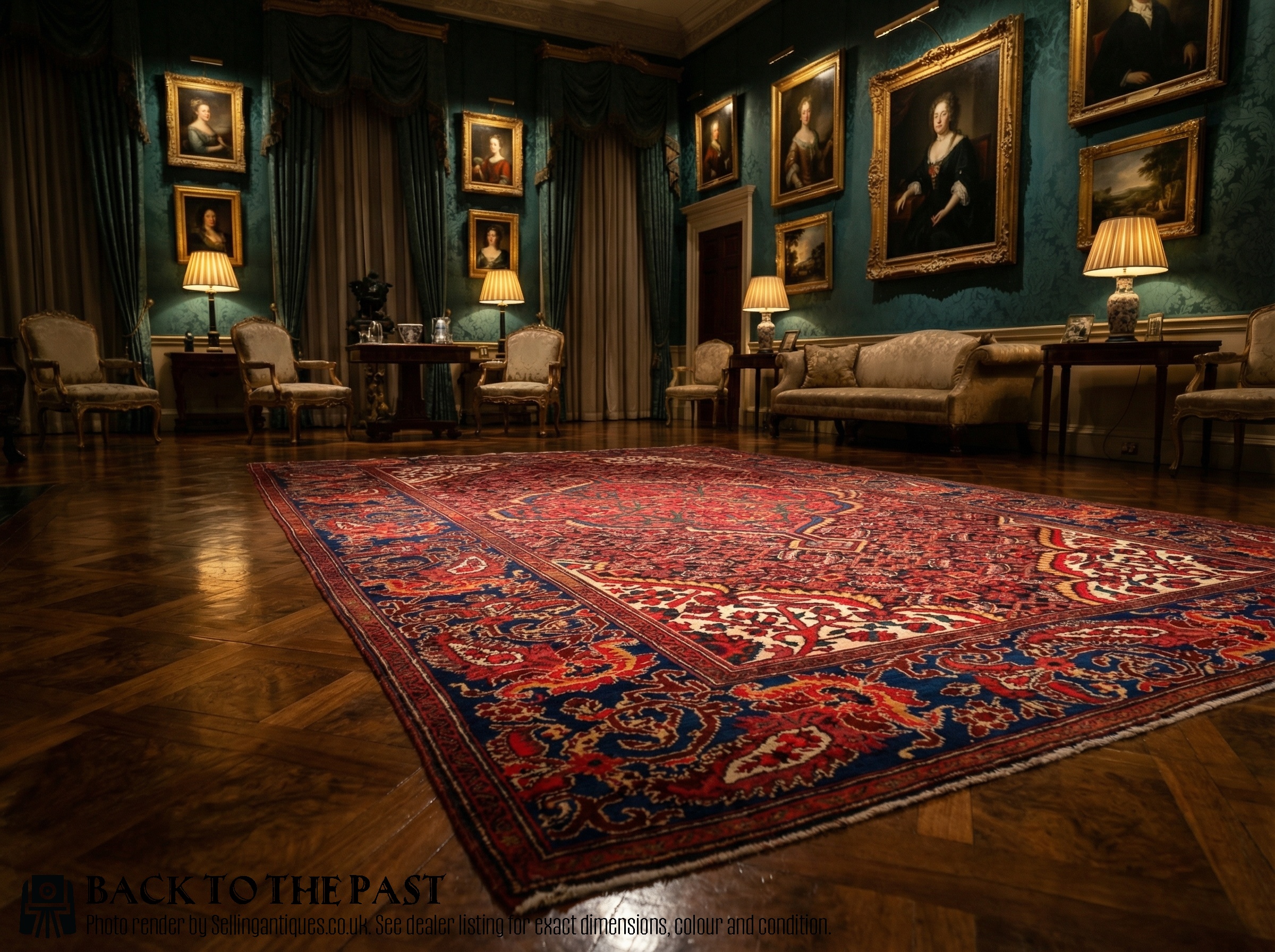
Red Navy Persian Rug
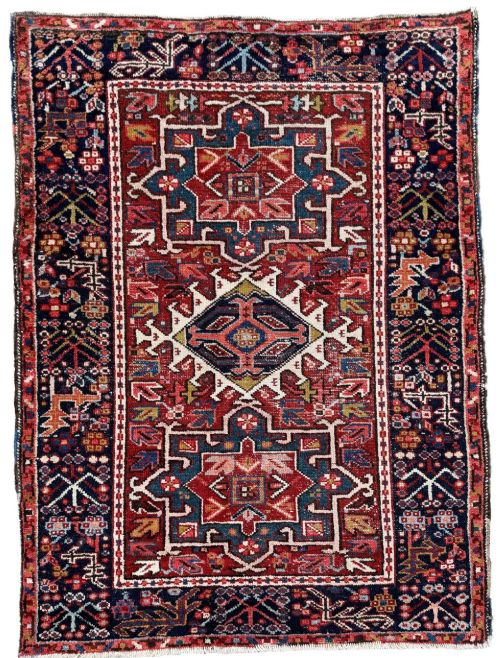
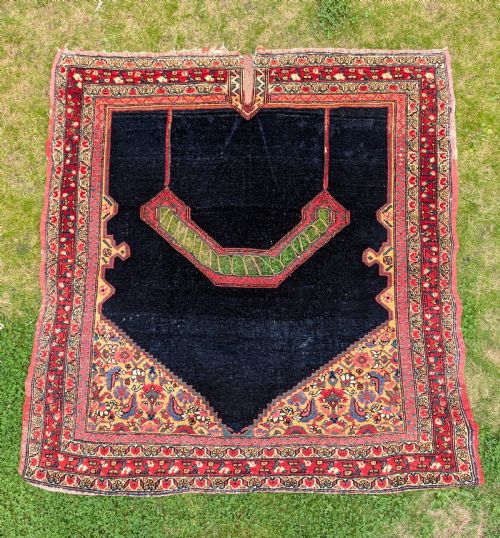
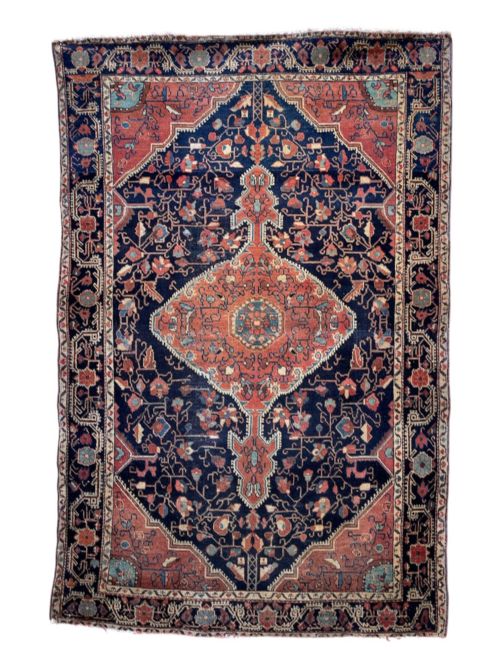
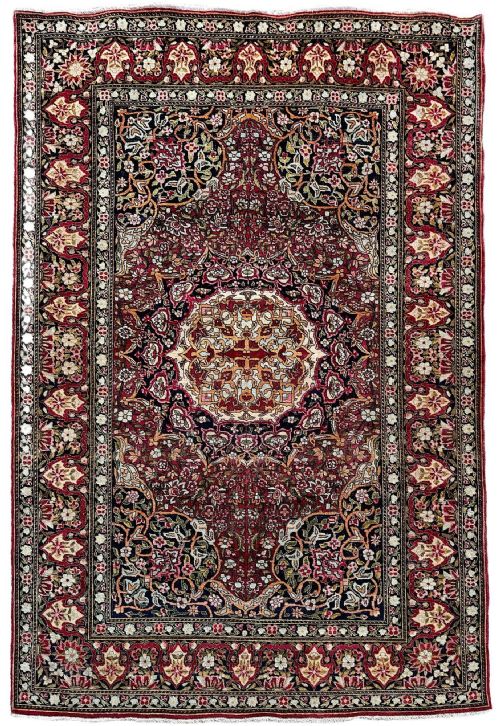
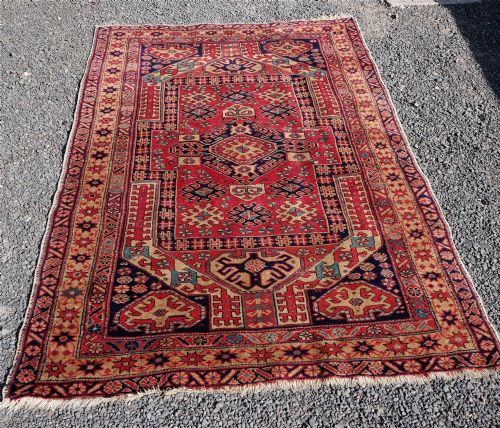
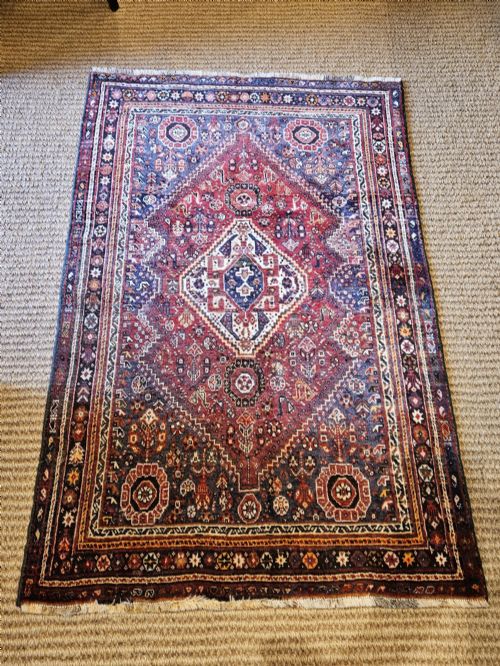
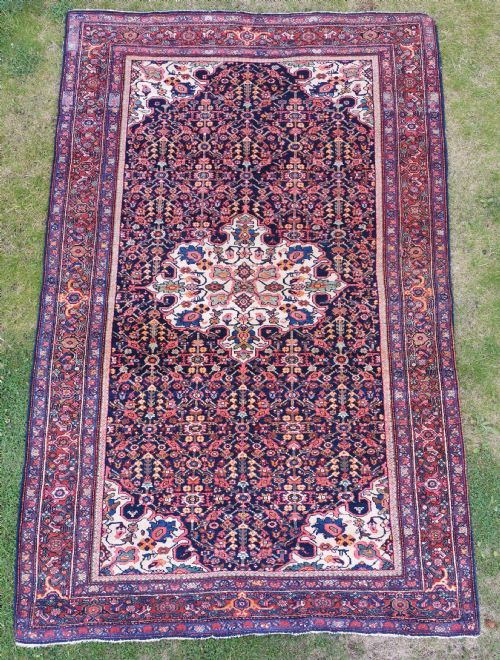
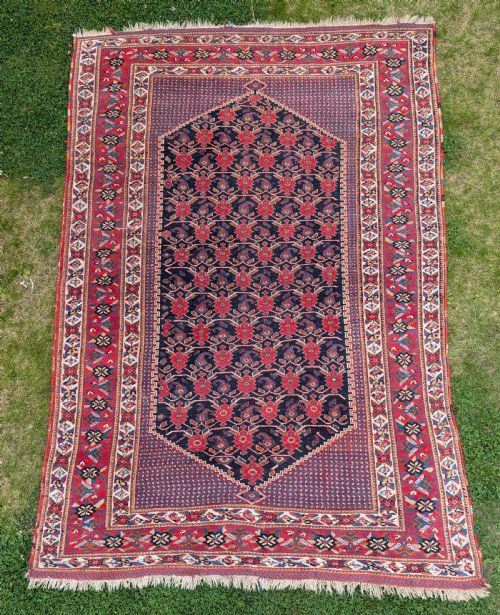
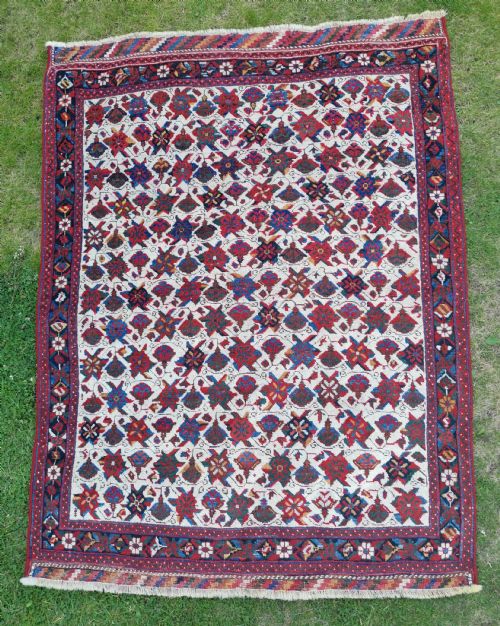
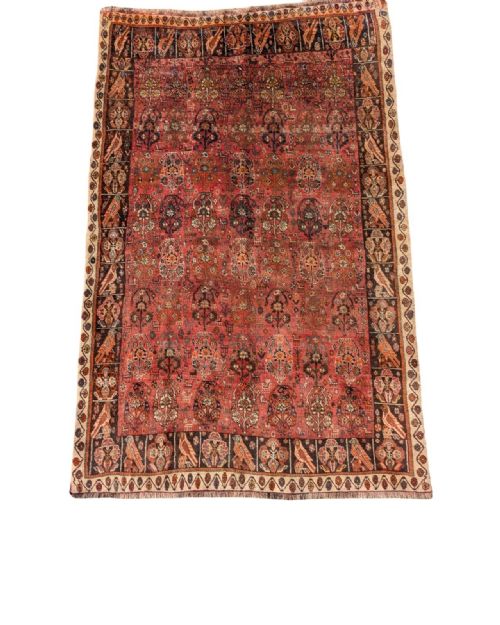
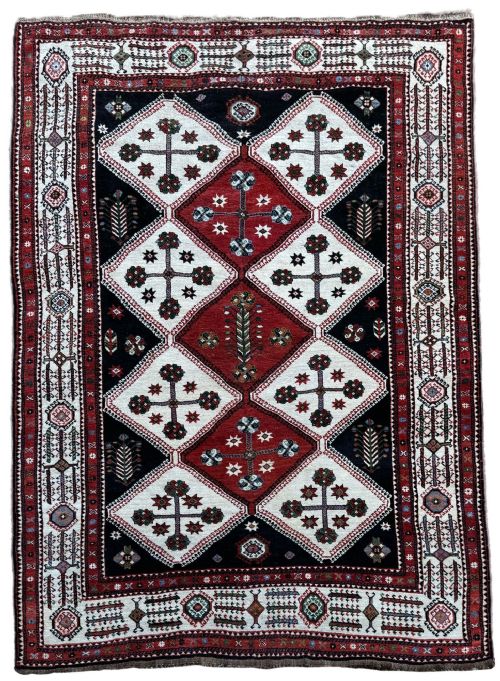
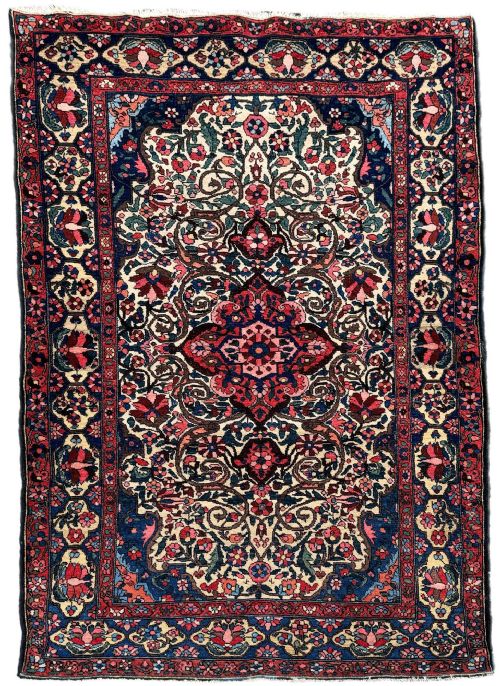
A red navy persian rug spans antique tribal carpets and village room-size pieces woven across Persia from the nineteenth century to the early twentieth century. These floor coverings bring distinct regional patterns, from geometric tribal motifs to flowing botanical designs.
The pieces available here include specific regional types such as Hamadan, Malayer, Heriz, Khamseh, and Kashan. Buyers encounter everything from small scatter formats to large carpets measuring over three metres in length, dating from the eighteen-seventies through the nineteen-thirties.
How they were made
These floor coverings employ traditional hand-knotting techniques using natural materials such as wool pile spun by hand, combined with cotton foundations. Weavers tied dense knots onto warp and weft threads to build durable, resilient textiles designed for daily domestic use.
Dyers utilised natural botanical and mineral sources to achieve deep navy blues and rich reds, creating foundational hues that hold their depth across decades. Individual tribal and village weavers worked from memory or traditional pattern books unique to their specific region or confederation.
Red Navy Persian Rug Retail Price Guide 2026
Typical asking prices for red navy persian rug among the pieces listed under this phrase on Sellingantiques today, from the lower quarter to the upper quarter. They describe what is for sale here now, not the wider market.
Some tribal carpets secretly hide tiny woven figures of birds and camels tucked away inside complex geometric borders.
What varies in quality
The fineness of the knot count and the precision of the geometric or floral drawing separate standard village work from master workshop pieces. Tighter knotting allows for sharper delineation of motifs within borders and central medallions.
The depth and saturation of the natural dyes, alongside the original condition of the wool pile and the integrity of the selvedges, dictate the standing of an individual carpet. Greater uniformity in hand-spun wool and balanced proportions enhance visual harmony.
The Red Navy Persian Rug Glossary
- Boteh
- A stylised almond or pear-shaped motif representing a-shoot, bush, or flame. This ancient symbol appears frequently in village and tribal weaving.
- Khamseh
- A confederation of five distinct tribes in south-west Persia known for producing distinctive dark-ground carpets with bold geometric patterns. Their work often incorporates fine wool and intricate tribal iconography.
- Malayer
- A town and surrounding district in west Persia famous for producing room-size and scatter rugs featuring flexible floral designs and boteh motifs. These pieces often utilise a balanced palette of deep reds and blues.
- Heriz
- A region in north-west Persia known for sturdy, durable carpets featuring bold geometric medallions and strong corner brackets. Weavers in this area traditionally employed robust wool suitable for heavy household traffic.
- Warp
- The vertical threads stretched tightly on the loom that form the structural foundation of the rug. The exposed ends of these threads often emerge as fringes at either end.
Red Navy Persian Rug: Frequently Asked Questions
How do I clean an antique rug?
Professional specialist cleaning is essential for antique wool textiles to protect natural dyes and fragile cotton foundations. Regular gentle vacuuming without a beater bar removes surface dust.
Avoid household detergents and excessive moisture, which can cause bleeding or rot the foundation threads over time.
Where should I place a tribal carpet?
These pieces suit low-to-medium traffic areas like studies, bedrooms, or formal sitting rooms where the pile receives gentle treatment. Placing a quality underlay beneath the carpet prevents slipping and reduces fibre wear.
Keep antique textiles away from direct, prolonged sunlight to prevent fading of the natural red and blue dyes.
How do I tell regional styles apart?
Regional attribution relies on examining the specific border arrangements, structural materials, and drawing styles unique to weaving centres like Hamadan or Heriz. Tribal pieces often show asymmetrical nomad motifs, while town workshop rugs display balanced symmetry.
Khamseh carpets frequently feature dark navy grounds with scattered animal and bird figures, distinguishing them from floral Kashan pieces.
Are these rugs suitable for daily use?
Hand-knotted wool rugs from the nineteenth and early twentieth centuries were built for utilitarian durability in nomadic and village settings. The combination of resilient wool pile and sturdy cotton foundations handles normal household walking.
Rotating the rug every six months ensures even wear patterns across the surface.