






1920s Turkmen Rug
These 1920s turkmen rug pieces are woven textiles bringing traditional tribal patterns and warm red tones directly into domestic interiors.
1920s Turkmen Rug
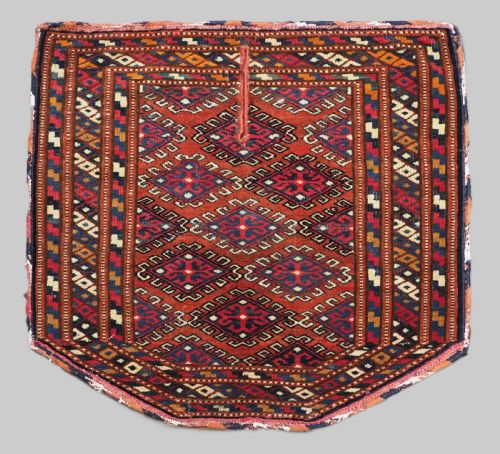
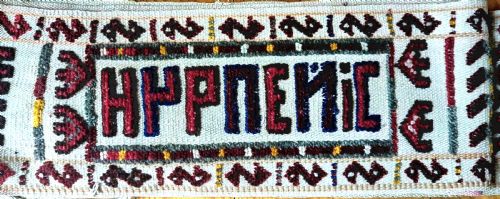
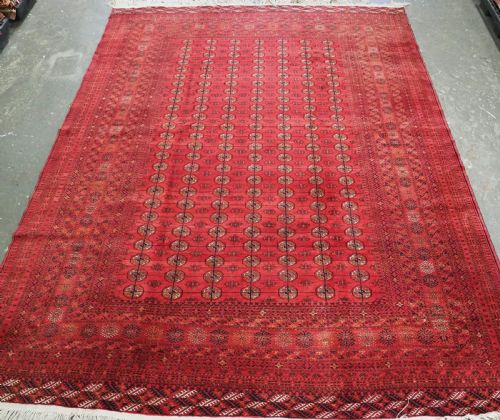
When searching for a 1920s turkmen rug, collectors encounter tribal village textiles and carpets hailing from Central Asia. The pieces appearing here span specific formats including saddle covers, tent bands, prayer rugs, and larger floor carpets.
Most examples originate from Afghan and Turkmen makers, displaying classic regional designs such as the traditional gul motif or double lantern mosque patterns. Buyers find both compact village rugs and substantial carpets intended for heavy daily use.
What varies in quality
The standard of a piece depends on the depth and richness of the red dye, alongside the lustre of the hand-spun wool. Uniformity in the traditional gul motifs and the complexity of border designs also distinguish finer weaving.
Durability marks another distinction, separating standard village rugs from heavy duty carpets built to withstand continuous foot traffic without losing pile integrity.
Nomadic weavers occasionally embedded small asymmetry into repeating guls to ward off the evil eye.
The 1920s Turkmen Rug Glossary
- Gul
- A repeating octagonal medallion motif central to Turkmen tribal design. This geometric emblem forms the primary decorative pattern across carpets and rugs.
- Prayer rug
- A small format textile featuring a mihrab or mosque design used for daily devotions. These pieces often incorporate double lantern elements in the field.
- Tent band
- A long, narrow woven strip utilised structurally and decoratively within nomadic dwellings. They display intricate geometric patterns characteristic of Central Asian weaving.
- Natural dyes
- Colourants derived from plants, roots, and minerals applied to wool before weaving. They produce the deep rich red shades characteristic of these textiles.
- Saddle cover
- A compact utilitarian textile shaped to fit animal tack while displaying formal tribal patterns. These items combine practical function with traditional design.
1920s Turkmen Rug: Frequently Asked Questions
What is a 1920s turkmen rug?
These items are tribal woven textiles produced in Central Asia during the early twentieth century, featuring distinctive geometric patterns.
They encompass various functional forms such as prayer rugs, saddle covers, and floor carpets created by Afghan and Turkmen weavers.
How were these rugs used?
Nomadic and village communities utilised these textiles as floor coverings, animal tack accessories, and structural tent bands within daily life.
Prayer variants served specific devotional purposes, while larger carpets provided insulation and decoration inside traditional dwellings.
How do I live with one?
These robust wool and cotton textiles suit high-traffic areas due to their hard-wearing construction and dense pile.
Placing them away from direct sunlight preserves the natural red dyes, while regular gentle vacuuming maintains the wool fibres.
How do I identify regional types?
Distinctions rely on structural motifs like the traditional gul pattern or mosque designs featuring double lanterns and unusual borders.
Materials such as hand-spun wool and specific village attributions help separate Yomut, Kizil Ayak, and Ersari styles.