
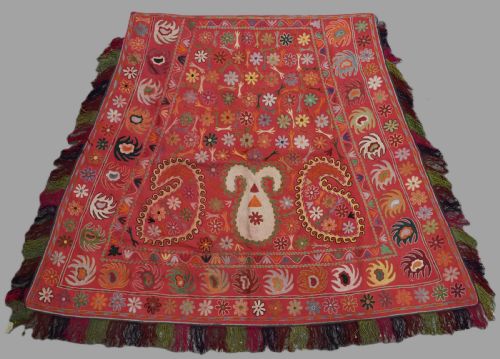


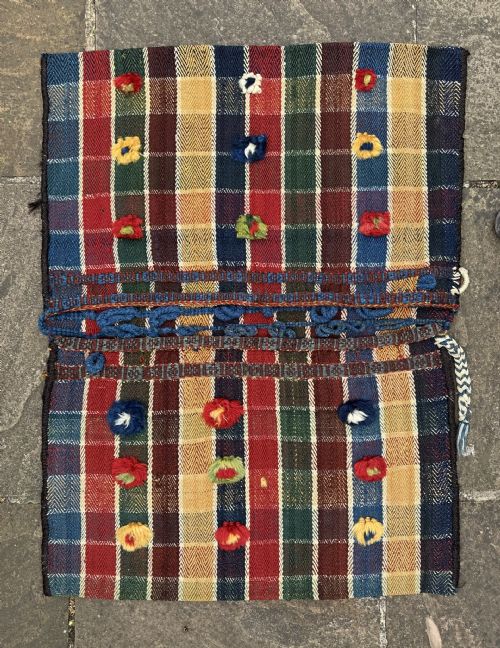

Red Wool Saddle Cover
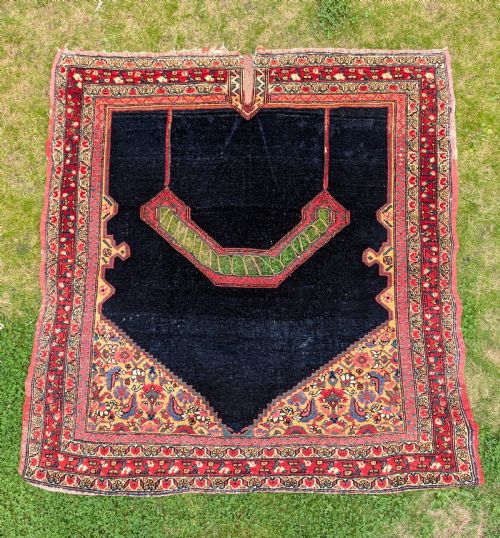
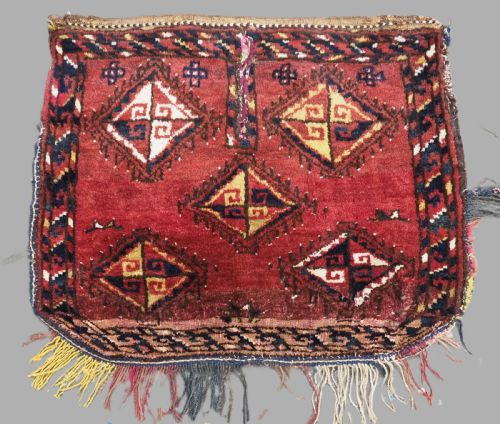
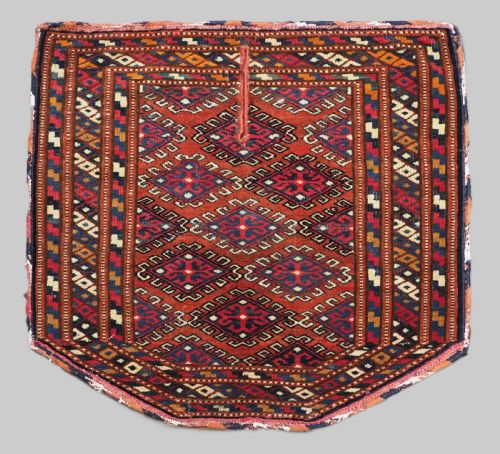
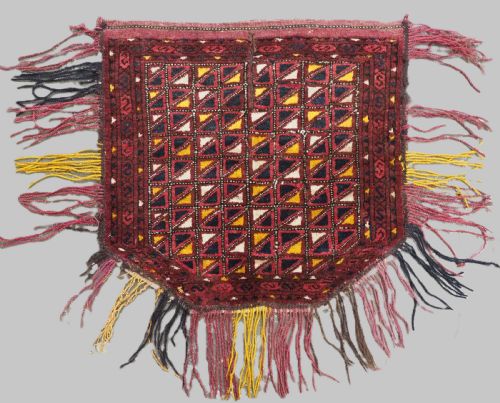
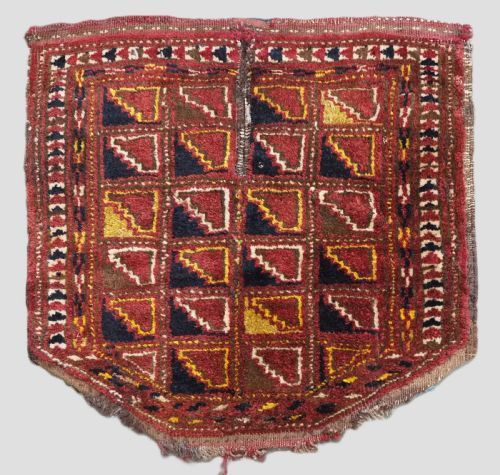
A red wool saddle cover is a woven tribal textile designed for equestrian use, bringing rich colour and pattern into a room.
Red Wool Saddle Cover
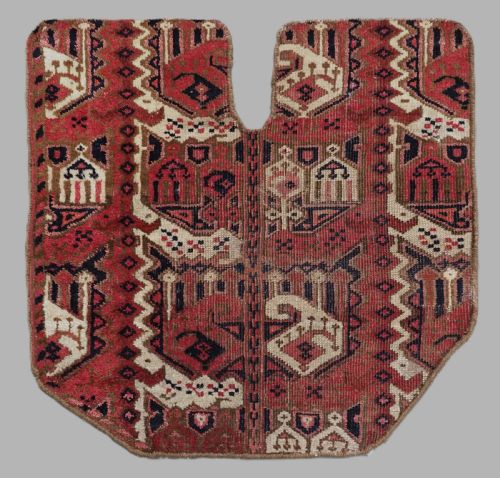
A red wool saddle cover is a functional tribal weaving repurposed from equestrian use into decorative textile art. These pieces originate from Persian, Central Asian, and Tibetan nomadic groups, reflecting the distinctive weaving traditions of various tribes.
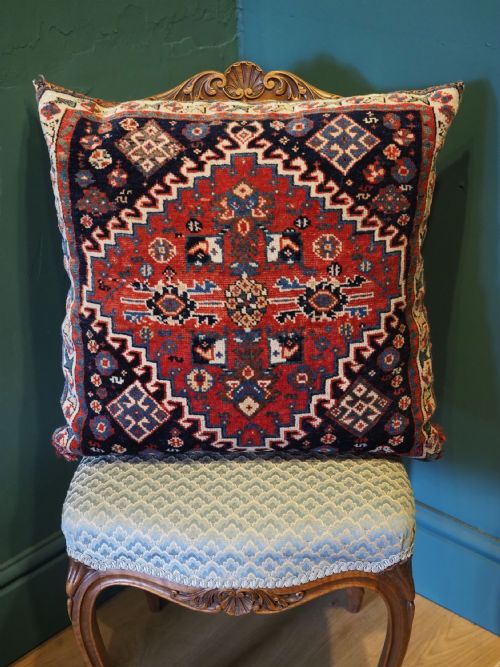
Most items function effectively as small floor rugs or wall hangings due to their durable construction and manageable dimensions. Buyers encounter formats ranging from complete saddle covers to individual bag faces and pairs.
How they were made
Weavers utilised hand-spun wool and natural dyes to create these textiles, often combining cotton and silk highlights within the pile or embroidery. Leather components occasionally appear on bag backs or structural edges.
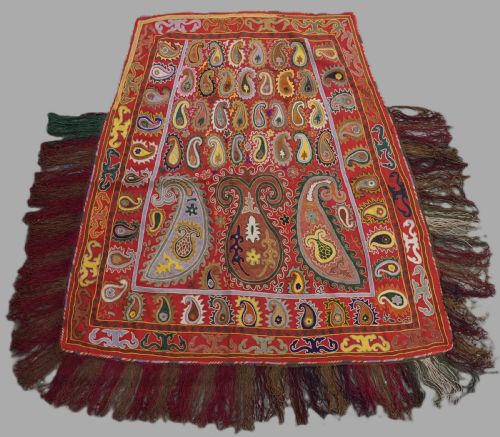
Nomadic workshops employed pile knots and flatweave techniques, sometimes adding surface embroidery as seen in Uzbek Lakai examples. These construction methods ensured the heavy textiles could withstand the rigours of daily equestrian travel.
Several saddle covers retain their original tassels, designed to dance along the flanks of a cantering horse.
What varies in quality
Quality rests in the handle and luminosity of the wool, where lustrous natural fibres outshine brittle or dull material. The depth and saturation of the red dye directly influence the visual impact of each cover.
The precision and complexity of tribal motifs separate standard pieces from exceptional examples. Original elements such as tassels and plain weave backs preserve the historical integrity of the textile.
The Red Wool Saddle Cover Glossary
- Pile
- The upright wool loops or tufts that form the soft surface of a rug. It provides texture and warmth to the textile.
- Flatweave
- A woven textile without pile, created by interlacing warp and weft threads tightly together. This technique forms durable backs and sides on bags.
- Boteh
- A stylised almond or pear-shaped motif of Persian origin representing a floral spray or cypress tree. It appears frequently in tribal weaving.
- Warp
- The stationary vertical threads stretched across a loom before weaving begins. The entire structure of the textile depends upon them.
Red Wool Saddle Cover: Frequently Asked Questions
What is a red wool saddle cover?
A red wool saddle cover is a traditional woven textile created by nomadic tribes for use on horses and camels. These items served practical purposes during travel and formed an important part of tribal dowries.
Collectors prize them today for their bold geometric designs and rich natural dyes. They function well as small floor rugs or decorative wall hangings in modern interiors.
How do I care for a saddle cover?
Gentle vacuuming without a rotating brush helps remove dust from the wool pile. Keep the textile out of direct sunlight to prevent the natural red dyes from fading over time.
Professional textile conservators should handle any necessary washing or deep cleaning. Avoid using harsh chemical treatments on antique animal fibres.
Where were these pieces made?
Nomadic and village weavers across Persia, Central Asia, and Tibet produced these textiles. Specific groups such as the Yomut, Ersari, and Lakai developed distinct regional patterns.
Each tribal group utilised local materials and specific dyeing techniques that distinguish their work. Geography and migration routes heavily influenced the designs handed down through generations.
How are tribal rugs dated?
Experts date these textiles by examining the wool quality, natural dye palettes, and structural characteristics. Stylistic motifs also provide clues regarding the period of production.
Comparing pieces to dated museum examples helps narrow down the decade of manufacture. Nineteenth-century and early twentieth-century pieces display specific wear patterns and material handling.