
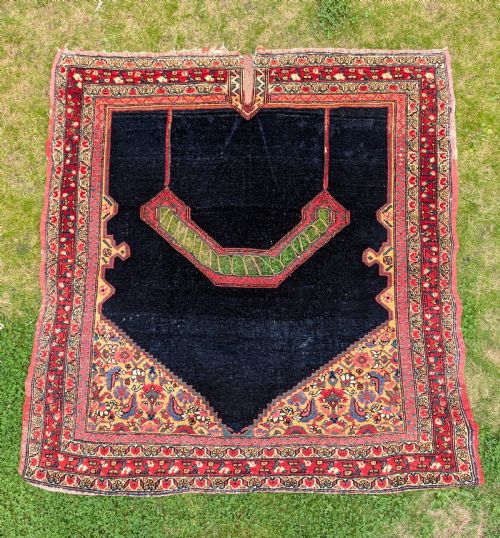
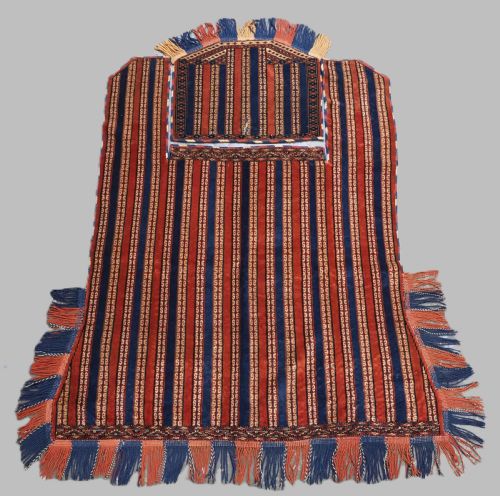
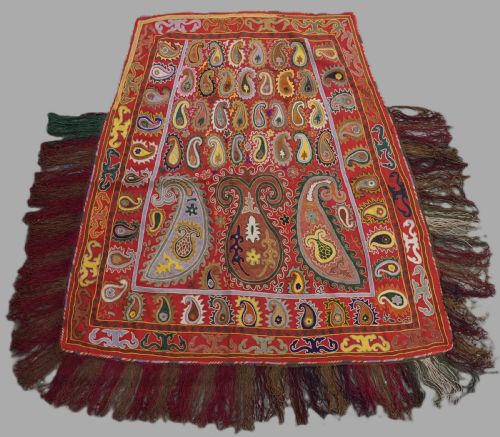
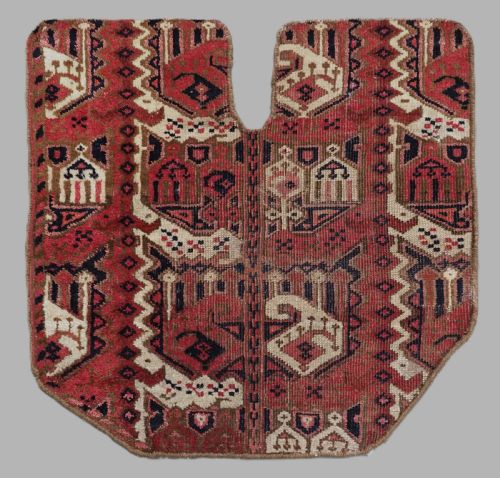


Antique Horse Saddle Cover
These antique horse saddle cover pieces are striking tribal textiles and rugs created to adorn mounts.
Antique Horse Saddle Cover
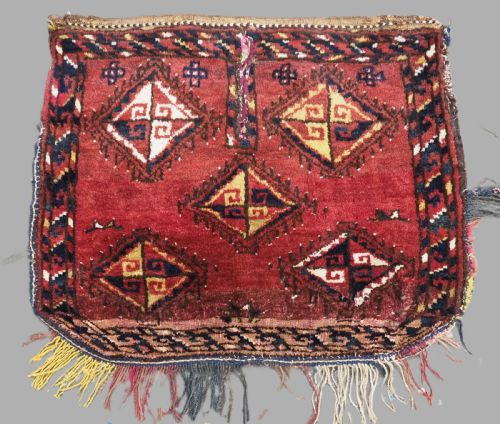
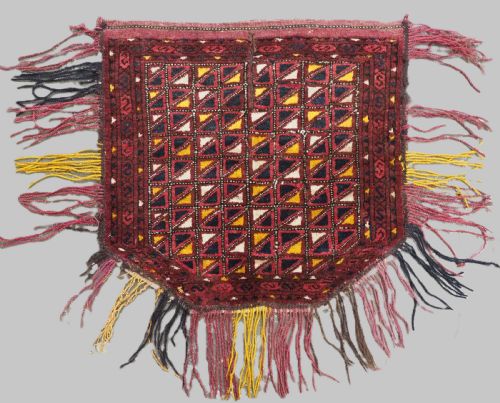
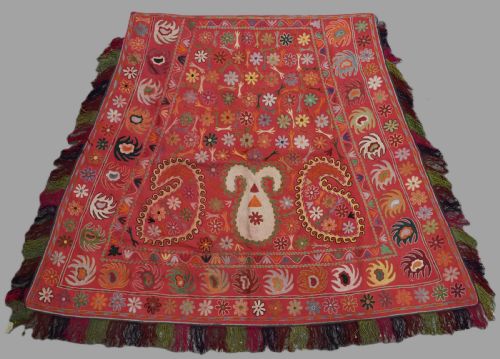
An antique horse saddle cover is a tribal textile or rug designed to sit upon an animal, often serving a ceremonial purpose. Buyers seeking an antique horse saddle cover will encounter pieces hailing from Central Asia, Tibet, and Persia.
The selection ranges from Yomut Turkmen and Ersari Beshir weavings to embroidered Lakai tribe blankets from Uzbekistan and Tibetan folk art examples. These items date from the nineteenth century up to the early twentieth century, spanning decades such as 1880, 1890, 1900, and 1920.
Many survivors double as saddle rugs or blankets, occasionally retaining original tassels from their working or ceremonial past. They reflect distinct regional weaving and embroidery traditions practised across tribal communities.
How they were made
Textiles in this category utilise wool, cotton, and silk fibres combined with natural dyes to achieve rich colour palettes. Artisans employed weaving and embroidery techniques suited to nomadic and village production.
Nomadic and tribal makers structured these covers to withstand practical use while incorporating intricate patterns specific to their heritage. Surviving examples demonstrate the skillful handling of varied textile media by weavers and embroiderers.
Listings feature periods spanning the nineteenth century through the 1920s, incorporating wool, cotton, silk, and natural dyes.
What varies in quality
Quality rests upon the fineness of the weave or embroidery and the integrity of the natural dyes used in the composition. Pieces that retain original elements such as tassels demonstrate a higher degree of preservation.
The clarity of tribal motifs and the skill executed by specific groups, such as the Lakai or Turkmen weavers, distinguish standard items from exceptional examples. Age and regional provenance also influence the standing of an individual textile.
The Antique Horse Saddle Cover Glossary
- Saddle cover
- A textile piece designed to fit over a horse saddle for practical or ceremonial display. These objects combine utility with regional artistic expression.
- Tribal textile
- A piece woven or embroidered by indigenous or nomadic groups following traditional patterns. They often utilise wool, cotton, and natural dyes.
- Embroidery
- The craft of decorating fabric using a needle to apply thread or yarn. Lakai examples heavily feature this technique.
- Natural dye
- Colouring matter derived from plants, minerals, or insects rather than synthetic compounds. These dyes contribute to the depth found in older textiles.
- Tassel
- A bunch of loosely hanging threads fastened at one end, occasionally surviving on period covers. They complete the edge of certain ceremonial pieces.
Antique Horse Saddle Cover: Frequently Asked Questions
What is an antique horse saddle cover used for?
These textiles served as functional equipment for horses or featured in ceremonial processions within tribal societies. They provided a layer between the mount and rider or decorated the animal during important events.
Over time, many of these covers transitioned from working objects into decorative pieces collected for their regional artistry and textile history.
How do I tell different tribal styles apart?
Tribal styles differ through distinct geometric motifs, colour palettes, and structural layouts characteristic of specific regions or peoples like the Yomut, Ersari, or Lakai.
Examining whether a piece is woven as a rug or decorated with embroidery helps identify its geographic and cultural origin.
How should I display an antique horse saddle cover?
Many collectors display these textiles flat as rugs or mount them securely on walls to protect the delicate fibres from wear. Proper hanging methods distribute the weight evenly across the fabric.
Keeping them away from direct sunlight prevents the natural dyes from fading over the years.
What materials are used in these covers?
The primary materials found in these pieces include wool, cotton, and occasionally silk. Makers relied on natural dyes to colour the threads before weaving or embroidering.
Some examples also incorporate original wool tassels along their borders.