


Antique Tribal Saddle Cover
An antique tribal saddle cover brings rich nomadic artistry into a modern room through bold geometric motifs and deep regional dyes.
Antique Tribal Saddle Cover
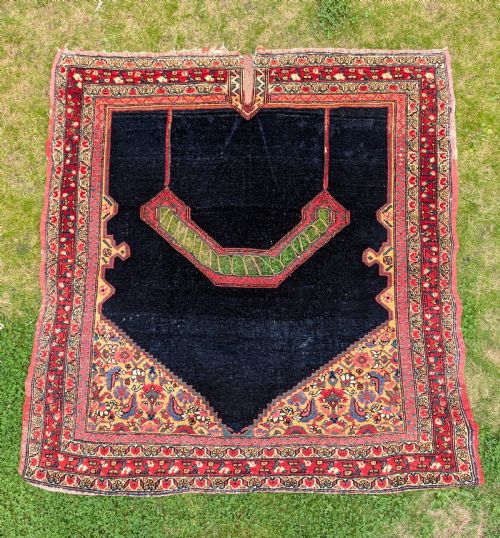
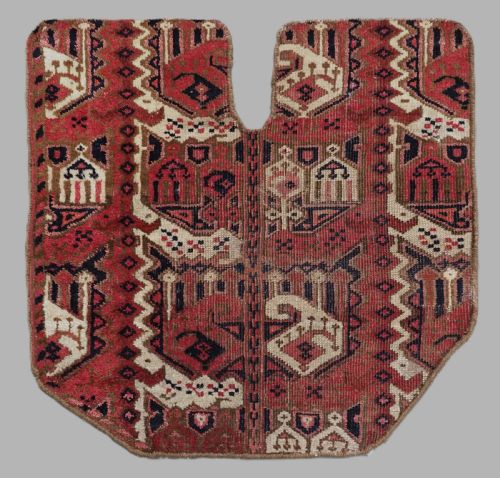
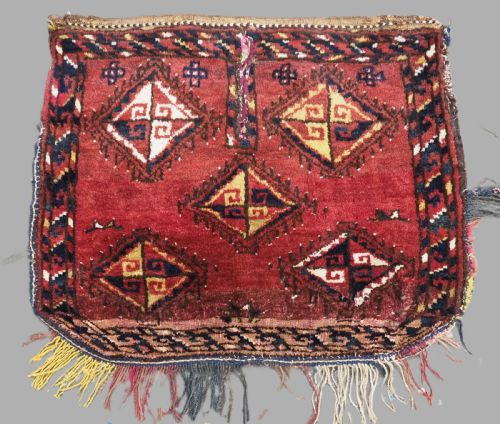
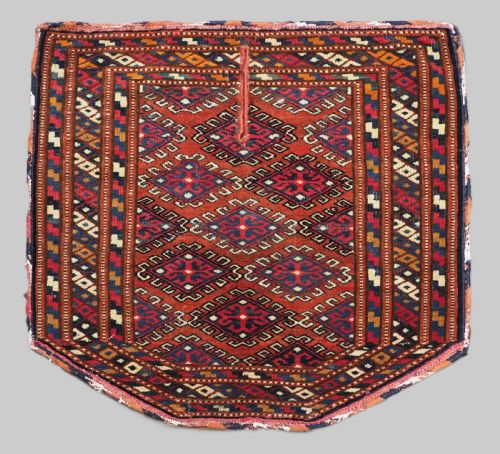
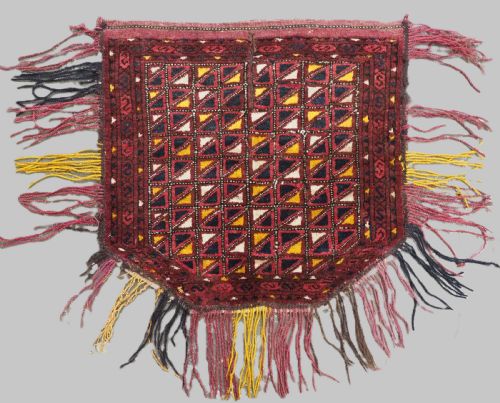
An antique tribal saddle cover represents the utilitarian textile traditions of nomadic and village weavers across Persia, Central Asia, and Anatolia. These pieces served practical functions for pack animals or ceremonial riding before transitioning into decorative items for collectors.
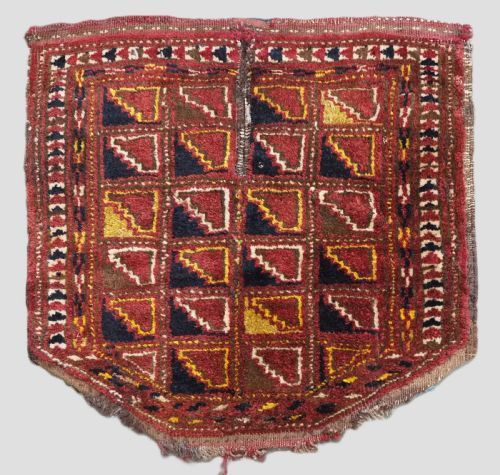
The items listed on this page span the nineteenth century and the early twentieth century, including examples from Yomut, Ersari, and Lakai communities. Buyers frequently encounter woven rugs, flat-woven kilims, embroidered horse covers, and complete or half-face saddle bags.
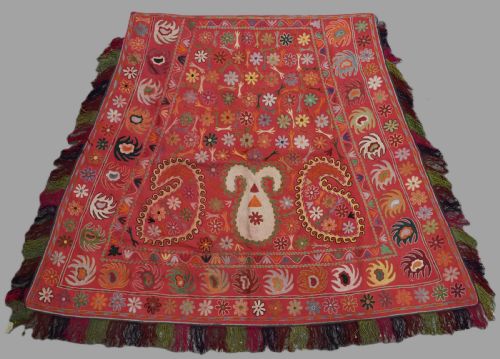
Regional variations define the selection, ranging from the intricate wool work of Persian tribes to the striking embroidery produced in Uzbekistan. Each textile reflects the specific tribal identity and aesthetic preferences of the maker.
Materials and construction methods
Weavers relied principally on hand-spun wool and cotton, combining pile knots and flat-weave techniques to produce durable saddle rugs and bags. Natural dyes provided a rich palette that matured gracefully over decades of use and exposure.
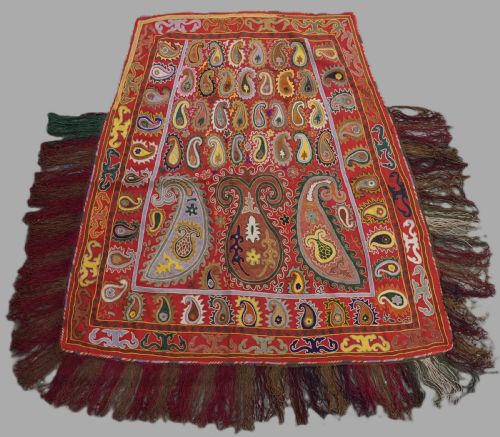
Certain ceremonial pieces incorporate detailed silk embroidery applied over sturdy wool foundations, particularly in examples originating from Central Asian groups. Leather components and original tassels occasionally survive on pieces designed for festive riding equipment.
Lakai horse covers were stitched with exuberant silk embroidery intended to dazzle onlookers during festive tribal celebrations and weddings.
Evaluating quality and authenticity
Quality rests upon the handled quality of the wool, the clarity of the natural dye colours, and the tightness of the weave. Finer knots and saturated palettes distinguish superior examples from standard utility pieces.
The preservation of original elements, such as flat-weave backs, side cords, and tassels, elevates the integrity of a saddle bag or cover. Structural crispness in tribal patterns indicates disciplined craftsmanship by the original weaver.
The Antique Tribal Saddle Cover Glossary
- Khorjin
- The traditional Persian term for a double saddle bag used by nomads for transport. These items were joined by a central web and cut or separated over time.
- Kilim
- A flat-woven textile produced without a pile by tightly interweaving warp and weft threads. This technique creates geometric patterns visible on both sides of the fabric.
- Boteh
- A stylised floral motif resembling a pear or curved almond, frequently found in Persian tribal weavings. It is among the oldest recurring symbols in textile history.
- Warp
- The stationary vertical threads stretched on a loom that form the structural foundation of a rug. Wefts are passed across them to lock the design in place.
Antique Tribal Saddle Cover: Frequently Asked Questions
How were saddle covers used originally?
Nomadic groups placed these textiles over pack animals or riding saddles to cushion loads and provide comfort during migration. They also served protective purposes against weather and wear.
Over time, many of these utilitarian textiles transitioned into decorative furnishings within tribal tents and later entered the collector market.
How do I care for an antique textile?
Gentle vacuuming without a beater bar removes dust and prevents fibres from breaking down under grit. Keep textiles out of direct sunlight to protect natural dye colours from fading.
Professional cleaning by a specialist in antique rugs is recommended for deep maintenance. Avoid harsh chemical treatments or excessive moisture.
How can I identify different tribal designs?
Tribal groups utilised distinct colour palettes, border arrangements, and repeating geometric motifs that signal their geographic origin. For instance, Turkmen weavers favoured deep madder reds and gul octagons.
Comparing structural weaves and regional wool characteristics helps narrow down whether a piece originates from Persia, Anatolia, or Central Asia.
Are saddle bags complete with backs?
Some surviving examples retain their plain weave backs and connecting webs, while others circulate as individual bag faces or halved pieces. Complete pairs represent the original dual-pouch format used across animal flanks.
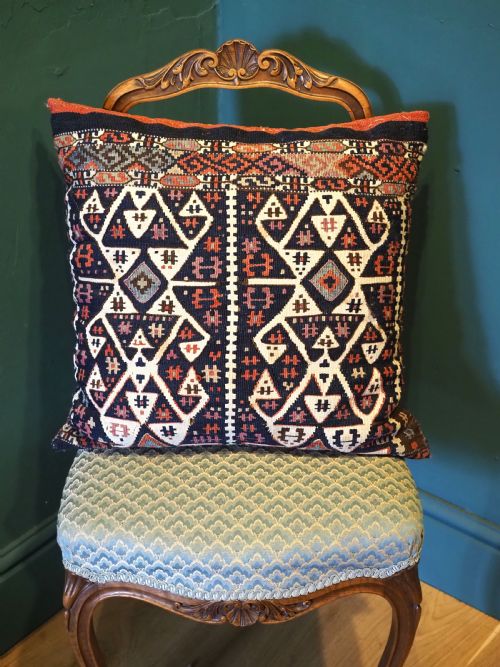
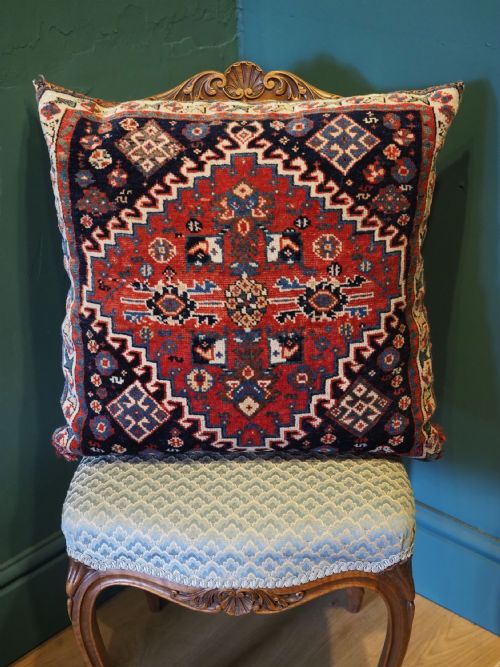
Listings specify whether a piece includes its back or represents a single face transformed into a cushion.