
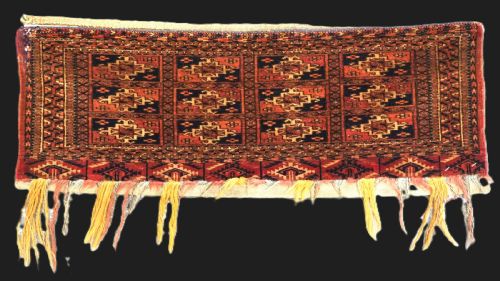


19th Century Turkmen Rug
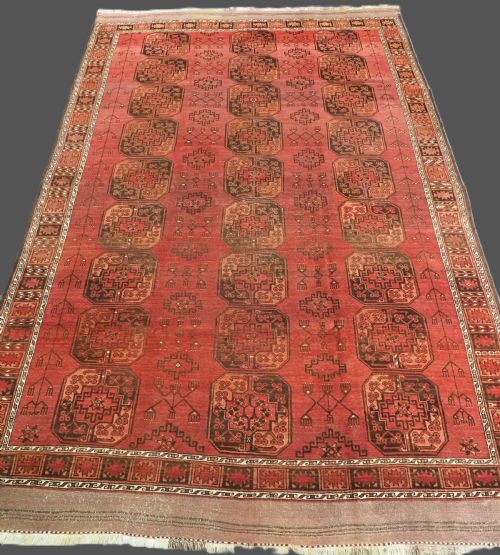
These pieces are a 19th century turkmen rug, woven as tribal textiles, main carpets, and torbas by nomadic weavers across Central Asia.
19th Century Turkmen Rug
A 19th century turkmen rug encompasses various forms woven by tribal groups, including large main carpets, tent door hangings known as ensis, and smaller utility bags like torbas and chuvals. These nomadic and semi-nomadic weavings served practical and ceremonial purposes within tribal life.
Tribal weavers from groups such as the Tekke, Yomut, Ersari, and Saryk produced these textiles, each applying distinct regional motifs and structures. Pieces range from full carpets to utilitarian bag faces intended for household storage and dowry purposes.
How they were made
The construction relies fundamentally on wool foundations and pile, often utilising hand-spun wool alongside cotton and occasionally goat hair or horsehair for structural strength. Natural dyes provide the underlying palette for the complex geometric fields.
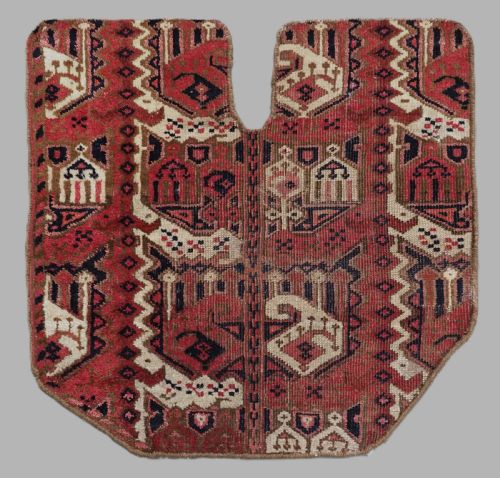
Weavers knotted individual warps and wefts to create dense, durable surfaces capable of enduring nomadic use. Specialised items like tent pole bags and saddle rugs demonstrate structural variations tailored to specific domestic requirements.
19th Century Turkmen Rug Retail Price Guide 2026
Typical asking prices for 19th century turkmen rug among the pieces listed under this phrase on Sellingantiques today, from the lower quarter to the upper quarter. They describe what is for sale here now, not the wider market.
Listings feature wool, natural dyes, cotton, goat hair, and horsehair across tribal main carpets, ensis, and torbas.
What varies in quality
The finesse of a weaving depends upon knot density and the precision of the drawing within motifs such as guls and secondary ornaments. Finer weaves show intricate detail in smaller formats, reflecting the skill invested by the maker.
Depth and clarity of natural dyes influence the visual impact of the piece, alongside the preservation of original borders, backs, and hanging loops. Condition and completeness, particularly the survival of original bag backs, distinguish standard examples from exceptional survivals.
The 19th Century Turkmen Rug Glossary
- Gul
- A primary medallion or repeating motif used across Central Asian tribal weaving. Different tribal groups developed characteristic forms to identify their lineage.
- Torba
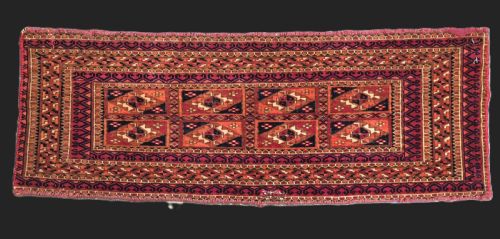
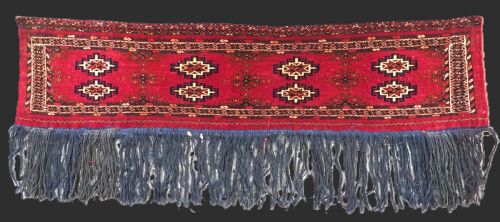
- A small storage bag produced by nomadic weavers for domestic use inside the yurt. These items frequently feature detailed face designs and occasionally retain their original wool backs.
- Chuval
- A large tent bag utilised for household storage, often displaying numerous guls across the face. They represent a significant category of nomadic dowry weaving.
- Ensi
- A yurt door hanging characterised by a cross-panel design dividing the field into quadrants. These textiles served a protective threshold function in tribal dwellings.
- Elem
- The decorated lower panel of a rug or hanging, frequently positioned beneath the main field. In Yomut and Tekke weavings, these panels display specialised tree or plant motifs.
19th Century Turkmen Rug: Frequently Asked Questions
How were these rugs used in nomadic life?
Nomadic families utilised these textiles for daily floor coverings, bedding storage, and yurt door hangings. Bags and torbas held personal possessions inside the tent.
Many pieces were created specifically for dowries and ceremonial events, combining utility with tribal identity.
What distinguishes different tribal designs?
Tribal groups incorporated specific secondary ornaments and medallion structures into their weaving. Tekke, Yomut, Ersari, and Saryk pieces each display recognizable layout traditions.
Analysing the specific gul types helps attribute an antique weaving to a particular region or confederation.
Why do some pieces survive as bag faces?
Utility bags experienced heavy wear along their lower edges and bases during daily nomadic use. When the structural body wore down, the decorative face was often preserved.
Many surviving examples represent only the front panel of a larger storage container.
How do I care for an antique wool textile?
Protect the weaving from direct sunlight to prevent natural dye fading over time. Gentle vacuuming without a rotating brush helps remove dust from the wool pile.
Professional textile conservation is recommended for any major structural stabilization or cleaning.