
Tribal Wall Hanging Rug
A tribal wall hanging rug brings nomadic heritage, rich texture and geometric symbolism directly onto a plain modern wall.
Tribal Wall Hanging Rug
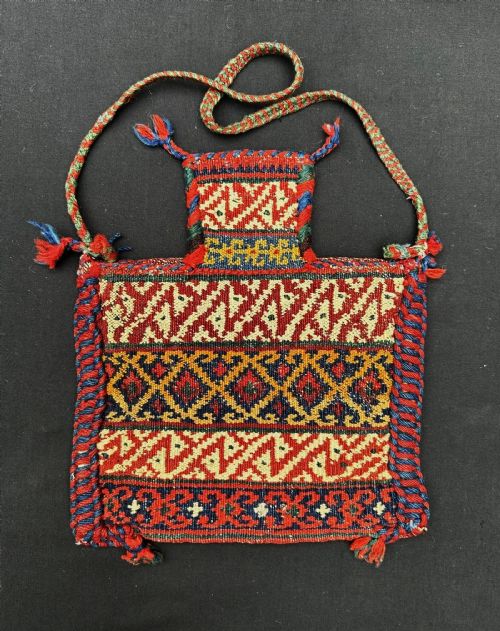
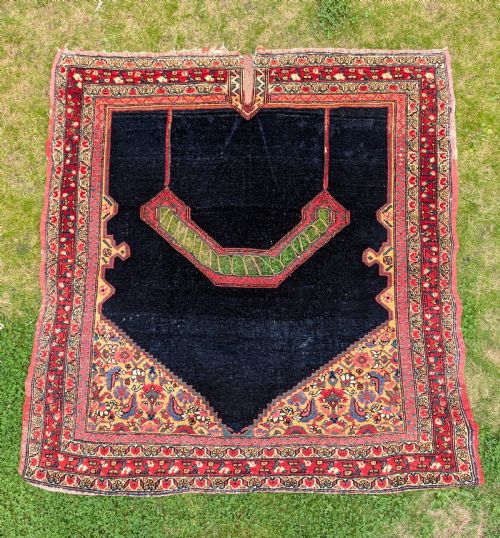
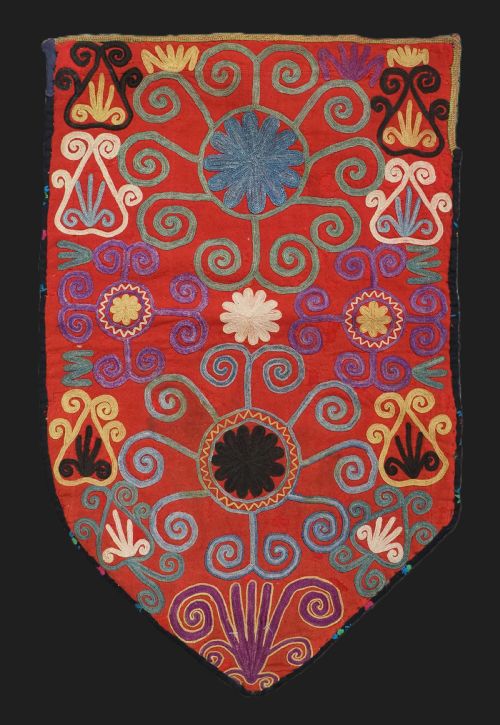
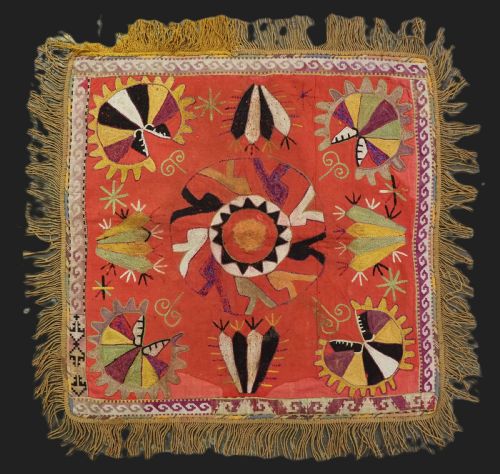
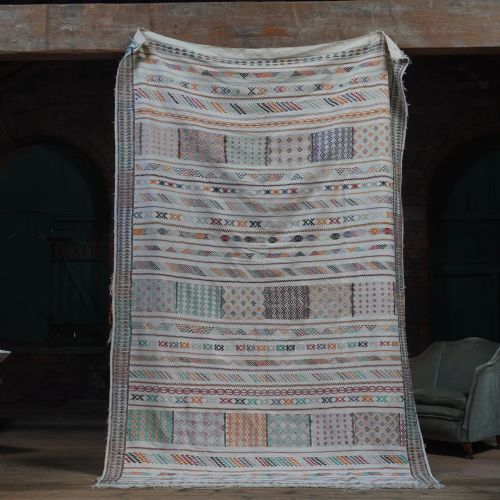
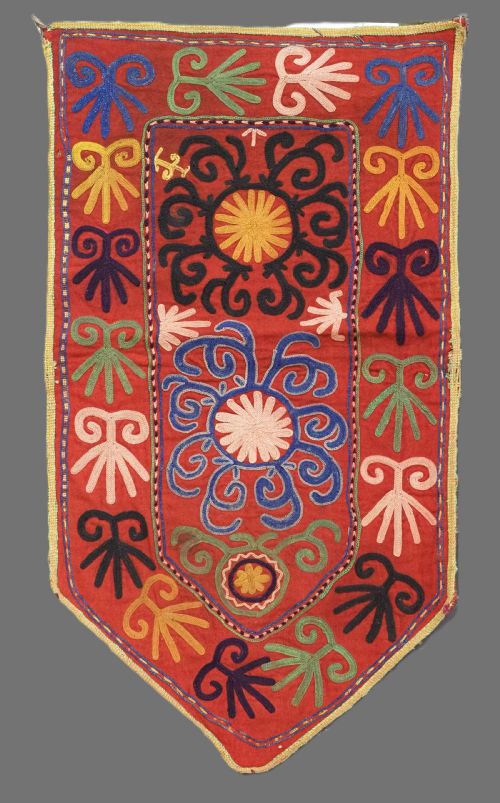
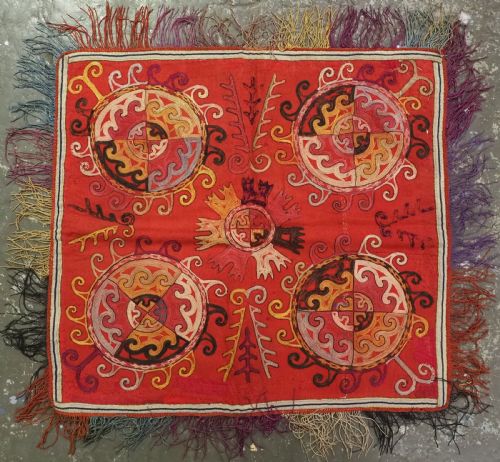
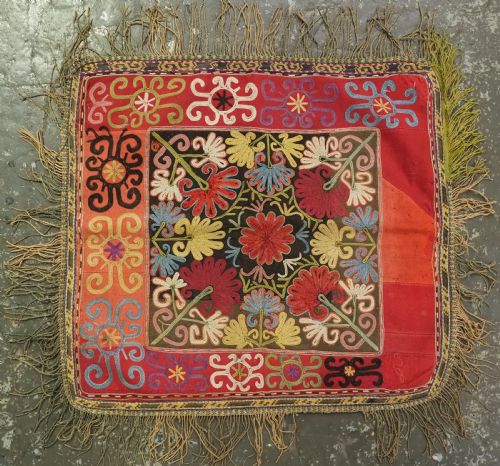
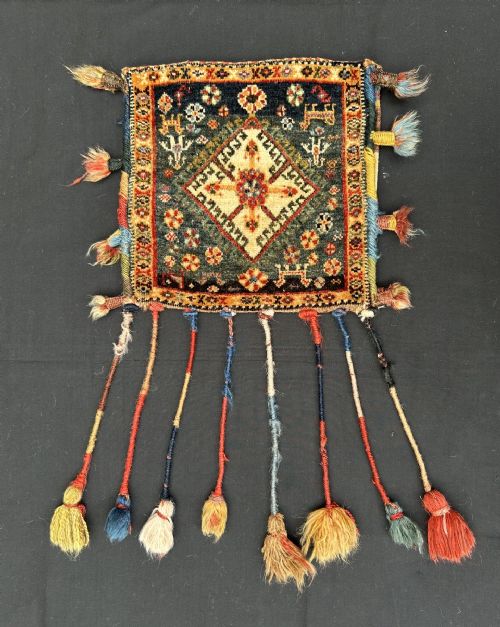
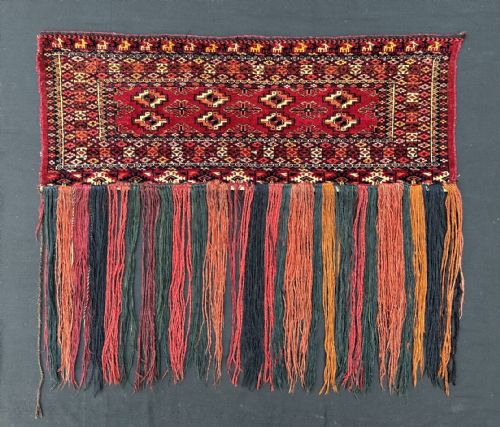
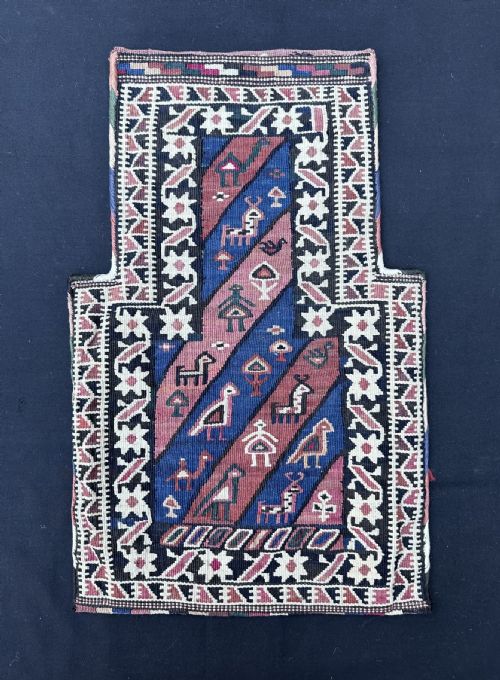
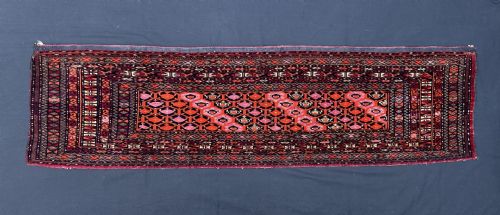
A tribal wall hanging rug encompasses a diverse array of nomadic textiles, ranging from utilitarian saddle covers and storage bags to dowry embroideries and ceremonial horse blankets. These pieces originate from Central Asian oases, Persian provinces, and Afghan steppes, created by specific tribal groups such as the Yomut, Ersari, and Uzbek Lakai.
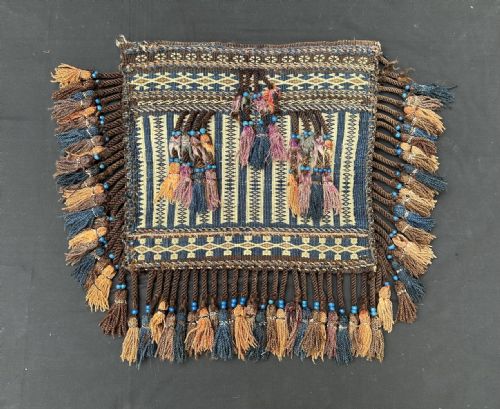
Buyers searching for a tribal wall hanging rug will frequently encounter converted bags, tent trappings, and embroidered felt panels dating from the nineteenth and early twentieth centuries. Items like the dowry hanging or asmalyk function effectively on vertical surfaces despite their original nomadic purposes.
The aesthetic is defined by regional motifs, tribal iconography, and distinct weaving traditions tied to nomadic life across Persia, Anatolia, and Central Asia. Each format carries the visual language of its maker, preserving ancient patterns through wool and dye.
Materials and Technique
Makers utilised hand-spun wool, cotton, and occasionally silk thread, combining them with natural dyes derived from plants and minerals to achieve deep, enduring colour. Felted wool and structural weaves provide the heavy foundation necessary for nomadic textiles, while supplementary embroidery adds intricate surface detail.
Techniques vary from pile weaving and flatweave kilim construction to dense silk embroidery applied over felt or cotton bases. Glass beads occasionally appear stitched into the textile surface, adding texture and reflective elements to ceremonial pieces.
Tribal Wall Hanging Rug Retail Price Guide 2026
Typical asking prices for tribal wall hanging rug among the pieces listed under this phrase on Sellingantiques today, from the lower quarter to the upper quarter. They describe what is for sale here now, not the wider market.
Listings feature pieces spanning from the mid-nineteenth century to the early twentieth century, utilising wool, cotton, silk, and natural dyes.
Judging Quality
The top of the range is distinguished by the depth and clarity of natural dyes, the tightness of the weave or embroidery, and the integrity of the original borders and tassels. Superior examples display precise execution of traditional motifs and harmonious colour palettes that have aged with stability.
Lesser examples suffer from chemical dye imbalances, structural weakness, or heavy restoration that obscures the original hand. The balance between the vitality of the tribal design and the physical preservation of the textile dictates its standing among collectors.
The Tribal Wall Hanging Rug Glossary
- Asmalyk
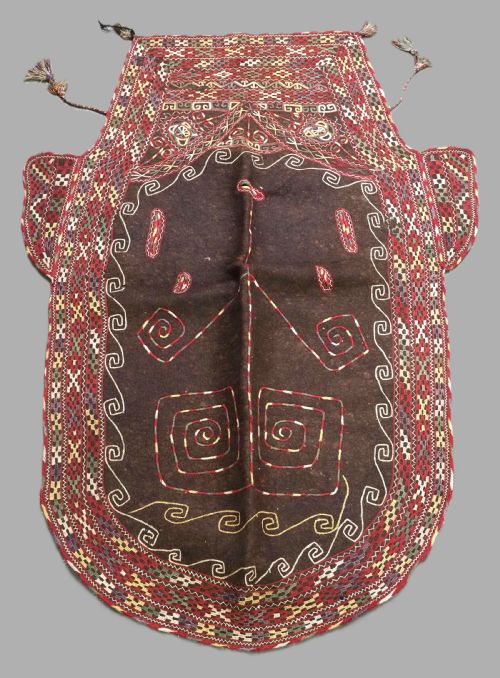
- A ceremonial pentagonal trapping produced by Turkmen tribes, traditionally hung on the flanks of a bridal camel during wedding processions. These highly decorative pieces now frequently serve as wall hangings.
- Ilgich
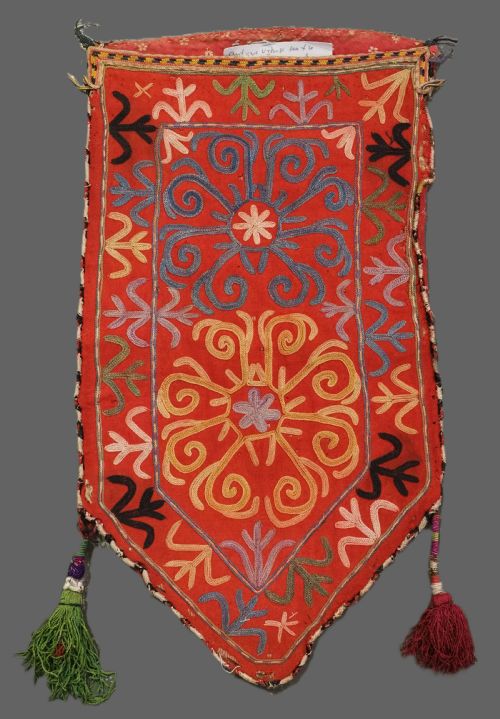
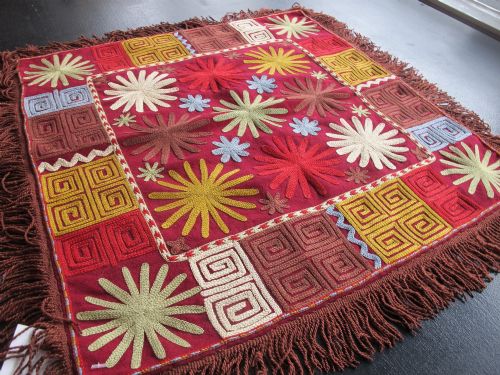
- An embroidered dowry hanging produced by the Lakai tribe of Uzbekistan, created to adorn the interior of a yurt. They feature dynamic geometric appliques and vibrant silk threadwork.
- Jollar
- A Turkmen long bag face used for camel or horse transport, characterised by rows of guls and intricate border designs. Collectors prize them for their structural symmetry and wool quality.
- Kilim
- A flatwoven textile produced without a pile, relying on the interweaving of warp and weft threads to form geometric patterns. Moroccan and tribal Persian examples utilise this technique.
- Gul
- A repeating octagonal medallion used by Turkmen and other Central Asian tribes to denote specific clan lineages and ancestral identity. Each tribal group maintains its own distinct variant of these primary motifs.
Tribal Wall Hanging Rug: Frequently Asked Questions
How do I hang a tribal rug safely?
Mounting a textile requires distributing the weight evenly across the entire upper edge to prevent distortion of the wool or cotton foundation. A fabric sleeve can be hand-stitched to the reverse side to accommodate a slim wooden rod or padded support bar.
Avoid using direct nails or clips that pinch the fibres, as these concentrate tension and cause permanent tearing over time. Professional framing behind UV-filtered glass provides maximum protection against light damage and household dust.
What is an asmalyk?
An asmalyk is a large pentagonal trapping created by Yomut and other Turkmen tribes for wedding ceremonies. They were fastened to the flanks of the bride's camel as part of the bridal procession.
Today, their striking geometric layouts and rich wool pile make them sought-after wall art. They offer a concentrated example of tribal weaving skill from the nineteenth century.
How do I clean an antique textile?
Antique wool and silk items require gentle surface maintenance rather than immersion washing, which can destabilise natural dyes and weaken old fibres. Regular, careful vacuuming through a mesh screen on low suction removes surface dust without pulling loose threads.
Professional textile conservators should handle any deep cleaning or stain removal. Household detergents and mechanical washing machines will cause irreversible shrinkage and colour bleeding.
How are Lakai embroideries different?
Lakai embroideries originate from Uzbek nomadic groups and stand apart through their use of vibrant silk couching on felted wool foundations. The designs feature energetic, abstract motifs rather than the rigid geometric guls found in Turkmen weaving.
Originally created as dowry items or horse covers, these textiles showcase asymmetrical arrangements and bright colour contrasts. Their tactile surface makes them distinct within Central Asian tribal art.