
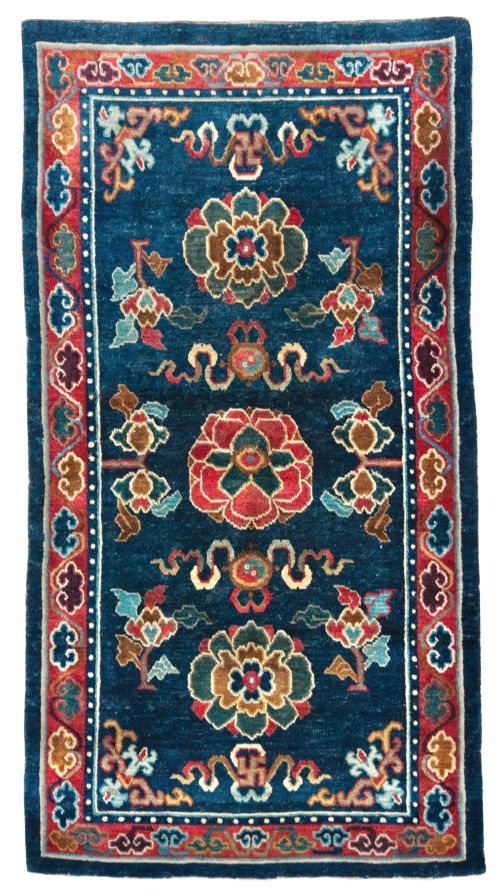
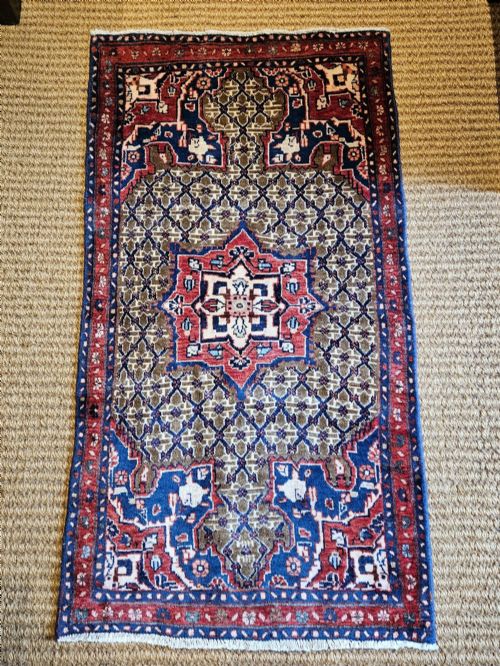
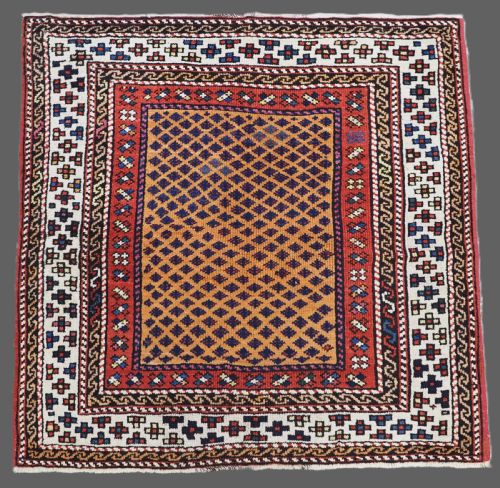
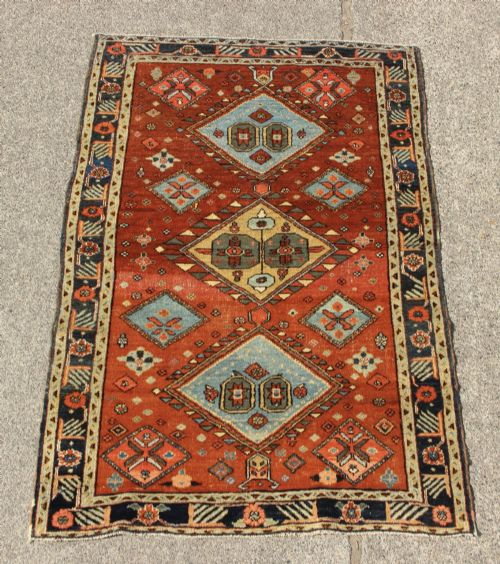
Small Tribal Area Rug
A small tribal area rug brings grounded pattern and village character to a floor, woven by nomadic or regional weavers using traditional methods.
Small Tribal Area Rug
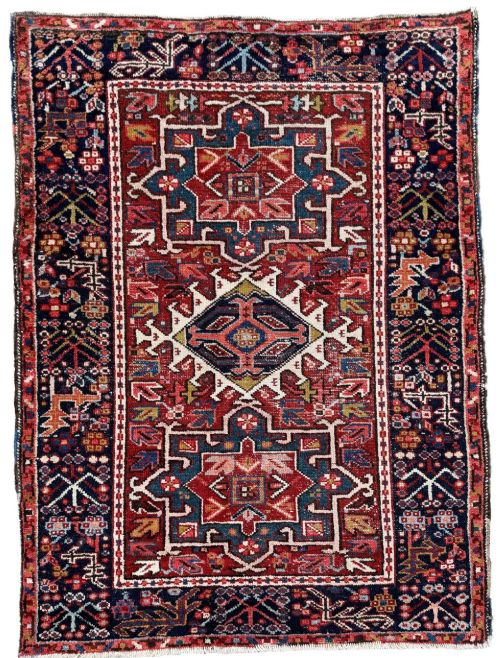
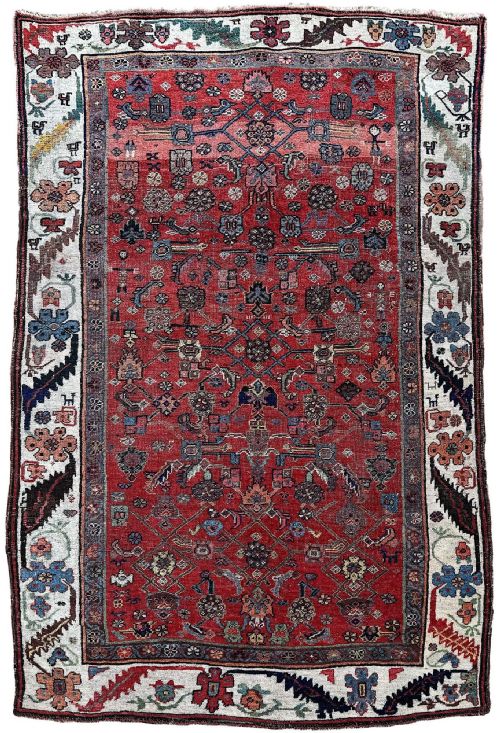
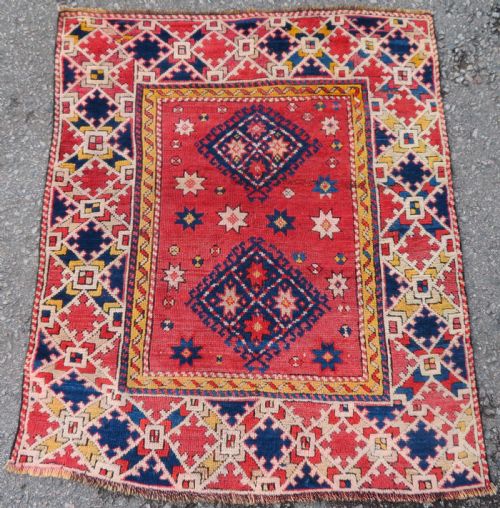
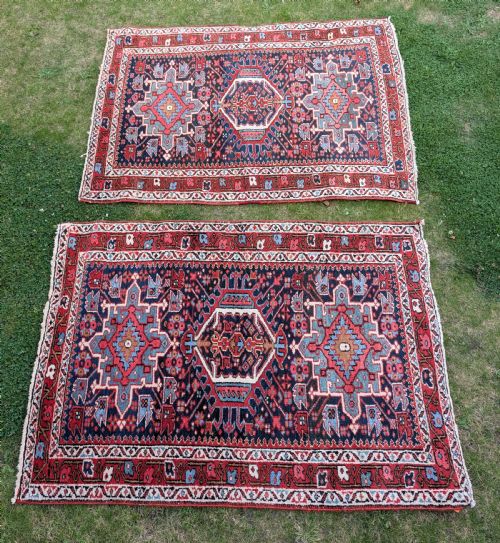
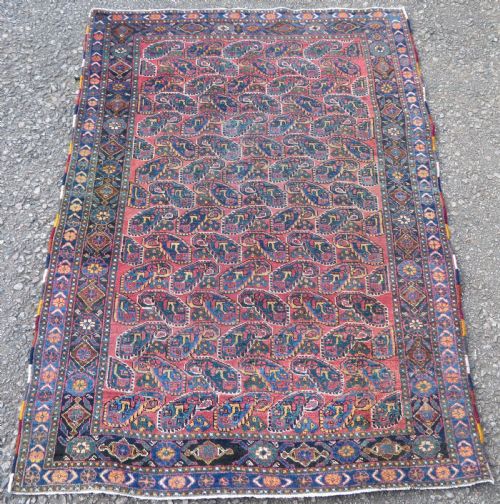
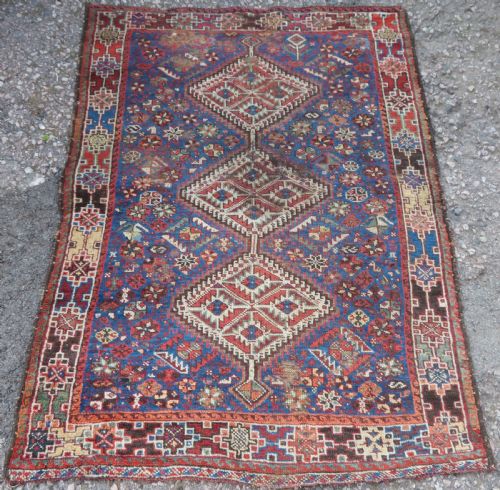
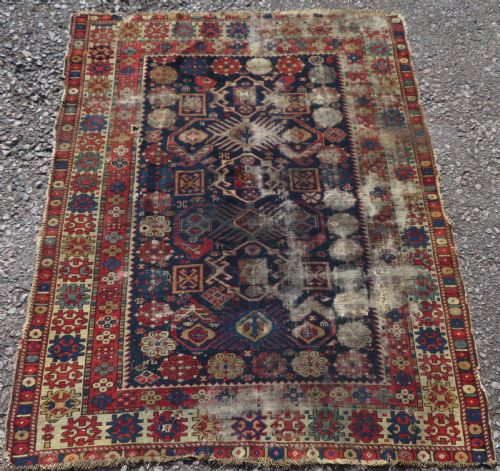
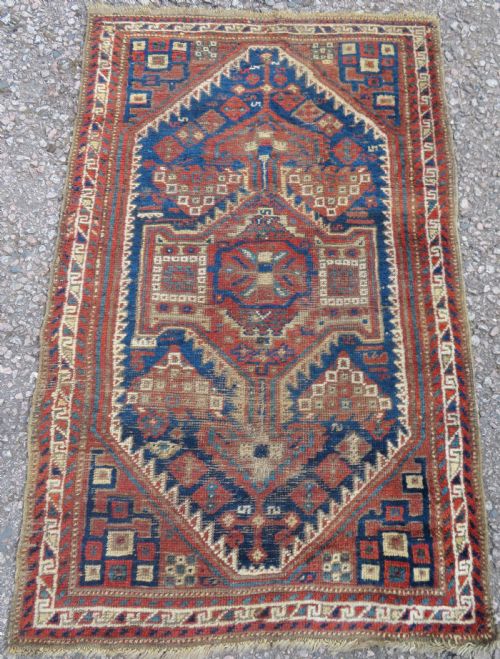
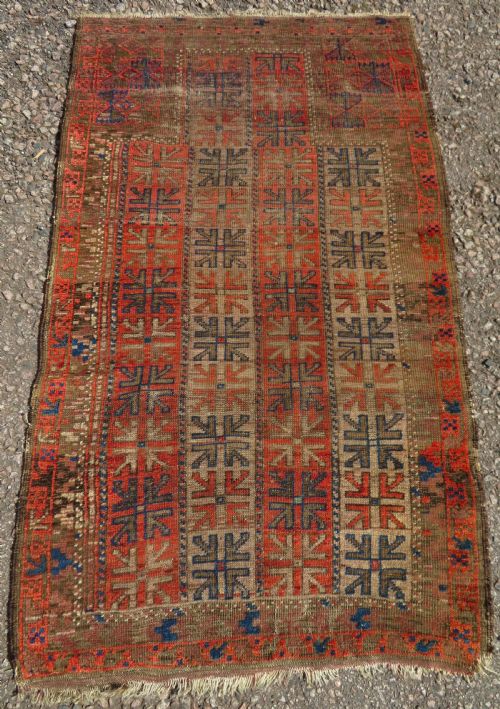
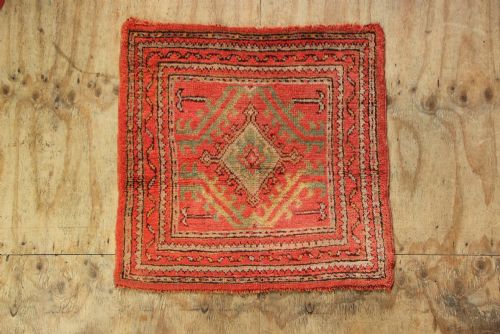
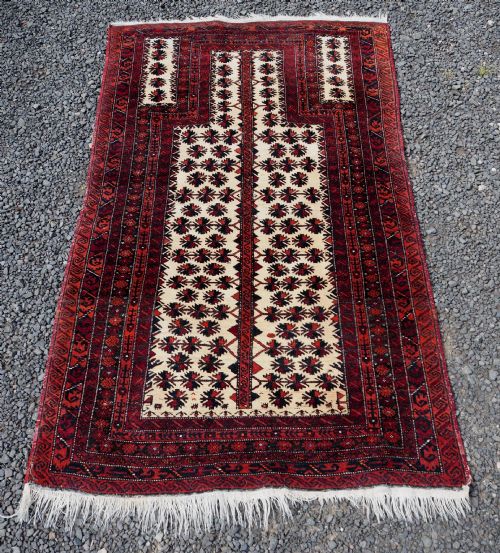
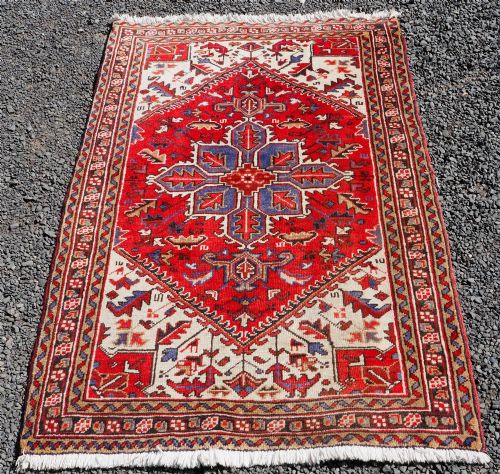
A small tribal area rug encompasses compact village and nomadic floor coverings from Persian, Anatolian, Caucasian, and Turkmen regions. These pieces include specific regional types such as Baluch, Afshar, Khamseh, Karaja, and Bergama village formats.
Most examples date from the late nineteenth century through the early twentieth century, spanning decades from the eighteen-eighties to the nineteen-thirties. Formats range from standard rectangular area rugs to square dimensions, hearth sizes, and specialised items like prayer rugs.
How they were made
Construction relies heavily on wool pile knotted onto wool or cotton foundations, frequently utilising hand-spun wool and cotton warp threads. Natural dyes provide the underlying palette, giving these textiles their characteristic depth of tone.
Weavers constructed these pieces on portable or village looms, incorporating structural elements particular to their region. Materials such as Tibetan wool appear alongside standard regional wools in specific Asian pieces.
Small Tribal Area Rug Retail Price Guide 2026
Typical asking prices for small tribal area rug among the pieces listed under this phrase on Sellingantiques today, from the lower quarter to the upper quarter. They describe what is for sale here now, not the wider market.
Listings feature pieces spanning the late nineteenth century up to the nineteen-thirties, using wool, cotton, and natural dyes.
What varies in quality
The sophistication of the natural dye palette and the clarity of the village motifs distinguish finer examples from simpler work. Colour saturation and the harmonious balance of geometric or pictorial designs heavily influence the visual impact.
Handle and structural integrity depend on the tightness of the knotting and the quality of the wool used in the pile. Abrasion and distress alter the surface texture, changing how the structure presents itself over time.
The Small Tribal Area Rug Glossary
- Warp
- The vertical foundation threads stretched lengthwise on a loom before knotting begins.
- Prayer rug
- A small format rug featuring a mihrab or niche design, traditionally used for individual prayer.
- Natural dyes
- Colourants derived from plants, insects, and minerals prior to the widespread adoption of synthetic dyes.
- Prayer niche
- The pointed arch design found on prayer rugs that represents the direction of prayer.
- Knot density
- The number of knots per unit area, influencing the definition of the woven pattern.
Small Tribal Area Rug: Frequently Asked Questions
Where were small tribal rugs made?
These pieces originated across village and nomadic communities in regions such as Persia, Anatolia, the Caucasus, and Turkmenistan. Different tribes and areas developed distinct geometric and floral repertoires.
Local materials and regional weaving techniques shaped the character of each piece, from Baluch workshops to Bergama villages.
How do I style a tribal rug?
A compact tribal format suits hallways, hearths, small seating areas, or spaces needing a focal point of pattern and texture. Their scale allows them to sit comfortably on wood floors or over larger plain carpets.
Consider the surrounding room colours to let the natural dyes and traditional motifs anchor the interior scheme.
What is a prayer rug?
A prayer rug is a smaller format distinguished by an architectural arch or niche motif known as a mihrab. Weavers traditionally designed these pieces for individual devotional use.
Examples from this category span various tribal origins, including Baluch and Turkish traditions.
How do I identify a village rug?
Village and tribal pieces often display less rigid symmetry than urban workshop carpets, featuring spontaneous geometric layouts and tribal motifs. The presence of hand-spun wool and natural dyes points towards older traditions.
Examining the structural foundation, such as cotton warps or all-wool construction, offers further clues to regional origin.