


Red Tekke Rug
These red tekke rug examples bring rich madder grounds and precise tribal geometry from Central Asian weaving traditions into modern spaces.
Red Tekke Rug
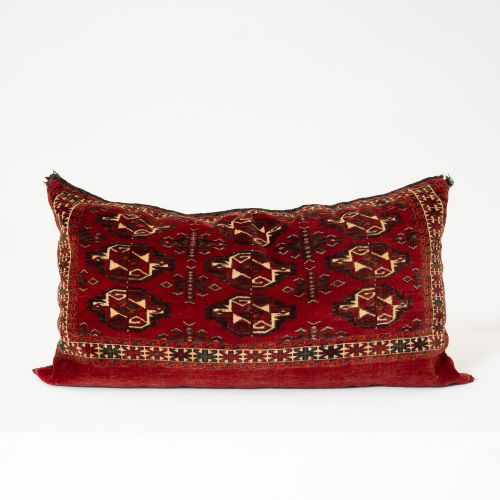
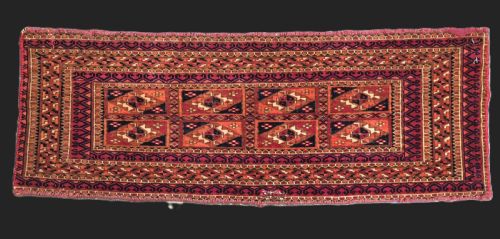
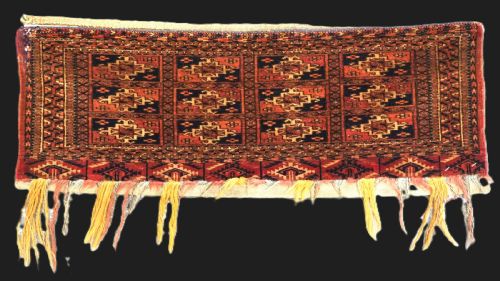
When you search for a red tekke rug, you are looking at tribal textiles originating from Central Asia, specifically attributed to the Tekke Turkmen. These pieces date from the nineteenth century up to the early twentieth century, encompassing formats such as carpets, small rugs, dowry pieces, and chuval faces.
The most common version met on this page is a nineteenth century rug featuring a characteristic red ground, often described in shades ranging from madder and crimson to red-brown. These floor coverings and textile items demonstrate distinct tribal styles associated with the Emirate of Bukhara and Turkmen weaving traditions.
How they were made
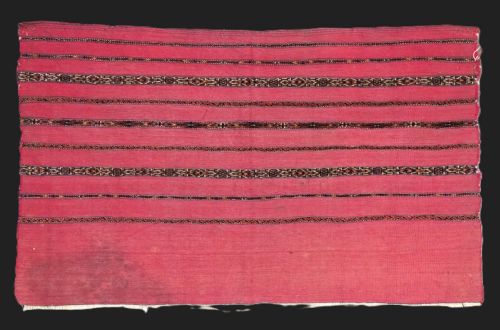
The pieces recorded in these listings are constructed from wool, utilising traditional knotting and weaving techniques particular to Turkmen tribal makers. Many examples include complete structures such as plain weave backs on chuval pieces or fine square formats.
Colour comes from natural dyeing traditions, yielding soft madder red, deep crimson, and abrashed red fields that develop gentle variations across the wool pile. The handling of these materials produces textiles with soft textures and durable construction.
Red Tekke Rug Retail Price Guide 2026
Typical asking prices for red tekke rug among the pieces listed under this phrase on Sellingantiques today, from the lower quarter to the upper quarter. They describe what is for sale here now, not the wider market.
Listings span the nineteenth century through to nineteen twenty, featuring wool rugs, carpets, and chuval formats attributed to Turkmen tribal makers.
What varies in quality
Quality in these rugs is determined by the fineness of the knotting and the precision of the drawing within the primary motifs and gul designs. Superior examples display great drawing clarity and harmonious colour variations, such as soft madder or deep crimson tones.
The tactile quality of the wool pile and the retention of original elements, like plain weave backs on chuval pieces, distinguish the higher end of the range. Differences in proportion, from small sizes to larger carpets, also shape the character of each piece.
The Red Tekke Rug Glossary
- Chuval
- A large storage bag face produced by Turkmen tribes, often featuring multiple gul motifs. These pieces were traditionally used for household storage within yurt dwellings.
- Gul
- A primary octagonal medallion motif repeated across Turkmen rugs and carpets. Each tribal group utilised distinct gul patterns to signal lineage and identity.
- Madder
- A natural red dye derived from the root of the Rubia tinctorum plant. This dye produces the characteristic soft red and crimson grounds seen on nineteenth century examples.
- Abrash
- Variations of shade within a single colour field caused by shifts in dye batches or wool lots. This subtle tonal variation is valued for adding depth to the wool surface.
- Dip khali
- A term used to describe specific Turkmen rug formats with particular field arrangements. These textiles reflect specialised weaving conventions within Central Asian traditions.
Red Tekke Rug: Frequently Asked Questions
What is a red tekke rug?
A red tekke rug is a Central Asian tribal textile woven by the Tekke Turkmen during the nineteenth and early twentieth centuries. These pieces typically feature wool construction and distinctive red colour fields.
They encompass various formats including small rugs, dowry pieces, and larger carpets displaying traditional tribal motifs and gul patterns.
How do I identify a tekke rug?
Identification relies on observing specific design elements such as repeating octagonal gul motifs and warm red, madder, or crimson wool fields. These stylistic traits connect the pieces to Turkmen tribal traditions.
Examining the handling of the wool, structural format, and period characteristics further helps distinguish these textiles from other regional rugs.
Where were these rugs made?
These textiles originate from Central Asia, associated with Turkmen tribal groups and the Emirate of Bukhara. The weavers produced them within nomadic and settled communities using local materials.
Surviving examples reflect the distinct cultural heritage and regional weaving practices of nineteenth century Turkmen populations.
How should I care for a wool rug?
Wool rugs require gentle maintenance such as regular vacuuming without beater bars to protect the pile. Keeping the textile away from direct sunlight preserves the natural madder red dyes.
Professional cleaning suited for antique wool textiles ensures the longevity of the structure and prevents damage to the natural fibres.