

Turkmen Tribal Weaving
Turkmen tribal weaving brings nomadic Central Asian heritage into interiors through rich geometric carpets, camel bags, and tent trappings.
Turkmen Tribal Weaving
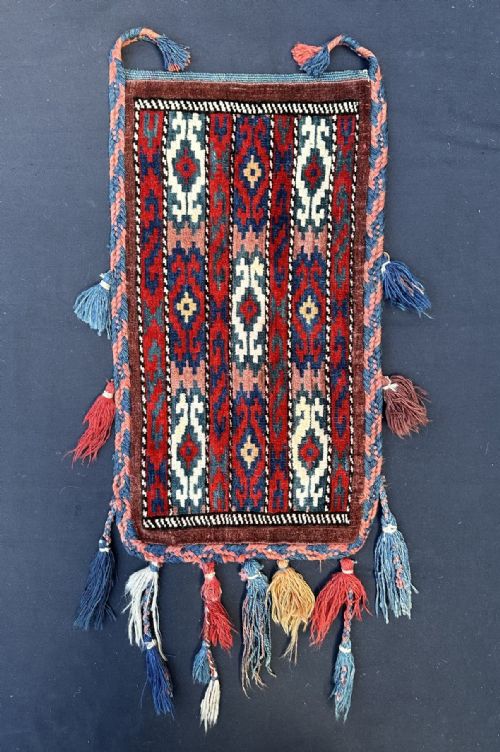
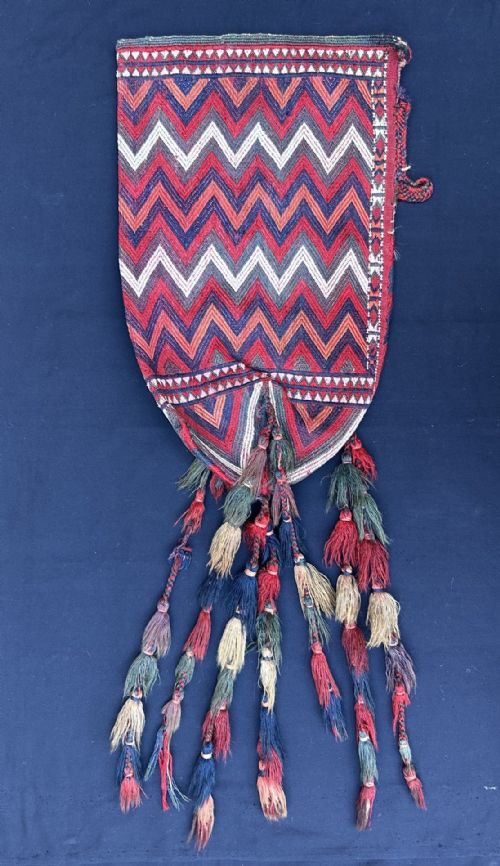
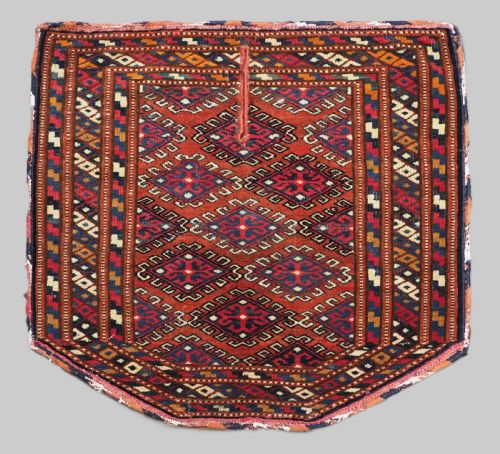
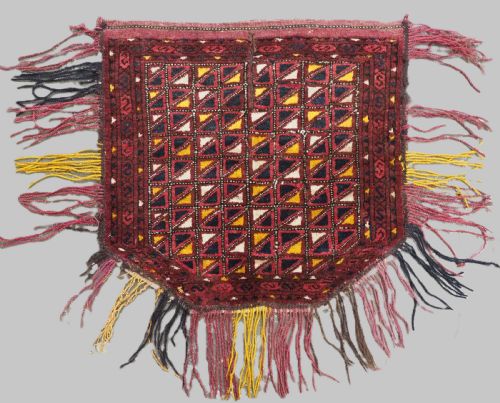
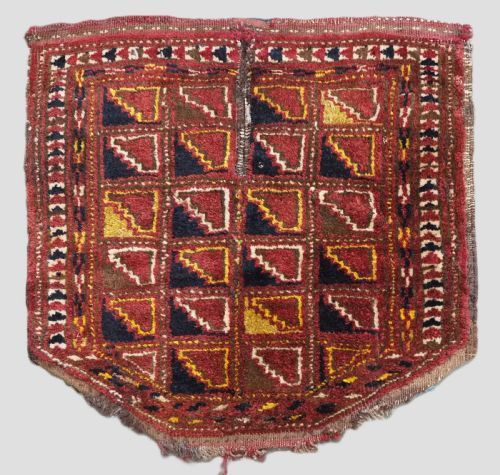
When you search for turkmen tribal weaving, you encounter utilitarian and ceremonial textiles made by nomadic and semi-nomadic groups across Central Asia, including Tekke, Yomut, Ersari, Saryk, and Chodor tribes. The selection ranges from large main carpets to smaller domestic objects such as torbas, chuvals, asmalyks, and spindle bags created during the nineteenth and early twentieth centuries.
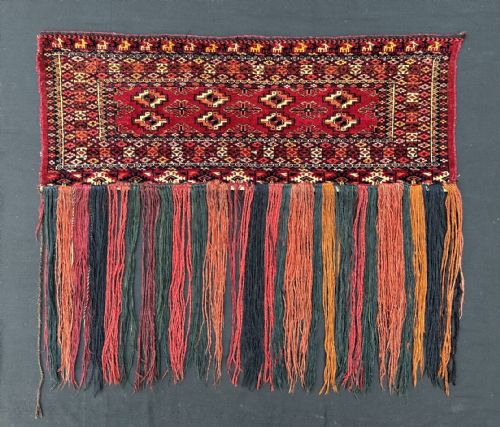
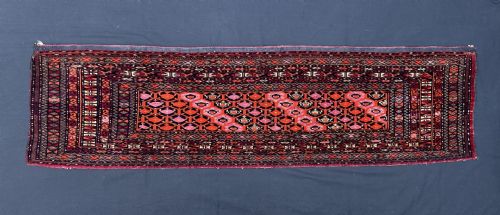
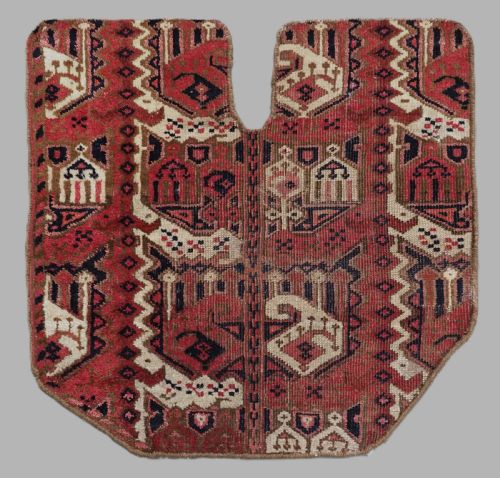
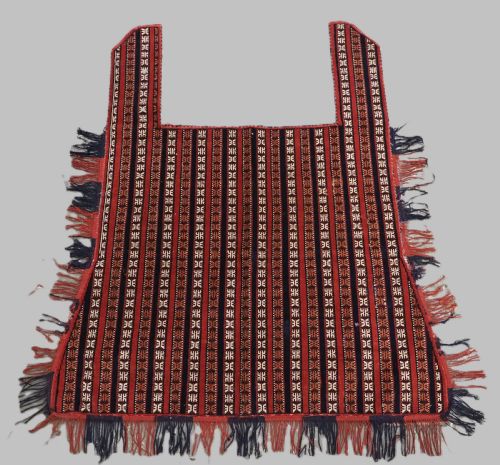
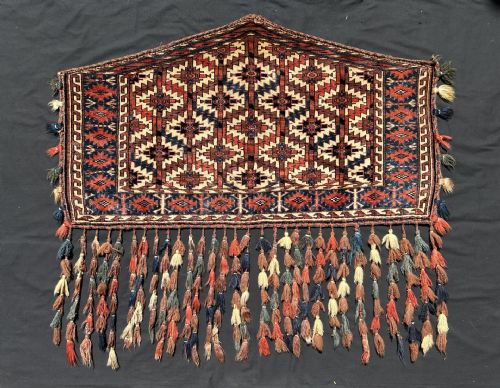
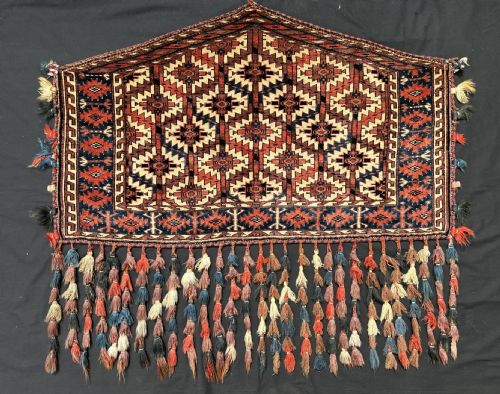
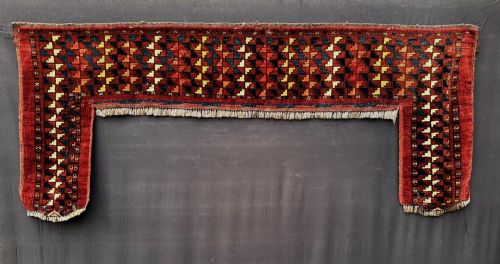
Most examples found on this page consist of bags and wall hangings produced for tribal life, dowries, and transport, alongside floor coverings. Pieces like jollars, kaplyks, and horse covers reveal the specific functional roles these textiles played within tribal communities in regions like the Trans-Caspian steppes and the Amu Darya basin.
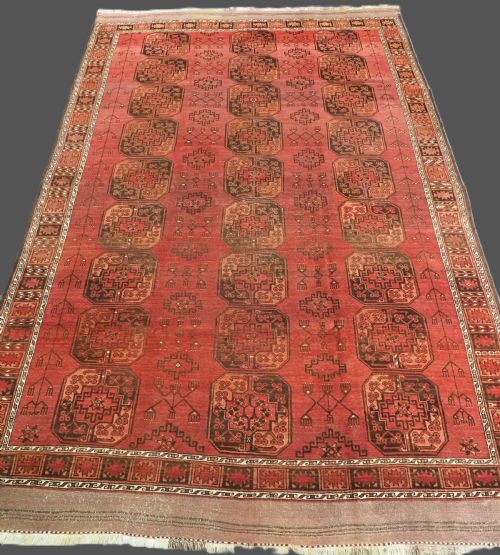
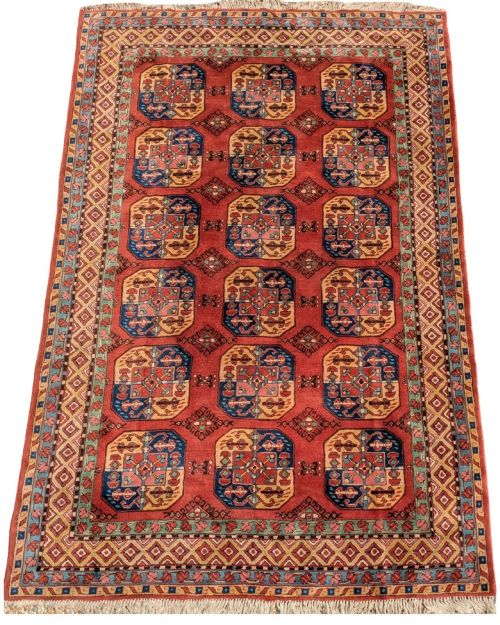
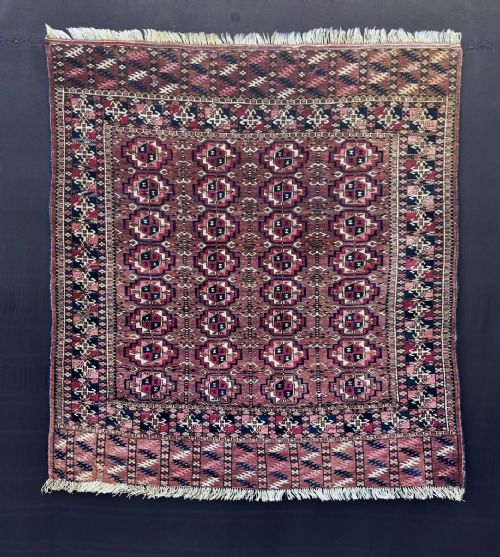
The visual identity relies on repeated tribal motifs, notably guls, arranged in structured grids across fields dominated by shades of madder red. Collectors encounter both complete items with their plain-weave backs intact and individual fragments or faces preserved from larger household furnishings.
How they were made
Weavers constructed these textiles primarily using hand-spun wool for the pile and foundation, occasionally incorporating cotton for structure or silk highlights for specific decorative details. Natural dyes supplied the deep reds, browns, and contrasting accents that define the palette of nineteenth-century nomadic work.
The structures combine dense pile knotting with flatwoven techniques, particularly on the backs and borders of bags and tent furnishings. Tassels, embroidery, and original closures appear on specific items, reflecting traditional domestic production methods handed down through generations.
Turkmen Tribal Weaving Retail Price Guide 2026
Typical asking prices for turkmen tribal weaving among the pieces listed under this phrase on Sellingantiques today, from the lower quarter to the upper quarter. They describe what is for sale here now, not the wider market.
Nomadic weavers fashioned spindle bags specifically to hold the tools used for spinning the very wool that built their world.
What varies in quality
Quality rests on the density of the knotting, the precision of the drawing within the guls, and the depth achieved by natural dyestuffs. Finer weaves display sharper geometric lines and greater complexity in secondary ornaments.
The survival of original structural elements, such as plain-weave backs, side cords, and tassels, distinguishes well-preserved domestic objects from isolated fragments. Purity of wool and consistency in the saturation of the red ground further separate standard examples from exceptional weaving.
The Turkmen Tribal Weaving Glossary
- Gul
- A primary octagonal medallion repeated across Turkmen carpets and bag faces. Each tribal group utilised distinct variations of these secondary and primary motifs.
- Chuval
- A large tent storage bag used by nomadic families for household goods. These pieces frequently appear as cut faces or complete items with patterned fronts.
- Torba
- A smaller utility bag utilised for storage inside the yurt or tent dwelling. They often display intricate gul arrangements and complete structural backs.
- Asmalyk
- A pentagonal trapping created for wedding processions and dowry camel decoration. These ceremonial items represent some of the most intricate nomadic textile designs.
- Beshir
- A sub-style associated with Ersari weavers residing along the Amu Darya region. These works often incorporate alternative palette choices and botanical elements.
Turkmen Tribal Weaving: Frequently Asked Questions
What is a main carpet?
A main carpet is a large floor covering produced by tribes for domestic use or communal spaces, measuring substantially larger than standard tent bags.
These pieces feature repeating primary guls across an extensive field, framed by complex borders that reflect the specific visual traditions of the weaving group.
How were tent bags used?
Tent bags served as functional storage containers inside nomadic dwellings, holding clothing, blankets, and household possessions.
Hung against the lattice walls of the yurt, their decorative faces displayed tribal identity and the weaving skill of the maker.
What does gul mean?
A gul is the characteristic medallion motif found repeated across Central Asian tribal textiles.
Different tribes utilised specific forms of these octagonal emblems, allowing observers to attribute pieces to groups like the Tekke, Yomut, or Saryk.
Why do some pieces have silk?
Weavers occasionally integrated silk highlights to add contrast and catch the light against the wool pile.
These luminous additions typically emphasise specific details within the primary guls or secondary border ornaments.