
Tribal Rug Bag
When you handle a tribal rug bag, you hold centuries of nomadic utility transformed into intricate woven art from Persia, Central Asia, and Afghanistan.
Tribal Rug Bag
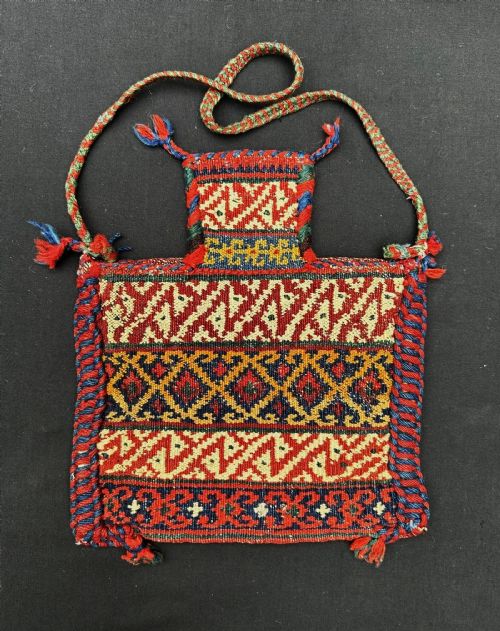
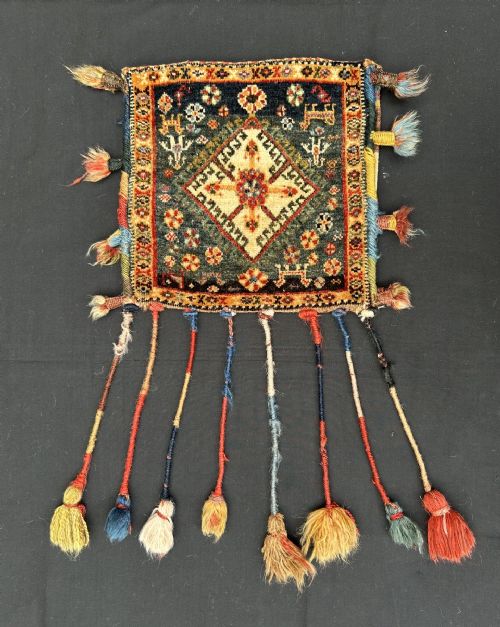
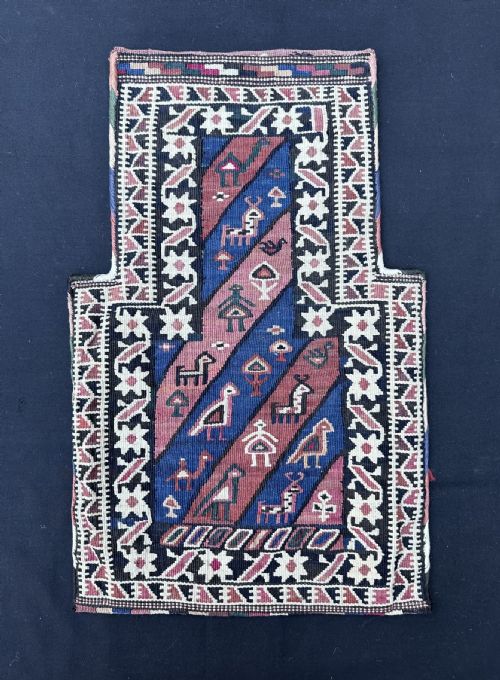
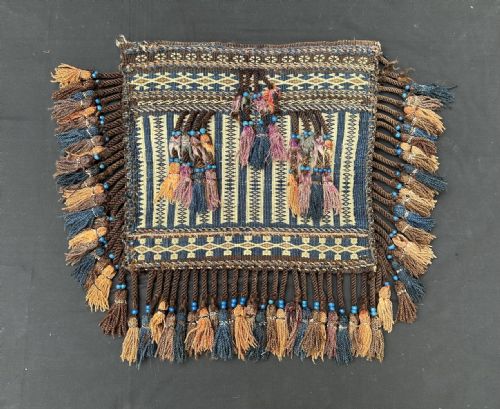
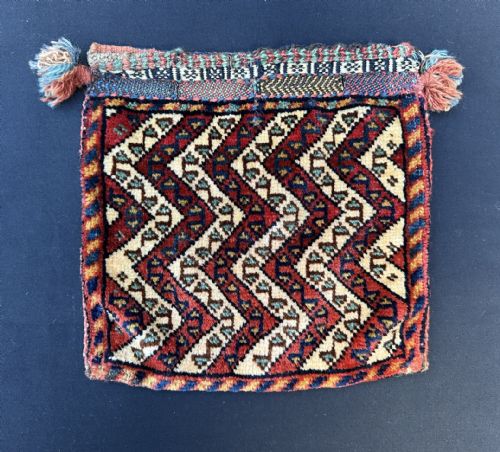
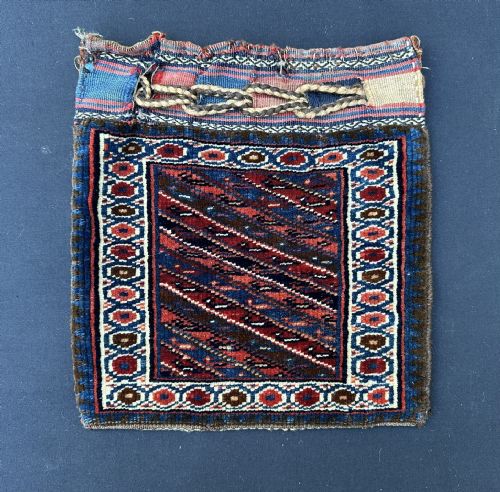
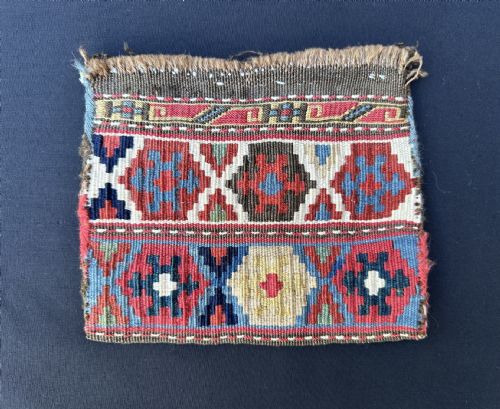
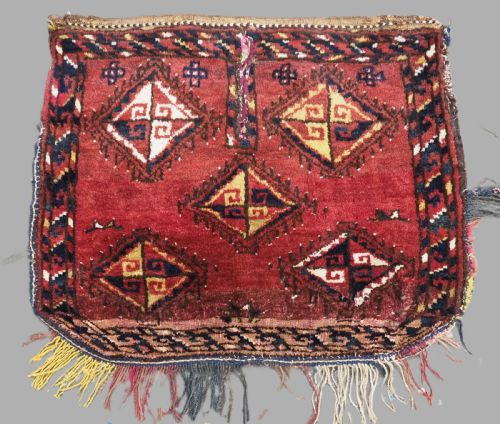
A tribal rug bag represents the portable architecture of nomadic and semi-nomadic groups, utilised for storing salt, tobacco, vanity items, or bedding during seasonal migrations.
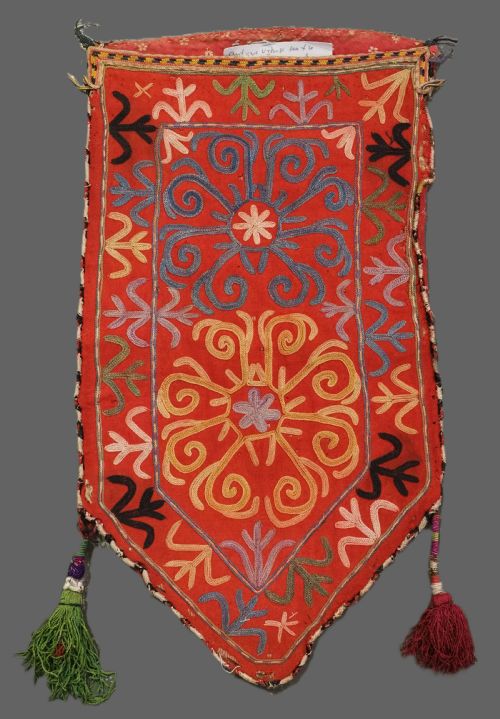
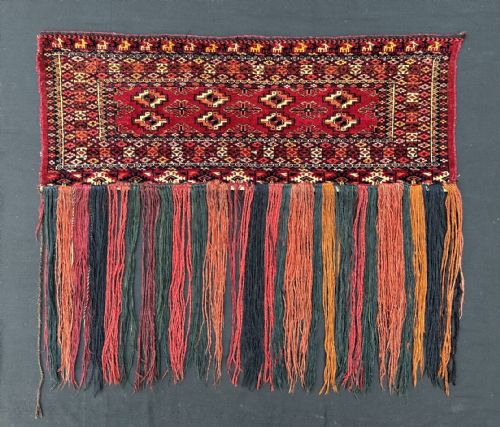
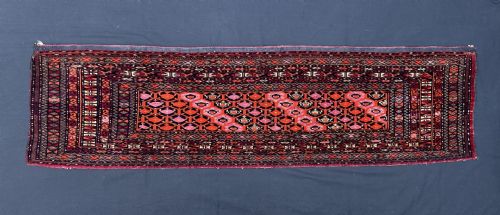
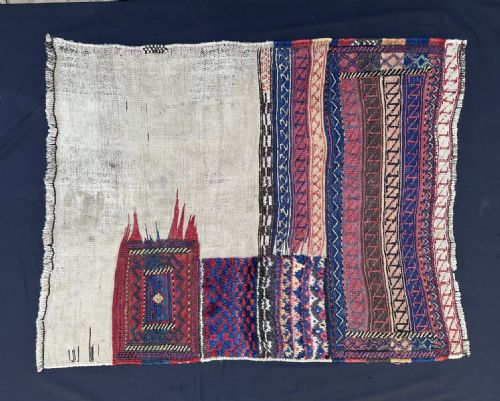
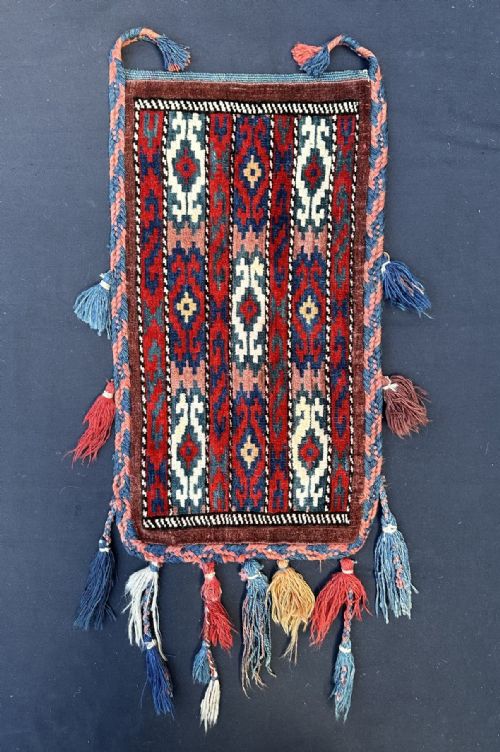
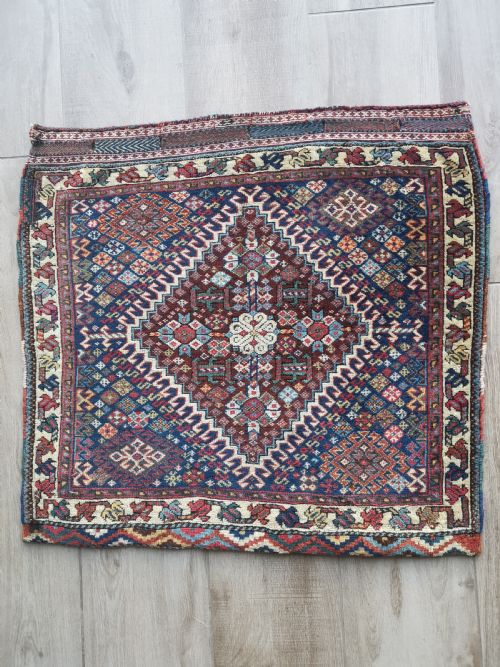
These textiles appear primarily in forms such as smaller saddle bags, face pieces, salt bags, and utility pouches woven by tribal confederacies across Persia and Central Asia.
The pieces catalogued here span from the mid-nineteenth century to the early twentieth century, reflecting distinct regional weaving traditions of groups like the Qashqai, Turkmen, and Afshar.
Determinants of quality
Knot density and the precision of the pile weave dictate the structural fidelity of the textile, distinguishing utility items meant for heavy daily transport from finer ceremonial pieces.
The clarity and saturation of natural dye palettes separate standard work from exceptional examples, as skilled dyers achieved deep, uniform tones that mellow gracefully with age.
Intricacy of tribal iconography and completeness, such as retaining original plain weave backs or closure mechanisms, strongly influence the standing of any individual bag.
The listings here feature wool, cotton, silk, hand-spun wool, glass beads, and cowrie shells across pieces dated from 1850 to 1920.
The Tribal Rug Bag Glossary
- Chuval
- A large tent storage bag traditionally utilised by Turkmen tribes for bedding and household goods. These pieces were often woven in wide formats with characteristic guls.
- Torba
- A smaller storage bag hung inside the nomadic tent for utensils or personal belongings. They frequently display intricate secondary border designs.
- Khorjin
- The standard Persian term for a pair of saddle bags joined by a central web. They were slung over pack animals during seasonal migrations.
- Chanteh
- A small personal vanity or tobacco bag carried by individuals or used inside the dwelling. These miniature pouches display the highest concentration of design detail.
- Gul
- An octagonal medallion motif repeated across Turkmen carpets and bags to identify specific tribal lineages. Each clan maintained distinct variations of these primary emblems.
Tribal Rug Bag: Frequently Asked Questions
What were tribal rug bags used for?
Nomads utilised these woven containers for practical storage and transport of household goods, salt, grain, tobacco, and personal items during seasonal migrations across harsh terrain.
They functioned as durable luggage, hanging bags inside tents, or saddle panniers on pack animals, combining heavy utility with the aesthetic identity of specific tribes.
How do I live with a tribal textile?
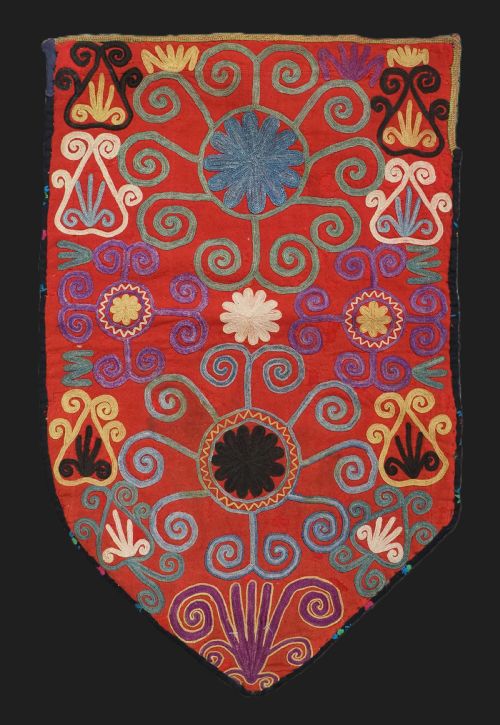
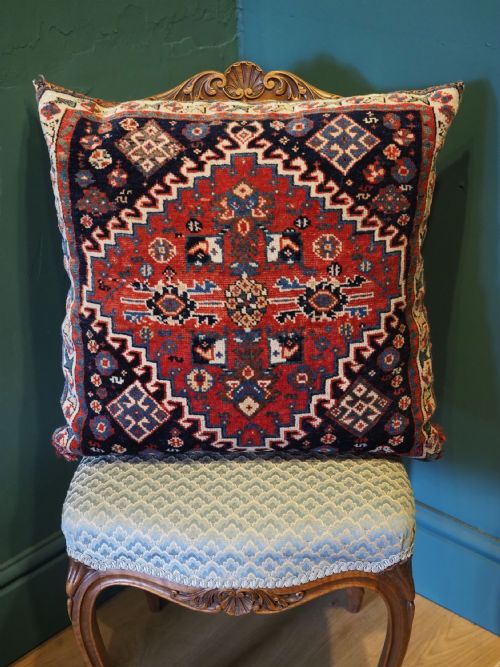
These bags adapt well to modern interiors as small wall hangings, framed textile art, or textured cushion covers placed on seating or tables.
Keep them away from direct, harsh sunlight to protect the natural dyes, and gently vacuum them with a low suction attachment without a rotating brush.
How can I tell different tribal designs apart?
Tribal attribution relies on specific structural traits, colour palettes, and repeating geometric motifs unique to each confederacy or region, such as Qashqai or Baluch.
Examining the weave type, wool quality, and characteristic border patterns helps connect a bag to nomadic groups like the Afshar or Yomut.
What is the difference between a torba and a chuval?
A chuval is a large bedding bag woven by Turkmen tribes, whereas a torba is a considerably smaller storage bag intended for lighter household utensils.
Both items utilise traditional guls and pile weaving, but their distinct dimensions reflect their specific functional roles within the nomadic tent.