

Woven Wool Wall Hanging
When you search for a woven wool wall hanging, you are exploring centuries of textile artistry designed to bring warmth and texture to architectural spaces.
Woven Wool Wall Hanging
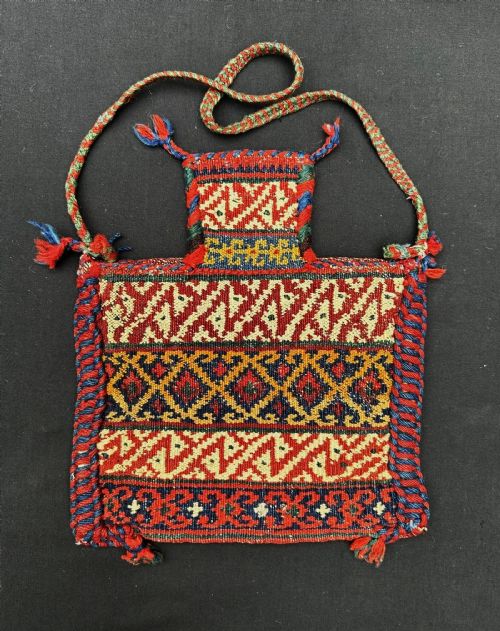
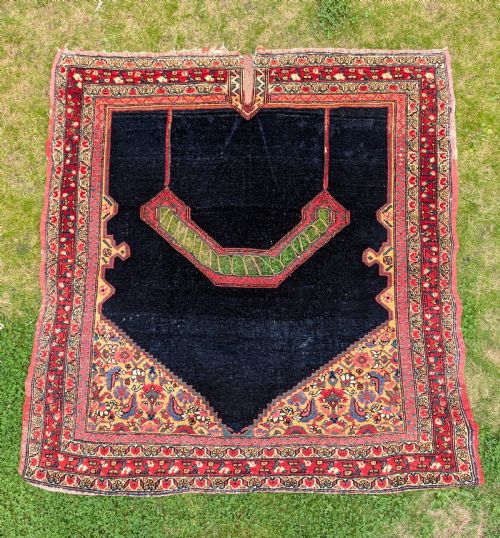
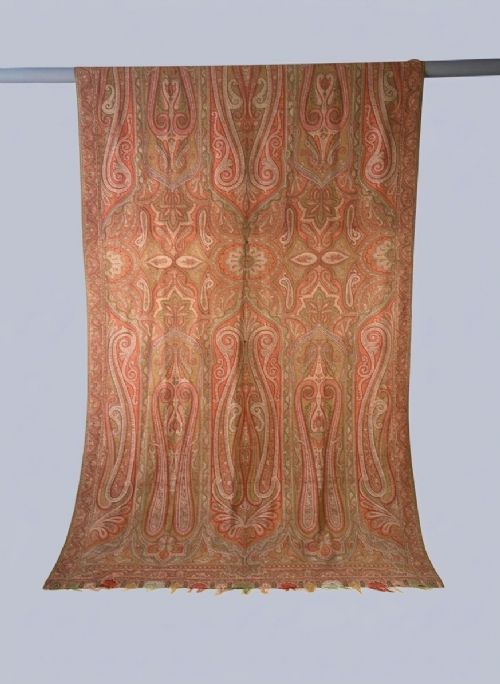
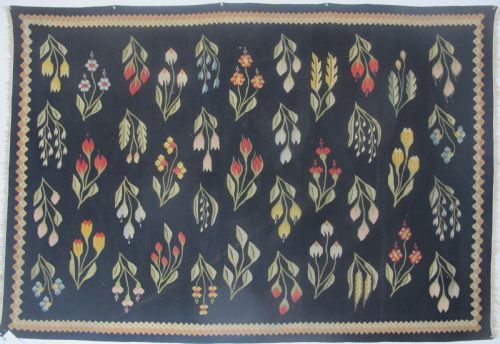
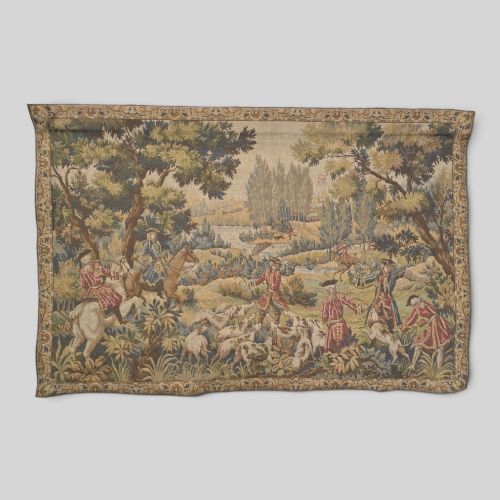
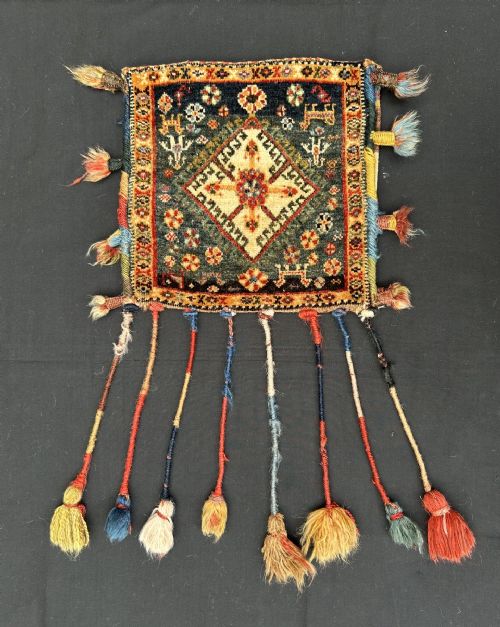
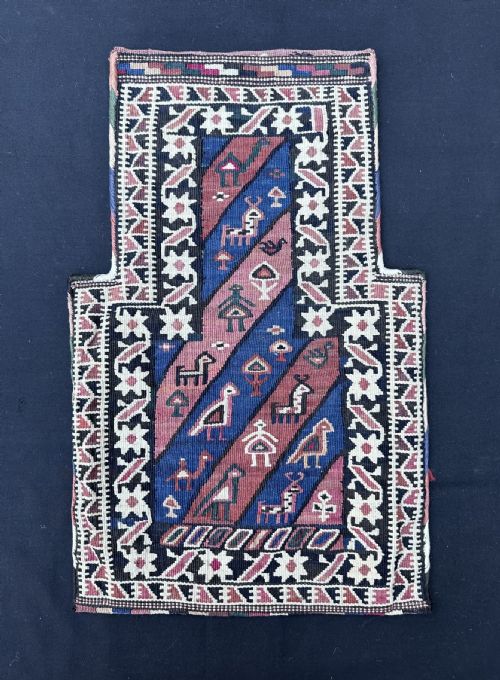
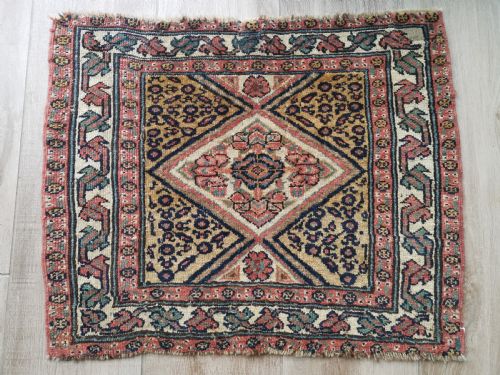
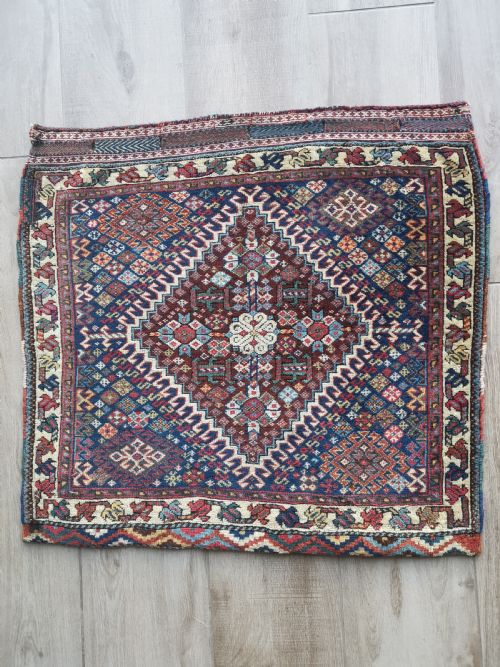
A woven wool wall hanging encompasses European verdure tapestries, French room-scale coverings, and tribal nomadic bagfaces originating from Persian and Central Asian makers.
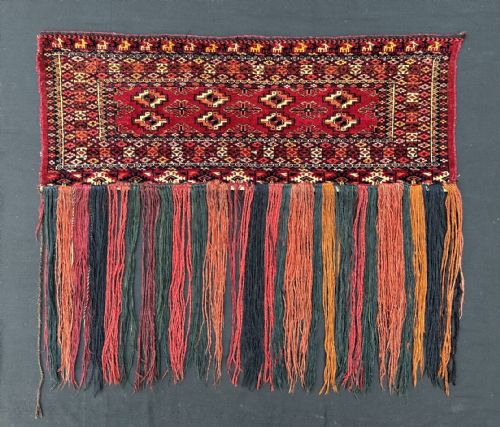
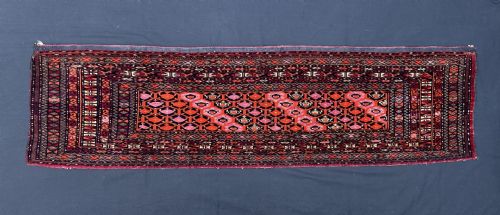
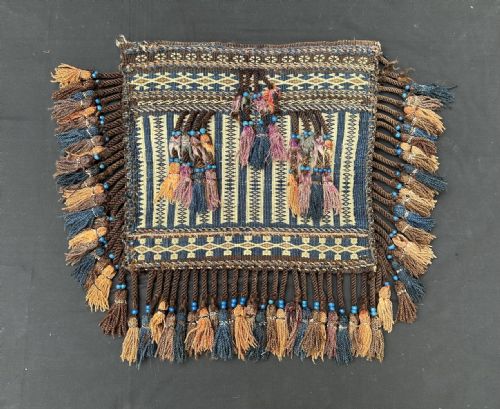
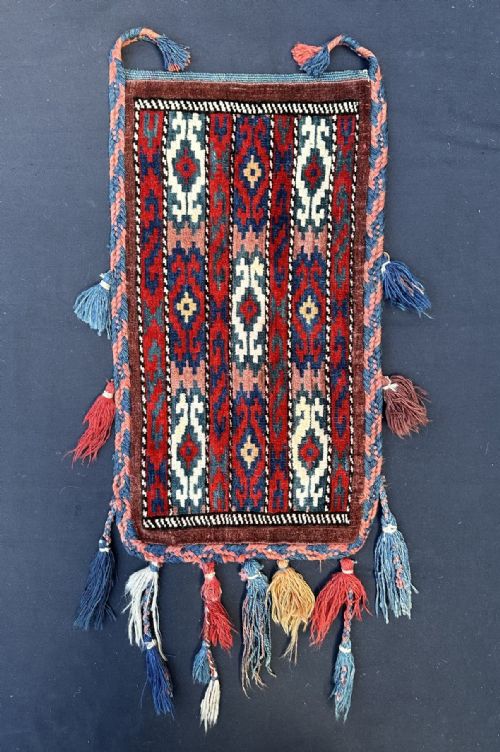
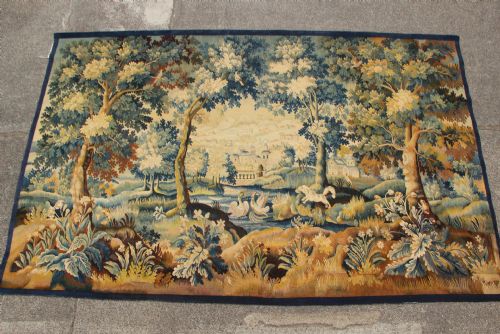
The selections available here lean heavily toward nineteenth-century Persian tribal weavings, Turkmen ceremonial horse covers, and European verdure tapestries.
These textiles served practical nomadic functions or decorated grand European interiors before finding new life mounted on modern walls.
Materials and construction methods
Weavers utilised hand-spun wool, cotton, and linen foundations, frequently integrating natural dyes to achieve deep colour palettes.
Certain pieces incorporate supplementary materials such as glass beads, silk highlights, and cowrie shells to enrich the textile surface.
Nomadic trapping pieces and large European tapestries rely on distinct structural weaves, from pile-woven rugs to flat-woven tapestry techniques.
Woven Wool Wall Hanging Retail Price Guide 2026
Typical asking prices for woven wool wall hanging among the pieces listed under this phrase on Sellingantiques today, from the lower quarter to the upper quarter. They describe what is for sale here now, not the wider market.
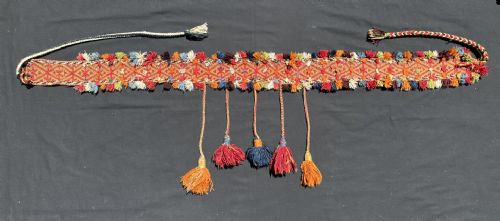
Nomads wove intricate camel trappings so the wedding procession horse would look adequately stylish on the big day.
Assessing quality and execution
Quality rests in the fineness of the knotting or weaving density, which dictates the sharpness and complexity of the depicted botanical or geometric design.
The stability of the foundation and the integrity of the original natural dyes separate standard utility pieces from exceptional tribal and European examples.
Survival of original tassels, borders, and mounting backing materials preserves the historical context and integrity of the textile.
The Woven Wool Wall Hanging Glossary
- Asmalyk
- A pentagonal trapping produced by Turkmen tribes, traditionally hung on the flank of a bride's camel during wedding processions.
- Verdure tapestry
- A European wall hanging featuring lush botanical foliage, trees, and often woodland birds or animals as the primary subject.
- Bagface
- The decorative front panel of a nomadic storage bag, retained and mounted for display after the utility back wore away.
- Kap
- A general term for a Turkmen storage bag utilised inside nomadic tents for bedding, possessions, or domestic goods.
- Mille-fleurs
- A French stylistic term meaning a thousand flowers, describing a background densely patterned with small blooming plants.
Woven Wool Wall Hanging: Frequently Asked Questions
How do I hang a heavy textile safely?
Mounting a heavy wool textile requires distributing the weight evenly across the entire upper edge. Sewing a wide cotton sleeve to the back allows a padded wooden batten to slide through for secure wall attachment.
Avoid hanging textiles directly from small nails or rings, which pull local fibres and distort the structural weave over time.
Where were these tribal weavings made?
Tribal weavings originate from nomadic confederacies and settled tribes across Persia, Anatolia, and Central Asia. Regions such as Fars, Khorassan, and the Turkmen steppes produced distinct regional designs.
European tapestries emerged from weaving centres in France and Flanders, utilising established workshop traditions rather than nomadic designs.
How should I clean my textile?
Gentle surface vacuuming through a mesh screen removes loose dust without disturbing fragile wool pile or aged threads. Professional textile conservators should handle wet cleaning to prevent dye migration and shrinkage.
Keep woven wall hangings away from direct sunlight and damp environments to protect natural wool fibres and dyes.
What is the difference between a rug and a tapestry?
Rugs are generally woven with a thick wool pile designed to withstand floor traffic, though many older examples function well as decorative wall hangings. Tapestries are flat-woven pictorial or botanical wall coverings without a standing pile.
Both categories utilise similar foundational yarns but serve entirely different structural purposes in historical interiors.