






Antique Landscape Tapestry
These antique landscape tapestry works bring centuries-old pastoral scenes indoors, offering rich woven textures and historical depth that collectors prize.
Antique Landscape Tapestry
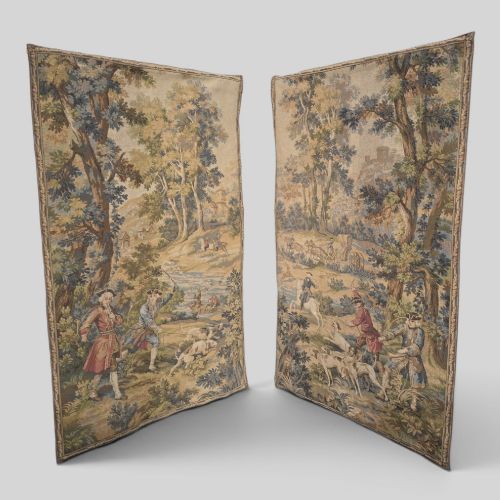
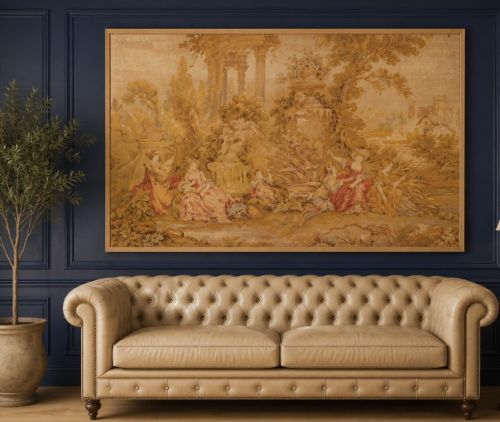
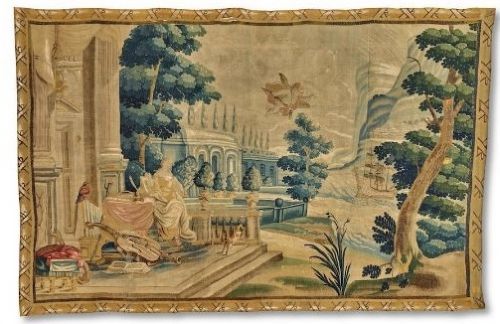
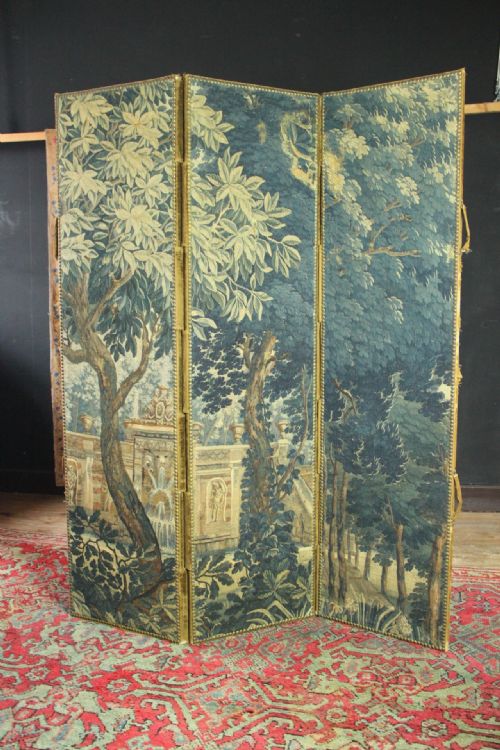
An antique landscape tapestry presents woven pastoral scenes, foliage, and architectural elements designed to cover large wall surfaces. These textile works emerge primarily from seventeenth-century and eighteenth-century Flemish and French workshops, capturing natural motifs with remarkable artistic ambition.
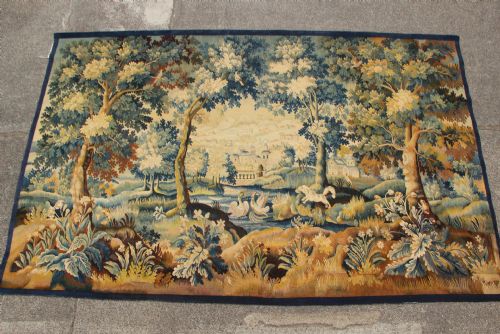
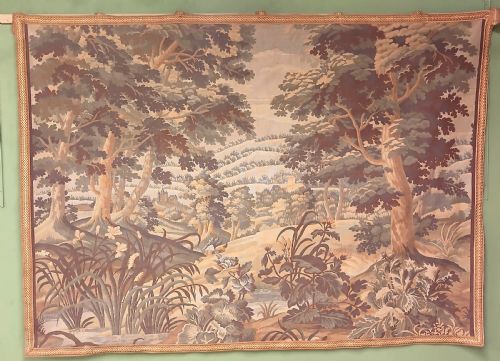
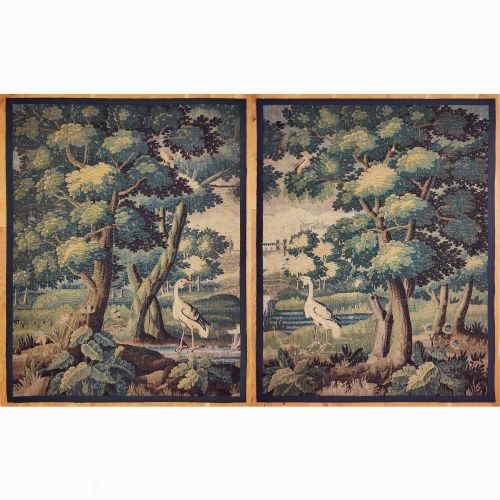
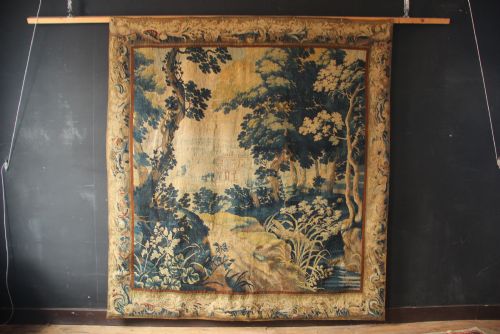
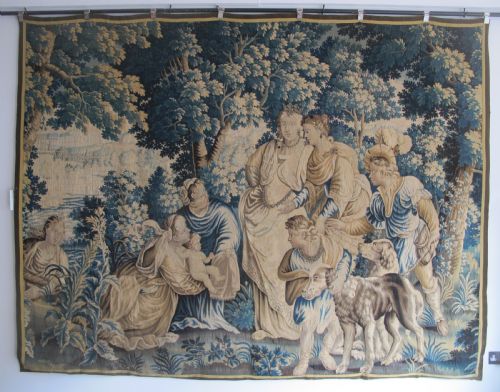
The verdure tapestry remains the most common form found here, focusing on dense botanical foliage, woodland glades, and distant castles. Alongside these botanical scenes, biblical narratives set within expansive outdoor vistas appear from the late seventeenth century, blending storytelling with natural scenery.
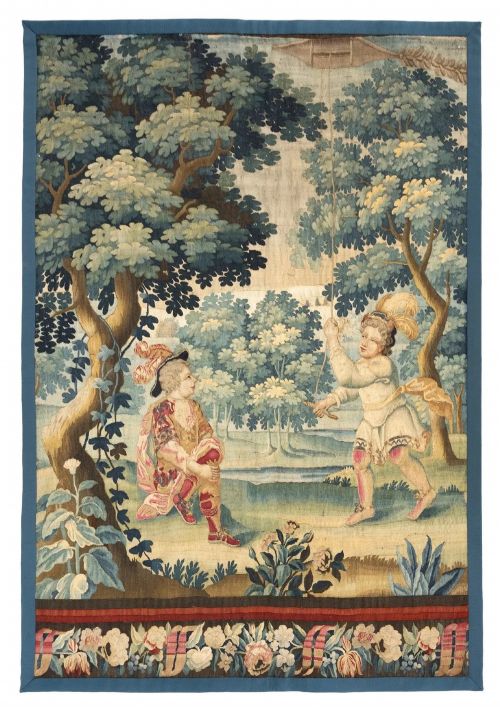
Originating predominantly from Flemish and French traditions, these antique wall tapestries span the seventeenth century through to the mid-eighteenth century. Buyers encounter both grand room-sized wall tapestries and narrower panels, each reflecting the stylistic preferences of French Baroque and Flemish Baroque movements.
How they were made
Weavers constructed these large wall textiles using combinations of wool, silk, and linen yarns on vertical or horizontal looms. Wool provided the durable structural foundation and heavy foliage, while silk threads introduced finer highlights and luminous details into the skies and garments.
Dyers utilised natural plant and insect extracts to colour the wool and silk yarns before weaving commenced, yielding deep greens, blues, and earthy browns. Over centuries, certain dyestuffs have mellowed gracefully, shifting vibrant greens towards subtle blue tones characteristic of aged textiles.
Antique Landscape Tapestry Retail Price Guide 2026
Typical asking prices for landscape tapestry among the pieces listed under this phrase on Sellingantiques today, from the lower quarter to the upper quarter. They describe what is for sale here now, not the wider market.
Many seventeenth-century verdure weavers included small, startled birds hiding within oversized cabbage leaves to amuse observant patrons.
What varies in quality
The distinction between standard examples and the finest pieces rests upon the density of the weave and the complexity of the narrative or botanical composition. Superior works incorporate greater quantities of silk alongside wool, creating varied textures and sophisticated tonal gradations within the foliage and figures.
Artistic execution in the drawing and perspective dictates the visual success of the piece, separating routine workshop production from master weavers. Better examples maintain crisp architectural details and lively animal or human figures integrated seamlessly into the overarching landscape.
The Antique Landscape Tapestry Glossary
- Verdure
- A type of tapestry featuring lush, green landscape foliage, trees, and often birds or animals as the primary subject. These botanical scenes dominated European wall hangings during the seventeenth century.
- Aubusson
- A town in France renowned for producing high-quality woven tapestries and carpets from workshops established over centuries. Aubusson pieces often depicted classical narratives or pastoral landscapes within decorative borders.
- Flemish Baroque
- An artistic style originating in Flanders during the seventeenth century characterised by dramatic movement, rich detail, and grand scale. Flemish tapestry weavers applied this aesthetic to dense forest scenes and historical events.
- Linen
- A strong vegetable fibre spun from the flax plant, frequently utilised alongside wool and silk in the construction of heavy wall hangings. It provided structural integrity to the backing and warp threads of large textiles.
Antique Landscape Tapestry: Frequently Asked Questions
How were antique landscape tapestries used?
Historic households hung these textiles on stone walls to insulate rooms against cold drafts while displaying wealth and artistic taste. They served as movable frescoes that could be transported between estates or rehung for grand occasions.
Over time, owners prized them purely for their decorative impact, transforming draughty corridors and formal reception rooms into warm, immersive woodland galleries.
How do I care for a wall tapestry?
Protect antique textiles by avoiding direct sunlight, which fades delicate wool and silk yarns over time. Hang them away from damp exterior walls and heat sources to preserve the natural fibres.
Dust them gently with a soft brush or vacuum on low suction through a protective mesh screen. Professional textile conservators should handle any deep cleaning or structural repairs.
How do I identify a Flemish verdure tapestry?
Look for dense clusters of large leaves, stylized trees, and woodland paths that dominate the visual field. These seventeenth-century pieces often feature characteristic earthy palettes of greens, browns, and faded blues.
Many examples include distant castles or glimpses of open sky framed by heavy botanical foliage. The weave structure typically relies on a heavy combination of wool and linen.
What is the difference between French and Flemish styles?
Flemish workshops in the seventeenth century favoured dense, naturalistic foliage and robust verdure scenes with deep earthy tones. French workshops, such as those in Aubusson, often integrated refined classical narratives and architectural elements into the landscape.
French pieces frequently display lighter palettes and more structured borders compared to their Flemish counterparts.