




Antique Flemish Tapestry
These antique flemish tapestry pieces bring monumental architectural presence and centuries of woven narrative into modern rooms.
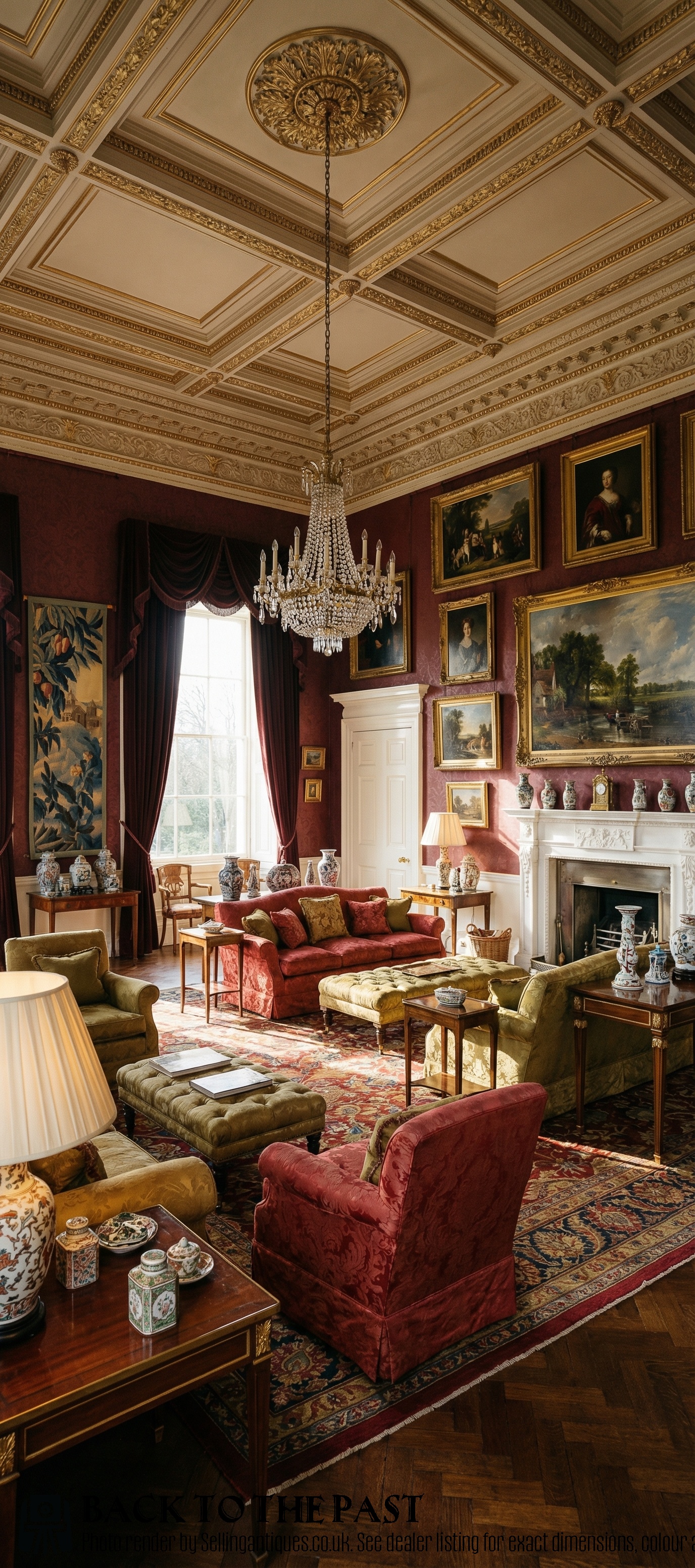
Antique Flemish Tapestry
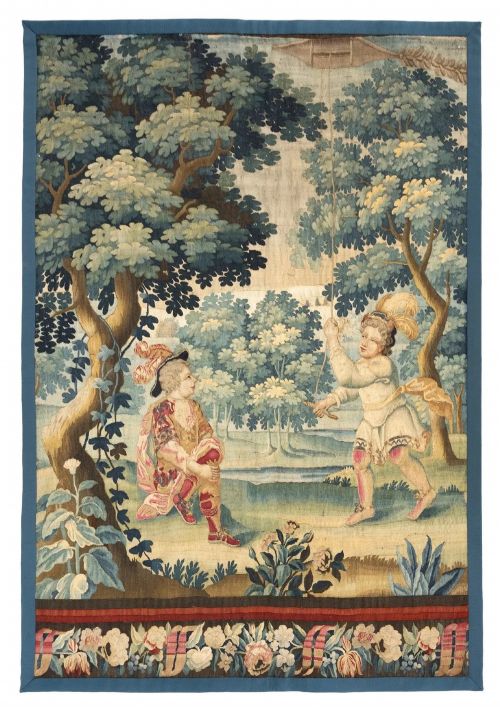
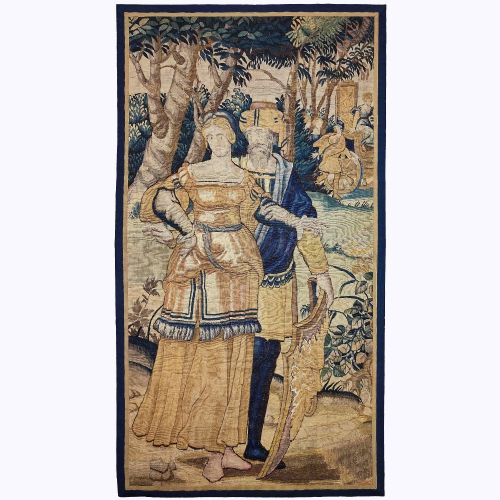
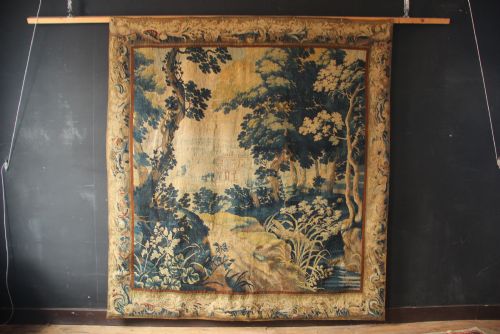
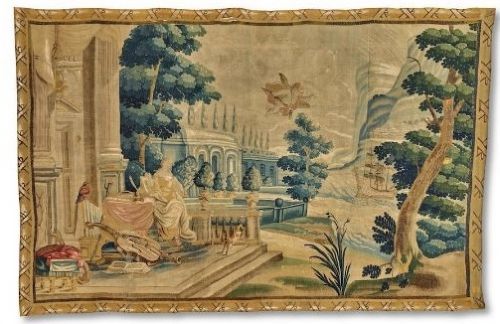
An antique flemish tapestry comprises large woven wall hangings created across the sixteenth, seventeenth and eighteenth centuries in weaving centres such as Audenaarde. Buyers encounter both grand scale mythological narrative scenes and lush verdure landscapes populated by foliage and wildlife.
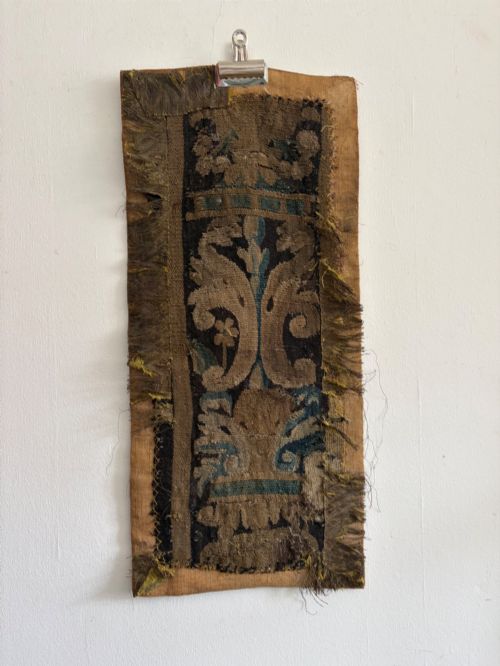
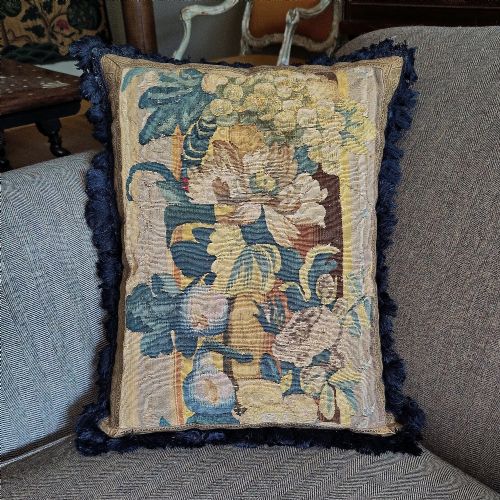
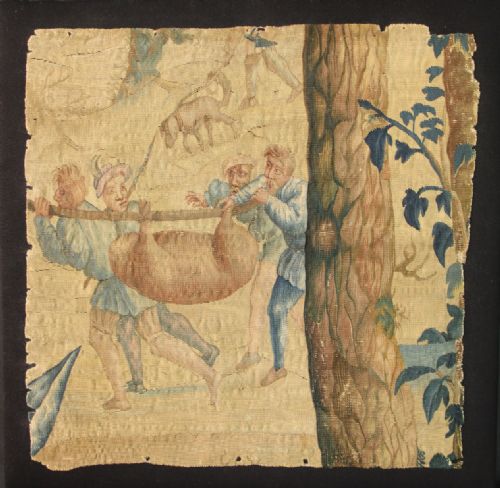
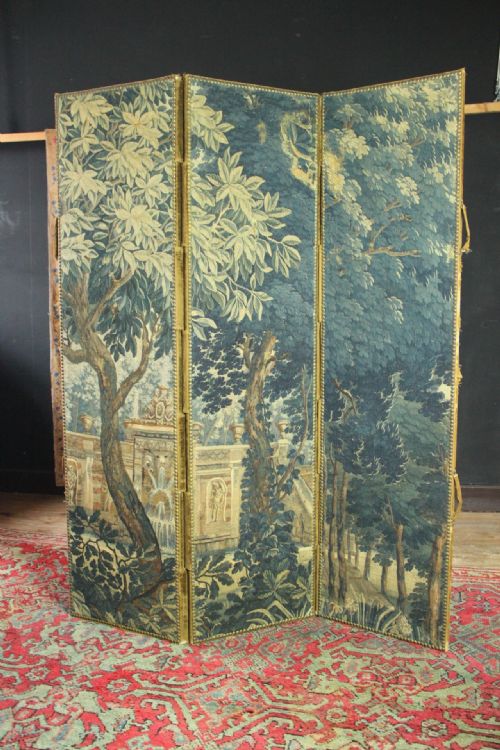
The survival of these textiles includes full room-scale architectural panels as well as fragments and pairs of historic wall hangings. Pieces from the seventeenth century and earlier frequently depict classical or mythological allegories, whilst later eighteenth century examples lean towards botanical verdure themes.
These woven works served historically to insulate stone walls whilst displaying immense wealth and erudition through intricate narrative imagery. Today, collectors use them to anchor large interior spaces with rich historical texture and muted vegetal palettes.
Materials and Construction
Weavers constructed these panels primarily using wool, silk and linen yarns spun by hand and dyed with natural pigments. Silk highlights were frequently employed to catch the light in drapery and flesh tones, contrasting against heavier wool warp and weft foundations.
Production relied upon high-warp and low-warp horizontal or vertical looms operated by skilled artisans working from full-scale painted cartoons. The sheer density of the weave determined the structural integrity and longevity of each wall hanging over centuries of display.
Antique Flemish Tapestry Retail Price Guide 2026
Typical asking prices for flemish tapestry among the pieces listed under this phrase on Sellingantiques today, from the lower quarter to the upper quarter. They describe what is for sale here now, not the wider market.
Early weavers occasionally hid whimsical bluebirds deep within the leafy shadows of verdure borders, rewarding close inspection by candlelight.
Judging Quality and Execution
Quality in an antique flemish tapestry rests upon the complexity of the narrative composition and the finesse of the chromatic gradation. Superior examples display subtle shifts in tone within foliage and drapery, creating a convincing illusion of depth akin to oil painting.
The integrity of the surviving weave and the historical stability of the material heavily influence desirability. Finer pieces retain their original silk highlights and structural borders, whereas lesser or heavily restored fragments show flattening of perspective and loss of detail.
The Antique Flemish Tapestry Glossary
- Verdure
- A type of tapestry featuring a dominant landscape of trees, plants, foliage and birds. These pieces rarely include human figures, focusing instead on lush botanical abundance.
- Warp
- The stationary vertical threads stretched across a loom onto which the coloured weft threads are woven. This structural foundation supports the entire weight of the hanging.
- Weft
- The horizontal coloured threads passed through the warp to create the visible design and imagery. Artisans manipulate these yarns to build up shading and texture.
- Cartoon
- The full-scale preparatory drawing or painting created by an artist to guide the weaver. Weavers followed these master designs meticulously across the loom.
- Audenaarde
- A principal Flemish centre renowned for large-scale tapestry production. Works originating from this town often exhibit distinct local weaving signatures and verdure styles.
Antique Flemish Tapestry: Frequently Asked Questions
How do I hang an antique flemish tapestry safely?
Large textile panels require professional mounting using a fabric Velcro system or a weight-distributing sleeve sewn to the reverse. This ensures the structural tension spreads evenly across the entire upper edge without pulling individual threads.
Positioning away from direct sunlight and strong artificial heat sources protects the fragile natural wool and silk fibres from fading and premature degradation over time.
What is a verdure tapestry?
A verdure tapestry is a landscape-focused textile piece dominated by stylized trees, leafy foliage, plants and occasional birds or animals. These works were immensely popular in Flemish workshops during the seventeenth and eighteenth centuries.
Rather than telling a complex mythological story, verdure pieces were designed to bring the feeling of an enclosed garden or forest directly into domestic interiors.
How do I tell sixteenth century pieces from later ones?
Sixteenth century examples typically feature dense architectural compositions filled with numerous figures enacting classical or biblical narratives. The perspective is often flatter and the border designs heavier and more Renaissance-inspired.
Seventeenth and eighteenth century pieces increasingly favour open verdure landscapes or theatrical baroque drama with deeper spatial recession and lighter botanical framing.